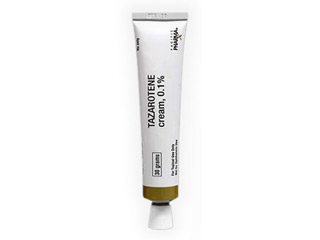
Tazarotene (Tazarotene) – Patient-Friendly Guide (Australia)
Tazarotene is a topical medicine used to improve the look and feel of certain skin conditions. It belongs to the retinoid family (a group of medicines related to vitamin A). This guide explains how tazarotene works, how to use it safely, what to expect, and key interactions and practical tips—written for people living in Australia who are considering or already using this product.
Quick Product Overview
| Category | Topical retinoid |
|---|---|
| Common forms | Gel or cream (strength may vary by brand/product) |
| Main uses | Acne, psoriasis, and related retinoid-responsive skin conditions (depending on product strength/indication) |
| Where it’s applied | Skin (not for eyes, lips, or inside the nose/mouth) |
| How it improves skin | Normalises skin cell growth and reduces inflammation |
| Typical treatment timeline | Improvement often starts after weeks; best results may take several months |
What Is Tazarotene?
Tazarotene is a prescription-strength, topical medication that helps treat skin conditions characterised by abnormal cell turnover and inflammation. It is used on specific skin areas and is available in different strengths and formulations depending on the condition being treated.
In Australia, tazarotene products are supplied through authorised pharmacy channels. Your specific product details (strength, formulation, and directions) may vary by brand. Always follow the instructions included with your medicine and the advice provided by your pharmacist or prescriber.
How Tazarotene Works (Mechanism of Action)
Tazarotene is a prodrug (an inactive form that is converted in the skin to its active metabolite). Once activated, it binds to specific retinoid receptors in the skin. This leads to:
- Normalising keratinisation: helps regulate how quickly skin cells grow and shed.
- Reducing abnormal cell multiplication: can improve thickened or scaly areas (e.g., psoriasis-related changes).
- Anti-inflammatory effects: may help calm redness and irritation associated with inflammatory skin conditions.
- Improving acne-related processes: can help reduce blockage of pores and supports clearer skin over time.
Because tazarotene affects cell turnover and inflammation, early treatment may initially cause dryness or irritation. This is often manageable with correct “start slow” use and moisturising.
Pharmacokinetics (How the Body Handles It)
Tazarotene is applied to the skin. After topical application:
- Absorption: only a small amount typically penetrates into the bloodstream compared with oral retinoids.
- Metabolism: it is converted to active and inactive metabolites in the skin and/or after absorption.
- Elimination: metabolites are eliminated primarily via urine and bile/feces pathways.
In everyday use, the key point is that systemic exposure is generally low when used as directed on intact skin. However, excessive application, use on large body areas, or covering treated areas may increase absorption and irritation. Avoid applying to areas where the skin barrier is damaged (e.g., burns, open wounds) unless your healthcare professional advises otherwise.
Typical Uses and Indications
Tazarotene is used for conditions that respond to retinoids. Depending on the product strength and formulation, indications may include:
- Plaque psoriasis (selected products/strengths): to reduce scaling, thickness, and inflammation on certain body areas.
- Acne (selected products/strengths): to help prevent clogged pores and improve acne appearance.
- Other retinoid-responsive dermatoses: as supported by the specific product’s intended use.
Because formulations and strengths differ, it’s important to use the correct product for your diagnosis. If you are unsure whether tazarotene is appropriate for your skin condition, speak with a pharmacist.
How to Use Tazarotene: Timing and Application
The way you apply tazarotene affects both results and side effects. Most people apply it in the evening because retinoids can be irritating and some users find morning application less convenient when planning sunlight exposure.
When to Apply
- Most commonly: apply once daily, usually at night.
- Start gradually: if you are new to retinoids, consider using it a few nights per week for the first 1–2 weeks, then increase as tolerated.
- Consistency matters: use it regularly to see ongoing improvement.
Step-by-Step Practical Application
- Cleanse gently: wash with a mild cleanser and pat dry.
- Apply on fully dry skin: wait a few minutes after washing so the skin is not damp.
- Use a thin layer: more is not better—thin, even coverage is usually enough.
- Avoid sensitive areas: do not apply near the eyes, corners of the nose, lips, or on broken skin.
- Wash hands after use: prevents accidental transfer to eyes or mucous membranes.
- Moisturise: use a non-comedogenic moisturiser to reduce dryness and improve comfort.
How to “Sandwich” with Moisturiser (Comfort Tip)
For irritation-prone skin, you may reduce dryness by applying moisturiser before and/or after tazarotene (“moisturiser sandwich” technique). This approach is especially helpful during the first few weeks.
Food Interactions
Tazarotene is a topical medication. It is generally not associated with food interactions in the same way that oral medicines can be. However, if your skin condition affects your routine, or if you’re using other topical products at the same time, it’s still important to consider overall tolerance and the timing of skincare.
As a practical guide: no special dietary changes are usually required with tazarotene. Focus instead on gentle skincare, moisturising, and strict sun protection.
Alcohol and Medicine Interactions
Alcohol
There are no specific, well-established alcohol interactions expected with topical tazarotene, because systemic absorption is typically low. That said, if you are using other topical or oral retinoids/skin-active treatments, alcohol use may indirectly affect skin tolerance for some people (through dehydration or irritation sensitivity).
Medicine Interactions (Topical and Systemic)
Because tazarotene is a retinoid, it may increase irritation when combined with other skin products that have strong exfoliating or drying effects. Consider avoiding or carefully spacing out products such as:
- Other retinoids: tretinoin, adapalene, retinaldehyde products (unless your dermatologist specifically recommends a combination plan).
- Strong exfoliants: salicylic acid peels, glycolic acid peels, or high-strength AHA/BHA products.
- Harsh cleansers: products that frequently cause stinging or dryness.
- Other keratolytics: products that significantly increase skin peeling.
If you use multiple actives, a “less is more” approach can reduce adverse reactions: try introducing one active at a time, and adjust frequency based on tolerance.
If you are taking medicines that affect skin healing, immune function, or hormonal pathways, inform your pharmacist. They can help you think through safe co-use and skincare sequencing.
Safety Profile: Common Side Effects and Warnings
Common (Often Manageable) Side Effects
Many people experience mild to moderate skin irritation when starting tazarotene. Common effects include:
- Dryness or flaking
- Redness
- Burning or stinging
- Itching
- Peeling
- Skin sensitivity
Less Common but Important
- Severe irritation (significant swelling, intense burning, blistering)
- Allergic-type reactions (rash beyond the application site, hives, widespread swelling)
- Worsening skin condition beyond the expected “adjustment period”
If irritation becomes severe, stop using the product and seek advice from a healthcare professional. Persistent or worsening symptoms should not be ignored.
Sun Sensitivity (Important)
Retinoids can make skin more sensitive to sunlight. To reduce the risk of irritation and uneven pigmentation:
- Use a broad-spectrum sunscreen (SPF 30 or higher) every day.
- Consider protective clothing and shade when possible.
- Avoid sunbathing or tanning beds.
- Be extra cautious if you’re using other sun-sensitising skincare products.
Practical Use Tips for Better Results
- Start low and slow: begin a few nights per week and build up.
- Apply to the whole affected area: rather than only spots, if your clinician instructed so—this supports more even control.
- Moisturise strategically: use non-comedogenic moisturisers; consider sandwiching if dry.
- Don’t “spot treat” too heavily: excess product increases irritation without improving outcomes.
- Keep the routine simple: during the early weeks, avoid introducing multiple new actives.
- Let skincare products absorb: if using moisturiser, wait a few minutes before applying tazarotene.
- Watch for irritant overlap: shaving, waxing, or scrubbing can increase sensitivity—pace these activities away from treatment days if possible.
Dosing: How Much to Use
The correct dose depends on the condition, body area, and the strength of your specific product. In general for topical retinoids:
- Typical frequency: once daily (often at night) unless otherwise directed.
- Amount: use a thin layer covering the affected area.
- Maximum area considerations: avoid applying to large areas more than advised, especially on compromised skin.
Follow the product label instructions carefully. If you’re treating a larger area, ask your pharmacist for guidance on how to apply evenly and safely.
What to Expect: Treatment Timing and Results
Skin changes often follow a pattern with retinoid therapy:
- First 1–2 weeks: dryness, mild peeling, or irritation can occur as the skin adjusts.
- Weeks 3–8: some improvement in texture or lesion appearance is often noticed.
- 2–3 months (and sometimes longer): best results may take several months depending on the condition.
If you experience significant discomfort, you may need to reduce frequency or use moisturiser strategies. Never apply more often than directed to “speed up” results.
Food, Alcohol, and Lifestyle Considerations
No dietary restrictions are typically required for tazarotene. Lifestyle factors that help include:
- Hydration and moisturising: comfortable skin tolerance supports adherence.
- Sun protection: sunscreen and protective habits are essential.
- Gentle cleansing: avoid harsh scrubs and fragranced products that sting.
If you use makeup or skincare products, choose non-comedogenic options and avoid those that irritate. Removing makeup gently can prevent additional friction and barrier damage.
Alternative Options (Depending on Your Condition)
There are multiple treatment options for acne and psoriasis-spectrum conditions. Alternatives may include:
- Other topical retinoids: such as tretinoin or adapalene (depending on availability and indication).
- Anti-inflammatory or antimicrobial agents: for acne, products containing benzoyl peroxide or topical antibiotics (as appropriate and per local guidance).
- For psoriasis: moisturisers, topical corticosteroids, vitamin D analogues, or other retinoid approaches depending on severity and location.
- Systemic options: for moderate-to-severe cases, clinicians may consider oral treatments or phototherapy.
The best alternative depends on your diagnosis, skin type, severity, tolerance, and any other treatments you’re already using. A pharmacist can help you discuss suitable options and how to transition safely.
Australia: Market and Legal Context (General Information)
Medicines in Australia are regulated through the Therapeutic Goods Administration (TGA). Availability, prescribing status, and supply processes can vary by ingredient, strength, and product category. When purchasing online, it’s important to choose reputable suppliers who comply with Australian regulations and provide accurate product information.
Your online pharmacy listing should include:
- the product’s name and active ingredient
- the strength and formulation (e.g., gel vs cream)
- clear directions for use
- information about storage and key safety warnings
- reliable customer support and access to pharmacist advice
Recent Guidance and Care Approach (Practical Takeaways)
Across retinoid therapy, the overall clinical approach remains consistent: start gradually, moisturise, use sunscreen, and avoid irritant combinations. Recent emphasis in dermatology practice generally focuses on improving tolerability and reducing discontinuation by:
- using patient-friendly start schedules
- supporting barrier repair (moisturising)
- choosing gentle cleansers and avoiding over-exfoliation
- educating patients on expected early irritation versus dangerous reactions
If you have a history of sensitive skin, eczema, or frequent barrier disruption, your pharmacist may suggest a more conservative starting plan.
Delivery and Availability in Australia (Online Pharmacy Considerations)
Many medicines in Australia are available via online pharmacies with delivery to selected areas. Availability can vary depending on:
- stock levels and supplier timelines
- pack size and strength
- transport requirements (for items with specific storage conditions)
To support a smooth experience, consider checking:
- estimated delivery times
- delivery address requirements
- discreet packaging options
- return/refund policies for eligible items
If you need help selecting the correct strength or formulation, contact the pharmacy’s support team before ordering.
FAQ: Tazarotene (Australia)
1) How do I start tazarotene if my skin is sensitive?
Start slowly—often using it a few nights per week at first. Apply a thin layer to dry skin, moisturise, and avoid other strong actives (like peeling acids) during the first couple of weeks. If irritation is still significant, consider spacing out further and speak with a pharmacist.
2) Will tazarotene make my skin peel?
Mild peeling can happen, especially early. It usually improves as your skin adapts. Severe burning, blistering, or rapidly worsening redness is not typical—stop use and seek advice.
3) Can I use moisturiser with tazarotene?
Yes. Many people use moisturiser before and/or after to reduce dryness and improve comfort. Choose a non-comedogenic, fragrance-free moisturiser when possible.
4) What sunscreen should I use?
Use a broad-spectrum sunscreen with SPF 30 or higher, applied daily. If your skin is acne-prone, look for “non-comedogenic” or “oil-free” options. Apply sunscreen in the morning after your skincare routine.
5) Can I combine tazarotene with acne spot treatments?
Some spot treatments may be too drying when used alongside tazarotene. If you want to use additional products, introduce them carefully and monitor irritation. A pharmacist can help you build a routine with less overlap in irritating ingredients.
6) Does tazarotene stain or bleach clothes?
Tazarotene itself is not known for dye-like staining, but any topical product can transfer if it hasn’t fully absorbed. Allow it to dry completely before dressing, and wash hands carefully after application.
7) What should I do if I miss a dose?
Apply it when you remember only if it’s close to your usual time and the next dose isn’t too soon. If it’s nearly time for the next application, skip the missed dose—do not double up.
8) Can I use tazarotene during the day?
Many people use it at night. If your clinician allows daytime use, ensure strict sunscreen and sun protection. Daytime use may increase irritation for some people.
9) Can I drink alcohol while using tazarotene?
No direct interaction is expected from topical use. Still, alcohol may affect hydration and overall wellbeing, which can influence how comfortable your skin feels.
10) When should I seek medical advice?
Seek advice promptly if you develop severe irritation (swelling, blistering), signs of allergy (hives or widespread rash), or if your condition worsens significantly. Also seek advice if you’re unsure about correct use or how to manage persistent side effects.
Important Reminders
- Use tazarotene exactly as directed on the product label or as advised by your pharmacist/health professional.
- Apply to clean, dry skin and avoid eyes, lips, and broken skin.
- Moisturise and use sunscreen daily.
- Avoid combining with other potentially irritating actives unless advised.
If you would like, share the skin condition you’re treating and the exact product strength/formulation you have, and I can suggest a gentle, skin-tolerant routine structure (e.g., moisturiser scheduling, start frequency, and which common products to space out).