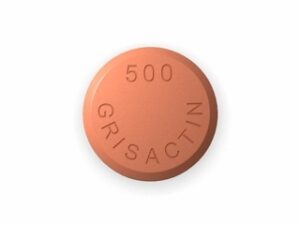
Griseofulvin (Oral Antifungal) – Patient Information (Australia)
Griseofulvin is an antifungal medicine used to treat fungal infections of the skin and hair, and in some cases nails. It works by targeting the fungus’s ability to grow and multiply, allowing healthy tissue to replace infected areas over time. This guide is written for patient-friendly understanding and is tailored for readers in Australia.
Basic product information
| Item | Details |
|---|---|
| Medicine name | Griseofulvin |
| Medicinal class | Oral antifungal (for dermatophyte infections) |
| Common forms | Tablets or oral liquid (brand and strength vary by supplier) |
| Typical target | Dermatophytes (fungi that infect skin, hair and nails) |
| How it is taken | By mouth, usually daily with food to improve absorption |
| How long it’s used | Often weeks to months depending on site and severity |
Product strength, brand availability, and dosing schedules can vary. Always check the specific label instructions supplied with your product.
How Griseofulvin works (mechanism of action)
Griseofulvin is a fungistatic antifungal, meaning it inhibits fungal growth rather than directly killing all fungi instantly. It does this mainly by interfering with the fungus’s cell division (mitosis).
- It binds to fungal cell components and disrupts microtubule formation (part of the cell division machinery).
- It also accumulates in newly formed skin, hair, and nails, helping protect developing tissue as it grows out.
Because the infected tissue must grow out, treatment often needs to continue for long enough to replace affected skin, hair, or nail.
Pharmacokinetics (how your body handles it)
Pharmacokinetics describe what the body does to the medicine—how it is absorbed, distributed, metabolised, and eliminated. Key points for griseofulvin include:
- Absorption: Absorption improves when taken with fatty food. Taking it on an empty stomach may reduce levels and slow progress.
- Distribution: Griseofulvin distributes into skin, hair, and nails where it can help protect new growth.
- Metabolism: It is metabolised in the liver. Liver enzyme activity can influence how quickly it is cleared.
- Elimination: It is eliminated mainly via the kidneys and bile as metabolites.
- Onset of improvement: Symptoms may begin to improve after some days, but complete resolution often takes longer because infected tissue remains until it grows out.
Typical uses (indications)
Griseofulvin is used to treat dermatophyte fungal infections, which include organisms such as: Trichophyton, Microsporum, and Epidermophyton.
Common indications include:
- Tinea capitis (ringworm of the scalp)
- Tinea corporis (ringworm of the body)
- Tinea pedis (athlete’s foot) and tinea cruris (jock itch) in selected cases
- Tinea unguium (fungal nail infection, onychomycosis), especially when topical treatment alone is unlikely to work
The most appropriate medicine depends on the infection type, severity, and the organism involved. Some fungal infections that look similar (e.g., yeast infections) may not respond as expected to griseofulvin.
Timing and how to take it
Consistency is important with griseofulvin. Your dosing schedule should be followed closely to keep effective drug levels in your body.
When to start seeing results
- Early changes: You may notice reduced itch, redness, or scaling within 1–2 weeks.
- Skin resolution: Often takes several weeks depending on extent.
- Scalp and hair infections: Can take weeks to months because hair growth is slow.
- Nail infections: May require a prolonged course (often months), because nails grow gradually.
How to take each dose
- Take griseofulvin with food, especially meals containing some fat, unless your product label advises otherwise.
- Swallow tablets whole with water (unless your specific product instructions differ).
- If using an oral liquid, measure dose carefully with an accurate measuring device.
- Keep a daily routine (e.g., after breakfast or dinner) to reduce missed doses.
If you miss a dose
- Take the missed dose when you remember if it’s close to the next scheduled dose.
- If it’s nearly time for the next dose, skip the missed dose—do not double.
- If you miss several doses, ask your pharmacist for advice on how to restart.
Food interactions (what to eat and avoid)
Food can meaningfully affect griseofulvin absorption. In general:
- Take with fatty food: This can improve absorption and effectiveness.
- Avoid taking it on an empty stomach: It may lead to lower absorption.
There are no strict “forbidden” foods for most people, but maintaining a stable routine of taking the medicine with meals helps. If you have dietary restrictions (for example, low-fat diets), discuss options with your healthcare professional.
Alcohol and medicine interactions
Alcohol
Alcohol is not always strictly prohibited, but caution is advised. Griseofulvin is metabolised by the liver, and alcohol can add additional strain.
- Best approach: Keep alcohol to a minimum during treatment.
- If you drink regularly or have liver conditions, seek advice before starting.
Medicine interactions
Griseofulvin can interact with other medicines by affecting liver enzymes involved in drug metabolism. These interactions can change the effectiveness or side-effect risk of either medicine.
Tell your pharmacist or healthcare professional if you use any of the following types of medicines:
- Warfarin and other anticoagulants (risk of altered bleeding/clotting control)
- Oral contraceptives (reduced effectiveness is possible due to enzyme effects)
- Other medicines metabolised by the liver (many may be affected)
- Some antifungals, antibiotics, and anticonvulsants (examples vary—check specifically)
- Alcohol-containing products or herbal remedies (speak to a professional about safety and metabolism)
Because interaction potential depends on the exact medicine and your dose, it’s important to provide a current list of all medicines and supplements you take—this includes vitamins, “natural” products, and over-the-counter items.
Dosing (general guidance)
Dosing of griseofulvin depends on the infection type (skin vs scalp vs nails), patient age, weight, and product strength. The most accurate dosing comes from the specific prescription/plan and the product label.
Common dosing considerations
- Children: Doses are often calculated by weight. Scalp and widespread infections may require longer courses.
- Adults: Dose may be based on the specific condition and clinical judgement.
- Nail infections: Treatment is often longer than for skin infections because nails grow slowly.
- Treatment duration: You may need to continue until infected tissue has fully grown out and symptoms have resolved.
Important: Do not adjust the dose yourself. If you have questions about your dose, speak with a pharmacist or healthcare professional who can review your situation and product details.
Safety profile and side effects
Like all medicines, griseofulvin can cause side effects. Most people experience mild or moderate effects, but some may require urgent attention.
Common side effects
- Nausea, stomach discomfort, or upset stomach
- Headache
- Dizziness or fatigue
- Rashes or skin sensitivity
- Changes in taste
Less common but important effects
- Liver-related problems: Rarely, liver inflammation can occur. Watch for symptoms such as unusual tiredness, dark urine, pale stools, or yellowing of the skin/eyes.
- Blood count changes: Rarely, griseofulvin may affect bone marrow function.
- Severe skin reactions: Seek urgent help if you develop blistering, widespread rash, or skin peeling.
- Hypersensitivity: Severe allergic reactions are uncommon but can occur.
When to seek urgent medical help
Get medical advice urgently (or call emergency services) if you experience:
- Facial swelling, difficulty breathing, or severe rash
- Yellowing of eyes/skin (jaundice)
- Severe abdominal pain or persistent vomiting
- High fever with rash or feeling very unwell
- Unusual bruising or bleeding
Who should be extra cautious
- People with liver disease
- Those taking medicines known to interact with liver metabolism
- People with a history of significant drug reactions
- Pregnant or breastfeeding individuals (discuss risks and benefits with a professional)
Practical use tips for best results
Griseofulvin works best when combined with good hygiene and treatment of surrounding areas. These steps can reduce recurrence and spread:
- Keep the area clean and dry: For skin infections, gently wash and dry affected areas.
- Follow local skin care advice: Use any topical antifungal recommended for the infection (if advised).
- Complete the full course: Stopping early can lead to relapse.
- Wash towels and clothing regularly: Use hot washes when feasible and dry thoroughly.
- Avoid sharing personal items: Don’t share combs, hats, towels, or footwear.
- Be mindful with pets: Some fungal infections can be shared with pets. If you suspect this, ask for advice.
- For scalp infections: Avoid sharing hair brushes and keep treatment consistent.
- For nail infections: Trim nails carefully and avoid trauma where possible.
Even after improvement, fungi may remain in the body. Continue treatment as directed and attend follow-up if your clinician recommends reassessment.
Alternative options
Treatment choice depends on the infection site and fungus type. Alternatives may include other antifungal medicines, topical therapies, or combination approaches.
Common alternatives (depending on the condition)
- Terbinafine (often used for dermatophyte infections of skin and nails)
- Itraconazole (sometimes used for nail or scalp infections)
- Fluconazole (selected fungal infections; not always first choice for dermatophytes)
- Topical antifungals (for mild or localised skin infections, such as creams, gels, sprays)
- Shampoo or topical scalp treatment (commonly used alongside oral therapy for scalp infections)
Some topical therapies may be sufficient for limited skin involvement, while scalp and nails usually require longer oral treatment or combined strategies. A clinician can guide the best option based on your diagnosis and severity.
Griseofulvin in Australia: market and legal context
In Australia, availability and prescribing requirements for medicines can vary by brand, strength, and therapeutic category. Some antifungals are available without prescription, while others may require a clinician’s assessment and an appropriate dispensing arrangement.
Online pharmacies in Australia typically provide product information, safety checks, and guidance on how to obtain or use medicines appropriately under local regulations. If you have questions about whether a particular product is appropriate for your situation, a pharmacist can assist.
Recent guidance and what to watch for
Fungal treatment guidance can evolve based on clinical evidence, antifungal resistance patterns, and safety updates. While general principles remain consistent—confirm the diagnosis, choose the right antifungal, and treat for an adequate duration—practice may vary by:
- Whether the infection is confirmed as dermatophyte (ringworm group)
- Severity and body site (scalp, skin, nails)
- Local availability of oral and topical antifungal options
- Safety screening considerations (for example, liver health and medicine interactions)
If your symptoms are not improving after a reasonable timeframe, seek review rather than switching medications yourself.
Delivery and availability (online pharmacy experience)
Availability of griseofulvin can vary depending on supplier and product form (tablet vs liquid) and strength. Many online pharmacies provide:
- Clear product listings including strength and pack size
- Estimated dispatch times and delivery options across Australia
- Packaging appropriate for medicines to help protect tablets or liquid from damage
When ordering, double-check the product strength and form to match your treatment plan. If you need repeat supplies, ensure you order early to avoid gaps.
FAQ
1) What infections does griseofulvin treat?
Griseofulvin is used for dermatophyte fungal infections—commonly ringworm affecting the scalp (tinea capitis), body, groin, feet, and sometimes nail infections. It may not be suitable for every type of fungal or yeast infection.
2) How long will I need to take it?
Duration varies by site and severity. Skin infections may take weeks, while scalp and nail infections often require longer courses because infected tissue grows out slowly. Finishing the full course is important even if symptoms improve.
3) Should I take it with food?
In general, griseofulvin is recommended to be taken with food because absorption improves—especially with meals that include some fat. Always follow the specific instructions on your product label.
4) Can I drink alcohol while taking griseofulvin?
Alcohol is not always absolutely forbidden, but caution is advised due to potential liver effects and interaction risks. For safest use, keep alcohol minimal during treatment and seek advice if you have liver conditions or drink regularly.
5) Are there medicine interactions I should know about?
Yes. Griseofulvin can interact with other medicines through liver enzyme effects. Common categories that may need extra attention include anticoagulants (e.g., warfarin) and oral contraceptives. Provide your full medicine and supplement list to a pharmacist for a personalised interaction check.
6) What if my rash gets worse at the start?
Some improvement may take time. If symptoms worsen significantly, spread rapidly, or you develop fever or severe skin reactions, seek medical advice promptly.
7) When should I consider changing treatment?
If there is no meaningful improvement after an appropriate period, the diagnosis may be different, or treatment may need adjustment. Don’t stop or change medication without advice—ask a pharmacist or clinician to review your situation.
8) Can I use topical antifungals alongside griseofulvin?
Sometimes yes—especially for scalp or widespread skin involvement. Topical treatments can reduce surface fungal load while oral medicine addresses deeper infection. Use only products recommended for your specific condition.
9) What side effects mean I should stop and get help?
Seek urgent medical advice for symptoms such as jaundice (yellowing eyes/skin), severe rash or blistering, breathing problems, or signs of serious illness. For milder side effects, contact a pharmacist for guidance.
10) Is griseofulvin suitable for children?
It can be used in children for appropriate fungal infections, but dose is often weight-based and treatment duration may be longer for scalp infections. A clinician and pharmacist can confirm suitability and dosing for your child.
Summary
Griseofulvin is an oral antifungal medicine used in Australia for dermatophyte fungal infections affecting the skin, scalp, and sometimes nails. It works by inhibiting fungal cell division and helps protect new growth in infected areas. For best results, take it consistently—typically with food—while completing the full course even after symptoms improve. Because it can interact with other medicines and may rarely affect the liver, it’s important to discuss your medication list and report any concerning symptoms promptly.