
Clotrimazole: Patient-Friendly Information (Australia)
Clotrimazole is a well-known antifungal medicine used to treat a range of fungal infections. It works by stopping the fungus from growing and spreading, helping your skin or mucous membranes recover. This guide explains how clotrimazole works, when it’s used, how to apply it safely and effectively, what to expect, and important interactions and safety considerations—written for patients in Australia.
Quick overview
- Medicine name: Clotrimazole
- Type: Antifungal (for fungal infections)
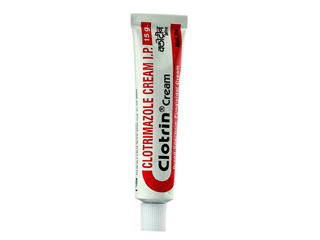
- Common forms: Cream, ointment, solution, pessary/vaginal tablet (depending on product brand), lozenges (for mouth/throat)
- Common uses: Athlete’s foot, ringworm, fungal skin infections, vaginal thrush, oral thrush (depending on form)
- How it works: Disrupts fungal cell membranes and blocks essential fungal processes
- Where it’s used: On skin or mucosal areas, depending on the formulation
Basic product information
In Australia, clotrimazole products are commonly available as non-prescription medicines (depending on strength and formulation). Brand names and strengths vary; always check the label or packaging for the exact product you are using.
| Category | Details |
|---|---|
| Generic name | Clotrimazole |
| Medicine class | Antifungal (imidazole) |
| Typical routes | Topical (skin), intravaginal (vaginal preparations), oral (lozenges/solutions depending on product) |
| Common dosage forms | Cream, ointment, solution, vaginal tablet/pessary, lozenges |
| Who it’s for | Adults and children (age depends on formulation—check product label) |
How clotrimazole works (mechanism of action)
Clotrimazole belongs to the imidazole class of antifungals. Fungi rely on a substance called ergosterol to build and maintain their cell membranes. Clotrimazole interferes with the steps needed to produce ergosterol, weakening the fungal cell membrane.
This leads to fungal cell damage and prevents the organism from multiplying. Depending on the infection and concentration, clotrimazole can be fungistatic (slowing growth) or fungicidal (killing) for susceptible fungi.
What types of fungi are covered?
Clotrimazole is used for many common fungal infections, including conditions caused by dermatophytes (ringworm/athlete’s foot) and Candida (such as thrush).
Pharmacokinetics (how the body handles it)
Pharmacokinetics describe what the body does with a medicine—absorption, distribution, metabolism, and elimination. With clotrimazole, most products are applied to a specific area (skin or mucosa), so systemic absorption is generally low.
- Absorption: Topical clotrimazole is absorbed to a limited extent through skin. Absorption may be higher with inflamed or broken skin, or if used on large areas.
- Distribution: Because absorption is limited, the medicine’s effects are mainly local.
- Metabolism: Any absorbed clotrimazole is metabolised in the body (primarily in the liver).
- Elimination: Metabolites are mainly cleared via the kidneys and/or bile, depending on the individual and route.
If you have concerns about use in pregnancy, breastfeeding, or for children, always check the product label and ask a pharmacist for advice.
Typical uses of clotrimazole in Australia
The exact indication depends on the formulation (skin cream vs vaginal tablets vs lozenges). Common uses include:
- Skin fungal infections: athlete’s foot (tinea pedis), ringworm (tinea corporis), jock itch (tinea cruris), and other superficial fungal infections.
- Vaginal thrush (Candida): intravaginal clotrimazole products may be used for symptoms such as itching, soreness, and discharge consistent with vulvovaginal candidiasis.
- Oral thrush: some clotrimazole preparations are used for thrush in the mouth (depending on the product available).
Indications by formulation (general guidance)
Always use the specific product indicated for your symptoms:
| Formulation | Common indication(s) | Where you use it |
|---|---|---|
| Clotrimazole cream/ointment/solution | Dermatophyte infections (athlete’s foot, ringworm), other superficial fungal infections | Skin |
| Clotrimazole vaginal tablet/pessary | Vaginal thrush (vulvovaginal candidiasis) | Vagina (intravaginal) |
| Clotrimazole lozenges/other oral form | Oral thrush | Mouth/throat |
Timing: when to apply and how long to use it
Clotrimazole works best when used consistently for the full course listed on the packaging. Many fungal infections improve before treatment is finished. Stopping early can lead to recurrence.
Typical timing principles
- Start early: Apply or use as soon as you recognise the infection.
- Don’t stop when symptoms improve: Continue for the full recommended duration.
- Apply regularly: Follow the frequency exactly (e.g., once or twice daily depending on the product).
- Maintain coverage: For skin infections, apply to the affected area and a small margin around it.
Expected improvement
Many patients notice improvement within a few days for mild skin infections, while thrush or more stubborn infections may take longer. If symptoms worsen or show no improvement within the timeframe stated on the product label, seek pharmacist advice.
Food interactions
Food interactions are generally not a major concern for topical clotrimazole products used on skin. For oral formulations (such as lozenges), food and drink may affect comfort and adherence rather than drug absorption in a major way.
- Topical skin products: You can usually eat and drink normally.
- Oral products: Follow the product instructions. Some oral antifungal treatments advise avoiding food/drink for a short period around dosing to maximise contact time.
- Vaginal products: Food does not directly interact; however, general wellbeing and hydration can support recovery.
Alcohol and medicine interactions
Clotrimazole is not typically associated with the same kinds of alcohol interactions seen with some other medicines (for example, drugs that trigger unpleasant reactions with alcohol). That said, alcohol can worsen certain conditions by affecting hygiene and immune response, and it may contribute to irritation or dryness in some people.
Practical points
- Alcohol with topical/vaginal clotrimazole: No common direct interaction is expected.
- Oral thrush treatment: Alcohol may irritate mouth tissues, potentially increasing discomfort.
- Avoid putting medicines on broken skin unnecessarily: This can increase irritation and absorption.
If you’re taking other medications, it’s always wise to check with your pharmacist—especially if you have a complex medical history. Even though systemic absorption is generally low, individual situations can vary.
Dosing: how to use clotrimazole correctly
Dosing depends strongly on the formulation, strength, infection type, and age. The instructions on the product packaging are the best guide for your specific medicine.
General dosing principles for skin infections (cream/ointment/solution)
- Clean and dry the area before applying.
- Apply a thin layer to the affected area and a small surrounding margin.
- Wash your hands after application (unless treating your hands).
- Use the medicine at the same times each day for best adherence.
- Do not bandage tightly unless your pharmacist instructs you to do so.
General dosing principles for vaginal thrush (vaginal tablet/pessary)
- Use the exact dose and duration listed on the product label.
- Prefer to insert at a time when you can remain lying down briefly (varies by product).
- You may notice leakage of the treatment after insertion—this can be normal.
- Use a pantyliner if needed.
General dosing principles for oral thrush (lozenges/oral form)
- Allow the medicine to dissolve or remain in contact with the affected areas as directed.
- Avoid eating or drinking immediately before/after if advised on the pack.
- Maintain oral hygiene but avoid aggressive rinses that cause irritation.
Missed dose: If you miss an application, apply/use it when you remember unless it’s close to the next dose. Do not double up. Keep to the schedule from then on.
Practical use tips for best results
- Keep the area dry: Fungi thrive in warm, moist environments. For athlete’s foot, change socks regularly and dry between toes.
- Don’t share towels: This helps prevent spread to others or reinfection.
- Wash bedding and clothing: Regular laundering can help reduce fungal reservoirs.
- Wear breathable footwear: Rotate shoes and consider drying them well.
- Finish the full course: Recurrence is common if treatment is stopped early.
- If symptoms return quickly: Consider whether the original diagnosis is correct. Some conditions mimic fungal infections (eczema, psoriasis, bacterial infections).
Safety profile: who should be careful and what to watch for
Clotrimazole is generally well tolerated when used as directed. However, like all medicines, it can cause side effects in some people. Always check the leaflet for complete details for your specific product.
Common side effects
- Local irritation: burning, stinging, redness, or mild swelling at the application site.
- Itching or dryness: especially if the skin is sensitive.
- Vaginal discomfort: for intravaginal products, mild irritation may occur.
- Oral discomfort: with oral products, some people experience irritation or taste changes.
Serious side effects (seek advice urgently)
- Signs of allergy: rash spreading rapidly, hives, facial/lip swelling, difficulty breathing.
- Severe or worsening symptoms: significant swelling, blistering, or intense pain that doesn’t settle after stopping and seeking advice.
When to avoid or seek guidance before use
- Unclear diagnosis: If you’re not sure it’s fungal (e.g., fever, pus, rapidly spreading redness), seek pharmacist or doctor advice.
- Large areas or broken skin: ask a pharmacist if you need to treat extensive areas or open wounds.
- Recurrent infections: repeated thrush or persistent rash may require further assessment.
- Children: use only if the product is labelled for the child’s age.
- Pregnancy and breastfeeding: many patients can use clotrimazole, but always check the specific product advice and seek guidance if unsure.
- Immunocompromised individuals: if you have diabetes, HIV, or are using immune-suppressing medications, ask a pharmacist or clinician for advice about diagnosis and treatment duration.
Alcohol and medicine interactions: what to know
For most clotrimazole products, major medicine interactions are not commonly expected due to limited systemic absorption. However, interactions can still matter for certain individuals and formulations, particularly if other medicines are used in the same area or if you have conditions that affect absorption.
- Condoms and vaginal products: Some intravaginal antifungal preparations may weaken latex condoms or diaphragms. Check the product label for specific guidance on contraception during treatment.
- Other topical products: Avoid layering multiple creams on the same spot unless advised.
- If you take multiple antifungals: Do not combine products unless directed. Overlapping treatments can increase irritation without improving outcomes.
If you have a list of medicines (including herbal products), consider bringing it to your pharmacist to check for any specific concerns.
Alternatives to clotrimazole
Depending on the infection type and location, there are alternative antifungal options. Availability varies by brand and strength in Australia. Your pharmacist can help you choose the best option for your symptoms.
Common alternatives
- Miconazole: another antifungal imidazole used for similar fungal infections.
- Terbinafine: often used for dermatophyte infections (commonly athlete’s foot/ringworm) with different dosing patterns.
- Nystatin: sometimes used for Candida infections, especially oral thrush (depending on local availability and formulation).
- Other antifungals: ketoconazole and others may be options depending on formulation and your specific diagnosis.
Choice may depend on:
- the suspected organism (dermatophyte vs Candida)
- how much area is involved
- your symptoms and severity
- what products are suitable for the age group and body area
Market and legal context in Australia
In Australia, access to medicines depends on their scheduling and regulatory classification. Many antifungal products, including some clotrimazole formulations, are available as non-prescription medicines. Some forms may be listed differently depending on strength or indication.
Medicines in Australia are regulated under the Therapeutic Goods Administration (TGA). Non-prescription products are typically supplied with consumer information, including indications, dosing, and safety directions.
For the most accurate details for your exact product, refer to the packaging or ask your pharmacist, as brands and strengths differ.
Recent guidance and best-practice advice (general)
Ongoing clinical guidance commonly emphasises the following principles when treating fungal infections:
- Confirm the diagnosis when unsure: fungal symptoms can resemble eczema, psoriasis, dermatitis, bacterial skin infections, or sexually transmitted infections (for genital symptoms).
- Use the correct formulation: skin, vaginal, and oral formulations are not interchangeable.
- Use consistent duration: complete the recommended course to reduce recurrence.
- Seek review if persistent: if symptoms don’t improve within the expected period, reassessment is recommended.
- Consider contributing factors: moisture, tight footwear, irritants, antibiotics, diabetes, immune conditions, and hygiene routines may affect recurrence.
Delivery and availability (online pharmacy)
Clotrimazole is generally available from pharmacies and online retailers in Australia, depending on the specific formulation. Delivery times and availability vary by location, stock levels, and carrier service.
- Availability: Common products are often readily available.
- Delivery: Typically provided within standard shipping timeframes shown at checkout.
- Packaging: Products are supplied in sealed retail packaging with consumer medicine information.
- Cold chain: Usually not required for topical or vaginal clotrimazole products.
If you need a particular formulation (for example, skin cream vs vaginal preparation), check the product description carefully to ensure it matches your symptoms.
FAQ about clotrimazole
1. What is clotrimazole used for?
Clotrimazole is an antifungal medicine used for superficial fungal infections. Common uses include athlete’s foot, ringworm, jock itch (depending on the skin product), vaginal thrush (for vaginal preparations), and oral thrush (for suitable oral forms).
2. How quickly should I feel better?
Some people notice improvement within a few days, but complete resolution may take longer. Skin infections often need a full course even after symptoms improve. If there is no improvement within the timeframe on the label, consult a pharmacist.
3. Can I use clotrimazole if I’m not sure it’s a fungal infection?
It’s best to use clotrimazole when your symptoms and appearance are consistent with a fungal infection. If your rash is rapidly spreading, very painful, oozing, accompanied by fever, or you’re unsure—seek advice rather than treating blindly.
4. Is clotrimazole safe for children?
Some clotrimazole products are labelled for children, but age approvals vary by formulation and strength. Always check the packaging and ask a pharmacist if you’re unsure.
5. Can I use clotrimazole during pregnancy or breastfeeding?
Many clotrimazole products can be used during pregnancy or breastfeeding when needed, but it depends on the specific product and route. Check the consumer medicine information and ask a pharmacist or clinician if you have questions.
6. Does clotrimazole interact with condoms or diaphragms?
Some intravaginal medicines can weaken latex products. Review the product label for contraception guidance during treatment, and ask a pharmacist if you’re unsure.
7. Can I drink alcohol while using clotrimazole?
A direct alcohol interaction is not commonly expected with clotrimazole, especially for topical products. However, alcohol may irritate tissues (particularly for mouth/throat preparations) and may affect comfort. Use alcohol in moderation and stop if you notice worsening irritation.
8. What if symptoms come back after treatment?
Recurrence can happen due to incomplete treatment, reinfection, or an incorrect initial diagnosis. Check you used the full course and practised prevention (dryness, hygiene, footwear/towel care). If infections recur frequently, seek further advice.
9. Should I stop treatment if there’s mild irritation?
Mild burning or irritation can occur. If symptoms are tolerable, you can usually continue briefly while monitoring. If irritation becomes severe, you develop a widespread rash, or you suspect allergy, stop and seek advice immediately.
10. Can I use clotrimazole with other creams?
Avoid applying multiple products to the same area at the same time unless instructed. If you’re using emollients or barrier creams, space them out and ask your pharmacist for a clear routine.
When to seek medical advice
While clotrimazole can be effective for many fungal infections, some situations require prompt professional review. Seek advice if:
- symptoms worsen or do not improve within the expected period on the product label
- you develop fever, significant pain, spreading redness, or pus
- you have recurrent thrush or persistent vaginal symptoms
- you have a weakened immune system
- you’re unsure about the diagnosis
Summary
Clotrimazole is an antifungal medicine used to treat a variety of fungal infections, including skin infections and thrush (depending on formulation). It works by disrupting essential processes in the fungal cell membrane. When used consistently and for the full recommended duration, it can help clear infections and reduce the chance of recurrence.
If you have any doubts about which formulation to choose, how long to use it, or whether your symptoms match a fungal infection, a pharmacist can help you select the most appropriate product and provide safe, practical guidance.