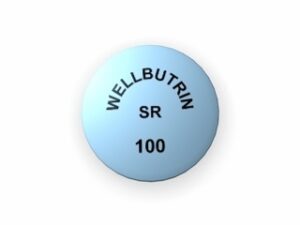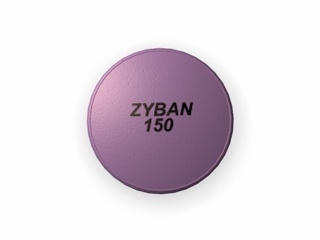
Zyban (Bupropion) — Patient-Friendly Guide (Australia)
Zyban contains bupropion and is used to help people stop smoking. This guide explains how the medicine works, how it’s taken, safety considerations, and practical tips to support quitting. It is written for Australian patients and reflects common clinical practice and regulatory expectations in Australia.
| What you should know | Details |
|---|---|
| Brand name | Zyban |
| Active ingredient | Bupropion (extended release) |
| Main use | Smoking cessation support (helping reduce cravings and withdrawal symptoms) |
| Typical form | Tablets for oral use, usually extended-release dosing |
| Common dosing approach | Started before the quit date, then continued as directed |
| Key safety focus | Seizure risk (higher with certain risk factors), interactions with alcohol/other medicines |
| Food | Can generally be taken with or without food; avoid heavy alcohol use |
Basic product information
Zyban is a medicine that contains bupropion. It is best known for supporting smoking cessation. Unlike nicotine replacement therapies, Zyban does not provide nicotine; instead, it helps change brain chemistry related to cravings and withdrawal.
In Australia, Zyban is supplied through community pharmacy channels in accordance with local medicines requirements. Your pharmacist can advise on availability, strengths, and how to use the product correctly.
How Zyban works (mechanism of action)
Bupropion helps reduce the urge to smoke and eases withdrawal symptoms by affecting specific neurotransmitters in the brain, especially:
- Norepinephrine (noradrenaline) and dopamine pathways
- Reuptake inhibition of these neurotransmitters (the brain receives/retains them longer)
- Modulation of nicotine craving circuits, which may reduce smoking urges and irritability
The overall effect is not an instant “calming” action like some sedating medicines. Instead, it supports smoking cessation over time, which is why starting before the quit date matters.
Pharmacokinetics (how the body processes it)
While individual responses vary, the key points below explain typical behaviour in the body:
- Extended-release formulation: Zyban is formulated to release bupropion gradually, helping maintain steadier blood levels.
- Metabolism: Bupropion is metabolised primarily in the liver. It forms active metabolites, including hydroxybupropion, which contribute to the overall effect.
- Elimination: Metabolites are removed largely by the kidneys (urine).
- Time to steady effect: Because steady levels build with consistent dosing and because quitting is planned, benefits are typically assessed over days to weeks rather than hours.
Your clinician may adjust the approach if you have liver or kidney impairment or other relevant risk factors.
Typical use in smoking cessation: what it’s indicated for
Zyban is used to help people stop smoking. It may be offered when you want support beyond behavioural strategies or when you choose not to use nicotine replacement therapy.
Important: Medicines work best alongside a quit plan (support, triggers management, and coping strategies).
Who may benefit
- People who want to quit and are motivated to attempt quitting
- People who have tried to quit before and want additional support for cravings and withdrawal
- People who may prefer a non-nicotine option
Timing: starting before your quit date
A common strategy is to start Zyban before your target quit date. This allows time to reach effective blood levels and to prepare for the quit attempt.
Typical timing concepts (your prescriber/pharmacist may tailor this):
- Start phase: Begin Zyban according to the standard plan. Early doses may be lower initially to improve tolerability.
- Quit date: Choose a specific date and aim to stop smoking on or around that time.
- Maintenance: Continue for the recommended duration to support abstinence and prevent relapse.
If you miss a dose or your schedule is disrupted, ask your pharmacist for advice specific to your dosing pattern.
How to take Zyban (dosing guidance)
Dosing must be individualised. However, the following provides general expectations used in many smoking cessation regimens:
- Do not crush or split extended-release tablets. Swallow whole with water.
- Follow the exact schedule on your label. The timing and number of tablets per day matter.
- Adherence is important: consistent dosing helps reduce cravings and withdrawal symptoms.
In many regimens, Zyban is started at a lower dose and increased after several days. Your pharmacist or clinician can confirm the exact strength and schedule for the product you receive.
Common dosing principles
- Evening dosing: Because some people find it activating, dosing may be planned earlier in the day. If insomnia occurs, discuss dose timing with your pharmacist.
- Maximum daily amount: Follow the maximum daily dose provided by your medication instructions.
- Stop-and-seek advice if severe side effects occur: seek prompt help for concerning symptoms (see safety section below).
Food interactions
Zyban can usually be taken with or without food. Taking it with food may reduce stomach upset for some people.
- Try to be consistent with how you take it (with or without food) to make side effects easier to predict.
- Stay hydrated and take tablets with a full glass of water.
Alcohol and medicine interactions
Alcohol interactions are a key safety concern with bupropion. Alcohol may increase the risk of adverse effects, including seizures in susceptible individuals.
Alcohol
- Strongly consider reducing or avoiding alcohol while using Zyban.
- If you have a history of heavy alcohol use, binge drinking, or alcohol withdrawal, discuss this with your pharmacist or clinician before using Zyban.
- Be cautious: the combination can also worsen mood changes, sleep disruption, and impaired coordination.
Other medicine interactions (important)
Zyban can interact with several medicines and substances. Interactions may change medicine levels or increase side effect risks. Examples include:
- Other antidepressants and medicines that affect brain chemistry (risk of overlapping side effects or increased adverse effects)
- Medicines that lower seizure threshold (including some antipsychotics, stimulants, and certain antibiotics)
- Medications that are strong enzyme inducers or inhibitors may affect bupropion levels
- Some nicotine replacement products: generally can be used together under guidance, but discuss your plan with your pharmacist or clinician
Always keep an up-to-date list of your medicines (including over-the-counter products and herbal supplements) and review it with your pharmacist.
Do not start, stop, or change doses of other medicines without advice when you are using Zyban.
Safety profile: side effects and when to seek help
Most people tolerate Zyban reasonably well, but it can cause side effects. Some are more common early in treatment; others are serious and require urgent medical attention.
Common side effects
- Dry mouth
- Insomnia or sleep disturbance
- Headache
- Nausea or stomach upset
- Increased sweating
- Agitation or feeling “wired”
- Constipation
These effects often improve after the first days to weeks. If they persist or are troublesome, talk to your pharmacist about options such as adjusting timing (not dose) or addressing contributing factors.
Less common but serious risks
- Seizures: Bupropion can increase seizure risk, especially with certain risk factors (e.g., eating disorders, abrupt alcohol cessation, head injury, or use of other seizure-risk medicines).
- Allergic reactions: swelling of the face/lips, rash, or difficulty breathing requires urgent assessment.
- Mood changes: report new or worsening depression, unusual behaviour, or agitation.
- High blood pressure: some people may develop increased blood pressure; regular monitoring may be advised for those at risk.
- Visual symptoms or severe dizziness: seek medical advice promptly.
Seek urgent medical help if you experience signs of seizure, severe allergic reaction, chest pain, fainting, or severe worsening mood.
Safety considerations: who should be extra careful
Zyban may not be suitable for everyone. Discuss your medical history with your pharmacist or clinician, especially if you have:
- A history of seizures or conditions that increase seizure risk
- Eating disorders (such as bulimia or anorexia nervosa)
- Significant liver impairment (dose adjustments may be required)
- Heavy alcohol use or risk of alcohol withdrawal
- Use of other medicines that may lower seizure threshold
- A history of bipolar disorder or episodes of mania/hypomania
- Any prior serious reaction to bupropion
This is not exhaustive—your healthcare professional can assess suitability based on your individual risk profile.
Practical use tips for better outcomes
Zyban is most effective when combined with a structured quit plan. Consider the following practical strategies:
- Plan your quit day: pick a date and tell friends/family. Remove cigarettes and lighters from easy reach.
- Identify triggers: coffee, alcohol, stress, driving, or certain social situations often trigger cravings.
- Use “delay and distract”: when cravings hit, delay for 5–10 minutes and do something physical (walk, stretch, chew sugar-free gum).
- Have coping tools ready: stress ball, water bottle, phone a support person, or a short routine for high-risk moments.
- Track lapses without quitting your plan: if you smoke once, treat it as information, not failure—reset and continue.
- Sleep matters: poor sleep can increase cravings. If insomnia occurs, discuss timing with your pharmacist.
Managing early side effects
- If you feel “too energised,” ask about taking the dose earlier in the day.
- For nausea, taking with food may help.
- For headache, hydration and regular meals can help—seek advice if severe or persistent.
Alternative options for smoking cessation (Australia)
Several effective approaches are available. Depending on your preferences and medical history, your pharmacist/clinician may recommend one or a combination of:
- Nicotine Replacement Therapy (NRT)
- Nicotine patches, gum, lozenges, inhalators, or sprays
- Often used alone or alongside other supports
- Varenicline
- A prescription medicine that reduces cravings and the rewarding effects of cigarettes
- Counselling and behavioural support
- Quitline and local support services can improve success rates
- Combination therapy
- Some people benefit from combining medications and structured behavioural support
If Zyban isn’t suitable or isn’t working, alternative treatments may be considered. Discuss options with a healthcare professional.
Market and legal context in Australia (high-level overview)
In Australia, medicines are regulated through the Therapeutic Goods Administration (TGA). Product supply and use must align with approved uses and prescribing/dispensing requirements set out by Australian law and professional standards.
For quitting smoking, pharmacies commonly support patients through education on correct use, side effect monitoring, and interactions with other medications. Always check that you are using the correct formulation and that it matches the instructions provided with your supply.
Recent guidance and care approach (what to expect)
Smoking cessation guidance in Australia generally emphasises:
- Individualised treatment selection based on medical history, prior quit attempts, and preferences
- Combining medication with behavioural support where possible
- Monitoring for side effects and adjusting strategies if problems occur
- Safety screening for contraindications and interactions
Because guidance can evolve, your pharmacist may provide up-to-date advice at the time of dispensing. If you have questions about whether Zyban is appropriate for you now, ask before starting.
Delivery and availability (online pharmacy)
Availability of Zyban can vary by stock levels and formulation. For online purchases in Australia, medicines are typically supplied with delivery options based on location and scheduling.
- Confirm product details (strength and formulation) before completing your order.
- Delivery tracking may be provided depending on the pharmacy.
- Storage: store at room temperature, protect from excess heat and moisture, and keep out of reach of children.
- Check packaging: ensure expiry dates and intact packaging before use.
FAQ about Zyban (Bupropion) for quitting smoking
1) When will I start feeling benefits?
Many people notice changes in cravings and withdrawal symptoms over the first days to weeks. Because Zyban is often started before the quit date, benefits build as the medicine reaches steady levels and as you begin the quit process.
2) Can I still smoke while starting Zyban?
In many plans, smoking is stopped on the agreed quit date. Your clinician/pharmacist will confirm your specific timeline. Until your quit date, aim to follow the plan you’ve been given.
3) What if I miss a dose?
It depends on how close the missed dose is to your next scheduled dose. Do not double up unless your pharmacist advises. If you are unsure, ask your pharmacist for guidance based on your dosing schedule.
4) Can I take Zyban with food?
Usually yes. Taking with food may help if you experience nausea. Keep your routine consistent.
5) Is it safe with alcohol?
Alcohol can increase the risk of serious side effects, including seizures, and may worsen sleep and mood. It’s generally safer to reduce or avoid alcohol while taking Zyban. If you drink regularly or have concerns about alcohol withdrawal, discuss this with a healthcare professional before starting.
6) Will Zyban interact with my other medications?
It can. Interactions may occur with antidepressants, medicines that affect seizure threshold, and drugs that affect liver enzymes. Tell your pharmacist about all medicines you take, including over-the-counter products and herbal supplements.
7) What should I do if I get insomnia?
Insomnia is a common side effect. Discuss dosing time adjustments with your pharmacist. Good sleep habits (regular bedtime, limiting caffeine later in the day) can also help.
8) What are signs that I should get urgent help?
Seek urgent help for seizure, severe allergic reaction (swelling, breathing difficulty), fainting, severe chest symptoms, or sudden severe mood changes.
9) How long is Zyban usually taken for?
Duration depends on your quitting plan and response. Many smoking cessation regimens involve several months of treatment support, but your clinician/pharmacist will provide a schedule tailored to you.
10) Are there alternatives if Zyban isn’t right for me?
Yes. Alternatives include nicotine replacement therapy, varenicline, and behavioural counselling supports. Your pharmacist can help compare options based on your preferences and safety profile.
Summary
Zyban (bupropion) is a non-nicotine medicine used to support smoking cessation by reducing cravings and withdrawal symptoms. Successful quitting usually involves not only medication but also a quit plan, trigger management, and ongoing support. Pay attention to safety—especially seizure risk and alcohol interactions—and review all medicines with your pharmacist before starting.
If you have questions about how to use Zyban safely or whether it’s appropriate for your situation, speak with a pharmacist or healthcare professional in Australia.