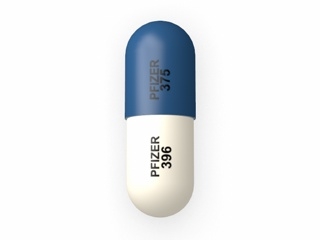

Geodon (Ziprasidone) — Patient Information (Australia)
Geodon is a brand of ziprasidone, an antipsychotic medicine used to treat certain mental health conditions. This page explains how Geodon works, how it is taken, key safety information, and practical tips to help you use it effectively.
This information is general and may not cover every individual situation. If you have questions about your specific treatment, talk to your treating clinician.
Quick overview
- Medicine: Ziprasidone (Geodon)
- Medicine type: Atypical (second-generation) antipsychotic
- Used for: Schizophrenia; bipolar disorder (manic or mixed episodes and maintenance in certain patients)
- Key practical point: Take with food (helps absorption)
- Common forms: Oral capsules (strengths vary by product availability)
Basic product information
Geodon contains ziprasidone. In Australia, ziprasidone is supplied as medicines listed on the Australian Register of Therapeutic Goods (ARTG). Availability and brand presentation can vary by pharmacy and supply arrangements.
| Feature | Information |
|---|---|
| Active ingredient | Ziprasidone |
| Class | Second-generation (atypical) antipsychotic |
| How it’s taken | Oral capsules (swallowed whole) |
| Food requirement | Absorption is improved when taken with food |
| Common dosing schedule | Typically twice daily (depending on indication and regimen) |
How Geodon works (mechanism of action)
Ziprasidone helps manage symptoms by affecting several brain chemical pathways, particularly those involving:
- Dopamine (D2) receptors: influences thought, motivation, and perception.
- Serotonin (5-HT) receptors: helps regulate mood, anxiety, sleep and perception.
It also has other receptor activity that contributes to its overall antipsychotic effect. This combined activity helps reduce symptoms such as hallucinations, delusions, agitation, and mood instability in appropriate conditions.
Typical uses and indications
Geodon is used for the treatment of:
- Schizophrenia in adults (helping reduce psychotic symptoms).
-
Bipolar disorder in selected patients, including:
- manic or mixed episodes
- maintenance treatment in certain situations to help reduce recurrence
The exact suitability depends on factors such as your diagnosis, symptom pattern, other medical conditions, and past medication responses.
When does it start working? (timing)
Response to antipsychotic treatment can vary. Many people notice early changes such as reduced agitation or improved sleep within the first days to weeks, but stronger symptom improvement often takes:
- Several weeks for more noticeable improvements in core symptoms
- Up to a few months to reach maximal benefit for some individuals
It is important to continue taking Geodon consistently while your clinician adjusts the dose if needed. Do not stop suddenly without advice, as symptoms may return and withdrawal effects can occur.
How to take Geodon (dosing and administration)
Dosing is individual. Your clinician will decide the best dose for you and may adjust it based on symptom response and tolerability. The information below provides general guidance only.
Typical dosing approach (general)
- Adults with schizophrenia or bipolar disorder: dosing commonly starts lower and may be increased gradually.
- Frequency: often twice daily.
- Maximum daily dose: depends on indication, patient factors, and the specific product instructions used in Australia.
Food requirement (important)
Ziprasidone absorption is significantly improved when taken with food. To help your body absorb the medicine properly:
- Take Geodon with meals or shortly after starting a meal.
- Try to keep the timing of doses similar each day.
If you skip food, the medicine may not absorb as well, which can reduce effectiveness. If you often eat irregularly, ask your clinician or pharmacist for practical strategies.
Swallowing and missed doses
- Swallow capsules whole with water.
- Do not crush or open unless your product instructions specifically allow it.
If you miss a dose:
- Take it when you remember if it’s close to the next scheduled time and you can take it with food.
- If it is nearly time for the next dose, skip the missed dose and continue your regular schedule.
- Do not double up to make up for a missed dose.
Food and medication interactions
Food interactions
The major food interaction with ziprasidone is that it should generally be taken with food to improve absorption. In practical terms, taking Geodon on an empty stomach may lead to lower blood levels.
Alcohol interactions
Alcohol can worsen side effects related to the brain and body, such as:
- drowsiness or sedation
- dizziness
- slower reaction times
- impaired coordination
It may also affect mood and sleep, which can complicate recovery. For these reasons, it is usually advised to limit or avoid alcohol unless your clinician says otherwise.
Other medicine interactions
Ziprasidone can interact with other medicines, including those that can affect heart rhythm and blood levels. Tell your pharmacist or clinician about all medicines you take, including:
- prescription medicines
- over-the-counter products
- herbal supplements (e.g., St John’s wort)
- vitamins or minerals
Key interaction themes:
- Medicines that affect heart rhythm (the heart’s electrical activity/QT interval). Combining ziprasidone with other QT-prolonging medicines may increase risk.
- Strong enzyme inhibitors/inducers that change how ziprasidone is metabolised.
- Medicines that lower potassium or magnesium (for example, some diuretics), which may increase the risk of rhythm problems—especially if you already have low electrolyte levels.
Your pharmacist can screen your current medication list for interaction risk before you start or continue treatment.
Pharmacokinetics (how your body processes it)
Pharmacokinetics describes what happens after you take a medicine: absorption, distribution, metabolism, and elimination. Understanding these can help explain practical instructions such as taking with food.
Absorption
- Ziprasidone is absorbed after oral dosing, with higher exposure when taken with food.
- Without food, blood levels may be lower, potentially reducing the medicine’s effect.
Distribution
- It distributes throughout the body and can bind to tissues; the clinical implications are mainly reflected in dose decisions and side-effect monitoring.
Metabolism
- Ziprasidone is metabolised primarily in the liver by enzyme pathways that can be affected by interacting medicines.
Elimination
- The medicine and its metabolites are removed mainly via renal (kidney) and faecal (bile/intestine) routes.
- Kidney or liver function can influence how safely and effectively it is handled, so clinicians may adjust treatment or monitor more closely.
Safety profile: important risks and side effects
Like all medicines, Geodon can cause side effects. Many are mild and improve over time, but some need urgent attention. If you experience concerning symptoms, contact your clinician promptly or seek emergency care where appropriate.
Common side effects
- sleepiness or fatigue
- dizziness
- headache
- restlessness or feeling “on edge” (akathisia)
- nausea
- constipation or indigestion
Metabolic and weight-related effects
Some antipsychotics can affect weight and metabolic parameters (such as blood sugar and lipids). Ziprasidone may have a lower risk of weight gain than some other antipsychotics, but risk can still occur.
- Clinicians may monitor weight, waist circumference, glucose, and cholesterol periodically.
- Healthy diet and regular activity can support overall wellbeing.
Heart rhythm (QT interval) — a key safety concern
Ziprasidone may prolong the QT interval in some people, which can rarely lead to dangerous heart rhythm problems. Risk may be higher if you:
- have existing heart rhythm conditions
- have low potassium or magnesium levels
- take other medicines that also prolong QT
- have significant dehydration or certain electrolyte disorders
Your clinician may consider an ECG (heart tracing), especially if you have risk factors or are starting dose changes.
Neurological and movement-related effects
- Extrapyramidal symptoms (EPS) such as tremor, stiffness, or slowed movements.
- Akathisia (inner restlessness), which may worsen early in treatment.
- Tardive dyskinesia (involuntary movements) with long-term use—monitoring is important.
Serotonin/NMS-like and other rare reactions
Rare but serious reactions can occur with antipsychotics. Seek urgent medical help if you develop:
- high fever, severe muscle stiffness, confusion (possible neuroleptic malignant syndrome)
- unusual muscle movements with fever or agitation
- fainting, severe palpitations, or sudden dizziness (possible serious rhythm problem)
Allergy symptoms
- Seek urgent advice if you develop swelling of face/lips, difficulty breathing, or widespread rash.
Practical use tips (to get the best results)
- Take with food every time: This is one of the most important practical steps for consistent effectiveness.
- Use a daily routine: Link doses to meals (e.g., breakfast/dinner) to improve adherence.
- Avoid sudden stopping: If you want to change or stop, discuss a plan with your clinician.
- Track early side effects: If you feel very drowsy, restless, or unwell, tell your pharmacist/clinician—dose adjustments or strategies may help.
- Hydration and electrolytes: Stay hydrated, especially during illness or hot weather. If you have vomiting/diarrhoea, seek advice about medication continuation and electrolytes.
- Heart health awareness: Inform your clinician about palpitations, fainting, or known heart problems.
- Do not mix without checking: Before starting any new medicine (including anti-nausea medicines, antibiotics, antifungals, or migraine treatments), ask about interaction risk.
Pharmacy and lifestyle considerations
Driving and operating machinery
Ziprasidone can cause drowsiness or dizziness in some people. Until you know how you respond, use caution when driving or operating machinery.
Smoking and caffeine
Smoking and caffeine do not generally require the same level of caution as with some other antipsychotics, but overall health and medication tolerance can still vary by person. If you change your smoking habits, tell your clinician.
Illness, vomiting, and missed meals
If you are unwell and cannot eat normally, your ziprasidone absorption may be affected. Contact your clinician or pharmacist for advice on what to do in your situation.
Alternative options (if Geodon isn’t suitable)
Treatment depends on your diagnosis, symptom pattern, previous responses, and side-effect risks. If Geodon isn’t suitable, clinicians may consider other antipsychotics or mood-stabilising strategies.
Possible alternatives (examples)
- Other atypical antipsychotics (choice depends on your risk factors and how you respond)
- For bipolar disorder: combinations may include mood stabilisers (e.g., lithium or anticonvulsants) alongside or instead of antipsychotics
- Psychological supports (for example, structured therapy and relapse prevention plans) may be used alongside medication
Your pharmacist can discuss options available in Australia and help you understand differences in dosing frequency, side-effect profiles, and food requirements.
Market and legal context in Australia (important notes)
In Australia, antipsychotic medicines including ziprasidone are regulated under national standards for safety, quality, and supply. Medicines are listed in the Australian regulatory system through the Therapeutic Goods Administration (TGA).
Availability, subsidisation under Pharmaceutical Benefits Scheme (PBS), and brand presentation can vary. Your pharmacy can confirm current supply details and the most cost-effective options that apply to you.
Supply may change over time, and in-demand items may involve standard logistics delays. Online pharmacies typically provide an estimated dispatch time and notify customers if stock levels are temporarily limited.
Recent guidance and monitoring (Australia-focused)
Antipsychotic use commonly involves ongoing monitoring to improve safety and effectiveness. While individual practices vary by clinic and patient risk profile, common monitoring themes in current Australian clinical practice include:
- Weight and metabolic monitoring: baseline and periodic checks for weight, blood glucose, and lipids.
- Cardiac risk assessment: ECG considerations may be used in patients with risk factors or when clinically indicated (e.g., dose changes or interacting medicines).
- Movement-related symptom checks: assessment for EPS and other movement effects over time.
- Medication review: regular review of all medicines to minimise interactions, including QT-prolonging agents.
If you have specific health conditions—especially heart disease, liver problems, kidney impairment, or electrolyte abnormalities—your clinician may adopt a more detailed monitoring plan.
Delivery and availability (online pharmacy guidance)
Online pharmacies in Australia may deliver medicines to eligible areas with tracked postage or courier services. Delivery times depend on:
- stock availability at dispatch
- your location and delivery suburb/postcode
- public holidays and carrier schedules
- order processing time and any required verification steps
To help you avoid delays, order early and ensure your contact details are accurate. If Geodon is temporarily out of stock, many pharmacies can offer:
- alternative available presentations (where applicable)
- expected restock dates
- timely supply support while you continue treatment safely
FAQ
1) Why must Geodon be taken with food?
Ziprasidone absorption is improved with food. Taking it without food may lead to lower blood levels and reduced effectiveness. Taking each dose with meals helps maintain consistent medication exposure.
2) What should I do if I forget a dose?
If you remember soon after the scheduled time, take it with food. If it’s close to the next dose, skip the missed dose and continue as normal. Do not double up.
3) Can I drink alcohol while taking Geodon?
Alcohol may worsen drowsiness, dizziness, and mood symptoms. It’s generally recommended to limit or avoid alcohol unless your clinician advises otherwise.
4) Are there medicines I should avoid with ziprasidone?
Yes. The most important group to discuss is medicines that can affect heart rhythm (QT interval), as well as medicines that change ziprasidone metabolism. Always share your full medication list with your pharmacist before starting new products.
5) Does Geodon cause weight gain?
Weight gain can occur with antipsychotics, but ziprasidone may be less likely to cause significant weight gain than some alternatives. Monitoring weight and metabolic markers is still important.
6) When will I feel better?
Some people notice improvements in agitation, sleep, or restlessness in the first days to weeks. More complete symptom improvement often takes several weeks. Your clinician will assess response over time.
7) What if I feel very restless after starting?
Restlessness can be a side effect (e.g., akathisia). Contact your clinician or pharmacist promptly—there may be dose adjustments or supportive strategies.
8) Is Geodon safe for everyone?
Not necessarily. Safety depends on your health history and other medicines, especially heart rhythm risks, electrolyte levels, liver function, and past side effects. Your clinician will consider these factors before and during treatment.
9) Do I need heart monitoring?
Heart monitoring (often an ECG) may be considered if you have risk factors, are on other QT-prolonging medicines, or if clinically indicated. Your clinician will decide based on your individual profile.
10) Are there alternatives if ziprasidone doesn’t work for me?
Yes. There are other antipsychotic options and, for bipolar disorder, possible combinations with mood stabilisers or other strategies. Your clinician can help choose based on your diagnosis and side-effect tolerance.
Remember: Follow your healthcare professional’s instructions and keep all follow-up appointments. If you experience severe or worsening symptoms, contact urgent medical services.