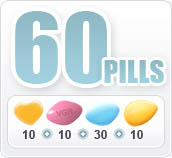

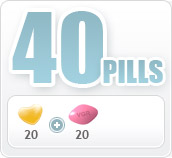
Weekend Pack (Medicines for Weekend Relief) – Patient Guide (Australia)
Weekend Pack is a convenient, pre-arranged supply of medicines designed to help you manage common, short-term symptoms during weekends and other time-limited periods. This guide explains what the Weekend Pack is, how it works, when and how to take it, and important safety information—so you can use it confidently.
Note: Brand names, exact ingredients, and strengths can vary by product line and availability. Always check your pack label and the enclosed consumer medicine information (CMI) for the specific active ingredients and instructions relevant to your purchase.
Basic product information
| Feature | What to know |
|---|---|
| Product name | Weekend Pack |
| Purpose | Time-limited symptom relief for common weekend needs (exact indications depend on ingredients in your specific pack) |
| Form | Usually tablets and/or capsules, supplied in a pre-set schedule |
| Who it’s for | Adults who match the product indications and have no contraindications |
| Availability | Depending on the exact items, it may be supplied via online pharmacies and/or dispensary workflows under Australian regulations |
Important: Because “Weekend Pack” can refer to different pre-packed combinations, verify:
- Active ingredients (names on the label)
- Dose per tablet/capsule
- What symptoms it is intended for
- Your exact dosing schedule
How the Weekend Pack works (mechanism of action)
The mechanism of action depends on the ingredients included in your specific Weekend Pack. Many “weekend symptom packs” in Australia commonly include one or more of the following medicine types (not guaranteed for every product):
- Pain relief and anti-inflammatory medicines (e.g., NSAIDs): reduce pain and inflammation by blocking pathways that produce inflammatory chemicals.
- Antihistamines: help relieve symptoms related to allergic responses by blocking histamine receptors.
- Antacids or acid reducers: help relieve heartburn/indigestion by neutralising stomach acid or reducing acid production.
- Anti-nausea or motion-sickness support: reduce nausea pathways or improve tolerance to triggers.
- Decongestants: narrow blood vessels in the nasal passages to reduce congestion (may be included in some cold/allergy packs).
When you take the medicines as directed, the active ingredients act together to target different symptoms—often with a “day-by-day” or “dose-by-dose” structure built into the pack.
Pharmacokinetics (how the body processes it)
“Pharmacokinetics” describes what happens to a medicine in the body—how it is absorbed, distributed, metabolised, and eliminated. The exact pharmacokinetic profile varies by ingredient. In general for common over-the-counter and pharmacy medicines:
- Absorption: Many oral tablets/capsules begin working within 30 minutes to 1–2 hours, depending on the medicine and whether you take it with food.
- Peak effect: The strongest effect often occurs around the time the medicine reaches peak blood levels.
- Metabolism: Most ingredients are processed in the liver (to different extents) and then converted into metabolites.
- Elimination: Many are cleared via the kidneys (urine) or through bile/faeces.
- Duration: Effects may last several hours, which is why dosing schedules are important.
Why this matters: Understanding onset and duration helps you take doses at the right time—especially on Friday night through Monday morning, which is often when symptom flares occur.
Typical use and indications
The Weekend Pack is intended for the short-term management of symptoms that match the conditions listed in the product CMI for your specific pack.
Common indications for “weekend packs” in Australia may include one or more of the following (again, confirm your exact ingredients):
- Short-term pain relief (headache, minor aches, muscle pain—where suitable)
- Relief of allergy-related symptoms (sneezing, itchy/watery eyes, runny nose—depending on antihistamine content)
- Relief of heartburn and indigestion
- Short-term cold/cough symptom support (if included in your pack)
- Support for nausea/motion sensitivity in appropriate cases
Not for: The Weekend Pack is generally not intended for treating serious, persistent, or worsening conditions. If symptoms are severe, unusual, or last longer than recommended on the pack, seek appropriate medical advice.
When to take it (timing and dosing approach)
Your Weekend Pack will generally be designed around a practical schedule to help you cover the weekend period with fewer planning steps. Follow the dosing instructions on your label exactly. Below is a patient-friendly overview of typical timing principles used for pre-packed schedules.
General timing principles
- Start early: If the pack is for an expected flare, start at the recommended time (often at the first sign of symptoms).
- Space doses evenly: If dosing is multiple times per day, try to keep consistent intervals.
- Do not double up: If you miss a dose, take the next dose at the scheduled time—do not take extra to “catch up,” unless your CMI instructs otherwise.
- Finish the course: If the pack specifies a defined number of days, complete it as directed.
Example schedule (illustrative only)
The exact schedule depends on the pack contents. Use this as an example of how weekend packs are commonly structured:
- Friday evening: First dose (or “Day 1” set)
- Saturday: Continue according to label instructions (morning and/or evening doses)
- Sunday: Continue as specified
- Monday morning/early day: Final dose(s) if included
Always refer to your pack label: It is the source of truth for your dosing schedule.
Food interactions
Food can affect how quickly and how strongly some medicines work. The practical guidance below is common, but your exact product may differ—check the label/CMI for the correct instruction.
Common food-related guidance
- Take with food if: Your pack includes medicines that can irritate the stomach (e.g., some anti-inflammatory or pain-relief medicines). Taking with food may reduce nausea or stomach discomfort.
- Take on an empty stomach if: The CMI specifies that better absorption occurs without food.
- Avoid large meals right with dosing if you feel bloated or nauseated; a smaller meal may be easier on your stomach.
Grapefruit and other foods
Some medicines can interact with specific foods (for example, grapefruit can affect the metabolism of certain drugs). If you have a history of interactions or complex medication use, confirm with the product CMI or speak to a pharmacist.
Alcohol and medicine interactions
Mixing medicines with alcohol can increase the risk of side effects—especially dizziness, drowsiness, stomach irritation, bleeding risk (for certain anti-inflammatories), and liver strain (for some medicines).
General advice
- Limit or avoid alcohol while using the Weekend Pack.
- If your pack includes medicines that cause drowsiness (often antihistamines), avoid alcohol because it can worsen sedation and impair driving.
- If your pack includes pain relievers or anti-inflammatory medicines, alcohol may increase the risk of stomach upset and bleeding.
Driving and operating machinery
If any ingredient may make you drowsy or reduce reaction time, avoid driving or operating machinery until you know how the pack affects you.
Safety profile and who should take extra care
Most people can use pharmacy medicines safely when they follow label instructions. However, the Weekend Pack may not be suitable for everyone. Your safety depends on your medical history, other medicines, and how your body responds.
Common side effects (may include)
- Stomach upset, heartburn, nausea
- Headache
- Dizziness or tiredness
- Dry mouth (sometimes with antihistamines)
- Constipation or changes in bowel habits (some medicines)
Side effects vary by ingredient. If you experience persistent, severe, or concerning symptoms, stop taking the medicines and seek professional advice.
Serious risks (seek urgent help if)
- Signs of allergic reaction (swelling of face/lips, breathing difficulty, widespread rash)
- Severe stomach pain, vomiting blood, or black/tarry stools (possible severe gastrointestinal irritation/bleeding with certain medicines)
- Chest pain, fainting, or severe dizziness
- Unusual bruising, bleeding, or severe weakness
Who should take extra care
Speak with a pharmacist before using the Weekend Pack if you have any of the following:
- History of stomach ulcers, gastrointestinal bleeding, or severe reflux
- Kidney disease, liver disease, or heavy alcohol use
- Asthma sensitive to certain pain-relief medicines
- Glaucoma or urinary retention issues (may matter for some decongestants/antihistamines)
- High blood pressure or heart rhythm issues (important if decongestants are included)
- Pregnancy or breastfeeding (safety may differ by ingredient)
Practical use tips
- Read the label each time: Confirm the active ingredients and your schedule.
- Keep the pack organised: Use the pack’s compartments/order to reduce dosing mistakes.
- Use a reminder: Set phone alarms for each dose—especially if dosing multiple times daily.
- Stay hydrated: Water can help overall comfort and may reduce constipation in some cases.
- Track symptom improvement: Note what improves and what doesn’t. If symptoms are not improving within the expected timeframe, consider alternate options or seek advice.
- Avoid “double dosing”: Check other products (cold & flu remedies, pain relief, antihistamines) to avoid repeating the same active ingredient.
Alternative options
If the Weekend Pack isn’t suitable—or if your symptoms differ—there are often alternative approaches in Australia depending on the underlying cause.
Medication alternatives
- Single-ingredient products: For example, taking a targeted pain reliever instead of a combination pack.
- Non-drowsy vs drowsy options: If antihistamines are included, non-drowsy options may be preferable for work or driving (confirm on the label/CMI).
- Different acid control strategies: If heartburn is the issue, options may include antacids, alginates, or acid reducers.
- Separate allergy/cold treatments: Choose products that match your specific symptoms rather than a broad pack.
Non-medicine measures
- Rest and hydration for colds and general recovery
- Trigger management (for allergies: reduce exposure to pollen/dust where possible)
- Diet adjustments (avoid alcohol, spicy or fatty foods for reflux)
- Warm compresses for muscle tension or minor sinus discomfort
If symptoms are recurring frequently (e.g., regular migraines, chronic reflux, frequent allergies), it may be better to discuss a longer-term plan with a healthcare professional.
Australia market and legal context
In Australia, medicines are regulated by the Therapeutic Goods Administration (TGA). Products must be supplied in line with their classification and labelling requirements. Many pharmacy-only and general sales medicines can be purchased through licensed channels, including online pharmacies, subject to appropriate workflows.
What you can expect when ordering online:
- Clear product information including active ingredients and indications
- Conformity with TGA labelling and consumer medicine information (CMI)
- Safety checks relevant to pharmacy medicine supply (for certain categories)
- Guidance to consult a pharmacist if you’re unsure whether a pack suits your situation
Pharmacy guidance: If you have multiple health conditions or take regular medicines, speak with a pharmacist before using a combination pack to reduce the chance of interaction or duplicate ingredients.
Recent guidance and “when to seek help”
Australia’s medicines guidance commonly emphasises safety for self-management of minor conditions, including:
- Use only as directed on the label or CMI.
- Avoid overlapping ingredients across multiple “cold/flu/pain” products.
- Stop and seek medical or pharmacist advice if symptoms worsen, persist, or new symptoms appear.
- Be especially cautious with older adults, people with chronic diseases, and those taking multiple medicines.
Seek timely medical advice if:
- Symptoms last longer than expected
- You have severe pain, breathing difficulty, or dehydration
- You have high fever or symptoms that keep returning
- There’s blood in vomit/stool or black tarry stool
Delivery, availability, and storage
Availability
Weekend Pack availability can vary based on the exact combination and supplier. Online pharmacies may display different pack variants. If your preferred pack is temporarily unavailable, you may see:
- A wait-time estimate
- Substitutes (where permitted) or alternative product recommendations
- Different pack sizes or ingredient strengths
Delivery
Shipping timelines depend on your location within Australia and the dispatch cut-off times of the online pharmacy. Many online pharmacies offer:
- Standard shipping (typical delivery window varies by region)
- Express options in major metropolitan areas
- Tracking information after dispatch
Check your order confirmation for estimated delivery dates and any required signature on delivery (if applicable).
Storage
Store your Weekend Pack according to the label, commonly in a cool, dry place and out of reach of children. Keep medicines in their original packaging until use.
FAQ – Frequently asked questions
1) What symptoms is the Weekend Pack for?
It depends on the exact active ingredients in your specific Weekend Pack. Check the product label/CMI for the indications and instructions that match your purchase.
2) How quickly will it work?
Onset varies by ingredient and whether you take it with food. Many oral medicines begin working within 30 minutes to a couple of hours. If you don’t notice improvement within the expected timeframe, review the label and consider speaking with a pharmacist.
3) Can I take it with food?
Sometimes yes, and sometimes food may delay or change absorption. Follow the label instruction. If you have stomach sensitivity, taking with food may help for certain medicines—unless the CMI instructs otherwise.
4) Can I drink alcohol while using the pack?
It’s generally best to avoid or limit alcohol. Alcohol can increase side effects such as dizziness, drowsiness, and stomach irritation depending on the ingredients.
5) What if I miss a dose?
Follow the CMI guidance for missed doses. In many cases, you should take the next dose at the scheduled time and not double up. If unsure, speak with a pharmacist.
6) Can I take it alongside other cold/flu or pain medicines?
Be cautious: many products share the same active ingredients. Double dosing can increase the risk of side effects. Check labels for overlapping ingredients and ask a pharmacist if needed.
7) Who should not use the Weekend Pack?
Anyone with contraindications to any component, or those with certain conditions (e.g., specific allergy history, ulcer/bleeding risks, severe liver or kidney disease) should seek advice before use. If you are pregnant or breastfeeding, confirm suitability with a pharmacist.
8) Are there any warnings about driving or machinery?
If your pack contains medicines that can cause drowsiness or dizziness (common with some antihistamines), avoid driving or operating machinery until you know how you respond.
9) When should I stop and get help?
Stop use and seek urgent help for signs of severe allergy, breathing difficulty, severe chest pain, persistent vomiting, bleeding, black/tarry stools, or other serious symptoms. For persistent or worsening symptoms, seek advice promptly.
10) Can the Weekend Pack be delivered to my address?
Most online pharmacies deliver across Australia. Delivery options depend on your address and the pharmacy’s shipping network. Check the delivery details during checkout.
Summary
The Weekend Pack is a practical, pre-arranged option for short-term symptom relief during weekends. By understanding the ingredients, following the label schedule, and considering food and alcohol interactions, you can use it more safely and effectively. If your symptoms are severe, unusual, persistent, or you’re unsure whether the pack is right for you, speak to a pharmacist or healthcare professional.