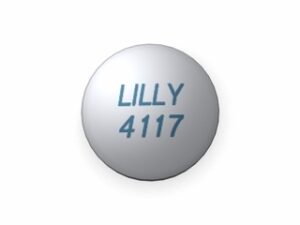
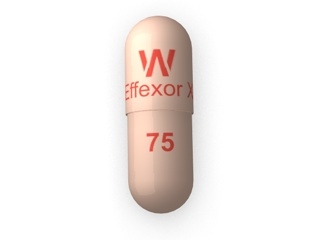

Venlor (Venlafaxine) – Patient Guide (Australia)
Venlor is a brand of venlafaxine, a medicine used to treat certain mental health conditions. This guide is written to help you understand how Venlor works, how it’s typically taken, what to expect, and what to watch for. It also covers interactions, practical tips, and common questions.
Important: If you are unsure whether Venlor is suitable for you, or you have questions about your dose or side effects, speak with a qualified healthcare professional.
Quick overview
- Medicine: Venlor (venlafaxine)
- Common condition types: Depression and certain anxiety disorders (as assessed by a clinician)
- How it works: Affects brain chemicals involved in mood and anxiety
- Form: Usually taken as oral tablets or capsules depending on formulation available
- Typical approach: Start low, adjust gradually, and continue for an appropriate duration
Basic product information
| Feature | What you should know |
|---|---|
| Active ingredient | Venlafaxine |
| Brand | Venlor |
| Medicine type | SNRI antidepressant (serotonin–norepinephrine reuptake inhibitor) |
| How it’s taken | By mouth, usually once or twice daily depending on formulation |
| Common goal | Reduce symptoms of depression and anxiety and support long-term recovery |
| Monitoring | Clinician may monitor response, mood changes, and blood pressure |
How Venlor works (mechanism of action)
Venlafaxine belongs to the group of medicines called SNRIs. It works by increasing levels of certain neurotransmitters in the brain—mainly:
- Serotonin (5-HT) – involved in mood, sleep, and anxiety regulation
- Norepinephrine (noradrenaline) – involved in alertness, stress response, and mood
Specifically, venlafaxine helps reduce the reuptake (reabsorption) of serotonin and norepinephrine. Over time, this can improve communication between brain cells, leading to gradual improvement in mood and anxiety symptoms.
Pharmacokinetics (how your body processes it)
Understanding pharmacokinetics can help explain timing, onset, and how missing or changing doses may feel.
- Absorption: Venlafaxine is absorbed after oral dosing. The rate depends on the specific formulation.
- Metabolism: The body converts venlafaxine largely through the liver into an active metabolite called O-desmethylvenlafaxine (also known as ODV).
- Distribution and action: Venlafaxine and ODV reach tissues and contribute to the overall therapeutic effect.
- Elimination: Metabolites are removed mainly via the kidneys. Clinicians may adjust decisions in people with significant kidney impairment.
Because venlafaxine and its metabolite both contribute, it may take several days to weeks to see the full benefit, and dose changes should be approached gradually.
Typical use in Australia
Venlor is used for conditions where symptoms may include persistent low mood, loss of interest, anxiety, physical restlessness, and impaired sleep or concentration. A clinician will match the medicine to the diagnosis, severity, and your health history.
In Australia, mental health treatment plans commonly combine medicine with psychological therapy and lifestyle support where appropriate. The safest approach is to follow a structured plan and review progress regularly.
Indications (what it may be used for)
Venlor is indicated for:
- Depression (including major depressive episodes as assessed by a clinician)
- Anxiety-related conditions such as certain forms of generalised anxiety and other anxiety disorders, depending on assessment
Your clinician can clarify which specific condition applies to you and the expected course of treatment.
Timing: when to take Venlor
Timing can influence side effects and how well you tolerate the medicine.
- Follow your clinician’s instructions for when and how often to take Venlor. Many people take it once daily with an extended-release formulation, or two times daily with other formulations.
- Consistency matters: try to take it at the same time each day.
- Morning vs evening: some people find it more energising and prefer morning dosing, while others tolerate it in the evening. If you feel unusually alert, consider discussing a morning schedule; if it makes you drowsy, consider evening dosing.
If you miss a dose, do not double up. Take the next dose at the usual time and contact a pharmacist or clinician if you’re unsure.
Dosing overview (general information)
Dosing must be individualised based on your diagnosis, response, tolerability, age, and other medical factors. Below is general guidance about how venlafaxine is commonly started and adjusted.
How treatment often begins
- Clinicians typically start with a lower dose to improve tolerability.
- The dose may be increased gradually depending on symptom improvement and side effects.
- If your symptoms do not improve adequately, the clinician may reassess the plan rather than increasing too quickly.
Long-term dosing
- Once a helpful dose is found, treatment is often continued for a period to consolidate improvement.
- Stopping suddenly can increase the risk of discontinuation symptoms; tapering is usually recommended under guidance.
Note: Exact dose amounts vary by formulation and your individual circumstances. Always follow the dosing instructions provided with your medicine.
Food interactions
Venlafaxine can generally be taken with or without food, but your specific formulation may have particular instructions. Food may help reduce nausea for some people.
- If nausea occurs: try taking it with a meal.
- Keep timing consistent: taking it around the same mealtime each day may improve tolerance.
- Grapefruit: there’s no universal requirement to avoid grapefruit with venlafaxine, but because metabolism involves liver pathways, discuss any supplements or herbal products with a pharmacist.
Alcohol interactions
Mixing antidepressants with alcohol is often not recommended. Alcohol can worsen mood, sleep quality, and anxiety, and may increase side effects like dizziness, drowsiness, impaired judgement, or reduced coordination.
If you choose to drink, consider:
- keeping alcohol to minimal amounts
- avoiding binge drinking
- monitoring how you feel the same day and the next day
- seeking advice if you have a history of alcohol misuse
Ask your clinician for personalised advice based on your mental health history and current medications.
Medicine interactions (important safety information)
Venlor can interact with other medicines. Some interactions increase the risk of side effects, including serotonin-related effects, bleeding risk, blood pressure changes, or altered drug levels.
Examples of medicines that may interact
- Other serotonergic medicines (e.g., certain migraine medicines like triptans, other antidepressants, some opioids such as tramadol, or supplements like St John’s wort) – may increase the risk of serotonin syndrome.
- MAO inhibitors – commonly require careful separation in time due to serious interaction risk. Your clinician will advise on safe timing if this is relevant.
- Medicines affecting clotting (e.g., warfarin, antiplatelets, some anti-inflammatory medicines) – some antidepressants can increase bleeding tendency in certain people.
- Medicines that can raise blood pressure or affect heart rhythm – venlafaxine may increase blood pressure in some individuals.
- Certain liver-metabolism medicines – because venlafaxine and ODV are metabolised in the liver, other drugs that alter liver enzymes may change exposure.
What to do
- Tell your pharmacist or clinician about all medicines you take, including over-the-counter products.
- Include herbal supplements and vitamins (some can affect serotonin or clotting).
- Do not start or stop medicines suddenly without guidance.
Safety profile: what to expect
Like all medicines, Venlor can cause side effects. Many are mild at the beginning and improve as your body adjusts, but some require urgent medical attention.
Common side effects
- Nausea
- Headache
- Dizziness
- Dry mouth
- Sweating
- Sleep changes (insomnia or drowsiness)
- Appetite changes
- Tremor or restlessness
- Sexual side effects (e.g., reduced libido or difficulty reaching orgasm)
Less common but important risks
- Blood pressure changes: some people experience increased blood pressure, particularly at higher doses. Clinicians may monitor blood pressure.
- Activation or mood switching: in some people, antidepressants can increase agitation or rarely trigger mania/hypomania, especially in those with bipolar disorder.
- Withdrawal/discontinuation symptoms: stopping abruptly or missing doses can cause dizziness, flu-like symptoms, “electric shock” sensations, anxiety, irritability, or sleep disturbance.
- Serotonin syndrome (rare but serious): symptoms can include agitation, confusion, fever, sweating, fast heart rate, tremor, muscle stiffness, or diarrhoea—seek urgent care if suspected.
- Suicidal thoughts in early treatment: if you notice worsening mood, agitation, or new suicidal thoughts—seek urgent support.
If you experience severe symptoms, allergic reactions (such as swelling of face/lips or difficulty breathing), or signs of serious reactions, seek urgent medical attention.
Practical use tips for best results
- Be patient with timing: improvements may take days to weeks. Keep taking it as directed even if you don’t feel better immediately.
- Track your symptoms: notes on mood, anxiety, sleep, and side effects can help your clinician adjust the plan.
- Manage early side effects: nausea or dizziness often improves over time. Taking the dose with food and staying hydrated may help.
- Avoid abrupt changes: don’t stop suddenly. Discuss any planned stopping with your clinician for a safe taper schedule.
- Watch blood pressure if advised: if you have a history of hypertension, your clinician may recommend monitoring.
- Plan for missed doses: keep a simple reminder system (phone alarm, pill organiser).
Alternatives to Venlor (venlafaxine)
Several other medicines and treatment approaches can be considered for depression and anxiety. The best alternative depends on your symptoms, medical history, tolerability, and previous response.
Medication alternatives (examples)
- Other SNRIs (different active ingredients)
- SSRIs (another major group of antidepressants)
- Other antidepressants depending on diagnosis and tolerability
Non-medicine alternatives and add-ons
- Psychological therapy (such as CBT and other evidence-based therapies)
- Sleep and lifestyle strategies (regular sleep times, exercise, stress management)
- Support services (psychiatric nursing, counselling, structured programs)
If Venlor doesn’t suit you, your clinician can discuss switching strategies to reduce side effect risk and discontinuation symptoms.
Market and legal context in Australia
In Australia, medicines used for mental health conditions are regulated through the Therapeutic Goods Administration (TGA) framework. Availability and dispensing requirements vary by medicine type and status.
When ordering online, reputable Australian pharmacies follow laws designed to support safe supply and appropriate patient screening, including assessment of suitability and dose instructions.
Always ensure you use licensed services and provide accurate medical information to your healthcare provider.
Recent guidance and clinical considerations
Ongoing clinical guidance for antidepressants emphasises:
- Starting low and monitoring early: because early treatment may involve side effects and careful observation for mood changes.
- Serious symptom awareness: recognising warning signs such as severe agitation, serotonin syndrome symptoms, or suicidal thoughts.
- Shared decision-making: balancing potential benefits and risks, and reviewing effectiveness regularly.
- Individualising discontinuation plans: tapering helps reduce discontinuation symptoms.
- Monitoring blood pressure: particularly for higher doses or people with cardiovascular risk.
For the most current safety advice, refer to information provided with your medicine and discuss updates with a pharmacist or clinician.
Delivery and availability (online pharmacy)
Venlor availability can vary by formulation and strength. When ordering through an online pharmacy in Australia, delivery timeframes depend on stock status and your location.
- Dispatch timing: many pharmacies dispatch within 1–2 business days when stock is available.
- Delivery method: parcels are typically shipped via standard courier services.
- Packaging: medicines are shipped in secure, tamper-evident packaging.
- State/territory differences: while Australia-wide delivery is common, certain services may vary by region.
If you need your medicine by a specific date, check estimated delivery options at checkout. If your order is delayed, contact customer support for tracking details.
FAQ
1) How long does it take for Venlor to work?
Some people notice changes in anxiety or sleep within the first 1–2 weeks, but improvement in mood and overall symptoms often takes several weeks. If there is little or no improvement after an appropriate trial, your clinician may revise the plan.
2) Can I take Venlor with food?
Yes, it can generally be taken with or without food. Taking it with a meal may help reduce nausea for some people. Always follow the specific directions for your formulation.
3) What should I do if I miss a dose?
Take the next dose at the usual time and do not double up. If you miss multiple doses or you’re unsure what to do, contact a pharmacist for advice.
4) Is it safe to drink alcohol while taking Venlor?
Alcohol may worsen depression and anxiety and can increase side effects such as dizziness or impaired judgement. It’s best to limit or avoid alcohol, and discuss your individual situation with a clinician.
5) Why do side effects sometimes happen early on?
Early in treatment, your nervous system is adjusting to changes in neurotransmitter activity. Common early side effects often improve with time, but persistent or severe symptoms should be discussed with a healthcare professional.
6) Can Venlor affect blood pressure?
Yes. Some people experience increases in blood pressure, especially at higher doses. Your clinician may monitor blood pressure and adjust treatment if needed.
7) What are discontinuation symptoms and how can I avoid them?
Discontinuation symptoms can include dizziness, irritability, anxiety, “electric shock” sensations, flu-like feelings, and sleep disturbance. They’re more likely if the medicine is stopped suddenly or doses are missed. Tapering under clinical guidance helps reduce the risk.
8) Does Venlor cause sexual side effects?
Sexual side effects can occur with antidepressants, including venlafaxine. If this affects you, talk to your clinician—there may be options to adjust the dose, timing, or alternative treatments.
9) What medicines and supplements should I tell my pharmacist about?
Tell them about all prescription medicines, over-the-counter products, and supplements—especially other antidepressants, migraine medicines (like triptans), tramadol or other opioids, herbal products (including St John’s wort), and blood-thinning medicines.
10) When should I seek urgent help?
Seek urgent medical attention if you experience signs of a serious allergic reaction, symptoms suggestive of serotonin syndrome (such as fever, severe agitation, confusion, muscle stiffness, or fast heartbeat), or a rapid deterioration in mood including suicidal thoughts.
Disclaimer: This information is general and does not replace advice from a healthcare professional. Always read the consumer medicine information (CMI) provided with your medicine and follow your clinician’s instructions.