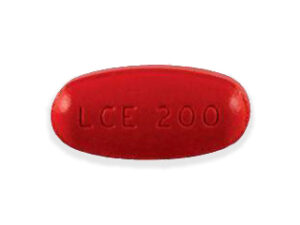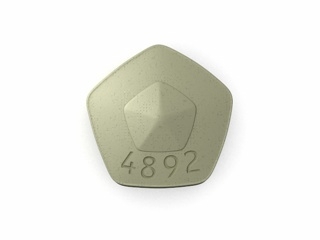
Requip (Ropinirole) — Patient Guide (Australia)
Requip is a medicine containing ropinirole. It is used to treat certain movement and neurological conditions, including Parkinson’s disease and restless legs syndrome (RLS). This guide explains how Requip works, how it is usually taken, important safety information, and practical tips to help you use your medicine more comfortably.
Always read the Consumer Medicine Information (CMI) provided with your product and follow your prescriber’s instructions.
1) Basic product information
- Brand name: Requip
- Generic name: Ropinirole
- Medicine class: Dopamine agonist
- Common forms: Tablets of different strengths; specific formulations may include modified-release options depending on the product
- Who it is for: Adults with Parkinson’s disease or Restless Legs Syndrome (RLS), depending on local product indications
- Where it’s used: In Australia under the usual PBS/health system arrangements when eligible and in line with national prescribing guidance
2) How Requip works (mechanism of action)
Ropinirole works by mimicking the action of dopamine in the brain. Dopamine is a natural chemical messenger involved in movement control and other functions.
In conditions such as Parkinson’s disease, dopamine levels in the brain can be reduced. Ropinirole stimulates dopamine receptors, which helps improve symptoms such as:
- Slowness of movement
- Stiffness
- Tremor
- Muscle rigidity
In restless legs syndrome, ropinirole helps reduce uncomfortable sensations and urges to move the legs, improving sleep quality. The exact cause of RLS is multifactorial, but dopaminergic pathways are an important part of how symptoms arise and how medicines may help.
3) Pharmacokinetics (how the body handles the medicine)
“Pharmacokinetics” describes how your body absorbs, distributes, metabolises, and clears ropinirole.
- Absorption: Ropinirole is absorbed after oral dosing. Peak levels typically occur within a few hours, depending on the formulation.
- Distribution: It distributes throughout the body and crosses into the brain to exert its effects.
- Metabolism: The liver metabolises ropinirole mainly via CYP1A2 (an enzyme pathway).
- Elimination: Metabolites and some unchanged drug are removed primarily through the kidneys.
- Half-life: The time taken for the blood level to fall by half is on the order of hours (long enough to support regular dosing schedules).
Why this matters for you: Foods and medicines that affect CYP1A2 (and changes related to smoking) can influence ropinirole levels. That can affect how strong the medicine feels or how quickly side effects occur.
4) Typical use: what conditions is Requip for?
Requip (ropinirole) is used for the following conditions, depending on the product and indication:
- Parkinson’s disease: Often used to reduce motor symptoms. It may be prescribed alone in some cases or in combination with other Parkinson’s medicines.
- Restless Legs Syndrome (RLS): Used to reduce unpleasant sensations and the urge to move the legs, especially when symptoms disrupt sleep.
Note: Indications and eligibility may vary by product formulation and current Australian guidance. Always check the CMI for your exact medicine.
5) Timing and how to take Requip
Your dosing schedule depends on the condition you’re treating and the formulation you’ve been given.
For Parkinson’s disease
- Dosing is commonly divided across the day.
- Your dose is usually increased gradually to reduce side effects.
- Some people may take doses in the morning and evening; others may use a different schedule depending on strength and prescriber instructions.
For Restless Legs Syndrome (RLS)
- It’s commonly taken in the evening (or about 1–3 hours before bedtime), depending on your plan.
- Taking it too early or too late may affect symptom control and sleep.
General tips
- Take the tablets with water.
- Try to take doses at the same times each day to keep symptoms stable.
- Do not double up if you miss a dose—check your CMI or ask a pharmacist for advice based on your dosing schedule.
- Keep taking it consistently unless told otherwise. Stopping suddenly without advice can worsen symptoms.
6) Food interactions and absorption
Food can affect how quickly ropinirole is absorbed.
- Taking with food may reduce nausea for some people.
- Food can slow absorption and may slightly change peak levels, which can affect how you feel soon after a dose.
Practical approach: If you experience nausea, take your dose with a meal (as directed for your specific regimen). Keep your routine consistent so your body can adapt to a predictable absorption pattern.
7) Alcohol and medicine interactions
Alcohol
Alcohol can increase dizziness, drowsiness, and impaired coordination. Combining alcohol with ropinirole may raise the risk of:
- Sleepiness or reduced alertness
- Falls or unsteadiness
- Worsening of mood changes in some people
Recommendation: Limit alcohol or avoid it, especially when starting Requip or when your dose is being increased.
Other medicines (important interactions)
Because ropinirole is metabolised mainly through CYP1A2, medicines that affect this enzyme may change ropinirole levels.
Tell your doctor or pharmacist if you take:
- Medicines affecting CYP1A2 (for example, some antibiotics, smoking-related changes, and other drug interactions)
- Antipsychotic medicines (may counteract dopaminergic effects)
- Other dopamine-related medications (risk of additive effects or side effects)
- Medicines that cause sedation (e.g., some sleep medicines, strong antihistamines, opioids, some anxiety medicines)
- Medicines for nausea (some may affect dopamine receptors)
- Medicines affecting blood pressure (dizziness or fainting can be additive)
Smoking and nicotine: Cigarette smoking can induce CYP1A2 and may reduce ropinirole levels. If you smoke or plan to stop, discuss this with your healthcare provider to adjust dosing if needed.
Important safety note: Some people taking dopamine agonists have reported sudden sleep episodes or excessive sleepiness. Combining Requip with sedating medicines or alcohol can increase that risk.
8) Dosing: typical starting strategy and adjustments
Dose selection and titration vary based on:
- Your condition (Parkinson’s disease vs RLS)
- Your age and overall health
- Other medicines
- How well you tolerate the initial doses
Key principle: Requip is usually started at a low dose and increased gradually. This helps reduce common early side effects like nausea, dizziness, or fatigue.
Example dosing approach (general)
Below is a typical pattern commonly used in practice; exact amounts depend on the strength available and your clinical plan. Always follow your CMI and prescriber instructions.
| Condition | Typical approach | How dose may change |
|---|---|---|
| Restless Legs Syndrome (RLS) | Usually once daily in the evening (timing depends on regimen) | Gradual titration based on symptom control and side effects |
| Parkinson’s disease | Dosing may be split across the day | Gradual titration over weeks; may be adjusted to balance benefit and tolerability |
Do not change your dose on your own. If your symptoms worsen, side effects become bothersome, or you miss several doses, contact your pharmacist or prescriber for advice—sometimes restarting requires a cautious re-titration.
9) Safety profile: side effects and when to seek help
Like all medicines, Requip can cause side effects. Many are mild early on and improve as your dose is adjusted.
Common side effects
- Nausea (often reduced by taking with food)
- Dizziness or light-headedness
- Somnolence (sleepiness) or tiredness
- Headache
- Fatigue
- Constipation
- Low blood pressure (especially when standing up)
Less common but important side effects
- Hallucinations (seeing or hearing things others don’t)
- Confusion
- Swelling in the legs
- Impulse control problems (e.g., compulsive gambling, increased libido, compulsive shopping/eating)
- Sudden sleep episodes or marked drowsiness
Seek urgent medical help if you experience
- Fainting or severe dizziness
- Severe confusion, agitation, or hallucinations
- Signs of an allergic reaction (e.g., swelling of face/lips, difficulty breathing, rash)
- Chest pain or shortness of breath
Special caution: driving and machinery
Requip can cause drowsiness and, in some cases, sudden onset of sleep. Until you know how it affects you:
- Avoid driving or operating machinery if you feel sleepy or dizzy.
- Be extra careful during dose increases.
10) Practical use tips for everyday life
Reduce nausea
- Take doses with food if your CMI allows.
- Keep hydrated.
- Report persistent nausea—your clinician may adjust the dose or schedule.
Manage dizziness and prevent falls
- Stand up slowly from sitting or lying positions.
- Be cautious at night when getting out of bed.
- If you feel light-headed, sit or lie down and seek advice if it persists.
Watch for “augmentation” in RLS (a key concept)
In some people with RLS, long-term dopamine agonist treatment can lead to augmentation, where symptoms start earlier in the day, become more intense, or spread to other body parts.
- Tell your healthcare provider if your RLS symptoms shift earlier or worsen despite taking the medicine.
- Do not increase the dose yourself.
Monitor mood and behaviour changes
Because dopamine agonists can affect reward and impulse pathways, be alert to:
- New or increased urges to gamble or spend
- Sudden changes in eating, sexual drive, or activities
- Uncharacteristic behaviour changes
Promptly discuss any concerns with a healthcare professional. Early action can prevent complications.
11) Alternative options for Parkinson’s disease and RLS
Alternative treatments depend on your diagnosis, severity, and medical history. Options may include:
Parkinson’s disease
- Levodopa (often central to symptom management)
- Other dopamine agonists
- MAO-B inhibitors
- COMT inhibitors
- Other supportive therapies (physiotherapy, exercise, speech therapy)
Restless Legs Syndrome
- Iron supplementation if iron deficiency is present or suspected (guided by blood tests)
- Other RLS medicines such as alpha-2-delta ligands (used depending on local guidance and patient profile)
- Lifestyle strategies (sleep routine, reducing caffeine late in the day, managing triggers)
Important: If you are considering switching medicines, do so only with clinical guidance—dopamine-related medicines can require gradual transitions.
12) Requip in Australia: market, regulatory and legal context
In Australia, Requip (ropinirole) is a regulated medicine available through the usual channels. Availability and subsidisation can be influenced by:
- Product listing status and PBS/health funding eligibility
- Approved indications and formulation-specific use
- Clinical guidelines for Parkinson’s disease and RLS
Good to know: Australian medicine safety updates, prescribing information, and CMI materials may be revised over time. Your pharmacist can confirm the latest information for the exact product you receive.
13) Recent guidance and evolving safety considerations
Australia follows international and national safety monitoring. Key themes in ongoing guidance for ropinirole include:
- Careful dose titration to reduce tolerability issues
- Monitoring for sleepiness and sudden sleep, especially during initiation and dose increases
- Assessment of hallucinations and confusion, particularly in older adults or those with cognitive issues
- Awareness of impulse control disorders and early reporting
- RLS augmentation vigilance for long-term management
If you have concerns about side effects or your symptoms are changing, seek advice promptly—early adjustments often help maintain benefit while improving tolerability.
14) Delivery, availability and ordering through an Australian pharmacy
Requip availability depends on local supply and the specific strength/formulation you require. When ordering online in Australia:
- Choose the correct product strength and formulation (for example, immediate-release vs modified-release, if applicable).
- Check your order details carefully before payment to ensure the correct dose is supplied.
- Allow delivery time based on your location and the pharmacy’s shipping options.
Packaging and information: The medicine should arrive with manufacturer packaging and the CMI or relevant patient information inserts. If anything looks unusual or the packaging is damaged, contact the pharmacy.
Availability and delivery terms vary between pharmacies. For the most accurate details, review the site’s delivery policy at checkout.
15) Frequently asked questions (FAQ)
Can I stop Requip suddenly?
Do not stop suddenly unless your clinician specifically instructs you. Stopping abruptly can worsen symptoms. If you want to stop, discuss a gradual plan with your healthcare professional.
What should I do if I miss a dose?
What you should do depends on when you remember and your dosing schedule. Check the CMI for missed-dose instructions. If unsure, contact a pharmacist. Avoid doubling doses unless advised.
Is Requip safe for older adults?
Many older adults use ropinirole safely, but they may be more prone to dizziness, sleepiness, hallucinations, or confusion. Dose titration and monitoring are especially important.
Will Requip make me drowsy?
Sleepiness can occur. Some people experience marked drowsiness or sudden sleep episodes. Avoid driving or operating machinery if you feel sleepy, and be cautious when starting or increasing your dose.
Can I take Requip with food?
Taking it with food may reduce nausea and improve tolerability for some people. Follow the guidance in your CMI and keep your routine consistent.
Does alcohol interact with Requip?
Alcohol may increase drowsiness, dizziness, and risk of falls. It may also worsen safety issues such as impaired alertness. Limit or avoid alcohol, especially when you are adjusting your dose.
Are there important drug interactions I should know about?
Yes. Tell your pharmacist about all medicines you take, including sedatives, antipsychotics, nausea medicines, and any medicines that affect liver enzymes (especially pathways related to CYP1A2). Interaction risk depends on your exact medication list.
What should I do if I notice unusual urges or behaviour changes?
Impulse control problems have been reported with dopamine agonists. Contact your healthcare provider promptly if you notice unusual urges (such as gambling or compulsive spending) or other behaviour changes.
How long does it take to feel the effects?
Some people notice improvement within days, while others require several weeks, especially during gradual dose increases. If you are not seeing any benefit after an appropriate titration period, discuss options with your clinician.
Can Requip affect sleep in restless legs syndrome?
Requip is used to improve RLS symptoms and sleep. However, changes in symptom timing or increased intensity may occur over time (augmentation). Report changes early.
What if I’m a smoker or I quit smoking?
Smoking can influence ropinirole metabolism. If you change your smoking habits (including quitting), discuss this with your healthcare provider, as your dose may need reassessment.
Summary
Requip (ropinirole) is a dopamine agonist used to treat Parkinson’s disease and Restless Legs Syndrome. It improves movement or reduces unpleasant RLS sensations by stimulating dopamine receptors. Because tolerability and safety depend on your starting dose, titration, and interactions (including food, alcohol, smoking, and other medicines), taking Requip exactly as directed and monitoring for side effects is essential.
If you have questions about your dosing schedule, side effects, or interactions, your pharmacist is a great first point of contact.