
Prandin (Repaglinide) – Patient-Friendly Guide (Australia)
Prandin is a prescription medicine used to help control blood sugar in adults with type 2 diabetes. It works by stimulating the pancreas to release insulin in a targeted way around meal times. This guide explains how Prandin works, when and how it is taken, key safety points, interactions (including alcohol), and practical tips to help you get the most benefit from your treatment. It is written for an Australian audience.
Quick facts
- Active ingredient: Repaglinide
- Brand name: Prandin
- Medicine type: Short-acting insulin secretagogue (mealtime insulin release)
- Used for: Type 2 diabetes to improve blood glucose
- How it’s taken: Usually with meals, dose timed to carbohydrate intake
- Common side effect to know: Low blood sugar (hypoglycaemia)
Basic product information
Prandin contains repaglinide, an oral medicine taken by mouth. It helps lower blood glucose levels by increasing the release of insulin when you eat.
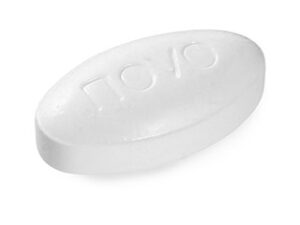
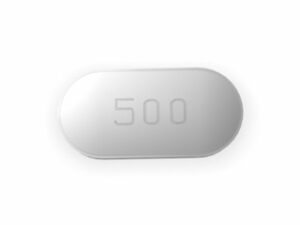
Strengths and form: Prandin is available as tablets in different strengths. The exact strength used for your treatment will depend on your personal plan and response.
Who it is for: Adults with type 2 diabetes whose blood glucose can be improved with medicines that act around mealtimes. It is not used to treat type 1 diabetes.
How Prandin works (mechanism of action)
Repaglinide belongs to a class of medicines called mealtime insulin secretagogues. It works by:
- Binding to the ATP-sensitive potassium (KATP) channels on pancreatic beta cells
- Causing these channels to close
- Triggering cell depolarisation
- Leading to increased insulin release into the bloodstream
Why timing matters: Because Prandin is designed to act around meals, its insulin-stimulating effect is strongest when you eat and reduces after that. This helps lower the rise in blood glucose that follows meals.
Pharmacokinetics (how the body handles it)
Understanding the medicine’s time course may help you take it correctly and recognise how missed doses can affect your blood sugar.
- Absorption: Repaglinide is absorbed after oral dosing and reaches peak concentration relatively quickly.
- Onset: It begins lowering blood glucose within the timeframe of a typical meal.
- Duration: The glucose-lowering effect is short-acting, which is why it is usually taken before meals.
- Metabolism: Repaglinide is primarily metabolised in the liver.
- Elimination: Metabolites are excreted mainly via bile/feces (with some renal involvement).
- Special considerations: Reduced liver function can increase exposure and risk of side effects, particularly hypoglycaemia.
Key takeaway: The medicine’s short action means each dose is linked to eating. If you skip a meal, you may need to skip that dose as well (follow your individual plan).
Typical use in type 2 diabetes
Prandin is used to help control blood glucose by improving post-meal rises and, over time, overall diabetic control. It may be used:
- As monotherapy (by itself) in selected people
- In combination with other diabetes medicines (such as metformin or other therapies) when additional control is needed
Prandin is usually considered for people who would benefit from mealtime-targeted dosing and whose blood sugar fluctuates around meals.
Indications (when Prandin is used)
Prandin is indicated for the treatment of type 2 diabetes mellitus to improve glycaemic control.
It is not a treatment for type 1 diabetes and should not be used for diabetic ketoacidosis.
Timing and how to take Prandin
Because Prandin is short-acting, dosing is usually matched to eating. Follow your prescriber’s directions, and use the guidance below as a general framework.
General timing
- Take Prandin before meals.
- A common approach is within about 15 minutes before a meal, but your plan may specify a slightly different window.
- If you eat another meal, dosing may be adjusted to match that meal (for example, multiple doses across the day).
If you miss a meal
- If you skip a meal, you will generally not need a dose for that meal.
- Do not take extra tablets to “make up” for a missed dose.
- If you’re unsure, check your personalised instructions.
Consistency with carbohydrate
Your dose and meal content may need to be coordinated. If your appetite changes or your meal size varies, discuss this with your healthcare team so your treatment can be safely tailored.
Dosing (how doses are set)
Individual dosing varies based on your blood glucose results, HbA1c targets, age, other medicines, and risk of hypoglycaemia.
- Starting dose: Your clinician may begin with a lower dose and adjust gradually.
- Titration: Doses are commonly adjusted to achieve adequate glucose control while minimising hypoglycaemia.
- Daily dosing frequency: Typically linked to meal pattern (for example, with breakfast, lunch, dinner, and possibly other meals, depending on your routine).
Important: Do not change your dose on your own. If your blood sugars are consistently high or you’re experiencing low blood sugar episodes, contact your diabetes care team for review.
Food interactions and practical meal guidance
Prandin is designed to be taken around meals. However, the type and timing of food can influence the risk of hypoglycaemia and overall control.
What to consider
- Skipping meals increases hypoglycaemia risk if a dose is taken without food.
- Irregular eating patterns may make dosing harder.
- Higher carbohydrate meals may produce a bigger blood glucose rise; your dose may need appropriate timing or adjustment.
- Low carbohydrate meals may increase hypoglycaemia risk if the dose remains the same.
General nutrition tips
- Try to keep a consistent meal pattern when possible.
- Carry rapid-acting glucose (such as glucose tablets) if you have experienced low blood sugar before.
- Monitor blood glucose as recommended to understand how your meals affect your numbers.
Alcohol interactions
Alcohol can affect blood glucose and can increase the risk of hypoglycaemia, particularly when taken:
- On an empty stomach
- In larger amounts
- After an extended period without eating
Advice:
- Limit alcohol and avoid binge drinking.
- Be cautious with alcohol-containing drinks that replace meals.
- If you drink, consider monitoring your blood glucose more often and eat something if appropriate to your plan.
Seek help urgently if you suspect severe hypoglycaemia (confusion, seizures, unconsciousness).
Medicine interactions (including important medication groups)
Repaglinide is metabolised mainly in the liver, so medicines that affect liver enzymes can change repaglinide levels. Some combinations can increase hypoglycaemia risk, while others may reduce effectiveness.
Common interaction categories to be aware of
- Strong liver enzyme inhibitors may increase repaglinide exposure and risk of low blood sugar.
- Strong inducers may reduce repaglinide levels, potentially lowering effectiveness.
- Other diabetes medicines (especially those that also lower glucose) can increase hypoglycaemia risk when combined.
- Some antibiotics, antifungals, and cardiovascular medicines may interact depending on their metabolic pathways.
Always check before starting
Tell your healthcare professional and pharmacist about all medicines you take, including:
- Prescription and non-prescription medicines
- Herbal products and supplements
- Over-the-counter cold/flu medicines
What about over-the-counter medicines?
Even products that seem harmless can affect blood sugar indirectly or through enzyme pathways. If you’re unsure, ask a pharmacist.
Safety profile: side effects and when to seek help
Most people tolerate Prandin well, but all diabetes medicines have potential risks. Understanding the side effects can help you respond quickly.
Common and important side effects
- Hypoglycaemia (low blood sugar): This is the main risk. Symptoms may include sweating, shaking, dizziness, hunger, headache, fast heartbeat, confusion, or weakness.
- Weight changes: Some people may gain weight, which can be relevant to overall diabetes management.
- Gastrointestinal symptoms: Nausea or stomach discomfort may occur in some people.
Less common but serious risks
- Severe hypoglycaemia: Medical emergency if you cannot treat yourself or if someone else is needed.
- Allergic reactions: Rash, swelling of face/lips, difficulty breathing—seek urgent help.
- Liver-related issues: If you develop yellowing of the eyes/skin (jaundice), dark urine, severe fatigue, or abdominal pain, seek urgent medical advice.
Who is at higher risk of hypoglycaemia?
- Older age or reduced ability to recognise symptoms
- Renal or hepatic impairment
- Skipping meals or eating less than usual
- Combining with other glucose-lowering medicines
- Alcohol use
- High physical activity without adjusting food intake
Practical use tips (helpful for real life)
- Link your tablet to your meal: Take it right before eating, so it matches the rise in glucose after meals.
- Keep a routine: Regular meal timing can make control steadier.
- Test blood glucose if advised: Monitoring helps you learn how your body responds to meals and dose changes.
- Know your hypo plan: Have fast-acting carbohydrate available and understand how to treat low blood sugar.
- Carry identification: Consider diabetes ID so others know what to do in an emergency.
- Review when your lifestyle changes: Illness, travel, changes in diet, or increased exercise can affect glucose levels and hypoglycaemia risk.
Recognising and treating low blood sugar (general guidance)
If you feel symptoms of hypoglycaemia:
- Check your blood glucose if possible.
- Take fast-acting sugar (such as glucose tablets or a sugary drink).
- Recheck after about 10–15 minutes if appropriate.
- Follow with a snack or meal if your next meal is some time away.
Important: The best plan depends on your personal instructions and the severity of the episode. If severe, get urgent medical help.
Alternative options (discuss with your healthcare team)
There are several other medicine approaches for type 2 diabetes. Choice depends on your HbA1c goals, weight considerations, kidney/liver function, risk of hypoglycaemia, cost, and preference.
Examples of alternatives
- Other oral diabetes medicines (e.g., metformin, sulfonylureas, DPP-4 inhibitors, SGLT2 inhibitors, thiazolidinediones)
- Injectable medicines (e.g., GLP-1 receptor agonists, insulin)
- Insulin therapy for some people when control is not achieved with tablets
Why alternatives might be chosen: Some have a lower risk of hypoglycaemia, better effects on weight, or other benefits (such as cardiovascular or kidney benefits in selected patients). Your clinician can help determine what suits you best.
Market and legal context for Australia
In Australia, diabetes medicines are supplied through pharmacy channels under established regulatory frameworks. Access, supply conditions, and prescribing requirements are governed by Australian health regulations and professional guidance.
Prandin (repaglinide) is an established medicine for type 2 diabetes. Availability is subject to local supply and pharmacy stock management. Your pharmacist can advise on expected availability and can suggest alternatives if there are temporary supply issues.
Recent guidance (general): Diabetes treatment in Australia is guided by evidence-based standards and ongoing updates from national clinical groups. Recommendations typically emphasise individualised targets, monitoring for hypoglycaemia risk, and using medicines that align with patient factors such as kidney function, weight goals, and cardiovascular risk. Keep your care team updated so therapy can be reviewed as guidelines evolve.
Delivery and availability (what to expect online)
Online pharmacies may offer delivery across Australia, subject to product availability and local rules. Availability can vary by:
- Pharmacy location and inventory levels
- Tablet strength and pack size
- Supply interruptions from manufacturers
When ordering online: Provide accurate delivery details and contact information so the pharmacy can reach you if they need clarification. Delivery times can vary based on location and courier service.
Storage: Follow storage instructions on the pack. Generally, tablets should be stored at controlled room temperature, protected from moisture, and kept out of reach of children.
FAQ
1) What is Prandin used for?
Prandin (repaglinide) is used to improve blood glucose control in adults with type 2 diabetes. It works mainly to reduce the blood sugar rise after meals.
2) When should I take Prandin?
Prandin is generally taken before meals. A common approach is shortly before eating (often within about 15 minutes), but your personal schedule may differ—follow your instructions.
3) What if I skip a meal?
If you skip a meal, you will usually not take the dose meant for that meal. Confirm your specific plan with your healthcare professional or pharmacist.
4) Can I take Prandin if I don’t eat?
Because Prandin is meant to act with food intake, taking it when you are not eating can increase the risk of hypoglycaemia. Follow your individual advice about missed meals.
5) What are the signs of low blood sugar?
Symptoms can include sweating, shaking, dizziness, hunger, headache, fast heartbeat, confusion, or weakness. If you suspect low blood sugar, check your blood glucose if possible and treat promptly with fast-acting carbohydrate.
6) Is alcohol safe with Prandin?
Alcohol can increase the risk of hypoglycaemia. Limit alcohol, avoid drinking on an empty stomach, and consider more frequent blood sugar checks if you drink—discuss a safe approach with your healthcare team.
7) What medicines interact with Prandin?
Medicines that affect liver enzyme pathways or other glucose-lowering medicines can change Prandin levels or increase hypoglycaemia risk. Tell your pharmacist about all medicines and supplements you use, including over-the-counter products.
8) Can Prandin cause weight gain?
Some people gain weight while using insulin secretagogues. Your diabetes care plan should include diet, activity, and monitoring to manage weight and overall health.
9) How long does Prandin take to work?
It typically works within the timeframe of a meal. Because it is short-acting, its effect is strongest around dosing and meal times rather than lasting all day.
10) What should I do if I take too much?
If you suspect an overdose or you have taken extra tablets, contact your pharmacist or healthcare service urgently. Severe hypoglycaemia is a medical emergency.
Summary
Prandin (repaglinide) is a short-acting, mealtime-focused tablet used for type 2 diabetes to help control blood sugar, especially the rise after meals. Its action depends on being taken before eating, and its main safety concern is hypoglycaemia, which can be increased by missed meals, alcohol, and interactions with other medicines. With correct timing, consistent meal habits, and monitoring as advised, many people can use Prandin safely as part of an individual diabetes management plan.
Note: This information is general and may not replace personalised advice from your healthcare professional. Always follow the directions provided with your medicine and consult a pharmacist for guidance specific to your health profile and other medicines.