
Loxitane (Loxapine) – Patient Information (Australia)
Loxitane contains loxapine, an antipsychotic medicine used to treat certain mental health conditions. This page explains how Loxitane works, how it’s used, what to expect, and important safety information to help you use it more confidently.
Note: Medicine information can vary depending on your individual situation and your prescriber’s advice. Always follow the directions on your medicine label and any written instructions you receive.
Quick Facts
- Medicine: Loxitane (loxapine)
- Type: Antipsychotic (used for psychotic disorders)
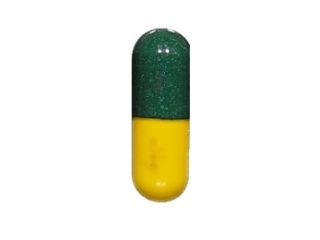
- Common forms: Tablets or capsules (availability may vary)
- How it helps: Helps reduce symptoms such as hallucinations, delusions, and disorganised thinking
- Key safety considerations: Drowsiness, dizziness, movement-related side effects, and rare serious reactions
Basic Product Information
| Section | Details |
|---|---|
| Active ingredient | Loxapine |
| Medicine class | Antipsychotic (primarily dopamine antagonist) |
| Use | Psychotic disorders (including schizophrenia) and related conditions |
| Common dosing frequency | Typically once or more daily depending on your regimen |
| Who should not use without advice | People with specific allergy or contraindications; those with severe medical conditions should be assessed individually |
How Loxitane Works (Mechanism of Action)
Loxapine is an antipsychotic that primarily works by affecting brain chemical signals:
- Dopamine (D2) receptor antagonism: Helps reduce “positive” psychotic symptoms (e.g., hallucinations and delusions).
- Serotonin (5‑HT) receptor effects: May contribute to improvements in mood, thinking, and related symptoms.
- Other receptor interactions: Loxapine can also influence receptors involved in alertness and movement, which is why side effects such as drowsiness and movement disorders can occur.
It may take time for benefits to build. Some people notice changes within days, while a full response may take several weeks.
Pharmacokinetics (How the Body Handles the Medicine)
“Pharmacokinetics” describes what happens to a medicine in the body—absorption, distribution, metabolism, and elimination.
- Absorption: Loxapine is absorbed after oral dosing. Peak levels occur within hours (timing may vary by person and formulation).
- Distribution: It spreads throughout the body tissues and crosses into the central nervous system.
- Metabolism: Loxapine is metabolised mainly in the liver. The pattern of metabolism can be affected by other medicines and some medical conditions.
- Elimination: Metabolites are removed primarily via the kidneys and/or through faecal routes. The medicine’s effect can outlast the time it stays at peak blood levels.
Why this matters: Dose adjustments may be needed for people with liver impairment or when interacting medicines are used.
Typical Use and Indications
Loxitane is used for conditions where antipsychotic treatment is needed, most commonly:
- Schizophrenia and other psychotic disorders
- Psychotic episodes associated with certain mental health conditions (as determined by your clinician)
The goal of treatment is to reduce troublesome symptoms, improve daily functioning, and lower risk of relapse.
When to Take Loxitane (Timing & Routine)
Timing depends on your plan. Many people take Loxitane once daily or split doses depending on tolerability and target symptoms.
- Choose a consistent time: Taking it at the same time each day can improve symptom control and reduce missed-dose risk.
- If it makes you drowsy: Your clinician may advise taking it in the evening.
- Give your body time: Side effects may ease over the first days to weeks as your dose is adjusted.
Missed dose: If you miss a dose, take it when you remember if it’s not close to your next dose. If it’s almost time for the next dose, skip the missed dose. Do not double up unless your prescriber has instructed otherwise.
Food Interactions
In general, many antipsychotics can be taken with or without food. However, individual responses differ.
- With food: Taking Loxitane with meals may help reduce stomach upset for some people.
- Consistency helps: Try to keep a similar food routine each day.
If you experience nausea, dizziness, or stomach discomfort, ask a healthcare professional whether taking it with food or adjusting timing is appropriate.
Alcohol and Medicine Interactions
Alcohol
Avoid alcohol while taking Loxitane unless your clinician specifically says it’s safe. Alcohol can worsen:
- Drowsiness and sedation
- Dizziness and balance problems
- Risk of falls
- Impaired judgement
Other Medicines
Some medicines can interact with Loxitane by affecting metabolism (liver enzymes) or by adding side effects such as sedation or movement effects.
Tell your doctor or pharmacist about all medicines you use, including:
- Other antipsychotics or medicines affecting the brain
- Antidepressants and mood stabilisers
- Medicines for anxiety or insomnia that cause drowsiness (e.g., benzodiazepines)
- Opioid pain medicines
- Some antibiotics and antifungal medicines
- Medicines for seizures
- Some allergy or cold medicines that cause drowsiness (antihistamines)
Important: Even “over-the-counter” products can interact. If you are unsure, ask your pharmacist.
Dosing Information (General Guidance)
Doses vary widely depending on the condition being treated, age, previous medicine exposure, and how you respond to therapy. Only follow the dose plan provided to you.
In general, antipsychotics are started at a lower dose and increased gradually to improve tolerability and reduce side effects.
- Start low, go slow: Your clinician may adjust the dose over days to weeks.
- Long-term maintenance: Once stable, some people require ongoing dosing; others may use the lowest effective dose.
- Do not stop suddenly: Stopping abruptly can worsen symptoms or cause withdrawal-like effects. If discontinuation is needed, discuss a taper plan.
Missed doses and dose changes should be handled with guidance from a healthcare professional.
Safety Profile: Common and Serious Side Effects
Like all medicines, Loxitane can cause side effects. Many are mild and improve as your body adjusts. However, some require urgent medical attention.
Common side effects
- Drowsiness or sedation
- Dizziness (especially when standing up)
- Dry mouth
- Blurred vision
- Constipation
- Weight changes (varies by person)
- Restlessness or changes in sleep
- Movement-related effects (may include tremor or stiffness in some people)
Movement-related effects (important to recognise)
Some antipsychotics can cause:
- Extrapyramidal symptoms (EPS): stiffness, tremor, akathisia (inner restlessness)
- Tardive dyskinesia: involuntary movements that may persist
Report new movement symptoms early. Treatment strategies may include dose adjustment or adding a medicine to help side effects (as guided by a clinician).
Less common but serious side effects
- Neuroleptic Malignant Syndrome (NMS): rare but life-threatening. Symptoms can include high fever, severe muscle stiffness, confusion, and autonomic instability.
- Severe allergic reactions: swelling of face/lips, breathing difficulties, or widespread rash.
- Fainting or severe dizziness: can occur due to blood pressure changes.
- Seizures: risk may be increased in certain circumstances.
- Heart rhythm changes: risk is higher when combined with other medicines that affect the heart or in people with existing heart conditions.
Seek urgent medical help if you experience symptoms suggestive of NMS, severe allergy, chest pain, severe fainting, or breathing problems.
Practical Use Tips
- Build a routine: Link dosing to an everyday activity (e.g., breakfast or bedtime).
- Be cautious when getting up: Move slowly from sitting/lying to reduce dizziness or fainting.
- Manage constipation early: Drink water, maintain fibre intake, and ask about suitable options if constipation occurs.
- Watch for restlessness: If you feel unable to sit still, contact your clinician—early management can help.
- Don’t stop suddenly: If you feel unwell or want to stop, speak with a healthcare professional first.
- Plan for sedation: Avoid driving or operating machinery until you know how Loxitane affects you.
Monitoring and Lifestyle Considerations
Antipsychotics may affect physical health in different ways. Your healthcare team may check:
- Weight and metabolic health: weight, glucose, and cholesterol (especially if long-term treatment is needed)
- Movement side effects: ongoing assessment for EPS/tardive symptoms
- Blood pressure: especially early in treatment or with dose changes
- Symptoms of infection or other complications: if fever or severe illness occurs, seek review
Lifestyle support (healthy eating, physical activity, sleep routine, and smoking cessation if relevant) can improve overall outcomes.
Alternative Options
If Loxitane doesn’t suit you, clinicians may consider other treatments depending on your diagnosis and side effect profile.
Medication alternatives
- Other antipsychotics (different molecules may have different side effect risks)
- Adjunct treatments for specific symptoms such as agitation, anxiety, or insomnia
Non-medication supports
- Psychological therapies (e.g., cognitive behavioural therapy for psychosis)
- Family and social support
- Structured routines and coping strategies
- Early intervention programs where available
Discuss options with your healthcare professional, especially if side effects are troublesome or if symptoms are not improving.
Australia: Market and Legal Context
In Australia, prescription-only medicines are regulated under national and state/territory frameworks. Antipsychotics such as Loxitane are subject to strict supply and professional oversight to support safe use, particularly because of the need for individual dose adjustment and monitoring for side effects.
Availability may vary between pharmacies and wholesalers. Some brands may have limited stock periods depending on supply chains and manufacturer distribution schedules. Your online pharmacy may display current availability and expected dispatch times where possible.
Guidance for safe supply: When ordering, you should be prepared to provide relevant details for safe medicine matching, including your medication history and any conditions that may affect suitability.
Recent Guidance and Ongoing Safety Monitoring (General)
Australian healthcare guidance consistently emphasises:
- Regular review of symptoms and side effects after starting or changing antipsychotic treatment
- Lowest effective dose and careful titration
- Monitoring physical health (metabolic and cardiovascular considerations)
- Early detection of movement disorders and other serious adverse effects
If you are currently taking Loxitane, staying engaged with follow-up appointments and promptly reporting side effects is one of the best ways to maintain safe and effective treatment.
Delivery and Availability (Online Pharmacy)
Online medicine availability can change. Common expectations when ordering Loxitane include:
- Stock confirmation: Some pharmacies check stock before dispatch.
- Delivery estimates: Dispatch times can depend on location, courier service, and whether the item is held locally or supplied from a distribution centre.
- Product packaging: You will typically receive the manufacturer’s original packaging.
- Cold chain: Loxapine tablets/capsules generally do not require refrigeration, but follow the packaging instructions.
If you need the medicine urgently or are running low, check with the pharmacy’s customer service team for estimated delivery windows and options to maintain continuity of treatment.
FAQ (Frequently Asked Questions)
1) How long does it take for Loxitane to work?
Some people notice improvements in agitation or sleep within the first days, but more meaningful symptom control (hallucinations, delusions, disorganised thinking) often takes several weeks. Dose adjustments during the initial period are common.
2) Can I take Loxitane with food?
It is usually possible to take Loxitane with or without food. If you experience nausea or stomach discomfort, taking it with a meal may help. Keep the routine consistent and follow your label instructions.
3) What if I miss a dose?
Take the missed dose when you remember if it’s not close to the next scheduled dose. If it’s nearly time for the next dose, skip the missed dose and continue as usual. Do not double dose.
4) Is it safe to drive after taking Loxitane?
Not necessarily. Loxitane can cause drowsiness or dizziness, especially when starting or when doses are changed. Avoid driving or operating machinery until you know how it affects you.
5) What side effects are most concerning?
Seek urgent medical help for symptoms suggestive of Neuroleptic Malignant Syndrome (high fever, severe stiffness, confusion), severe allergic reactions, or serious fainting/chest symptoms. Movement changes should be reported promptly.
6) Can I drink alcohol while taking Loxitane?
It’s strongly advised to avoid alcohol. Alcohol can increase sedation, dizziness, and risk of falls and other complications.
7) Are there medicines I should avoid?
Interactions can occur with medicines that cause sedation, those affecting heart rhythm, and medicines that change liver metabolism. Always share your full medication list with your pharmacist to check for interactions.
8) What happens if I need to stop Loxitane?
Do not stop suddenly unless your healthcare professional advises it. Stopping can lead to symptom worsening or withdrawal-like effects. Your clinician can help plan a gradual reduction if appropriate.
9) Does Loxitane cause weight gain?
Weight changes can occur with antipsychotics, including Loxitane. The degree varies among individuals. Monitoring weight and metabolic health is often recommended for longer-term use.
10) Can Loxitane be used long-term?
Some people require long-term antipsychotic treatment. Long-term use should involve regular review to confirm benefit, balance side effects, and use the lowest effective dose.
Need Help Choosing or Using Your Medicine?
If you have questions about taking Loxitane safely—such as timing, managing side effects, or possible interactions—speak with a pharmacist or healthcare professional. They can tailor advice to your health history and current medicines.