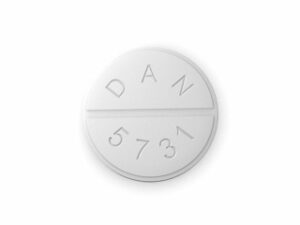


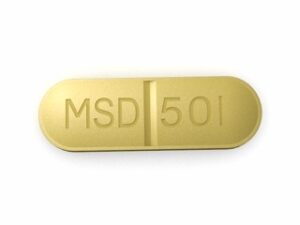
Imuran (Azathioprine) – Patient Information (Australia)
Imuran contains azathioprine, a medicine used to reduce immune system activity. It is commonly prescribed for certain autoimmune conditions and for preventing rejection in some transplant situations. This page explains how Imuran works, how it is typically taken, important safety information, and what to expect while monitoring your health.
This information is intended to help you understand your treatment. It does not replace advice from your doctor or pharmacist, and individual dosing and monitoring plans vary.
Quick facts
- Medicine: Imuran (azathioprine)
- What it does: Helps control overactive immune activity
- How it’s taken: Usually by mouth once or twice daily
- Monitoring: Regular blood tests are essential
- Onset: Benefits often take weeks (sometimes longer)
- Common risks: Low blood counts, liver effects, infections
Basic product information
| Category | Details |
|---|---|
| Generic name | Azathioprine |
| Brand example | Imuran |
| Medicine type | Immunosuppressant / antimetabolite |
| Available forms | Oral tablets (strengths vary by product) |
| Common monitoring | Full blood count (FBC), liver function tests (LFTs), thiopurine metabolite testing in some cases |
How Imuran works (mechanism of action)
Azathioprine is a “prodrug,” meaning it is converted in the body into active substances that affect immune cell function. These active metabolites interfere with DNA and RNA production in rapidly dividing cells, particularly immune cells.
The overall effect is reduced immune activity—helping control diseases where the immune system attacks the body (autoimmunity), and helping prevent transplant rejection where the immune system would otherwise target a new organ.
Pharmacokinetics: what happens in the body
Understanding how azathioprine is processed can help explain why monitoring is necessary and why food interactions matter.
Absorption
After oral dosing, azathioprine is absorbed and then converted to active metabolites. Absorption can vary between individuals.
Distribution and metabolism
- Azathioprine is metabolised mainly through pathways involving thiopurine methyltransferase (TPMT).
- Some people have genetic or functional differences that affect how efficiently azathioprine is processed. This may influence toxicity risk and can be assessed with testing (as advised by your clinician).
- Active metabolites accumulate in target cells and influence immune activity.
Elimination
Metabolites are cleared primarily via liver metabolism and subsequent excretion. Because the medication is processed through the liver, liver function monitoring is important.
Typical uses (indications)
Imuran is used in Australia for conditions where immune suppression can prevent damage or reduce inflammation. Indications may include:
- Autoimmune diseases, such as:
- Crohn’s disease
- Ulcerative colitis
- Autoimmune hepatitis
- Rheumatology uses in selected cases (your specialist will guide appropriateness)
- Prevention of organ transplant rejection (used alongside other immunosuppressants in many regimens)
Your treating doctor will determine whether azathioprine is suitable for your particular diagnosis, severity, and treatment history.
Dosing: general principles (individualised)
Dosing is individual and depends on the condition being treated, your blood counts, liver function, and sometimes TPMT status. Your clinician may adjust your dose based on response and side effects.
Common dosing approach
- Adults: Often dosed based on body weight and adjusted over time.
- Children: Dosing is typically weight-based and closely monitored.
- Initial period: Dose may be conservative early on due to risk of myelosuppression (low blood cells).
- Maintenance: Once stable, the lowest effective dose is often used.
Timing and how to take
Many people take azathioprine once or twice daily. The exact schedule for you should follow your clinician’s instructions. Try to take it at the same times each day.
- With food or without: Food may affect tolerance for some people (details below).
- Consistency: Keep your routine steady to support predictable dosing.
- If you miss a dose: Take it when you remember if it’s close to the next dose. If it’s near the next scheduled dose, skip the missed dose. Do not double up unless your clinician advises otherwise.
When will it start working?
Imuran is not an instant “rescue” medicine. If you’re taking it for an autoimmune condition, improvement may take several weeks, and in some cases up to 3–4 months for full effect.
Many people start azathioprine alongside other treatments (for example, steroids or biologics) and then gradually reduce other medicines as azathioprine takes effect—only under medical guidance.
Food interactions and practical eating tips
Food can influence comfort and, for some people, absorption and stomach tolerance. While azathioprine can be taken with or without food, taking it after a meal may reduce nausea or stomach upset for some users.
Practical tips
- Take with food if you get nausea: A small meal may help.
- Stay consistent: If you take it after breakfast every day, keep doing that.
- Hydration: Drink water with the tablet unless you’ve been told otherwise.
Diet considerations
There is no single “special diet” required. However, because you may be at higher risk of infection while immune suppression is active, it can be helpful to follow general food safety practices (for example, ensuring food is properly cooked and stored).
Alcohol and medicine interactions
Azathioprine can affect the liver. Alcohol may also affect liver health, and combining alcohol with a medicine that requires liver monitoring can increase risk of liver injury.
Alcohol guidance
- Avoid or limit alcohol unless your doctor has said it’s safe for you.
- If you notice symptoms such as yellowing of eyes/skin, dark urine, unusual fatigue, or right upper abdominal pain, seek medical attention promptly.
Common medicine interactions (examples)
Many medicines can affect azathioprine metabolism or increase risks such as low blood counts and liver effects. Always tell your doctor and pharmacist about everything you take, including herbal supplements.
Important interaction examples may include:
- Allopurinol and febuxostat (for gout): may require dose adjustments and can significantly increase toxicity risk.
- 5-aminosalicylates and other immunosuppressants: may increase side effects depending on the combination.
- Ribavirin (for hepatitis C) can increase risk of toxicity.
- Warfarin: monitoring may be needed if used together.
- Medicines that affect bone marrow: combination may increase risk of blood count suppression.
This is not a complete list. Your pharmacist can check interactions based on your specific medicines and doses.
Safety profile: what to know before and during treatment
Azathioprine can cause side effects, and the main safety strategy is regular monitoring to detect problems early. Not everyone experiences side effects.
Most important risks
- Low blood counts (myelosuppression): May lead to increased infection risk, bruising, or bleeding.
- Infection: Because it suppresses immune function, infections may occur more easily or become more serious.
- Liver-related effects: Liver enzyme changes can occur; monitoring is essential.
- Gastrointestinal symptoms: Nausea, diarrhoea, and stomach discomfort can occur, especially early.
Serious or urgent symptoms
Seek urgent medical advice if you develop any of the following:
- Signs of serious infection: fever, chills, severe sore throat, shortness of breath, or rapidly worsening symptoms
- Unusual bruising or bleeding, persistent mouth ulcers, or severe fatigue
- Yellowing of eyes/skin, dark urine, or severe abdominal pain
- Signs of an allergic reaction: swelling of face/lips, rash, or difficulty breathing
Long-term considerations
With long-term immunosuppression, there may be increased risk of certain malignancies. Your treating clinician will weigh benefits and risks, use the lowest effective dose, and recommend appropriate preventive measures (including skin protection).
Sun protection
Azathioprine may increase sensitivity to ultraviolet light. Using sunscreen, protective clothing, and avoiding excessive sun exposure can be important—especially for long-term use.
Monitoring schedule: blood tests and follow-up
Monitoring is a core part of azathioprine therapy. Typical tests include:
- Full blood count (FBC) – to detect low white blood cells, red blood cells, or platelets
- Liver function tests (LFTs) – to detect liver enzyme changes
- Thiopurine metabolite testing and/or TPMT testing may be considered in some settings to individualise dosing.
The exact frequency can vary (often more frequent early on and then less frequent once stable). Follow your clinician’s plan.
Practical use tips
How to take it correctly
- Use a pill organiser if it helps you stay consistent.
- Take at the same time(s) daily to maintain a steady routine.
- Do not change your dose without medical advice.
- If you’re switching brands or formulations, confirm with your pharmacist that dosing is unchanged.
Managing missed doses
If you miss a dose, take it as soon as you remember unless it’s close to the next dose. If close, skip the missed dose and continue your normal schedule.
Infection prevention while on azathioprine
- Practise good hand hygiene.
- Stay up to date with recommended vaccinations—discuss with your doctor, as some vaccines may not be suitable while immunosuppressed.
- Avoid close contact with people who have contagious infections when possible.
Monitoring symptoms at home
Keep track of symptoms that could suggest infection or medication side effects. If you develop fever or feel unwell, contact your healthcare team promptly.
Alternative options
Depending on your condition, your doctor may consider alternatives to azathioprine. These could include other immunosuppressants or targeted therapies. Suitability depends on your diagnosis, prior treatment response, and safety profile.
Examples of alternatives (not exhaustive)
- For autoimmune conditions: methotrexate, mycophenolate, leflunomide, biologic therapies (specific options vary by condition)
- For inflammatory bowel disease: biologics and other immune-modulating agents may be considered
- For transplant-related regimens: azathioprine may be replaced by other immunosuppressants depending on protocols
Your clinician can explain the rationale for choosing azathioprine in your case and whether an alternative might better suit you.
Australia: market and legal context
In Australia, medicines such as azathioprine are supplied under regulatory frameworks that include scheduling and prescribing rules. Availability can vary by formulation and supply arrangements. Your local pharmacy can advise on stock and typical lead times.
Azathioprine is an established medicine used across multiple specialties. Because safety relies on monitoring and dose individualisation, clinicians typically follow structured protocols for blood tests and follow-up.
Recent guidance and monitoring expectations
Clinical practice continues to emphasise:
- Risk assessment before starting (including TPMT status where appropriate)
- Regular FBC and LFT monitoring during treatment
- Awareness of drug interactions (particularly with medicines like allopurinol)
- Patient education on infection warning signs and when to seek urgent care
Guidelines and safety updates can evolve, and your healthcare team will align your care with current best practice.
Delivery and availability (online pharmacy)
Availability of Imuran may vary depending on supply and pharmacy stock levels. When you place an order online, delivery options and timelines can differ across regions and carrier services.
- Dispatch times: commonly within 1–2 business days if in stock (may vary).
- Delivery timeframes: depend on your location and selected shipping method.
- Substitution: your pharmacist may advise if an equivalent option is needed due to availability.
If you need the medicine urgently, contact customer support so they can check current stock and the fastest suitable delivery method.
FAQ
1) What is Imuran used for?
Imuran (azathioprine) is used to reduce immune activity. It may be prescribed for certain autoimmune diseases (such as Crohn’s disease, ulcerative colitis, or autoimmune hepatitis) and can be used in transplant settings to help prevent rejection.
2) How long does it take to work?
It usually takes weeks to notice improvement, and sometimes up to 3–4 months for maximum benefit (depending on the condition and your response).
3) How should I take it—morning or night?
Take it at the times your doctor has instructed (often once or twice daily). Choose a schedule that you can maintain consistently. If it upsets your stomach, taking it with food—sometimes at night—may help.
4) Can I take it with food?
Yes, azathioprine can usually be taken with or without food. If you experience nausea or stomach discomfort, taking it after a meal may improve tolerance.
5) Is it safe to drink alcohol?
Because azathioprine can affect the liver, it’s usually recommended to avoid or limit alcohol unless your doctor confirms it’s safe for you. Alcohol can increase liver strain.
6) What blood tests will I need?
Most people require regular full blood counts and liver function tests. Frequency is higher early in treatment and once stable may reduce, based on your clinician’s plan.
7) What are signs that I should contact my doctor urgently?
Contact your healthcare team urgently if you have signs of serious infection (such as fever), unusual bruising or bleeding, persistent mouth ulcers, severe fatigue, or symptoms that may indicate liver problems (such as jaundice).
8) Can Imuran be stopped if I feel better?
Do not stop or change your dose without medical advice. Stopping suddenly can lead to loss of disease control or increase risk of complications depending on the condition being treated.
9) Are there interaction risks with other medicines?
Yes. Some medicines can increase toxicity risk or affect how azathioprine works. Examples include allopurinol and certain other medicines used for gout or other immune conditions. Always check interactions with your pharmacist or doctor.
10) What if I miss a dose?
Take it when you remember if it’s not too close to the next dose. If it’s near the next dose, skip the missed dose and continue as scheduled. Do not double up.
11) What precautions should I take while on Imuran?
Practise infection prevention, follow monitoring appointments, use sun protection, and report new symptoms promptly—especially fever or signs of infection. Vaccination plans should be discussed with your doctor.
12) Are there alternatives to Imuran?
Yes, depending on your diagnosis. Other immunosuppressants and targeted therapies may be options. Your specialist can recommend the most appropriate approach for your needs.
Important: This page is general information. Your personal safety plan depends on your diagnosis, your other medicines, and your monitoring results.