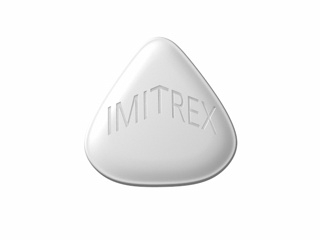
Sumatriptan (for migraine and cluster headache)
Sumatriptan is a well-known medicine used to treat acute attacks of migraine and cluster headache. It works by narrowing specific blood vessels in the brain and reducing pain pathways, helping many people return to normal activities sooner.
This page provides patient-friendly information about how sumatriptan works, how to use it safely, what to expect, and important interactions. It is written for people in Australia and reflects general prescribing and product guidance commonly used in the Australian healthcare setting.
Basic product information
- Active ingredient: Sumatriptan
- Common forms: Tablets, oral tablets that disintegrate, and injections (depending on the product brand and strength)
- Medicinal use: Acute (attack) treatment for migraine and cluster headache
- ATC (classification): N02CC01 (triptans)
- How it’s typically taken: By mouth for migraine (or as an injection for certain situations)
Note: Availability and exact strengths vary between products. Always check your specific brand label and directions provided by your pharmacist or doctor.
How sumatriptan works (mechanism of action)
Sumatriptan belongs to a class of medicines called triptans. During a migraine, several processes occur in the nervous system, including activation of pain pathways and release of inflammatory chemicals. Sumatriptan helps by acting on serotonin (5-HT) receptors—particularly the 5-HT1B and 5-HT1D receptors.
Its key actions include:
- Vasoconstriction (selective narrowing): It can narrow certain blood vessels involved in migraine.
- Reducing neuropeptide release: It helps limit release of substances that contribute to inflammation and pain.
- Interrupting pain signalling: It reduces activation of trigeminal (facial pain) pathways that carry migraine pain.
This is why sumatriptan is most effective when taken early in the attack, once migraine symptoms begin.
Pharmacokinetics: how the body processes sumatriptan
Pharmacokinetics describes what the body does to a medicine—how it is absorbed, distributed, metabolised, and eliminated.
Absorption
- When taken by mouth, sumatriptan is absorbed from the gastrointestinal tract.
- The speed of onset can depend on the formulation and whether the stomach is empty or full.
Distribution
- Sumatriptan distributes into tissues, including the central nervous system, to reach targets in migraine pathways.
Metabolism
- Sumatriptan is mainly metabolised in the liver, principally by monoamine oxidase A (MAO-A).
Elimination
- Metabolites are eliminated mainly through the kidneys (urine).
- Because metabolism is hepatic, people with significant liver impairment may need extra caution and dosing adjustments under professional guidance.
Practical implication: The medicine works best when taken soon after attack onset, but it still helps many people even if taken later—individual response varies.
Typical use and indications
Sumatriptan is indicated for the acute treatment of:
- Migraine attacks (with or without aura)
- Cluster headache attacks
Important: Sumatriptan is intended to treat attacks. It is not generally used to prevent migraines long-term (prevention usually involves different classes of medicines and lifestyle strategies).
When to take it (timing and onset)
To improve the chance of pain relief:
- Take as early as possible when you recognise a migraine attack starting.
- You do not need to wait for the headache to become severe.
- If you have aura, many people take sumatriptan when the headache begins. Follow the specific advice for your product and prescriber/pharmacist instructions.
- If the first dose doesn’t work or symptoms return, additional doses may be used—see Dosing below.
How quickly does it work?
- Some people feel improvement within 1–2 hours after taking it by mouth.
- Injections can act faster for suitable forms/products.
Do not exceed the maximum daily dose listed on your pack or product information.
Food interactions
Food may affect how quickly the medicine is absorbed.
- General guidance: Sumatriptan can usually be taken with or without food.
- If you feel nauseated: Taking it during vomiting or immediately after may reduce absorption for some people.
- For faster relief: If possible, taking it earlier rather than waiting for meals may help.
Always follow the instructions on your specific product. If you frequently experience nausea with migraine, it may be helpful to discuss additional treatments (such as anti-nausea options) with a healthcare professional.
Alcohol and medicine interactions
Alcohol
There is no single “safe amount” of alcohol for everyone using sumatriptan. Alcohol can trigger migraines or cluster headaches in many people and may worsen side effects such as dizziness or drowsiness.
- Recommendation: If alcohol is a known trigger, consider avoiding it during periods prone to attacks.
- If you choose to drink, do so cautiously and stop if you feel unwell.
Medicine interactions (important)
Sumatriptan interacts with some medicines, especially those affecting serotonin pathways or blood vessel tone.
Be especially careful with:
- Other triptans (for migraine/cluster): using them close together can increase risk of side effects related to blood vessel effects.
- Ergot alkaloids (older migraine medicines such as ergotamine): combining can increase risk of harmful blood vessel narrowing.
- MAO inhibitors (some antidepressants): may increase sumatriptan levels and side effects.
- Selective serotonin reuptake inhibitors (SSRIs), serotonin-norepinephrine reuptake inhibitors (SNRIs), and other serotonin-modulating drugs: there may be a risk of serotonin-related effects when combined. While the overall risk is not the same for all combinations, it’s important to let a pharmacist know what you take.
Tell your pharmacist about:
- All medicines you use, including migraine preventers, antidepressants, pain medicines, and herbal supplements
- Any history of heart or stroke problems
- Any symptoms of chest tightness or unusual reactions after taking triptans
Dosing: common adult approach
Dose varies depending on the form (tablet versus injection), strength, and your medical history. Always use the instructions provided on your pack or by your healthcare professional.
General adult dosing principles for migraine:
- Take an initial dose at the start of the attack.
- If symptoms return, a second dose may be considered.
- If the first dose does not help, another dose may be used in some circumstances, but you should confirm the approach with your specific product information.
- Do not exceed the maximum daily dose.
General adult dosing principles for cluster headache:
- People with cluster headache may use specific dosing schedules depending on the formulation and attack pattern.
- Some cluster headache protocols use injections because they can act quickly.
Important: If you are unsure about the dosing interval or maximum number of doses, check the product label or ask your pharmacist before using another dose.
Safety profile: who should be extra cautious
Sumatriptan can be very effective, but like all medicines it has potential side effects and important safety considerations.
Common side effects
These are often mild to moderate and usually settle:
- Warmth, flushing, or a “tingly” feeling
- Feeling of pressure or tightness (including chest or throat sensations)
- Dizziness or drowsiness
- Nausea
- Headache or fatigue after taking the medicine
Seek urgent medical care if you have
- Chest pain or symptoms that feel like heart-related pain, especially if severe or persistent
- Shortness of breath, fainting, or signs of an allergic reaction (swelling of face/lips, hives, trouble breathing)
- Sudden weakness, speech problems, or symptoms suggesting stroke
- Severe, persistent pain or worsening after use
When sumatriptan may not be suitable
Sumatriptan may be inappropriate or require careful professional assessment if you have:
- Known heart disease (such as angina or previous heart attack) or significant risk factors without prior evaluation
- History of stroke or transient ischaemic attacks (TIA)
- Uncontrolled high blood pressure
- Significant circulation problems
- Severe liver impairment (may require adjusted use)
Remember: Your risk profile matters. If you have never taken a triptan before, it’s particularly important to discuss safety considerations with a healthcare professional.
Practical use tips for better results
- Keep a migraine plan: Have the medicine available during times you might be at risk of attacks.
- Use at the right moment: Take when the attack starts rather than waiting until the pain is unbearable.
- Hydrate and rest: Many people benefit from drinking water, lying in a quiet dark room, and treating nausea.
- Track response: Note how long it took to work and whether you needed a second dose. This can help refine future choices with your pharmacist or doctor.
- Avoid “overuse headaches”: Using acute migraine medicines too frequently may increase the risk of medication-overuse headache. As a general safety principle, try not to use acute treatments on more days than recommended for your specific product and clinical plan.
- Do not share medicine: Each person’s risk profile and dosing needs are different.
- Store properly: Keep in a cool, dry place and follow the pack instructions.
Timing strategies if the first dose isn’t enough
Sometimes symptoms return as the medicine wears off. This doesn’t necessarily mean the treatment “failed.” Common approaches (consistent with many acute migraine action plans) include:
- If the initial dose helps but the headache returns, follow the dose interval and maximum daily limit provided with your specific product.
- If you repeatedly have poor response, it may be worth discussing alternative triptans, different formulations, or combination strategies (for example with anti-nausea medicines) with a healthcare professional.
Tip: If you need additional doses frequently, that’s a sign to review your overall migraine management plan (including prevention and triggers).
Alternative options
If sumatriptan doesn’t work well for you, you may have alternatives. Options depend on the type of headache, severity, and your medical history.
Other triptans
- Rizatriptan
- Eletriptan
- Zolmitriptan
- Others depending on Australian availability
Non-triptan acute migraine medicines
- Gepants (CGRP receptor antagonists) used for acute migraine (availability depends on current products)
- Lasmiditan (a ditan class, depending on availability)
- Anti-inflammatory pain medicines (NSAIDs) for some people, especially early in mild attacks
- Combination approaches (for example, an anti-nausea medicine plus an acute pain medicine)
Preventive strategies (for frequent attacks)
- Beta blockers, certain anticonvulsants, and antidepressant classes are used for prevention in appropriate patients.
- Lifestyle strategies such as regular sleep, hydration, and trigger management can reduce attack frequency.
Choosing an alternative: Discuss with a pharmacist or clinician, especially if you have heart disease risk factors, previous stroke/TIA, or take interacting medicines.
Australia: market and legal context
In Australia, medicines are regulated under the Therapeutic Goods Administration (TGA). Product categories and supply pathways depend on the specific formulation and strength. Patient access is supported by pharmacists and other healthcare professionals to ensure safe use.
Guidance for customers:
- Always check the product packaging for classification, dosing instructions, and active ingredient information.
- Follow advice from your pharmacist on suitability based on medical history and current medicines.
Recent guidance (general themes): Over recent years, Australian and international headache guidance has increasingly emphasized:
- Earlier treatment during attacks
- Review of medication-overuse risk
- Personalised choice between triptans and newer classes depending on cardiovascular risk and response
- Structured prevention plans for people with frequent migraine
If you have not had your migraine plan reviewed recently, it can be helpful to ask your healthcare professional whether your acute treatment is still the best match.
Delivery and availability (online pharmacy)
Sumatriptan products may be offered by online pharmacies depending on stock, product restrictions, and regulatory requirements. Availability and delivery options can vary by supplier.
Common customer expectations:
- Packaging: Products are typically delivered in secure protective packaging.
- Dispatch times: Vary based on location and stock.
- Cold chain: Sumatriptan tablets/injections generally do not require refrigeration unless specified by the particular product.
- Tracking: Many online pharmacies provide tracking updates.
Tip: If you use sumatriptan for sudden attacks, consider ordering ahead so you don’t run out during high migraine periods or seasonal triggers.
Safety checklist before using sumatriptan
- Confirm suitability: Have you been told it’s safe for you based on heart/stroke risk and medical history?
- Review interactions: Are you taking any antidepressants, triptans, ergot medicines, or MAO inhibitors?
- Know the maximum dose: Can you easily find your product’s maximum daily dose?
- Plan for nausea: Do you need an anti-nausea strategy?
- Recognise urgent symptoms: Do you know when to seek urgent help?
FAQ
1) Is sumatriptan used for every type of headache?
Sumatriptan is primarily used for migraine and cluster headache. For other headache types (such as tension-type headaches), other approaches may be more suitable.
2) Can I take sumatriptan with or without food?
Many people can take sumatriptan with or without food. If you have nausea or vomiting, take it when you are able to keep the medicine down. If attacks consistently involve severe stomach symptoms, discuss options with your pharmacist.
3) What if my migraine comes back after it improves?
Symptoms can return as the medicine effect wears off. You may be able to take an additional dose if you are within the recommended interval and maximum daily limit for your specific product.
4) How many doses can I take in a day?
The exact limit depends on the formulation and strength. Always follow the maximum daily dose stated on your product label or the consumer medicine information.
5) Can I drink alcohol while using sumatriptan?
Alcohol can worsen migraines or cluster headaches and may increase side effects such as dizziness. If you drink, do so cautiously and consider avoiding alcohol if it triggers attacks.
6) Are there interactions with antidepressants?
Some antidepressants that affect serotonin can interact with triptans. Let your pharmacist know all medicines you take so they can check for interactions and advise on safe use.
7) What side effects are common?
Common side effects include flushing/warmth, tingling, nausea, dizziness, and a sensation of pressure or tightness. Seek urgent help for severe chest pain, allergic reactions, or stroke-like symptoms.
8) Can sumatriptan cause medication-overuse headache?
Overusing acute migraine medicines can contribute to medication-overuse headaches. If you find you need sumatriptan very often, it’s important to review your overall migraine management plan, including preventive strategies.
9) Who should not use sumatriptan?
People with certain cardiovascular conditions, previous stroke/TIA, uncontrolled high blood pressure, or certain other medical issues may not be suitable for sumatriptan. A pharmacist can help assess suitability based on your history and current medicines.
10) Are there alternatives if sumatriptan doesn’t work for me?
Yes. Options may include other triptans or other acute migraine medicine classes, as well as preventive treatments for frequent migraine. The best choice depends on your response and safety profile.
Quick reference table
| Topic | Summary |
|---|---|
| What it’s for | Acute treatment of migraine attacks and cluster headache attacks |
| How it works | Activates serotonin 5-HT1 receptors to reduce migraine pain pathways and selectively constrict relevant blood vessels |
| Best timing | As early as possible once migraine symptoms begin (or when headache starts in aura) |
| Food effects | Often can be taken with or without food; nausea/vomiting may affect absorption |
| Alcohol | May worsen headache triggers and side effects; use caution |
| Key interactions | Other triptans, ergot medicines, MAO inhibitors, and certain serotonin-modulating antidepressants |
| Safety watch-outs | Urgent help for severe chest pain, allergic reactions, stroke-like symptoms |
| Common side effects | Flushing/warmth, tingling, dizziness, nausea, pressure sensations |
Disclaimer: This information is intended for general consumer education and does not replace personalised advice from a pharmacist or clinician. If you have questions about suitability, dosing intervals, interactions, or side effects, speak with a healthcare professional before using sumatriptan.