
Fosamax (Alendronate) – Patient Information (Australia)
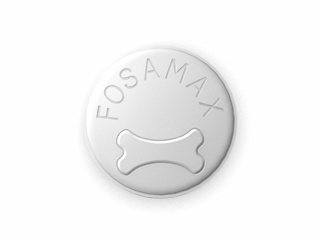
Fosamax is a brand of alendronate, a medicine used to strengthen bones and reduce the risk of fractures in people with osteoporosis and other bone-related conditions. This page explains how it works, how to take it safely, key interactions, and what to expect.
Key Product Facts
| Category | Details |
|---|---|
| Medicine name | Fosamax (alendronate) |
| Active ingredient | Alendronate (a bisphosphonate) |
| How it works | Reduces bone breakdown (anti-resorptive) |
| Typical dosing forms | Oral tablets (commonly once weekly or once daily, depending on strength) |
| Common use | Osteoporosis prevention/treatment; high fracture risk conditions |
| Main safety concern | Esophageal irritation; rare jaw problems (osteonecrosis) |
How Fosamax Works (Mechanism of Action)
Bone is constantly remodeled. Your body balances bone breakdown (mainly by osteoclasts) and bone building (mainly by osteoblasts). In osteoporosis, this balance shifts toward breakdown, leading to weaker bones.
Alendronate belongs to a group called bisphosphonates. It attaches to bone mineral and is preferentially taken up by active bone-resorbing cells. Within those cells, alendronate reduces their activity and survival, which results in:
- Less bone resorption (slower breakdown)
- Improved bone mineral density over time
- Reduced fracture risk, particularly hip and vertebral (spine) fractures
Pharmacokinetics (How the Body Handles Alendronate)
Understanding timing helps explain why Fosamax has strict instructions for taking it on an empty stomach.
- Absorption: Oral absorption is relatively low and is significantly reduced by food and many beverages, including those containing minerals.
- Distribution: Once absorbed, alendronate binds strongly to bone. It may remain associated with skeletal surfaces for long periods.
- Metabolism: It is not extensively metabolised by the body.
- Elimination: It is mainly excreted unchanged through the kidneys.
- Long-term effect: Even though the drug is cleared over time, its presence in bone contributes to sustained action.
Typical Use in Australia
Fosamax is commonly used in adults to: treat osteoporosis or prevent osteoporosis in people at increased risk of fractures. It may also be used for other specific bone conditions as determined by a healthcare professional.
Osteoporosis can occur in men and women. Risk factors include ageing, previous fractures, steroid use (e.g., corticosteroids), low body weight, smoking, excessive alcohol intake, and certain medical conditions.
Indications (Who Fosamax Is For)
Fosamax is used for conditions where reducing bone loss is important to prevent fractures. In Australia, typical indications include:
- Osteoporosis in postmenopausal women (treatment to reduce fracture risk).
- Osteoporosis in men (treatment when fracture risk is elevated).
- Glucocorticoid-induced osteoporosis (for people receiving long-term corticosteroids where appropriate).
- Prevention of osteoporosis in certain high-risk groups, depending on clinical assessment and guidelines.
If you’re unsure whether Fosamax is appropriate for your specific situation, speak with a qualified clinician. Individual choice depends on fracture risk, kidney function, other medicines, and overall health.
Dosing: Timing and How to Take Fosamax
Fosamax must be taken in a way that improves absorption and protects your oesophagus (the tube from the mouth to the stomach). Follow your dose schedule carefully. Dosing regimens may differ by tablet strength.
Typical dosing schedules
- Once weekly dosing is commonly used for osteoporosis in many adults.
- Once daily dosing may be used for some indications or specific product strengths.
Do not change your schedule unless your healthcare provider advises you to.
How to take Fosamax (very important)
- Take it first thing in the morning, on an empty stomach.
- Use only plain water to swallow the tablet.
- Do not chew or crush the tablet.
- Stay fully upright (sitting or standing) for at least 30 minutes after taking the dose.
- Do not lie down during this time.
- Wait before eating or drinking anything other than water (the usual requirement is at least 30 minutes, and longer if instructed for your product regimen).
Your instructions may vary slightly based on the exact tablet regimen you are using. Always follow the instructions supplied with your product.
Missed dose
If you miss a dose, take it as soon as you remember on that day if it’s close to the planned time. If it’s nearly time for your next dose, skip the missed dose and continue your regular schedule.
Avoid taking two doses together. If you’re unsure, ask a pharmacist or clinician for advice based on your schedule.
Food Interactions (What to Avoid)
Food and certain drinks can significantly reduce how well alendronate is absorbed. For best results:
- Take Fosamax on an empty stomach.
- Avoid eating, coffee, tea, milk, or juice for the required waiting period after your dose.
- Be careful with mineral-containing drinks (for example, water with high mineral content may affect absorption for some people).
If you take Fosamax correctly (first thing, with plain water, upright posture, and a waiting period before food), absorption is much more reliable.
Alcohol and Medicine Interactions
Alcohol
Moderate alcohol is not usually an issue for most people taking alendronate. However, excessive alcohol can increase fracture risk by affecting bone health, balance, and fall risk. It can also irritate the stomach and oesophagus.
If you drink alcohol, consider keeping intake moderate and discuss your risk factors with your healthcare professional.
Common medicine interactions
Some medicines can interfere with absorption or increase the risk of certain side effects:
- Calcium, iron, magnesium, zinc, and multivitamins: These can reduce absorption. Take them at a different time than Fosamax (commonly later in the day).
- Antacids and medications that affect stomach acidity: These may alter absorption if taken too close to your dose. Separate dosing by several hours if required.
- Non-steroidal anti-inflammatory drugs (NSAIDs) (e.g., ibuprofen, naproxen): While not always a direct absorption issue, using NSAIDs may increase gastrointestinal irritation in some people.
- Corticosteroids: They can contribute to bone loss; your clinician may use Fosamax specifically to counteract this risk.
- Other osteoporosis medicines: There may be situations where therapy is adjusted (for example, switching to or from a different class). Do not combine without professional guidance.
- Kidney-affecting medicines: Because alendronate is cleared by the kidneys, kidney function may guide suitability and dosing.
Always tell your pharmacist about all medicines, including supplements and herbal products. This helps avoid timing problems and reduces side effects.
Safety Profile: Important Risks and When to Seek Help
Fosamax is widely used and generally well-tolerated when taken correctly. However, like all medicines, it has potential side effects and rare but serious risks.
Common side effects
- Heartburn or indigestion
- Stomach discomfort
- Reflux symptoms
- Nausea
Serious side effects (seek medical advice urgently)
- Oesophageal irritation: Trouble swallowing, pain when swallowing, or new/worsening chest pain. Stop and get urgent medical advice.
- Severe abdominal pain or vomiting blood/black stools: These may indicate significant gastrointestinal bleeding and require urgent care.
Rare but important long-term risks
- Osteonecrosis of the jaw (ONJ): Rarely, persistent jaw pain, swelling, poor healing after dental procedures, or exposed bone can occur. Risk may be higher with invasive dental work, poor oral hygiene, smoking, or certain cancer treatments (different from osteoporosis regimens).
- Atypical femoral fractures: Rare fractures may occur with minimal trauma. Warning signs can include thigh or groin pain. Report new persistent thigh/groin pain promptly.
- Low calcium (hypocalcaemia): More likely in people with low vitamin D or certain medical conditions. Adequate vitamin D and calcium intake helps reduce risk.
Practical Use Tips (Getting the Best Results)
- Make it part of your routine: Choose the morning time that fits your schedule. If you take a weekly dose, keep the same day each week.
- Plain water only: Use water to swallow the tablet. Avoid coffee, tea, juice, milk, or mineral drinks at the time of dosing.
- Stay upright: If you can’t stay upright (for example, due to mobility or reflux issues), discuss alternatives with a pharmacist or clinician.
- Consider vitamin D and calcium: Many people need supplements alongside bisphosphonates to support bone health. Supplements should be taken at a different time from Fosamax.
- Oral hygiene: Maintain good dental care. Inform your dentist that you are taking a bisphosphonate.
- Review medicines: Check with your pharmacist if you start new supplements or antacids to ensure timing is correct.
- Monitor symptoms: If you develop swallowing difficulties or chest discomfort, contact a clinician promptly.
What to Expect: Timing of Benefits
Bone density improvements generally take time. Many people notice no immediate “feeling” from the medicine, because osteoporosis is often symptom-free. The main benefit is reduced fracture risk over months and years.
- Early period: Focus on taking it correctly and maintaining adequate calcium/vitamin D.
- After several months: Bone density may improve; your clinician may use scans (e.g., DEXA) and risk assessment to monitor progress.
- Long-term plan: Some patients benefit from periodic reassessment (“review of ongoing therapy”) based on risk level.
Alternative Options (Other Treatments for Osteoporosis)
If Fosamax isn’t suitable due to side effects, swallowing difficulty, kidney function, or personal preference, there are alternative options. Your clinician can advise based on your risk profile and history.
Other bisphosphonates
- Risedronate (oral; different timing regimen)
- Zoledronic acid (intravenous infusion, typically yearly or per schedule)
Other classes
- Denosumab (injection; anti-resorptive)
- Teriparatide or abaloparatide (injection; anabolic options in certain cases)
- Romosozumab (injection; selected patients depending on risk)
Switching treatments may depend on fracture history, imaging results, and tolerance. Do not stop or switch without advice, as some medicines require careful planning to maintain benefit.
Pharmacist/Clinician Guidance and Recent Updates (Australia)
Recommendations for osteoporosis management in Australia are guided by evidence-based clinical practice guidelines, which are periodically updated. Current themes commonly include:
- Fracture risk assessment: Treatment decisions often rely on overall risk, not just bone density.
- Correct administration to reduce oesophageal irritation: Strict timing and posture remain central.
- Review of long-term bisphosphonate therapy: Many patients have ongoing treatment reviewed over time to balance benefits and rare risks.
- Dental risk awareness: People on anti-resorptive therapy are advised to maintain oral health and communicate with dentists before invasive procedures.
- Optimising vitamin D and calcium: Ensuring adequate intake helps reduce complications and supports therapy effectiveness.
Your healthcare professional can provide advice tailored to your individual risk and the most current local recommendations.
Market and Legal Context in Australia
In Australia, access to medicines like Fosamax is regulated under national medicines and pharmacy frameworks. Availability may depend on the specific product strength and packaging, and supply through approved channels.
Online pharmacies must operate in line with Australian laws and professional pharmacy requirements. For patient safety, the correct product, dose strength, and directions should be provided, and pharmacists may check suitability based on health and medicine history.
If you have questions about which Fosamax product strength is appropriate or about suitability for your health profile (for example, kidney function or swallowing conditions), contact a pharmacist.
Delivery and Availability
Fosamax may be available through approved pharmacy services in Australia. Typical delivery timeframes depend on stock availability and your location. Some pharmacies offer:
- Home delivery within Australia
- Standard or express shipping options
- Tracking updates for dispatched orders
Availability can change based on supplier deliveries. If a specific strength or dosing schedule is temporarily out of stock, a pharmacist may suggest an alternative option while maintaining safe dosing instructions.
FAQ: Common Questions About Fosamax (Alendronate)
1) Can I take Fosamax with my morning coffee?
No. Fosamax should be taken with plain water only. Coffee and other beverages can reduce absorption. Wait until after the recommended time before consuming anything besides water.
2) What happens if I accidentally lie down after taking it?
Lying down soon after taking Fosamax may increase the risk of oesophageal irritation and reflux. If this happens occasionally, don’t panic, but return to the correct upright practice next dose and report persistent symptoms to a clinician.
3) Do I need to take calcium and vitamin D?
Many people benefit from adequate calcium and vitamin D to support bone health and reduce the risk of low calcium. The exact need depends on diet, blood tests, and medical history. Your pharmacist or clinician can advise on timing and appropriate doses.
4) Can I take antacids or stomach medicines with Fosamax?
Some stomach medicines can affect absorption if taken too close to Fosamax. Ask your pharmacist for a safe schedule. In general, calcium/antacids are usually taken at a different time from Fosamax.
5) How long will I need to take Fosamax?
Treatment is typically long-term, with periodic review of whether to continue based on your fracture risk, bone density, age, and tolerance. Don’t stop without advice, but also don’t assume indefinite treatment without review.
6) Is Fosamax safe for people with dental problems?
Fosamax is not automatically unsafe, but it requires careful dental communication. Tell your dentist you take alendronate. If you require invasive dental work, discuss timing and prevention with your clinician and dentist.
7) Who should not take Fosamax?
Fosamax may not be suitable for everyone. People with certain swallowing disorders, inability to remain upright, or significant kidney impairment may require alternatives. Your pharmacist can help check suitability based on your health information.
8) What should I do if I have trouble swallowing?
New or worsening difficulty swallowing, pain when swallowing, or chest pain should be assessed promptly. Contact a clinician urgently and stop taking further doses until you’ve been advised.
9) Can I take Fosamax with other osteoporosis medicines?
Sometimes medicines may be combined or switched, but this must be planned carefully to avoid duplication or increased side effects. Only use combinations that have been specifically recommended for you.
10) Are there any signs of rare jaw or bone complications?
Report any persistent jaw pain, swelling, loose teeth, delayed healing after dental procedures, or new persistent thigh/groin pain. These symptoms don’t always mean a complication, but they should be evaluated.
Summary
Fosamax (alendronate) helps reduce bone breakdown to strengthen bones and lower fracture risk. Success depends heavily on correct administration: take it on an empty stomach with plain water, remain upright for at least 30 minutes, and separate it from food, calcium, and certain supplements. While most people tolerate Fosamax well, it’s important to be alert to oesophageal symptoms and to discuss dental care and long-term therapy reviews.
If you’d like, share your dosing schedule (once weekly or once daily) and any other medicines or supplements you take, and a pharmacist can help you plan timing safely.