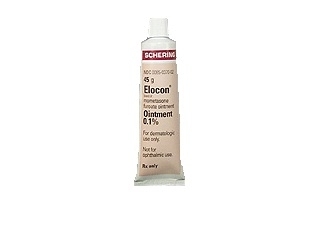
Elocon (Mometasone) – Patient-Friendly Guide (Australia)
Elocon is a brand of mometasone, a corticosteroid medicine used on the skin to help reduce inflammation, redness, itching, and swelling. It is commonly used for certain inflammatory skin conditions. This guide explains how Elocon works, how it is typically used, what to expect, and important safety considerations for adults and children in Australia.
Note: This information is general and educational. Always read your product label and follow the instructions provided by your healthcare professional or pharmacist.
1) Basic product information
- Active ingredient: Mometasone (topical corticosteroid)
- Brand: Elocon
- Formulations commonly available: Cream, ointment, and sometimes lotion (depending on product availability)
- Strength: Often 0.1% w/w in topical formulations (check your specific product packaging)
- Where it’s applied: Skin only (not for eyes, mouth, or inside the body)
In Australia, Elocon products are regulated medicines. Availability and pack sizes can vary by brand and supplier. Your pharmacist can confirm the exact form and strength you have.
2) How Elocon works (mechanism of action)
Mometasone is a topical corticosteroid. When applied to affected skin, it helps reduce the inflammatory response. Corticosteroids work by modulating immune activity in the skin, which can lead to:
- Less inflammation and swelling
- Reduced redness
- Decreased itching and irritation
- Improved appearance and comfort
Elocon does not “cure” the underlying tendency for some conditions to flare, but it can help control symptoms and reduce inflammation during flares and (in some cases) as part of a long-term plan.
3) Pharmacokinetics (how the body handles it)
Because Elocon is applied to the skin, most of the drug’s action is local. However, some absorption through the skin can occur, especially when skin barriers are damaged or under certain conditions.
What influences absorption?
- Skin thickness and condition: Thinner or inflamed skin may absorb more
- Where it is applied: Absorption tends to be higher on thin skin areas (e.g., face, groin, armpits)
- Use under occlusion: Covering with tight bandages or occlusive dressings can increase absorption
- Amount used and duration: Higher amounts and longer treatment increase overall exposure
- Children: Children’s skin absorbs proportionally more, so caution is especially important
Systemic exposure
In general, when used as directed on intact skin for short periods, systemic absorption is low. With excessive or prolonged use—particularly over large areas—there is a greater risk of systemic corticosteroid effects.
Elocon is metabolised in the body and eliminated in urine and bile. The exact absorption level depends on the factors above.
4) Typical uses and indications (what it helps)
Elocon is used for inflammatory skin conditions that respond to corticosteroid treatment. Indications can vary slightly by product registration and local prescribing guidance, but topical mometasone is commonly used for:
- Atopic dermatitis (eczema)
- Contact dermatitis (irritant or allergic, as advised)
- Plaque psoriasis in selected cases (often under clinician guidance)
- Other steroid-responsive inflammatory dermatoses
If your skin has an infection (e.g., fungal, bacterial) or signs of viral infection (e.g., cold sores, chickenpox), a steroid alone may worsen the condition. Your clinician may recommend combination treatment or alternative therapy.
5) When to apply (timing and how soon you may notice effects)
Many Elocon regimens are once daily. Your exact schedule depends on the condition and area treated. A common approach is:
- Typically: Apply a thin layer to affected skin once daily.
- Consistency matters: Use at the same time each day if possible.
- Improvement: Some people notice reduced redness and itch within a few days, while full control may take 1–2 weeks.
- Stop when controlled: Once symptoms improve, treatment is often reduced or stopped as advised.
If there is no improvement after about 2 weeks (or earlier if instructed), speak with a pharmacist or doctor. Persistent symptoms may indicate the wrong diagnosis, incorrect application, or the need for a different therapy.
6) Dosing and practical application tips
General dosing principles
- Use the smallest amount that controls symptoms.
- Thin layer only—do not rub in excessively beyond what’s needed to cover the area.
- Avoid eyes and mucous membranes (e.g., inside nose, mouth).
- Wash hands after applying unless hands are the treated area.
How much to use?
A widely used method is the finger-tip unit (FTU): an amount of topical medication squeezed from the fingertip to the first crease of the finger, roughly covering a specific skin area. Your pharmacist can help estimate the right amount for your body area.
Step-by-step practical use
- Clean and gently dry the area (unless otherwise advised).
- Apply a thin layer of Elocon to the affected skin.
- Gently smooth it in.
- Let it dry before dressing the area.
- Wash your hands after use.
Moisturiser advice
Many people use moisturisers alongside topical steroids. Common strategies include:
- Apply moisturiser on non-treated times of day (e.g., morning and evening), then apply Elocon once daily (as directed).
- Apply moisturiser first and allow time to absorb, then apply Elocon (or vice versa) as advised by your pharmacist.
Avoid mixing Elocon directly with moisturisers in the same container.
7) Food interactions
Elocon is applied to the skin, and clinically significant food interactions are not expected. Its absorption is generally low when used appropriately. Still, always follow your healthcare professional’s advice and report any unexpected reactions.
8) Alcohol and medicine interactions
Alcohol
There is no specific interaction between topical Elocon and alcohol reported as a common concern. However, alcohol may worsen some skin conditions for certain people (e.g., by triggering flare-ups or worsening inflammation). If you notice a pattern between drinking alcohol and flaring, consider discussing it with your clinician.
Interactions with other medicines
Because systemic absorption is usually limited, drug–drug interactions are not common. That said, interactions can occur indirectly through increased risk of side effects when:
- Multiple steroid-containing products are used at the same time (e.g., other steroid creams)
- Combination products are used inappropriately (e.g., steroid on undiagnosed infection)
- Prolonged use increases systemic corticosteroid exposure (especially in children or over large areas)
Tell your pharmacist or clinician about all medicines you use, including:
- Other topical creams/ointments
- Oral medicines (including immune-modulating therapies)
- Herbal products and supplements
9) Safety profile (who should be careful and possible side effects)
Topical corticosteroids can be very effective when used correctly. Risks increase with higher potency, larger areas, occlusion, and longer duration. Follow the direction on the label or from your healthcare professional.
Common local side effects
- Skin burning, stinging, or irritation
- Dryness or scaling
- Folliculitis (small inflamed bumps)
- Redness or worsening of rash (especially if diagnosis is incorrect)
Less common but important risks
- Skin thinning (atrophy) and visible blood vessels
- Stretch marks (striae)
- Perioral dermatitis or acne-like changes (more likely on face)
- Rebound flare if stopped abruptly after long-term use
- Changes in skin colour at the treated site
- Infection risk where steroid masks infection symptoms
Systemic corticosteroid effects (rare when used correctly)
Systemic effects are uncommon with appropriate short-term use. They become more likely when:
- Used over large areas
- Used for long periods
- Applied under occlusion (e.g., tight coverings)
- Used in children or in very thin/irritated skin
Possible systemic concerns include effects on growth and adrenal function in children, especially with excessive use.
When to seek medical advice urgently
- Signs of worsening infection (increasing pain, spreading redness, pus, fever)
- Severe irritation, blistering, or allergic reaction (swelling, hives, breathing difficulty)
- No improvement or rapid worsening after starting treatment
Special populations
- Children: Use only as directed. Avoid long-term continuous use unless specifically advised.
- Pregnancy and breastfeeding: Discuss with a healthcare professional. If used, typically apply the smallest amount for the shortest time to the smallest area possible.
- Elderly: Skin may be thinner; be cautious with duration and amount.
10) Practical use tips to improve results and reduce risk
Tips for better control
- Apply to the affected area as specified—avoid using on unaffected surrounding skin unless advised.
- Use once daily (or exactly as directed), rather than multiple times unless instructed.
- Keep nails short to reduce skin damage from scratching.
- Use fragrance-free moisturisers to support the skin barrier.
- Reassess triggers: dryness, irritants, allergens, stress, and temperature changes can contribute to flares.
Avoid common mistakes
- Using too much or covering with occlusive dressings unless advised
- Continuing treatment for longer than recommended
- Using on suspected fungal infection without assessment
- Applying near the eyes without guidance (risk of eye side effects)
11) Alternative options (depending on the condition and severity)
If Elocon isn’t suitable or symptoms persist, alternatives may include:
Other topical anti-inflammatory options
- Different strength topical corticosteroids (lower or higher potency based on severity and site)
- Non-steroidal anti-inflammatory treatments such as topical calcineurin inhibitors (for selected conditions, especially long-term sensitive areas)
- Barrier repair moisturisers as a core component of eczema care
When infection is suspected
If bacterial or fungal infection is present or suspected, treatment may need to target the infection (for example, antifungal or antibacterial therapy), and a steroid alone may not be enough.
Your pharmacist or clinician can help choose the safest and most effective option based on your diagnosis.
12) Market and legal context for Australia (general)
In Australia, therapeutic goods are regulated under the TGA (Therapeutic Goods Administration). Medicines such as topical corticosteroids are supplied with labels, consumer medicine information, and usage instructions. Pharmacy supply helps ensure appropriate advice on correct use, especially for potent medicines.
Availability and classification (e.g., whether it is behind-the-counter or available through pharmacy channels) can depend on the specific product and strength. Always check the product you are purchasing and follow the instructions provided.
13) Recent guidance and stewardship (what clinicians commonly recommend)
Over time, dermatology and primary care guidance has emphasised “right treatment, right time, right amount” for topical corticosteroids. This often includes:
- Using the lowest potency that controls symptoms
- Short course to achieve control, then stepping down or stopping when appropriate
- Avoiding long-term continuous use unless specifically planned
- Monitoring high-risk sites (face, eyelids, groin) and using caution in children
- Supporting the skin barrier with moisturisers and avoidance of triggers
If you’ve been using a topical steroid regularly for a long time, it may be worth reviewing your plan with a clinician to reduce risks.
14) Delivery and availability (Australia)
Elocon may be available as a cream, ointment, and/or lotion depending on local supply. Many online pharmacies deliver to Australian addresses (delivery time varies by location and supplier).
- Availability: Check live stock on the product page.
- Delivery: Typically dispatched within business hours where available stock is ready.
- Packaging: Products are supplied in sealed packaging to ensure quality and traceability.
If you’re unsure which formulation suits your skin condition (e.g., cream vs ointment vs lotion), ask your pharmacist— the base can affect comfort, moisture, and ease of application.
15) FAQ – Frequently asked questions
Can I use Elocon on my face?
Elocon can sometimes be used on face for specific conditions, but the face is higher risk for side effects such as skin thinning and perioral dermatitis. Use only if your healthcare professional advises it, and follow the shortest effective course.
Is Elocon safe for children?
It can be used in children in some situations, but dosing and duration should be carefully managed. Because children absorb more through skin, avoid prolonged or large-area use unless specifically directed.
How long will it take to work?
Many people notice improvement in redness and itching within a few days. If there is little or no improvement after about 2 weeks, or symptoms worsen, seek advice to confirm the diagnosis and treatment plan.
Should I stop Elocon when my skin looks better?
Often, treatment is continued until control is achieved and then stepped down or stopped as advised. Stopping too abruptly after long-term continuous use may lead to rebound symptoms—ask for a plan if you’ve used it for weeks or months.
Can I cover the treated area with a bandage?
Do not use tight occlusion (e.g., plastic wrap or airtight dressings) unless a healthcare professional instructs it. Occlusion can increase absorption and the risk of side effects.
What if my rash is itchy but also looks infected?
Signs such as oozing, crusting with honey-coloured scales, rapidly spreading redness, or painful swelling may suggest infection. A steroid can mask symptoms, so it’s important to get the rash assessed.
Can I use moisturiser with Elocon?
Yes—moisturiser is often recommended alongside steroid treatment for eczema. Apply moisturiser as advised (commonly at different times of day) and avoid mixing products in the same container.
Is there any interaction with alcohol?
No common direct interaction is expected. If alcohol seems to trigger your skin flares, consider reducing intake and discuss it with a clinician.
Will food affect Elocon?
Food interactions are not expected because Elocon is topical. Still, maintain general health and hydration to support skin barrier function.
What should I do if I miss a dose?
Apply it when you remember unless it’s near the time for your next dose. Do not apply extra product to “catch up.” If you’re unsure, ask your pharmacist.
Where should I store Elocon?
Store at room temperature as directed on the package, keep out of reach of children, and check the expiry date.
Summary
Elocon (mometasone) is a topical corticosteroid used to reduce inflammation and symptoms of steroid-responsive skin conditions. For best results, apply a thin layer as directed, use it for the shortest effective time, and support the skin barrier with moisturisers. If symptoms do not improve or if infection is suspected, seek advice to ensure safe and effective treatment.
For personalised advice: Contact your pharmacist or healthcare professional, especially for treatment in children, on facial skin, or if you have recurrent or severe symptoms.