
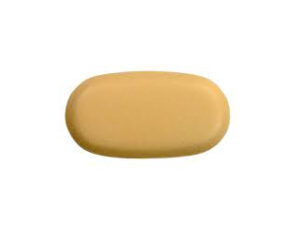
Dolutegravir (DTG) — Patient Information (Australia)
Dolutegravir is an antiretroviral medicine used to treat human immunodeficiency virus (HIV) infection. It is an integrase strand transfer inhibitor (INSTI), helping to control the virus and reduce the amount of HIV in the body. When used as part of an appropriate combination regimen, dolutegravir can help people achieve and maintain an undetectable viral load, improving long-term health outcomes.
This information is designed to help you understand how dolutegravir works, how it is typically taken, and what to consider for safety and interactions. It is general information and does not replace advice from your treating team.
Quick product summary
- Medicine name: Dolutegravir
- Drug class: Integrase strand transfer inhibitor (INSTI)
- Common uses: Treatment of HIV infection in combination with other antiretroviral medicines
- Typical forms: Oral tablets (strengths vary by brand; your pack will show the exact dose)
- How it works: Blocks an HIV enzyme required for the virus to replicate
- Key practical considerations: Food effects with some regimens are minimal, but antacids/metal-containing supplements can affect absorption
How dolutegravir works (mechanism of action)
HIV uses a crucial enzyme called integrase to “insert” its genetic material into the DNA of the infected human cell. This step is necessary for HIV to replicate and persist.
Dolutegravir inhibits integrase by binding to the integrase enzyme and preventing the strand transfer step. As a result, HIV cannot successfully integrate into host DNA, which reduces viral replication.
Because dolutegravir works at an early and specific stage in the HIV life cycle, it is a key component of many modern combination regimens.
Pharmacokinetics (how the body handles it)
Pharmacokinetics describes what happens after you take a medicine—how it is absorbed, distributed, metabolised, and removed from your body.
- Absorption: Dolutegravir is absorbed after oral dosing. The presence of certain minerals (such as those found in some antacids and supplements) can interfere with absorption.
- Onset & peak levels: After taking a dose, drug levels rise in the bloodstream and reach peak concentrations within a few hours (timing can vary by formulation and individual factors).
- Distribution: Dolutegravir distributes throughout body tissues and can reach therapeutic levels where HIV replicates.
- Metabolism: The medicine is metabolised in the liver and other tissues mainly via pathways involving UGT1A1 (your pharmacy can advise about interactions relevant to your regimen).
- Elimination: Dolutegravir is cleared from the body through metabolism and excretion (with contributions from both renal and non-renal routes).
Adherence matters: Because HIV can rapidly develop resistance when drug levels fall, taking dolutegravir at consistent times each day is important for maintaining control of the virus.
Typical use in Australia
Dolutegravir is used as part of combination antiretroviral therapy for HIV. It is commonly included in regimens for:
- Starting treatment (first-line or initial combination therapy)
- Switching treatment to improve tolerability, simplify dosing, or address efficacy
- Maintaining viral suppression for people already controlled on an effective regimen
- Paediatric use in certain age/weight groups, depending on dosing and formulation
Your treating team will choose the combination that best matches your viral resistance history, previous medicines, overall health, and preferences.
Indications (when dolutegravir is used)
Dolutegravir is indicated for the treatment of HIV infection in combination with other antiretroviral medicines in appropriate patient groups as guided by local clinical protocols.
It may be used in specific populations including treatment-naïve individuals and those with prior antiretroviral exposure, subject to resistance testing and regimen selection.
How to take dolutegravir (timing and dosing)
General timing
Dolutegravir is usually taken depending on the regimen and patient factors. Your package instructions and treating team’s plan will specify the exact schedule.
- Try to take it at the same time each day.
- If you miss a dose, follow your specific instructions (see FAQ for practical guidance).
- Do not stop or change doses without advice—changes can lead to viral breakthrough and resistance.
Food and dosing flexibility
For many people, dolutegravir can be taken with or without food. However, specific combinations and circumstances (particularly related to absorption) may require additional timing considerations.
- With food: Often acceptable and may improve tolerability for some people.
- Without food: Also commonly acceptable for standard adult dosing.
Important: Your regimen may include medicines that change the recommended timing with meals. Always follow the instructions specific to your combination.
Dose adjustment considerations
Dose adjustments are sometimes required for certain medicines that interact with dolutegravir, and in special circumstances such as kidney or liver impairment. Your prescriber and pharmacist will determine whether any adjustments are necessary.
Dosing table (typical schedules)
| Patient group / regimen | Typical dolutegravir schedule | Notes |
|---|---|---|
| Many adults (standard regimens) | Once daily | Exact dose depends on the combination regimen and clinical plan. |
| Selected situations (some regimens) | Twice daily | May be used depending on drug interactions or clinical factors. |
| Children/adolescents (based on weight/age) | Regimen-specific | Dose and formulation must match the local dosing guidance for paediatric use. |
If you need your specific dose details, check the label on your medication pack or ask your pharmacist.
Food interactions
Dolutegravir has generally flexible administration with food for many regimens. That said, there are a few important considerations:
- Minerals and supplements: Products containing calcium, iron, magnesium (including some multivitamins and mineral supplements) may bind dolutegravir and reduce absorption.
- Antacids: Certain antacids (especially those containing aluminium or magnesium) can affect absorption. Timing separation may be required.
- Oral “magnesium/aluminium” products: If you use these for reflux or indigestion, plan timing carefully with your pharmacist.
Practical rule of thumb: If your regimen involves antacids or mineral supplements, ask your pharmacist for an exact schedule. In many cases, you may be advised to take dolutegravir at a time separated from these products.
Alcohol and medicine interactions
While dolutegravir is not directly “contraindicated” with alcohol, alcohol can affect health in several ways:
- Liver health: If you drink heavily or have liver disease, alcohol can worsen liver stress. Dolutegravir is metabolised in the body, so protecting liver health is important.
- Adherence: Alcohol can lead to missed doses, which increases the risk of viral breakthrough and resistance.
- Interactions via other medicines: Many people with HIV also take other antiretrovirals and medications. Alcohol can interact with those medicines indirectly (e.g., by increasing side effects such as dizziness or nausea).
Recommendation: If you choose to drink alcohol, do so in moderation and keep your dosing routine consistent. If you have concerns—such as liver problems, hepatitis, or frequent alcohol use—discuss this with your healthcare team.
Medicine interactions (other drugs that may matter)
Drug interactions can occur when another medicine changes dolutegravir absorption, metabolism, or clearance. Some interactions can be serious and may require dose timing changes or alternate therapy.
Medicines that may reduce dolutegravir levels
Some medicines that affect liver enzymes (inducers) may lower dolutegravir concentrations, reducing effectiveness.
- Rifampicin (used for tuberculosis) is a common example that may require regimen-specific adjustment.
- Some seizure medicines and herbal supplements (such as certain products containing St John’s wort) may also interact.
Medicines that may affect absorption
- Antacids and some mineral supplements can bind or reduce absorption.
- Iron/calcium/magnesium products often require dosing separation.
Other interaction considerations
Even if dolutegravir is suitable, your overall regimen must be checked for combined interaction risks. Always tell your pharmacist about:
- All prescription medicines
- Over-the-counter products (including indigestion remedies)
- Vitamins and mineral supplements
- Herbal products
- Recent antibiotics or antifungals
Tip: Keep an up-to-date medication list. Your pharmacist can quickly check interactions and advise on timing.
Safety profile and side effects
Like all medicines, dolutegravir can cause side effects. Many people tolerate it well, but experiences vary. Some effects may be more noticeable when starting therapy or if the regimen is changed.
Common side effects
- Headache
- Nausea
- Diarrhoea or stomach discomfort
- Insomnia or unusual dreams (reported by some people)
Less common but important effects
- Allergic reactions (seek urgent advice if you develop rash, swelling, or breathing difficulty)
- Mood changes in some cases
- Changes in kidney lab tests may occur with some regimens; clinicians monitor as needed
When to seek urgent help
Contact emergency services or seek urgent medical care if you have:
- Signs of a severe allergic reaction (swelling of face/lips, difficulty breathing, widespread rash)
- Severe or persistent vomiting, dehydration, or inability to keep fluids down
- Severe mental health symptoms (for example, suicidal thoughts or severe agitation), particularly if new or worsening
Ongoing monitoring
Your healthcare team may monitor:
- Viral load and CD4 count
- Full blood count and routine chemistry tests
- Renal and liver function tests
- Medication adherence and side effects
Practical use tips for everyday life
- Choose a reliable routine: Pair your dose with a daily habit (e.g., breakfast or a fixed bedtime routine).
- Plan for reflux/indigestion products: If you need an antacid, discuss timing—many people can manage this with dosing separation.
- Be careful with supplements: Mineral vitamins and “immune boosters” can contain iron, calcium, magnesium, or zinc that may affect absorption.
- Keep medication visible: A weekly pill organiser or phone reminder can reduce missed doses.
- Storage: Keep tablets in a cool, dry place as directed on the pack. Protect from moisture.
- If you’re travelling: Bring extra doses in original packaging. Keep medicines in your carry-on when possible.
- Vomiting or severe diarrhoea: If you vomit soon after taking a dose, absorption may be affected—ask your pharmacist for advice.
Alternative options (what else may be used)
HIV treatment typically uses combination antiretroviral therapy. If dolutegravir is not suitable—because of interactions, side effects, pregnancy considerations, resistance history, or personal preference—your clinician may consider other options.
Other integrase inhibitors
- Bictegravir
- Raltegravir
- Elvitegravir (often in combination with boosting agents)
Other antiretroviral classes (examples)
- NNRTIs (non-nucleoside reverse transcriptase inhibitors)
- NRTIs (nucleoside reverse transcriptase inhibitors)
- Protease inhibitors
Your pharmacist or treating team can explain what alternatives might fit best based on your current regimen, resistance profile, comorbidities, and medication history.
Market and legal context for Australia
In Australia, antiretroviral medicines are supplied through regulated pharmaceutical channels and are listed with specific prescribing and dispensing rules. Dolutegravir-containing products are made available as part of standard HIV treatment pathways.
Supply and access may occur through:
- Hospital or specialist services
- Community pharmacies under relevant dispensing arrangements
- Government-supported medicines programs that may assist eligible patients
Always check availability: Different brands or strengths may be used. Your pharmacy can confirm the exact product available for your needs.
Recent guidance and clinical practice notes
Clinical guidance for HIV treatment evolves as new evidence emerges. Dolutegravir remains a widely used option due to strong efficacy and generally good tolerability. Guidance may include:
- Preference for effective once-daily regimens when appropriate
- Emphasis on drug–drug interaction checks (especially with tuberculosis treatment, seizure medicines, and mineral supplements)
- Monitoring for side effects and supporting adherence
- Special population considerations including pregnancy planning and paediatric dosing (as directed by current Australian clinical recommendations)
Your healthcare team will tailor decisions to your situation and ensure the regimen aligns with current best practice.
Delivery, availability, and ordering (Australia)
Online pharmacies in Australia typically provide access to commonly used medicines, including HIV antiretroviral medicines where permitted by law and supply arrangements. Availability can vary by brand, strength, and stock levels.
- Stock confirmation: Your order may require confirmation depending on product availability.
- Delivery timeframes: Delivery times vary by state and courier service; standard and express options may be available.
- Packaging: Medicines are usually dispatched in secure, discreet packaging.
- Cold chain: Dolutegravir tablets typically do not require cold storage; follow pack instructions.
If a specific strength or brand is temporarily unavailable, your pharmacy can advise on alternate formulations if clinically appropriate.
FAQ — Dolutegravir
Can I take dolutegravir with food?
For many people and common regimens, dolutegravir can be taken with or without food. If your regimen includes other medicines that affect timing or absorption, follow your pharmacist’s specific instructions.
What should I do if I miss a dose?
Missed-dose advice depends on how long ago you missed it and your dosing schedule. In general, it’s safer to follow the instructions provided with your medicine. If you’re unsure, contact your pharmacist for tailored guidance.
Do antacids or mineral supplements interfere with dolutegravir?
Yes. Products containing calcium, iron, magnesium and some antacids can reduce absorption. You may need to separate dosing by a period of time. Ask your pharmacist for an exact schedule.
Is it safe to drink alcohol while taking dolutegravir?
Moderate alcohol use may be acceptable for many people, but alcohol can affect overall health, adherence, and liver function. If you drink, aim for moderation and maintain your dosing routine. Seek advice if you have liver disease or other concerns.
Are there any serious side effects I should watch for?
Seek urgent help if you experience signs of a severe allergic reaction (such as swelling or breathing difficulty) or severe, persistent symptoms. For mental health changes that feel severe or new, contact your healthcare team promptly.
Can dolutegravir be taken with other medicines I use for reflux or indigestion?
Some reflux treatments (especially antacids with minerals) can interact with dolutegravir absorption. Many people can still take reflux medicines safely with correct timing, but you should confirm the plan with your pharmacist.
What if I’m taking treatment for tuberculosis?
Tuberculosis medicines, especially rifampicin, can affect dolutegravir levels. Your regimen may need careful adjustment and monitoring. Discuss your full list of medicines with your pharmacist.
Does dolutegravir cure HIV?
HIV is a chronic condition. Dolutegravir helps control the virus and can reduce viral load to levels that are undetectable with effective therapy, but ongoing treatment is usually required to maintain control.
How long does it take to work?
Viral load can drop quickly after starting effective antiretroviral therapy, but the timeline varies by person and baseline factors. Your clinician will monitor response through blood tests.
Important reminder
Always follow the directions on your medication label and the advice of your healthcare team. If you have questions about timing, missed doses, or interactions with other medicines or supplements, speak with a pharmacist—especially before starting new over-the-counter products or herbal remedies.