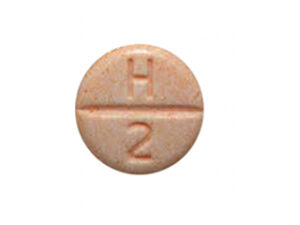

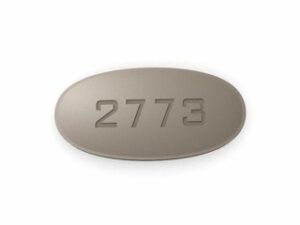

Bystolic (Nebivolol) — Patient Information (Australia)
Bystolic contains nebivolol, a medicine used to help control heart rate and reduce the strain on the heart. It belongs to a group of medicines called beta-blockers. Nebivolol is commonly used for conditions such as high blood pressure and, in some patients, heart-related symptoms linked to reduced heart function.
This guide is designed to be patient-friendly and provides practical information about how nebivolol works, how it’s taken, key safety considerations, and how it may interact with other medicines. If you have specific questions, speak with your doctor or pharmacist.
At a Glance
- Medicine: Nebivolol (Bystolic)
- Medicinal group: Beta-blocker
- Common uses: High blood pressure (hypertension); certain heart conditions
- How it works: Slows the heart and helps relax blood vessels
- Typical dosing: Once daily (often at the same time each day)
- Common side effects: Tiredness, dizziness, slow heart rate, headache
Basic Product Information
Bystolic (nebivolol) is a prescription medicine in Australia. It is usually taken as a tablet by mouth. Nebivolol is available in various strengths (depending on local supply and manufacturer packaging).
| Feature | What to know |
|---|---|
| Active ingredient | Nebivolol |
| Drug class | Beta-1 selective beta-blocker |
| Typical dosing frequency | Once daily |
| Common treatment goals | Lower blood pressure; reduce heart workload |
| Form | Oral tablet |
How Nebivolol Works (Mechanism of Action)
Nebivolol reduces the activity of the sympathetic nervous system at the heart. It primarily blocks beta-1 receptors in the heart, which leads to:
- Slower heart rate (reduced heart rate)
- Less force of contraction, which reduces strain on the heart
- Lower cardiac output (helpful in controlling blood pressure)
Nebivolol also has a unique additional effect: it promotes the release of nitric oxide, which helps relax blood vessels. This can contribute to lower blood pressure and improved blood flow.
Pharmacokinetics (How the Body Handles Nebivolol)
Understanding pharmacokinetics can help patients appreciate why timing and consistency matter. Nebivolol is absorbed after oral administration and is metabolised by the body mainly through the liver.
- Absorption: Nebivolol is taken by mouth and is absorbed from the gastrointestinal tract.
- Distribution: It reaches target tissues including the heart and blood vessels.
- Metabolism: Nebivolol is metabolised in the liver. Differences in metabolism between individuals (including genetic factors) may influence blood levels.
- Elimination: Metabolites are excreted primarily via the kidneys and/or bile.
- Onset and effect: Some effects may be noticed early (such as heart rate reduction), but full blood pressure control may take several weeks.
Because the medicine is designed for once-daily use, maintaining consistent daily dosing helps keep blood levels stable.
Typical Uses in Australia (Indications)
Nebivolol is used to treat the following conditions (as determined by your clinician):
- Hypertension (high blood pressure): Helps reduce blood pressure and lower cardiovascular risk.
- Chronic heart failure (in selected patients): May be prescribed as part of a broader heart failure treatment plan. Treatment decisions depend on your heart function, symptoms, and other medicines.
The exact suitability depends on your age, other medical conditions (such as asthma or certain heart rhythm problems), current medications, and your blood pressure/heart rate readings.
How to Take Bystolic (Timing and Dosing)
Always follow the dosing instructions given by your healthcare professional and the information on the medicine packaging. This section provides general guidance about typical use.
Typical dosing approach
Nebivolol is commonly taken once daily, at about the same time each day. In many patients, clinicians start with a lower dose and adjust gradually depending on response and side effects.
Suggested practical dosing table (general guidance)
Dosing varies by condition and individual factors (such as kidney function and age). The table below is an overview of how treatment is often approached, rather than a personal instruction.
| Condition | Typical dosing pattern | Key points |
|---|---|---|
| High blood pressure | Once daily; dose may be started low and titrated | Effect builds over weeks; monitor blood pressure regularly |
| Chronic heart failure | Once daily; slow titration is common | Careful monitoring for low heart rate, dizziness, or worsening symptoms |
When to take your dose
- Morning or evening: Many people choose a time that improves routine. If you feel dizzy after taking it, your pharmacist/doctor may advise changing the time.
- Consistency: Take it at the same time each day to help maintain stable effect.
- Missed dose: If you miss a dose, take it when you remember on the same day. If it is close to the next dose, skip the missed dose—do not double up.
Do not stop suddenly
Beta-blockers should usually not be stopped abruptly. Stopping suddenly may cause symptoms such as rapid heartbeat or worsening chest pain. If stopping is needed, your clinician will usually reduce the dose gradually.
Food Interactions and Taking With Meals
Nebivolol can be taken with or without food, depending on the exact product instructions and your clinician’s guidance. Some patients find taking it with food helps reduce stomach upset.
- With meals: Often acceptable and may help tolerability.
- Without meals: Also commonly acceptable if it suits your routine.
If you notice changes in how you feel when you take it at different times or with different meals, discuss this with your pharmacist—adjustments may improve comfort and consistency.
Alcohol and Nebivolol: What to Know
Alcohol can increase the risk of side effects from nebivolol, especially dizziness and low blood pressure. If you drink alcohol, consider:
- Start cautiously: Avoid large amounts when you begin treatment or after dose changes.
- Watch for symptoms: light-headedness, fainting, unusual tiredness.
- Hydration: dehydration can worsen low blood pressure.
If you have concerns about alcohol due to your health conditions (heart failure, kidney disease, or blood pressure), ask your doctor or pharmacist for personalised advice.
Medicine Interactions (Important)
Nebivolol can interact with other medicines that affect heart rate, blood pressure, or liver metabolism. Always inform your pharmacist/doctor about all medicines you take, including over-the-counter products and herbal supplements.
Common interaction areas
- Other blood pressure medicines: Combining with certain antihypertensives may increase the chance of low blood pressure.
- Heart rhythm medicines: Some medicines that affect heart rate may increase the risk of bradycardia (slow heart rate) or conduction issues.
- Calcium-channel blockers (especially verapamil or diltiazem): Can increase heart-rate slowing effects in some cases.
- Digoxin: May increase the risk of slow heart rate or related effects.
- Medicines that affect liver enzymes: Some drugs may change how nebivolol is metabolised, affecting its blood levels.
- Non-steroidal anti-inflammatory drugs (NSAIDs): In some people, long-term NSAID use may reduce blood pressure lowering effects and can affect kidney function—important if you have comorbidities.
Herbal and complementary products
Supplements and herbal products can also interact. For example, some may affect heart rate or blood pressure, or influence drug metabolism. It’s best to check with a pharmacist before starting new products.
Safety Profile and Side Effects
Like all medicines, nebivolol may cause side effects. Not everyone experiences them. Many side effects are dose-related and may reduce after your body adjusts—especially when the dose is increased gradually.
Common side effects
- Tiredness or fatigue
- Dizziness (particularly when standing up)
- Headache
- Slow heart rate (bradycardia)
- Cold hands or feet
- Shortness of breath with exertion (if it occurs, discuss promptly)
Less common but important side effects
- Worsening heart failure symptoms in the early phase of treatment (such as increased breathlessness or swelling)
- Low blood pressure (may cause fainting)
- Sleep disturbance or vivid dreams (reported by some patients)
- Sexual side effects (e.g., reduced libido)
Seek urgent medical help if
Get urgent care if you experience:
- Fainting or severe dizziness
- Very slow pulse, chest pain, or symptoms of a serious heart rhythm problem
- Severe breathlessness, swelling of face/lips, or signs of allergic reaction
- Signs of worsening heart failure (rapid weight gain, marked breathlessness, new/worsening swelling)
Who needs extra caution?
Nebivolol may not be suitable for everyone. Extra caution may be needed if you have:
- Asthma or other breathing conditions (even though nebivolol is more selective, beta-blockers can still affect breathing in some people)
- Very slow heart rate or certain heart rhythm problems
- Low blood pressure
- Diabetes (beta-blockers may mask some warning signs of low blood sugar, such as rapid heartbeat)
- Kidney or liver impairment
Practical Tips for Day-to-Day Use
- Track your pulse and blood pressure: If your clinician recommends it, check regularly—especially after starting or dose changes. Report consistently low heart rate or symptoms of low blood pressure.
- Rise slowly: Dizziness can be worse when standing up quickly. Move gradually from lying to sitting to standing.
- Take at the same time: Set a daily reminder to reduce missed doses.
- Don’t stop suddenly: Tapering is often advised.
- Keep a medication list: Include all prescription and non-prescription products, and show it to every healthcare provider.
- Inform before procedures: Tell clinicians about your beta-blocker therapy before surgery, dental procedures, or new treatments.
Alternative Options
If nebivolol isn’t suitable due to side effects, interactions, or your health status, there may be alternative beta-blockers or other blood pressure/heart failure medicines. The best option depends on your condition, age, and medical history.
Possible alternatives (examples)
- Other beta-blockers: such as metoprolol, bisoprolol, or carvedilol (choice depends on your diagnosis and tolerance).
- For hypertension: other common medicine classes include ACE inhibitors, angiotensin receptor blockers, calcium-channel blockers, and thiazide-type diuretics.
- For chronic heart failure: therapy may involve combinations such as ACE inhibitors/ARBs/ARNIs, beta-blockers, mineralocorticoid receptor antagonists, and specific additional agents depending on guidelines and individual factors.
Only change medicines under medical guidance. Switching can require careful adjustment of dose and monitoring.
Market and Legal Context for Australia
In Australia, many cardiovascular medicines including nebivolol are regulated and supplied under the appropriate scheduling and dispensing requirements. Pharmacies operate within Australian healthcare regulations and privacy standards.
For any online pharmacy service, legitimate supply typically involves verification of eligibility, appropriate counselling, and adherence to applicable Australian law and pharmacy practice standards. Availability can vary depending on manufacturer supply, strength, and stock levels.
Always purchase medicines from reputable sources and check that packaging matches the expected Australian product labelling.
Recent Guidance and Monitoring (What Patients Should Expect)
Clinical recommendations for hypertension and heart failure evolve as new evidence becomes available. In general, current best practice includes:
- Regular monitoring: blood pressure readings and assessment of symptoms such as dizziness or breathlessness.
- Gradual titration: especially for heart failure, to reduce the chance of worsening symptoms.
- Review of medicines: checking interactions, kidney function, and other cardiovascular risk factors.
- Lifestyle support: such as salt reduction, physical activity guidance, smoking cessation, and weight management, tailored to the patient.
If you experience side effects after starting or increasing nebivolol, do not discontinue on your own—contact your clinician or pharmacist promptly.
Delivery and Availability (Australia)
Online pharmacies in Australia commonly provide delivery within Australia. Delivery times depend on location, stock availability, and shipping service. Availability may vary by tablet strength, manufacturer, and current demand.
- Stock checks: Some products may be supplied from local pharmacy inventory or via distribution centres.
- Packaging: Products should arrive in original packaging with clear labelling and expiry date.
- Cold chain: Nebivolol tablets do not typically require special cold-chain shipping.
If you need help estimating delivery time or confirming stock for a specific strength, contact the pharmacy’s customer support.
FAQ
1) What is Bystolic (nebivolol) used for?
Nebivolol is used to treat high blood pressure and, in some patients, chronic heart failure. Your clinician chooses the medicine based on your diagnosis and overall health.
2) How fast does nebivolol work?
Some effects (like lowering heart rate) can occur relatively early, but full blood pressure control often takes several weeks. For heart failure, benefits are built over time with careful dose titration.
3) Should I take nebivolol with food?
It is often possible to take nebivolol with or without food. Choose a routine that helps you remember. If stomach upset occurs, taking with food may help.
4) Can I drink alcohol while taking nebivolol?
Alcohol may increase the chance of dizziness or low blood pressure. Keep alcohol moderate, especially at the start of treatment or after dose changes, and avoid situations where fainting would be dangerous.
5) What should I do if I miss a dose?
Take it when you remember on the same day. If it is close to your next dose, skip the missed dose and continue your usual schedule. Do not take a double dose.
6) What side effects are most common?
Common side effects include tiredness, dizziness, headache, and slow heart rate. Many people find these improve as the body adjusts, particularly after gradual dose increases.
7) When should I contact a healthcare professional urgently?
Seek urgent help if you have fainting, severe dizziness, chest pain, significant breathlessness, signs of allergic reaction, or symptoms suggesting worsening heart failure (such as rapid weight gain or marked swelling).
8) Can nebivolol affect asthma or breathing?
Nebivolol is beta-1 selective, but breathing effects can still occur in some individuals. If you have asthma or COPD, discuss suitability with your clinician and report any increase in wheeze or breathlessness promptly.
9) Does nebivolol interact with other medications?
Yes. Nebivolol may interact with medicines that affect heart rate, blood pressure, or liver metabolism. Tell your pharmacist about all medicines, including over-the-counter products and supplements, before starting nebivolol.
10) What are “safety” tips to use nebivolol effectively?
Take it at the same time each day, rise slowly to reduce dizziness, monitor blood pressure/heart rate if advised, and avoid stopping suddenly. Always keep your medication list up to date.
11) Are there alternatives to nebivolol?
Yes. Depending on your condition, your clinician may consider other beta-blockers or different medicine classes. Switching requires a tailored plan and monitoring.
12) Is nebivolol safe for everyone?
Not always. Extra caution is needed for people with very slow pulse, certain heart rhythm conditions, asthma, diabetes, and kidney or liver impairment. Your clinician can assess suitability based on your medical history.
Important: This information is general and does not replace personalised medical advice. If you have concerns about your symptoms, side effects, or interactions, contact your doctor or pharmacist.