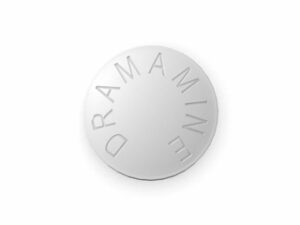


Antivert (Meclizine) – Patient Information
Antivert is a brand of meclizine, an antihistamine medicine commonly used to help relieve vertigo (a spinning sensation) and other symptoms related to motion sickness and inner-ear disturbances. This page explains how Antivert works, how to take it safely, what to expect, and practical tips to get the best benefit.
Note: Product availability and packaging may vary. Always read the label and follow the advice of a pharmacist or healthcare professional if you are unsure.
Quick Summary
- Active ingredient: Meclizine
- Medicine type: Antihistamine (anti-vertigo/antiemetic properties)
- Common uses: Vertigo, motion sickness, nausea and dizziness related to vestibular conditions
- How it helps: Reduces signals involved in balance disturbances and nausea
- Common side effects: Sleepiness, dry mouth, blurred vision, constipation
- Key precautions: May cause drowsiness—avoid driving or operating machinery until you know how it affects you
Basic Product Information
| Category | Details |
|---|---|
| Brand | Antivert |
| Generic name | Meclizine |
| Therapeutic use | Symptomatic relief of vertigo and motion-related nausea/dizziness |
| How it is taken | Oral tablets (follow the product label for strength and schedule) |
| Onset | Often within 1–2 hours (varies by person) |
| Duration | May provide symptom relief for several hours (varies by person) |
How Antivert (Meclizine) Works
Meclizine is an antihistamine that also has effects on the brain pathways involved in balance and nausea. Vertigo and motion sickness often involve abnormal signals from the inner ear to the nervous system. Meclizine helps by:
- Reducing histamine-driven activity in the brain and inner-ear-related pathways
- Decreasing the intensity of “vomiting and dizziness” signals to the vomiting centre
- Calming the vestibular system (the body’s balance system), which can lessen spinning sensations
Importantly, Antivert is mainly for symptom relief. It does not usually cure the underlying cause of vertigo (for example, certain ear or neurological conditions), which may require additional treatment.
Pharmacokinetics (What the Body Does With Meclizine)
Pharmacokinetics describes how the body absorbs, distributes, metabolises, and eliminates a medicine. The details can vary among individuals. In general:
- Absorption: Meclizine is absorbed after oral dosing, with onset of effect typically within about 1–2 hours.
- Distribution: It can cross into the central nervous system, which explains the potential for drowsiness.
- Metabolism: Meclizine is metabolised primarily in the liver.
- Excretion: Metabolites are removed mainly via the kidneys (urine).
- Half-life: The elimination half-life is long enough that effects may last through much of the day for many people.
If you have liver or kidney problems, or you take other medicines that affect the liver, ask a pharmacist for advice.
What Antivert Is Used For (Indications)
Antivert (meclizine) is used to relieve symptoms such as:
- Vertigo (including dizziness and a spinning sensation)
- Motion sickness (e.g., nausea and dizziness during travel)
- Nausea and vomiting associated with vertigo or motion
- Sometimes dizziness related to inner-ear disturbances (symptomatic control)
If your vertigo is severe, new, or comes with neurological symptoms (such as weakness, difficulty speaking, new severe headache), seek urgent medical attention, as these may signal more serious conditions.
Typical Timing and When to Take It
The best timing depends on whether you’re using Antivert for motion sickness or for ongoing vertigo symptoms.
For Motion Sickness (Travel)
- Take before travel, ideally about 1 hour before you start the journey.
- If you’re prone to motion sickness, planning ahead usually works better than taking it after symptoms begin.
For Vertigo Symptoms
- Take at the times on the label (or as advised by a pharmacist) when symptoms occur.
- Some people need repeated doses during the day for symptom control.
If symptoms don’t improve or you need it continuously for more than a few days, it’s important to consult a healthcare professional. Persistent vertigo may require evaluation and a targeted plan.
Food Interactions and How to Take With Meals
Meclizine can generally be taken with or without food. However:
- Taking it with food may help reduce stomach discomfort for some people.
- Because it can cause nausea in some individuals (uncommon), if this happens, consider taking with a light meal.
- Follow the product label for the safest routine.
Avoid taking large amounts of alcohol alongside meclizine (see interactions section) because the combined effect on the nervous system can increase drowsiness and impair judgment.
Alcohol and Medicine Interactions
Alcohol
Do not drink alcohol while taking Antivert unless a pharmacist or doctor has specifically advised it. Alcohol and meclizine both depress the central nervous system, which can lead to:
- Greater sleepiness
- Slower reaction time and impaired coordination
- Higher risk of falls and accidents
- Worsening blurred vision
Other Medicines
Tell your pharmacist about all medicines you use, including over-the-counter products and supplements. Antivert may interact with other medicines that cause drowsiness or affect brain function. Particular caution is needed with:
- Other antihistamines (risk of additive drowsiness and dry mouth)
- Sedatives, sleeping tablets, or anxiolytics (e.g., benzodiazepines)
- Opioid pain medicines (increased risk of sedation and breathing suppression)
- Some antidepressants or antipsychotics (varies; ask pharmacist)
- Anti-nausea medicines or other vestibular suppressants (may increase side effects)
- Medicines with anticholinergic effects (can increase constipation, urinary retention, and blurred vision)
If you’re taking multiple medicines, professional advice is especially important to avoid duplication (for example, two antihistamines at once).
Dosing (How to Use Antivert Safely)
Dosing depends on the product strength and the condition being treated. Always follow the dosing instructions on the package or as directed by your pharmacist.
General Guidance for Adults
- Common adult dosing for meclizine is typically once or twice daily for symptom control, depending on severity and the label.
- For motion sickness, it’s often taken about 1 hour before travel and then repeated as needed according to label instructions.
Children
Children may require different dosing and it’s essential to use age-appropriate products and instructions. Consult a pharmacist for dosing advice for minors and do not use adult dosing unless clearly instructed.
Missed Dose
- If you miss a dose, take it when you remember if it’s close to the next scheduled dose.
- If it’s nearly time for the next dose, skip the missed dose—do not double up.
Do Not Exceed the Maximum
Taking more than the recommended dose increases the risk of side effects, including excessive drowsiness and confusion. If you suspect an overdose, seek urgent medical help or contact Poisons Information (Australia) immediately.
Safety Profile (Side Effects and Precautions)
Common Side Effects
- Drowsiness or feeling sleepy
- Dry mouth
- Blurred vision
- Constipation
- Headache
- Fatigue
Less Common but Serious Side Effects (Seek Advice)
Stop the medicine and seek urgent medical advice if you experience:
- Allergic reaction (swelling of the face/lips, rash, difficulty breathing)
- Severe confusion, fainting, or unusual agitation
- Severe dizziness that worsens instead of improves
- Urinary retention (difficulty passing urine), especially if you have prostate issues
- Chest pain, severe shortness of breath, or neurologic symptoms (weakness, speech changes)
Who Should Use Extra Caution?
- Older adults: higher sensitivity to dizziness, falls, and anticholinergic effects
- Glaucoma (narrow-angle): risk may increase with anticholinergic effects
- Enlarged prostate or urinary problems: risk of urinary retention
- Severe constipation or bowel obstruction risk
- People with breathing disorders or those using sedatives/opioids
Driving and Operating Machinery
Because meclizine can cause drowsiness and blurred vision, avoid driving, cycling on busy roads, or operating machinery until you know how it affects you. This is particularly important when you first start Antivert or when you increase the dose.
Practical Use Tips for Better Outcomes
- Try it at home first if you haven’t used it before—so you can judge drowsiness risk safely.
- Hydrate and avoid sudden head movements if you are experiencing vertigo.
- Plan for rest: if you feel sleepy, limit activities requiring full alertness.
- Use travel strategies for motion sickness: sit facing forward, look at the horizon, and keep the air moving.
- Keep a symptom journal: note triggers (sleep loss, stress, certain foods, rapid head turns) to help identify patterns.
- Do not mix antihistamines: check labels of cold/flu or allergy products to avoid doubling up.
If you’re using Antivert frequently or your vertigo keeps returning, consider discussing underlying causes with a healthcare professional. Treatment may involve manoeuvres, vestibular therapy, or other medicines depending on diagnosis.
Alternative Options
Depending on the cause of dizziness or nausea, alternatives may include different classes of medicines or non-drug strategies. A pharmacist can help you choose the safest option based on your health history.
Medicine Alternatives (Examples)
- Dimenhydrinate (another antihistamine used for motion sickness—can also cause drowsiness)
- Promethazine (antihistamine with antiemetic effects—often sedating)
- Ginger supplements or products (may help nausea for some people)
- Rehydration and electrolyte solutions if vomiting or reduced intake occurs
Non-Medicine Approaches
- Vestibular rehabilitation exercises for certain vertigo types (effective for many people)
- Epley manoeuvre or similar canalith repositioning techniques for BPPV (a common cause)
- Behavioural strategies during travel (window seat, stable head position)
The best alternative depends heavily on the cause and your symptom pattern. If you’re unsure, speak with a pharmacist.
Market and Legal Context for Australia
Medicines available in Australia must meet Australian regulatory requirements through the Therapeutic Goods Administration (TGA). Product availability and classification (including whether a medicine is prescription-only or other classification) depend on factors such as ingredient, strength, and indications. For online purchasing, you should expect standard checks and labelling to align with Australian supply rules.
Always purchase from reputable Australian pharmacy providers and ensure the product is genuine and properly labelled. If the packaging, tablet appearance, or instructions do not match what you expect, do not use it—contact the supplier.
Recent Guidance and Safety Updates (What to Watch For)
Safety guidance for antihistamines like meclizine can evolve over time, particularly regarding:
- Risk of drowsiness and driving impairment
- Interactions with sedatives, alcohol, and other anticholinergic medicines
- Age-related precautions (older adults)
- Improved patient labelling and packaging clarity for dosing and contraindications
If you haven’t used Antivert recently, check the current package directions and consult a pharmacist if you have new medical conditions or have started new medicines since your last use.
Delivery and Availability
Antivert (meclizine) may be available through online pharmacy services in Australia depending on stock and supply arrangements. Delivery timeframes vary by location and courier service. When ordering, review:
- Stock status and estimated dispatch times
- Delivery area coverage within Australia
- Product strength and pack size
- Label instructions included in the shipment
For temperature-sensitive products, follow any storage instructions on the label. Meclizine is typically stored at room temperature unless otherwise specified.
Frequently Asked Questions (FAQ)
1) Is Antivert the same as meclizine?
Yes. Antivert is a brand name that contains the active ingredient meclizine.
2) How quickly does Antivert work?
Many people notice improvement within about 1–2 hours after taking it. Individual response varies, especially for motion sickness and different severities of symptoms.
3) Can I take Antivert with food?
Generally, yes—meclizine can be taken with or without food. Taking it with a light meal may help if you have stomach sensitivity.
4) Does Antivert make me sleepy?
It can. Drowsiness is one of the most common side effects. Until you know how you respond, avoid driving or operating machinery.
5) Can I drink alcohol while using Antivert?
It’s best to avoid alcohol because alcohol can increase drowsiness, dizziness, and impair coordination. Ask a pharmacist if you’re unsure due to your specific circumstances.
6) What should I do if my vertigo gets worse?
If symptoms worsen, don’t just keep taking it. Seek medical advice—especially if you have new neurological symptoms (such as weakness, difficulty speaking, or severe headache), hearing loss, or persistent severe vomiting.
7) How long can I take Antivert?
Use it only as directed on the label (or by a pharmacist). If you need it for more than a few days or symptoms return frequently, speak with a healthcare professional to address the underlying cause.
8) Can I take Antivert if I have glaucoma or prostate problems?
Extra caution is important. Because antihistamines can cause anticholinergic-type effects, people with certain eye or urinary conditions should ask a pharmacist before use.
9) Are there non-drug ways to reduce vertigo?
Yes. Depending on the cause, vestibular exercises, canal repositioning manoeuvres, hydration, and trigger avoidance can help. A clinician can help identify which approach suits your situation.
10) What if I miss a dose?
Take it when remembered if close to the next scheduled dose. Otherwise, skip and continue your usual routine—do not double up.
Important Safety Reminder
This information is intended to help you understand Antivert (meclizine). It does not replace advice from healthcare professionals. If you’re pregnant, breastfeeding, have significant medical conditions, or take multiple medicines, confirm suitability and dosing with a pharmacist.
If you experience a severe allergic reaction, breathing difficulty, or signs of serious illness, seek urgent medical care immediately.