Betamethasone Valerate – Patient Information (Australia)
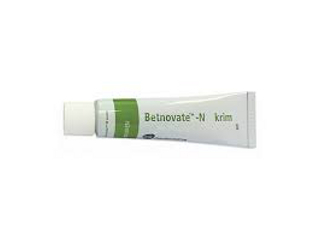
Betamethasone valerate is a medicine used to treat inflammatory and itchy skin conditions. It belongs to a group of medicines called topical corticosteroids (steroid creams, ointments, foams and lotions applied to the skin). In Australia, betamethasone valerate products may be supplied in different strengths and formulations (for example, creams, ointments or lotions), depending on the brand and the affected area.
This page explains how betamethasone valerate works, when it’s typically used, how to apply it safely, and what to watch for. It also includes practical tips, possible interactions, and frequently asked questions.
Quick overview
- Medicine name: Betamethasone valerate
- Type: Topical corticosteroid (anti-inflammatory)
- Common forms: Cream, ointment, lotion, foam (varies by product)
- Main benefits: Reduces inflammation, redness, swelling and itching
- Typical duration: Short courses are usually recommended; follow your product instructions
- Where used: Localised skin conditions such as eczema and dermatitis
Basic product information
Betamethasone valerate is a synthetic corticosteroid designed for topical use. It works directly in the skin to lower inflammatory signalling. Depending on the severity and location of the skin condition, different strengths of betamethasone valerate may be prescribed or used under clinical direction.
Important: Always use the product that matches your skin needs (strength and formulation). If you are unsure which product is appropriate, speak with a qualified health professional or pharmacist.
How it is supplied
- Tube or pump forms: Creams and ointments are often in tubes; lotions may be in bottles.
- Foam preparations: Some formulations suit hairy areas like the scalp.
- Strength varies: Different products contain different concentrations of betamethasone valerate.
Mechanism of action (how it works)
Betamethasone valerate is converted in the skin to the active steroid that can influence gene expression and inflammatory pathways. In practical terms, it:
- Reduces inflammation: It decreases inflammatory chemicals and cells involved in redness and swelling.
- Relieves itching: By calming the inflammatory response, itch is often reduced.
- Suppresses immune activity locally: It dampens overactive immune reactions in the skin.
- Improves appearance: Red, thickened, irritated patches may become less noticeable.
Topical steroids do not cure underlying causes like allergy or infection. If an infection is present, a steroid alone may worsen it or mask symptoms. That’s why identifying the cause of the skin problem matters.
Pharmacokinetics (what happens in the body)
Pharmacokinetics describes how the medicine is absorbed, distributed, metabolised and eliminated. For topical betamethasone valerate:
- Absorption: Most people absorb only a small amount through intact skin. Absorption can increase if the skin barrier is damaged, if the area is large, if it’s used under occlusion (covered), or if used for longer periods.
- Metabolism: Absorbed steroid is metabolised mainly in the liver.
- Excretion: Metabolites are excreted primarily through the kidneys.
- Systemic effects risk: With appropriate use (small area, short duration, correct strength), systemic absorption is usually low. Risk increases with prolonged use, high potency, large body surface area, children, and occlusion.
Occlusion caution: Covering treated areas (for example, with tight bandages or plastic) can markedly increase absorption and the risk of side effects.
Typical use (what it’s commonly prescribed for)
Betamethasone valerate is commonly used for inflammatory skin conditions that benefit from corticosteroid treatment. Typical indications include:
- Eczema (dermatitis): Including flare-ups where inflammation and itch are prominent
- Allergic/contact dermatitis: When diagnosed as steroid-responsive inflammation
- Lichenification and inflammatory dermatoses: Where thickened itchy skin needs anti-inflammatory control
- Psoriasis (selected cases): Some psoriasis plaques may respond to topical steroids, but careful management is needed and certain areas or severe disease may require specialist advice
Note: The exact approved indications and product instructions can vary by brand and formulation. Always read the consumer medicine information (CMI) for your specific product.
When and how to apply (timing and practical routine)
For most topical corticosteroid regimens, the goal is to apply a thin layer to affected areas and use it for the shortest duration that achieves control.
Typical timing
- Often once or twice daily: Many regimens are structured as once daily or twice daily. Use the schedule stated on your product label or as directed by a clinician.
- Apply at consistent times: For example, morning and evening (if twice daily is recommended).
- Stop when controlled: Once symptoms settle, treatment is usually stepped down or stopped rather than continued indefinitely.
Practical use tips
- Clean and dry the area before applying.
- Use a thin layer—more is not better and may increase absorption and side effects.
- Wash your hands after application unless the hands are the treated area.
- Moisturiser support: Emollients can be used to reduce dryness and help prevent flare-ups. Apply moisturiser at least 15–30 minutes after steroid application unless your clinician advises otherwise.
- Avoid broken/oozing skin unless advised: Damaged skin can absorb more medicine.
- Don’t use on the wrong areas: Steroids can be harmful when applied to some infections or sensitive areas without guidance.
Step-down approach (common practice): Some people transition to less frequent use (e.g., once daily then every other day) as symptoms improve. Follow professional advice or product guidance.
Food interactions
Because betamethasone valerate is applied to the skin, there are no known clinically significant food interactions. Food does not affect how the topical steroid acts at the skin surface.
However, maintaining good hydration and managing trigger factors for eczema/dermatitis (such as soaps, fragrances and harsh detergents) can influence outcomes more than diet in many cases.
Alcohol and medicine interactions
Alcohol: There are no specific direct interactions between topical betamethasone valerate and alcohol expected based on the medicine’s local skin use. If you use alcohol heavily or have liver impairment, talk to a pharmacist about any possible concerns with medicines that affect liver metabolism (though for typical topical use, systemic levels are low).
Other medicines: Interactions can occur indirectly—mainly through shared risks (for example, other medicines that affect the immune system) or through use on the skin alongside other active products.
- Other topical products: Avoid applying multiple strong actives (e.g., other steroids, strong acids/retinoids) to the same area unless advised, as irritation and side effects may increase.
- Infection treatments: If your condition involves fungal or bacterial infection, a steroid should typically be used only with the appropriate anti-infective treatment if recommended. Steroids may worsen some infections.
- UV and photosensitising treatments: Combining topical steroids with certain light therapies is sometimes done under specialist guidance for specific conditions.
Indications in more detail (choose the right situation)
Betamethasone valerate is generally considered for inflammatory, steroid-responsive skin conditions. It may not be suitable for all rashes.
Conditions that commonly benefit
- Inflamed eczema/dermatitis flare-ups with itch and redness
- Non-infected inflammatory skin patches that are steroid-responsive
When you should get advice before using
- Suspected infection: Pus, honey-coloured crusting, rapidly spreading redness, warmth, or severe pain may indicate bacterial infection.
- Fungal infection suspected: Ring-shaped scaly rashes or rashes in skin folds may indicate fungal disease.
- Viral skin conditions: Herpes infections (cold sores/genital herpes) and chickenpox can be worsened by steroids.
- Unclear diagnosis: If the cause of the rash isn’t known, it’s safer to seek guidance.
Red flag: If your rash worsens quickly after starting treatment, or you develop fever or severe discomfort, seek medical advice promptly.
Dosing guidance (general approach)
Dosing depends on the specific product strength and the condition being treated. Because betamethasone valerate products vary, this section provides general dosing principles rather than a single universal regimen.
General dosing principles
- Use the smallest effective amount for the shortest time.
- Apply to affected areas only, avoiding unnecessary application to healthy skin.
- Frequency: Common schedules include once or twice daily.
- Duration: Many skin conditions respond within a few days to 1–2 weeks; longer use increases side-effect risk.
- Reassess if no improvement: If there is no clear improvement within the timeframe suggested by your product instructions or clinician, stop and reassess the diagnosis.
How much to use (an easy visual guide)
Many topical treatments are measured using the finger-tip unit (FTU) concept. One FTU (a strip of cream from the fingertip to the first crease) can cover about two adult palm-sized areas.
Children: Children require extra caution and smaller quantities. Avoid using higher strength products unless specifically advised.
Sensitive areas and the “lower potency/shorter duration” rule
- Face, eyelids, groin, armpits: These areas are more prone to side effects. Use only if appropriate and typically for shorter periods.
- Skin folds: Absorption and irritation may be higher.
- Children: Greater absorption relative to body size—use extra caution and seek advice.
Safety profile and side effects
Like all corticosteroids, betamethasone valerate can cause side effects—especially if used too strongly, too long, on sensitive areas, over large areas, or under occlusion.
Common local side effects
- Skin irritation (burning/stinging)
- Dryness or peeling
- Redness or worsening rash initially (can occur if not the right diagnosis)
- Folliculitis (inflamed hair follicles)
Less common but important risks
- Skin thinning (atrophy), especially with prolonged use
- Stretch marks (striae)
- Visible blood vessels in the skin (telangiectasia)
- Perioral dermatitis or acne-like eruptions (more likely on the face)
- Changes in skin pigmentation (lighter or darker patches)
- Increased risk of infection, because steroids can reduce local immune response
- Systemic steroid effects (rare with correct use, but risk increases with high absorption): for example, suppression of the body’s natural steroid production
When to stop and get help urgently
- Rapidly spreading redness, severe pain, fever
- Signs of worsening infection (pus, marked swelling)
- Rash becoming more widespread despite treatment
- Use in a child with significant skin involvement or if advised to seek monitoring
Pregnancy and breastfeeding: Topical steroids may be used when needed, but benefits and risks should be considered. Use the lowest effective strength for the shortest time. Avoid applying to large areas or on nipples before feeds unless advised.
Practical use tips for best results
- Don’t “chase” every flare with long-term steroid use: Overuse can worsen skin thinning and rebound symptoms.
- Combine with emollients: Regular moisturising helps maintain the skin barrier and reduces flare frequency.
- Identify triggers: Fragrances, harsh soaps, wool clothing, sweating, and stress can contribute to eczema/dermatitis.
- Gentle skin care: Use mild cleansers and moisturise after bathing.
- Avoid occlusion unless instructed: Covering can increase absorption and side effects.
- Don’t share: Use only for the condition and person for whom it’s intended.
Alternative options (if betamethasone valerate isn’t suitable)
Alternative treatment options depend on the diagnosis, severity and location. Options may include:
- Different strength topical corticosteroids: Lower or higher potency may be selected based on the site and severity.
- Non-steroidal anti-inflammatories: Options such as calcineurin inhibitors (used particularly for face/eyelids or sensitive areas) may be considered by clinicians.
- Emollients and barrier repair moisturisers: Often the foundation for eczema and dermatitis management.
- Antifungal or antibacterial treatment: If infection is present, specific antimicrobial therapy is usually required.
- Phototherapy or systemic therapies: For more severe disease under specialist care.
If you’re not improving, the best next step is usually to confirm the diagnosis rather than increasing steroid strength.
Market and legal context for Australia
In Australia, topical corticosteroids are available through pharmacies and may be available over the counter or behind-the-counter depending on strength and product classification. Availability can vary based on:
- Strength and formulation
- Indications listed on the product
- State/territory regulations and pharmacy supply policies
Consumer information is regulated to ensure products contain appropriate instructions and safety warnings. Pharmacies often advise on correct use—particularly for sensitive areas, children, and prolonged use.
Recent guidance and safety focus (general trends)
Across Australia, health services commonly reinforce that topical steroid use should be:
- Short-term where possible
- Applied to the minimum needed area
- Reviewed if symptoms persist
- Used with emollients to reduce reliance
Pharmacists may also provide additional counselling about steroid potency, gradual step-down, and identifying signs of infection or steroid-related skin changes.
Delivery and availability (online pharmacy considerations)
Betamethasone valerate products may be stocked by Australian online pharmacies. Availability can depend on brand and strength, and some products might be limited to specific supply categories.
What to check when ordering online
- Strength: Ensure you select the correct concentration for your needs.
- Formulation: Cream vs ointment vs lotion vs foam—these affect comfort and suitability for different areas.
- Expiry date: Always confirm the expiry date before dispatch.
- Packaging and size: Choose a size that matches your expected course.
Delivery: Many pharmacies provide Australia-wide shipping with tracking. Delivery times vary by location and carrier schedules. Keep the medication in a cool, dry place as directed on the label.
Availability note: If a product is temporarily out of stock, the pharmacy may offer a comparable alternative formulation or brand, subject to supply and suitability.
Comparison table (at-a-glance)
| Feature | Betamethasone valerate (topical) |
|---|---|
| What it does | Reduces inflammation, redness and itching in responsive skin conditions |
| How to use | Apply a thin layer to affected skin, typically once or twice daily for a short course |
| Food interaction | None expected |
| Alcohol interaction | None expected with typical topical use |
| Main safety issues | Local skin thinning, irritation, infection risk; systemic effects are rare but possible with high absorption |
| Most important precautions | Avoid wrong diagnosis and prolonged use; avoid occlusion unless instructed; use extra care on sensitive areas and in children |
FAQ
1) How long should I use betamethasone valerate?
Most people need only a short course to control symptoms. The correct duration depends on the condition, the strength, and the product instructions. If symptoms are not clearly improving within the recommended timeframe, stop and seek advice so the diagnosis can be reviewed.
2) Can I use it on my face?
Facial skin is sensitive and side effects (including skin thinning and acne-like eruptions) can occur more easily. Use on the face only if appropriate for your condition and as directed by the product instructions or a pharmacist/clinician. Typically this means careful, short-term use.
3) What if my rash is oozing or looks infected?
Oozing, crusting, pus, increasing pain, warmth or rapid spread may suggest infection. Steroids can mask symptoms and worsen certain infections. Get advice promptly for appropriate treatment.
4) Should I moisturise while using it?
Usually yes. Emollients help restore the skin barrier and reduce dryness. Apply moisturiser at least 15–30 minutes after betamethasone valerate (unless your guidance says otherwise). This can reduce the need for repeated steroid use.
5) Can I stop suddenly once it improves?
Often symptoms improve and treatment can be stopped when controlled, especially after a short course. If you have been using it for longer periods or for frequent flares, a gradual step-down plan may be safer. Follow your product guidance or advice from a pharmacist.
6) Is it safe for children?
Topical corticosteroids can be used in children when needed, but children absorb more through the skin relative to body size, so risks are higher. Use only the appropriate strength and for the shortest possible duration, and seek pharmacist guidance for sensitive areas.
7) Does betamethasone valerate cause systemic steroid effects?
Systemic effects are uncommon when used correctly on limited areas for short durations. Risk increases with large treated areas, prolonged use, higher strength, use under occlusion, and in children. If you’ve been using it extensively, ask a pharmacist for safety advice.
8) What should I avoid while using it?
- Avoid occlusive coverings unless advised
- Avoid applying to eyes or inside the mouth
- Avoid using it on suspected fungal/viral/bacterial infections unless appropriate combination therapy is recommended
- Avoid long-term continuous use without review
9) What if I miss a dose?
Apply it when you remember unless it’s close to the next dose. Don’t apply extra to make up for a missed dose—continue with your usual schedule.
10) Where can I find product-specific instructions?
Check the label and the consumer medicine information (CMI) for your specific betamethasone valerate product (strength and formulation can vary). If you’re uncertain about how to use your particular brand, contact a pharmacist.
Summary
Betamethasone valerate is a topical corticosteroid designed to reduce inflammation and itching in steroid-responsive skin conditions such as eczema and dermatitis flare-ups. It works locally in the skin, with limited systemic absorption when used correctly. The key to safe, effective treatment is using the right strength, applying a thin layer, limiting the duration, avoiding sensitive areas unless appropriate, and seeking advice if symptoms worsen or fail to improve.
If you have concerns about side effects, diagnosis, sensitive-area use, or dosing for children, a pharmacist can help you choose the safest approach.