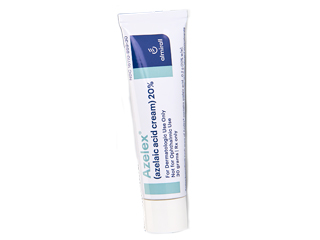
Azelex (Azelaic Acid) — Patient Information (Australia)
Azelex contains azelaic acid, a naturally occurring dicarboxylic acid used to treat skin conditions such as acne and rosacea. It helps reduce clogged pores, break down bacteria-associated processes in the skin, and calm inflammation. This guide explains how it works, how to use it safely and effectively, and what to expect over time.
Quick product facts
| Category | Details |
|---|---|
| Active ingredient | Azelaic acid |
| Common strengths | Often available as a topical cream/gel (commonly 15% or 20% depending on brand/formulation) |
| How it’s used | Topical application to affected skin |
| Typical conditions | Acne (including inflammatory acne), rosacea, and other pigment-related concerns (as directed) |
| Time to see results | Early changes may appear in 4–8 weeks; continued improvement can take longer |
What is Azelex (azelaic acid)?
Azelex is a topical medicine containing azelaic acid. It is applied directly to the skin to target the causes of acne and rosacea and to help improve certain pigment changes. Because it is used on the skin surface, it is designed to have local effects with limited overall absorption into the bloodstream.
Depending on the product strength and your skin condition, your routine may involve once-daily or twice-daily use (as advised on the label or by your healthcare professional).
How azelaic acid works (mechanism of action)
Azelaic acid has multiple actions that make it useful for several skin conditions:
- Anti-inflammatory activity: It helps reduce inflammation, which is important in both acne and rosacea.
- Normalises skin cell shedding: It can help improve the way skin cells shed from the follicle, reducing clogged pores.
- Reduces acne-associated processes: It has antimicrobial effects against organisms linked to acne and can reduce inflammatory responses within the skin.
- Helps with pigment concerns: It can reduce overproduction of pigment (melanin) by affecting relevant biochemical pathways in skin cells.
Why this matters: Unlike some spot treatments that only dry out lesions, azelaic acid aims to prevent new breakouts and calm irritated skin over time.
Pharmacokinetics (what happens in the body)
Because Azelex is applied to the skin, most of its action is local. Key pharmacokinetic points include:
- Absorption: Only a small fraction of azelaic acid typically penetrates through intact skin into the bloodstream.
- Distribution: Any absorbed azelaic acid is distributed systemically at low levels.
- Metabolism and elimination: Azelaic acid is primarily eliminated by the kidneys.
Practical implication: In most people, topical azelaic acid has a low risk of systemic side effects because systemic absorption is limited, provided it is used correctly and on appropriate skin areas.
What is it used for? (indications)
Azelaic acid is used for:
- Acne: Including inflammatory acne (red bumps) and comedonal acne (clogged pores), depending on the product guidance and severity.
- Rosacea: Helps reduce redness, inflammatory lesions, and flare-ups.
- Pigment-related concerns: Some formulations may be used for certain types of hyperpigmentation or uneven skin tone, as directed by local product guidance and clinician advice.
Note: Product indication wording can vary by formulation and local approvals. Always follow the instructions on your specific product packaging and the advice provided for your skin condition.
Typical dosing and how to apply
Correct application is essential for effectiveness and to minimise irritation. Your exact schedule may differ depending on the strength of your product and your skin sensitivity, but common regimens include:
- Start gently: Often once daily for the first 1–2 weeks to build tolerance.
- Then continue: Many people progress to twice daily if tolerated (morning and night).
- Amount: Apply a thin layer to the affected areas (and sometimes the surrounding area, if advised).
Typical timing routine (example):
- Morning: Cleanse, pat dry, apply a thin layer, moisturise if needed, then apply sunscreen in the daytime.
- Evening: Cleanse, pat dry, apply a thin layer, and moisturise.
How to use for best results:
- Use on clean, dry skin (after washing and gently patting dry).
- Wash hands before and after applying.
- Avoid eyes, lips, and corners of the nose unless specifically instructed otherwise.
- If you experience irritation, use less frequently (e.g., every second day) until your skin settles, then build up.
When will it work? (timing and expectations)
Azelaic acid is not usually an immediate “overnight” treatment. Improvement tends to occur gradually:
- First signs: Some people notice reduced redness or fewer new lesions within 4–8 weeks.
- More obvious results: Often seen over 8–12 weeks or longer.
- Ongoing maintenance: Continued use may help prevent relapses and maintain clearer skin.
What about dryness or initial irritation? Mild stinging, redness, or dryness can occur early, particularly when starting. This doesn’t always mean the medicine isn’t working—skin may adapt. However, if irritation is significant, reduce the frequency and consider supportive moisturising.
Food interactions
Food interactions are not expected because azelaic acid is used on the skin and only small amounts are absorbed. There are no common dietary restrictions specific to topical azelaic acid.
Alcohol and medicine interactions
Alcohol: Azelaic acid topical use is not known to have a direct chemical interaction with alcohol. However, alcohol can worsen rosacea for some people by triggering flushing or irritation. If you notice increased redness or flare-ups after alcohol, consider limiting intake.
Other medicines (skin and oral): Interactions are mainly a concern at the skin level due to additive irritation.
- Other topical irritants: Combining with strong exfoliants (for example, high-strength acids), benzoyl peroxide, or other acne products may increase irritation. If using multiple actives, consider separating them in time or using one at a time initially.
- Retinoids: If you use a retinoid at night, you may need to alternate nights or apply one product after the other with moisturiser support to reduce stinging.
- Topical corticosteroids: If used, discuss with a healthcare professional as they can mask certain skin changes; long-term use should be guided.
- Oral antibiotics: In some acne/rosacea plans, azelaic acid may be used alongside oral therapy. No common direct interaction is expected, but follow the clinician’s plan.
General rule: Introduce new skin treatments one at a time when possible, so you can identify what your skin tolerates best.
Safety profile: who should be careful?
Topical azelaic acid is generally well tolerated, but like all topical medicines it can cause side effects—most often related to skin irritation.
Common side effects
- Skin irritation (stinging, burning, redness)
- Dryness or peeling
- Itching
- Rash or mild swelling
- Temporary discomfort especially during the first days
Less common but important
- Severe allergic reaction is rare, but seek urgent help if you experience facial swelling, difficulty breathing, widespread hives, or severe blistering.
- Eye exposure: If it gets into the eyes, rinse immediately with water.
When to stop and seek advice
Stop use and seek medical advice if you develop:
- Severe or worsening burning/stinging
- Blistering, crusting, or significant swelling
- Signs of allergy (hives, swelling of face/lips, breathing difficulty)
- Uncontrolled dermatitis or infection-like changes
Use in pregnancy and breastfeeding
Because systemic absorption from topical azelaic acid is limited, it is often considered relatively low risk when used correctly. Still, if you are pregnant, trying to conceive, or breastfeeding, discuss use with a healthcare professional—particularly for extensive areas or broken skin.
Practical use tips (to reduce irritation and improve results)
- Apply to a small amount first: Use a thin layer. More is not better for acne/rosacea and can increase irritation.
- Introduce gradually: Start once daily or every second day if you have sensitive skin.
- Moisturise: Use a gentle, fragrance-free moisturiser. Many people do better applying azelaic acid after moisturiser or alternating days—trial carefully.
- Use sunscreen daily: Sun exposure can worsen redness and pigment concerns. A broad-spectrum sunscreen is strongly recommended.
- Be gentle with cleansing: Avoid harsh scrubs or abrasive wipes. Choose a mild cleanser.
- Skip other strong actives at first: If starting azelaic acid, delay strong exfoliating acids or aggressive acne combinations until your skin is comfortable.
- Don’t apply to broken skin: Avoid areas with cuts, eczema flare, or severe irritation unless advised.
- Keep the routine consistent: Benefits build over weeks. Stopping and restarting frequently may slow progress.
Alternative options for acne and rosacea
Depending on your skin condition and tolerance, there are several other evidence-based treatments. Your pharmacist or clinician can help tailor options to your skin and severity.
For acne
- Benzoyl peroxide: Often used to reduce acne bacteria and inflammation.
- Topical retinoids (e.g., adapalene): Help normalise cell turnover and prevent clogged pores.
- Salicylic acid: Keratolytic action for clogged pores.
- Oral antibiotics or hormonal therapies: For moderate–severe or persistent cases (guided by clinicians).
For rosacea
- Topical metronidazole: Common for inflammatory rosacea.
- Topical ivermectin (where available): May be used for papulopustular rosacea.
- Oral treatments: Such as doxycycline in selected cases (guided).
For pigment concerns
- Other topical lightening agents: e.g., niacinamide, vitamin C, or other approved depigmenting agents.
- Procedural options: For selected pigment issues, options like chemical peels or laser therapy may be considered by professionals.
Tip: Many people combine sunscreen and a gentle routine with targeted actives. If you’re unsure which route is best, consider professional guidance.
Australia: market and legal context
In Australia, topical medicines can be made available through different channels depending on the product’s status and formulation. Availability in online pharmacies may include products listed for over-the-counter purchase or supplied through pharmacy-based services, subject to current regulations and product classification.
Important: Always confirm the specific product type, strength, and labelling provided for the item you order. For skin conditions, local guidance may change and depends on product registration and consumer medicine information for that formulation.
Recent guidance considerations (typical themes): In recent years, Australian skin-care advice for acne and rosacea has emphasised:
- Gentle routines to minimise irritation and improve adherence
- Sun protection as a core component for pigmentation and rosacea
- Gradual introduction of active ingredients
- Clear expectations for multi-week treatment timelines
Delivery and availability (online pharmacy)
Availability of Azelex can vary by strength and formulation. When ordering online in Australia, you may see:
- Different strengths: For example, 15% or 20% azelaic acid depending on the specific product.
- Different pack sizes: Tubes or bottles may vary.
- Seasonal demand: Stock can fluctuate.
Delivery expectations: Most online pharmacies use Australia Post or courier services. Delivery time can depend on your location (metropolitan vs regional areas) and stock status. Check the product page for dispatch and delivery estimates.
How to fit Azelex into your skincare routine
Below is a practical approach many people find helpful:
- Cleanse: Use a gentle cleanser. Avoid strong fragrance or exfoliating cleansers.
- Pat dry: Let the skin fully dry to reduce stinging.
- Apply azelaic acid: Thin layer to affected areas.
- Moisturise: Especially if you feel dry or tight.
- Sunscreen: Morning only (and reapply when needed).
If you use other treatments, consider alternating or separating them to reduce irritation. For example, you might use azelaic acid on one part of the face and another active elsewhere initially, then transition as tolerated.
Common questions (FAQ)
Is azelaic acid suitable for sensitive skin?
Many people with sensitive skin tolerate azelaic acid better than some harsher acne products, but irritation can still occur. Start with a small amount and once daily, then increase gradually if your skin handles it well.
Can I use Azelex every day?
Many regimens are once or twice daily depending on the condition and your tolerance. If irritation occurs, using it less frequently (for example, every second day) is often better than stopping abruptly.
Will it bleach my skin?
Azelaic acid is sometimes used to improve pigmentation rather than “bleach” skin. In some people, temporary lightening around treated areas may occur if the skin becomes irritated. Using a thin layer and moisturising can reduce this risk.
What if I get burning or peeling?
Mild stinging or dryness, especially in the first days, can happen. Reduce frequency, apply to smaller areas, use moisturiser, and avoid pairing with other strong actives until you improve. Seek advice if symptoms are severe or worsening.
Can I combine Azelex with sunscreen and moisturiser?
Yes. Sunscreen and moisturiser are often key to successful treatment. Apply azelaic acid first (on clean, dry skin), then moisturiser. Use sunscreen in the morning.
Can I use it with other acne treatments like benzoyl peroxide?
Some people can combine them, but it may increase irritation. If you want to use both, consider starting one at a time and using different times of day, or consult a pharmacist/clinician for a tailored plan.
How long should I use it before deciding it isn’t working?
Give it time. Many improvements take 4–8 weeks, and full results can take 8–12 weeks or longer. If there is no improvement after a reasonable trial—or if you’re worsening—seek advice.
Should I stop if my skin gets worse at the start?
Early irritation or a temporary change in breakouts can occur when starting acne treatment. However, significant worsening, severe redness, swelling, or burning that doesn’t settle warrants reassessment and possible discontinuation.
Can I apply makeup after using Azelex?
Generally yes, once the product has absorbed and your skin feels comfortable. Choose non-comedogenic makeup and consider moisturiser to support barrier comfort.
Does azelaic acid stain clothes or bedding?
Azelaic acid formulations usually do not stain like some pigments, but they can transfer if not fully absorbed. Allow it to dry before dressing and consider using old pillowcases during the first days if you notice transfer.
Summary
Azelex (azelaic acid) is a topical treatment with anti-inflammatory, anti-acne, and pigment-modulating properties. It is commonly used for acne and rosacea, and it may also help with certain pigment concerns. Because it can irritate sensitive skin, successful treatment usually involves starting gradually, applying a thin layer, using moisturiser and sunscreen, and giving the medicine several weeks to show results.
If you’re unsure which strength or schedule is right for you, or if you experience persistent irritation, a pharmacist can help you select the best approach and review how to combine Azelex with your existing skincare products.