A-Ret (Tretinoin) – Patient Information (Australia)
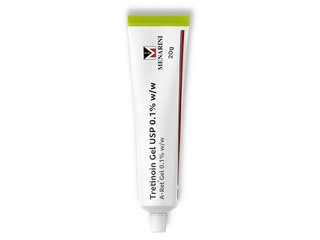
A-Ret (tretinoin) is a medicine used to treat certain skin conditions, most commonly acne. Tretinoin belongs to the retinoid family of medicines and works by helping skin cells renew more normally. It can also be used for other indications depending on the product strength and your clinician’s advice.
This guide is written to be patient-friendly and practical. It explains how A-Ret works, how to use it, what to expect, and how to reduce irritation while achieving the best results.
Quick overview
| Category | Retinoid (topical) |
|---|---|
| Active ingredient | Tretinoin |
| Common uses | Acne (including comedonal acne); selected skin conditions as directed |
| How it’s used | Applied to the skin as a thin layer, usually once daily |
| Typical start of visible results | 2–8 weeks (full benefits often take 3+ months) |
| Where to apply | Areas affected by acne or as directed |
Basic product information
A-Ret contains tretinoin, a topical retinoid. Tretinoin may be supplied in different strengths and formulations (for example, creams or gels depending on the product).
- Strengths: Available strengths vary by formulation. Use the specific product strength provided and follow the directions on your pack.
- Route: Topical use only (on skin).
- Where it should not be used: Eyes, eyelids, corners of the nose, lips, and other mucous membranes.
How tretinoin works (mechanism of action)
Tretinoin helps treat acne by influencing how skin cells behave inside pores. In acne, the lining of pores can become “sticky,” leading to blocked follicles and the formation of comedones (blackheads and whiteheads). Tretinoin:
- Normalises keratinisation: Helps reduce abnormal shedding of skin cells inside the follicle.
- Reduces comedone formation: Encourages pores to clear more effectively.
- Supports anti-inflammatory effects: Helps reduce inflammatory lesions over time.
- Improves skin turnover: Promotes healthier surface renewal, which can gradually improve texture and appearance.
Important: Early worsening can occur for some people (often called “initial flare” or “purging”), usually within the first few weeks.
Pharmacokinetics (what happens in the body)
When used as directed on intact skin, tretinoin is absorbed in very small amounts through the skin surface. Most of the active medicine remains local to the skin.
- Absorption: Low systemic absorption is typical for topical tretinoin.
- Distribution: Because systemic levels are generally low, effects are primarily local to the skin.
- Metabolism & elimination: Any absorbed tretinoin is metabolised and eliminated by the body through normal pathways.
Factors that may increase absorption include applying to large areas, using thicker layers, applying more frequently than advised, broken/irritated skin, and using occlusive dressings.
Typical use and indications
Common indication: Acne (particularly comedonal acne). Tretinoin may also be used for other acne-related skin changes as directed by healthcare professionals, depending on local guidance and product specifics.
In general, topical tretinoin is considered when acne persists or when there is a need for an acne treatment that helps prevent new comedones from forming.
Acne types it may help
- Blackheads/whiteheads (comedones)
- Mixed acne (comedonal plus inflammatory lesions)
- Preventing new lesions with ongoing use
When to apply (timing) and how to build results
Most people use tretinoin at night. Night-time use is common because it can reduce disruption from sunlight and because many moisturisers and gentle cleansers fit well into a bedtime routine.
- Start slowly: If your skin is sensitive, begin 2–3 nights per week.
- Increase gradually: If tolerated, move toward nightly use or as advised.
- Be consistent: Improvements typically take time.
What to expect (realistic timeline)
- Week 1–2: Possible dryness, mild burning, or “purging.”
- Week 2–6: Some lesions may reduce; others may appear before improvement.
- Week 6–12: Noticeable improvement in acne pattern and texture for many people.
- After 3 months: Best results often take longer with consistent use.
Dosing (how much to use)
Dosing depends on the affected area, the product strength, and your tolerance. A common approach is described below for patient reference.
- Amount: Use a thin layer. A pea-sized amount may be enough for the entire face (adjust based on coverage).
- Frequency: Typically once daily at night when tolerated, with gradual escalation from less frequent application if needed.
- Timing relative to washing: Apply to clean, dry skin. Wait about 10–20 minutes after washing if your skin is still damp.
Step-by-step application technique
- Wash with a gentle cleanser and pat dry.
- Wait until skin is completely dry.
- Apply a thin, even layer to the acne-prone areas (not just spot-treating).
- Avoid corners of the nose, lips, and eye area.
- Wash your hands after application.
- Use moisturiser if needed (see “practical use tips”).
Food interactions
Topical tretinoin has minimal systemic absorption under normal use, so food interactions are not typically expected.
However, if you are taking other acne medicines or have medical conditions, always follow your healthcare professional’s advice for those treatments.
Alcohol interactions
There is typically no direct interaction between topical tretinoin and alcohol because tretinoin is applied to the skin and systemic levels are generally low.
Practical consideration: Alcohol-containing skin products (for example, some toners or aftershaves) may increase irritation when used with tretinoin. If your skin feels dry or burning, consider switching to alcohol-free, gentle options.
Interactions with other medicines (topical and systemic)
Some products used on the skin at the same time can increase irritation or reduce tolerance. Others may change how tretinoin behaves on the skin surface.
Topical skincare that may increase irritation
- Other exfoliants: scrubs, chemical peels, high-strength exfoliating acids (e.g., glycolic acid, salicylic acid) used at the same time may worsen dryness.
- Strong irritants: benzoyl peroxide, resorcinol, or other drying agents can increase irritation—sometimes they can be combined carefully, but usually after your skin is tolerating tretinoin.
- Waxing/abrasive procedures: may cause irritation and worsen treatment discomfort.
Medicines that may affect photosensitivity
Tretinoin itself may increase sensitivity, particularly early in treatment. If you use additional medicines that can increase sun sensitivity, take extra sun protection steps (see below).
Oral medicines
Systemic interactions are not commonly expected with topical tretinoin due to low absorption, but tell your healthcare professional or pharmacist if you take:
- Other topical retinoids or acne therapies
- Medicines that affect skin sensitivity or healing
- Any long-term medications that affect skin or immune function
Always check labels and seek advice if you’re unsure, especially if you use multiple acne or anti-ageing products.
Safety profile and side effects
Like all medicines, A-Ret (tretinoin) can cause side effects. Many are related to skin irritation, especially during the first weeks.
Common side effects
- Dryness and flaking
- Redness
- Burning or stinging sensation
- Itching
- Peeling
- Temporary darkening or lightening of treated skin in some individuals
Less common but important
- Severe irritation (intense burning, swelling, blistering)
- Allergic reaction (rash, widespread hives)
When to stop and seek medical advice
Stop using the product and seek advice urgently if you experience:
- Severe swelling of the face or eyelids
- Blistering, oozing, or worsening severe rash
- Signs of a serious allergic reaction
Who should use extra caution
- Very sensitive skin or eczema/dermatitis flares
- Sunburned or wind-chapped skin
- Broken skin in the area of application
- People who use other irritant skincare products
If you are unsure whether tretinoin is suitable, consult your pharmacist or healthcare professional.
Practical use tips (to get the best results with less irritation)
1) Start “slow and steady”
If you jump straight to daily use and your skin reacts strongly, results can be delayed because you may need to pause. A gradual approach often improves adherence.
2) Use the right amount
More is not better. Using extra product does not usually increase effectiveness but can significantly increase irritation.
3) Apply to dry skin
Wait 10–20 minutes after washing. Applying to damp skin can increase stinging.
4) Consider “moisturiser buffering”
- Option A (after): Apply moisturiser after tretinoin dries.
- Option B (before): Some people use moisturiser first, wait briefly, then apply tretinoin (“sandwich method”).
Choose whichever reduces irritation for you and keep the application thin.
5) Use gentle cleansers
Harsh soaps and frequent cleansing can worsen dryness. A gentle, non-stripping cleanser is usually best.
6) Sun protection is essential in Australia
Tretinoin can make skin more sensitive, especially early on. Daily sun protection helps prevent irritation and reduces the risk of post-inflammatory pigment changes.
- Use a broad-spectrum sunscreen suitable for your skin type
- Consider a hat and protective clothing
- Avoid strong midday sun when possible
7) Avoid mixing with strong actives at the same time
If you use acids, retinoids, or exfoliants, consider spacing them out (for example, on alternate nights) and reintroduce slowly based on tolerance.
8) Do not pick or scrub
Picking can worsen scarring risk. Let tretinoin and gentle routines do the work.
Alcohol and skincare: a common irritation trigger
While drinking alcohol is not known to interact directly with topical tretinoin, certain products containing alcohol can sting when combined with irritated skin. If your skin feels “raw,” check your skincare routine for:
- Alcohol-based toners
- Astringents
- Aftershaves or fragranced products
Switch to fragrance-free, alcohol-free options during your initial treatment phase if needed.
Alternative options for acne treatment
Acne treatment is individual. Your clinician may choose other medicines depending on severity, skin sensitivity, and your goals.
Common alternative or add-on treatments
- Benzoyl peroxide: helps reduce acne bacteria and inflammation; may be used with or without other therapies.
- Topical antibiotics (in some regimens): used for limited periods and often combined with other agents to reduce resistance.
- Azelaic acid: can help with acne and pigmentation; often better tolerated by some people.
- Salicylic acid (BHA): helps unclog pores; may be useful depending on tolerance and routine.
- Oral treatments for more severe acne (when appropriate): selection depends on medical assessment.
If tretinoin causes significant irritation, alternatives or supportive strategies (like adjusting frequency or using moisturiser buffering) may be considered.
Market and legal context in Australia
In Australia, availability and classification of medicines depends on how they’re regulated and supplied. Topical tretinoin products may be available through standard pharmacy channels and may be subject to local prescribing/supply requirements depending on brand, strength, and formulation.
Online pharmacy supply must comply with Australian regulations. Reputable online pharmacies require appropriate patient information and follow relevant dispensing and safety processes.
Note: Always ensure that your online pharmacy is legitimate, registered where required, and provides clear product labelling, expiry details, and delivery information.
Recent guidance and practical updates (typical current recommendations)
Current dermatology and consumer guidance generally emphasises:
- Gradual initiation to reduce irritation
- Moisturiser use and gentle cleansing to support skin barrier
- Daily sun protection in Australia
- Avoidance of harsh combinations at the start of therapy
- Patience with timelines—acne improvement often takes weeks to months
Your exact plan may differ based on acne severity, skin type, and whether you’re using other acne treatments.
Delivery and availability (Australia)
Availability varies by formulation and strength. Online pharmacies may offer:
- Standard delivery (often a few business days)
- Express delivery depending on location
- Cold-chain requirements (generally not required for topical tretinoin, but always follow product-specific storage instructions)
When ordering, check:
- Product name and strength
- Expiry date
- Formulation type (cream/gel)
- Delivery timeframe estimates
- Return/refund policy and packaging condition on arrival
Storing A-Ret (tretinoin)
- Store at room temperature as directed on the pack.
- Keep the container tightly closed.
- Protect from excessive heat and sunlight.
- Keep out of reach of children.
- Do not use after the expiry date.
FAQ – A-Ret (tretinoin)
1) How long does it take to work?
Many people notice some improvement between 2–8 weeks. Full results often take 3–4 months with consistent use.
2) Will my acne get worse before it gets better?
Some people experience a temporary worsening or “purging” in the first few weeks. This can happen as blocked pores start to clear. If irritation is severe, reduce frequency or pause and seek advice.
3) Can I use A-Ret during the day?
Night-time use is common. If your clinician advises daytime use, be extra careful with sun protection, as UV exposure can increase irritation and pigment changes.
4) Should I apply it to my whole face or only spots?
For many acne regimens, applying a thin layer to the acne-prone areas (not just individual spots) is recommended. This helps prevent new comedones.
5) What if my skin burns or becomes very dry?
It’s common early on to feel mild dryness or stinging. If it’s strong, try:
- Using it less often (e.g., every second or third night)
- Applying only a very thin layer
- Using moisturiser buffering
- Avoiding other harsh actives for now
If severe irritation occurs, stop and seek advice.
6) Can I use moisturiser and sunscreen?
Yes. In fact, moisturiser often improves tolerance. Sunscreen is strongly recommended during the day, especially in Australia.
7) Can I use benzoyl peroxide with tretinoin?
Many acne regimens combine treatments, but using them together may increase irritation. A clinician may advise a schedule that minimises irritation. If you’re starting tretinoin, consider adding other actives gradually.
8) Does tretinoin stain clothes or bedding?
Topical tretinoin is not usually known to permanently stain, but it may affect the appearance of fabric if product transfers. Allow it to fully absorb and consider using clean pillowcases during the first weeks.
9) Is it safe to use if I have eczema or sensitive skin?
Extra caution is needed. Start slowly, avoid applying to inflamed eczema patches, and consider asking a pharmacist or clinician for a tailored plan.
10) Can I shave, wax, or use facial hair removal while using tretinoin?
Because tretinoin can increase sensitivity, waxing or aggressive hair removal can worsen irritation. Consider avoiding these during the first weeks or when skin is inflamed.
When to seek help
Speak to a pharmacist or healthcare professional if:
- You experience severe or persistent burning, swelling, or rash
- Your skin reaction is so intense you cannot continue the routine
- You are not seeing any improvement after a reasonable trial (often 8–12 weeks)
- Your acne is painful, extensive, or leaving scars
Acne treatment often works best with a consistent routine and adjustments based on tolerance and progress.