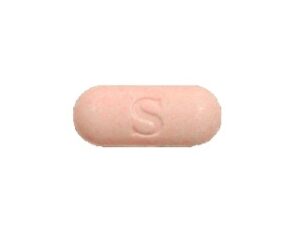

Lithobid (Lithium) – Patient Information (Australia)
Lithobid is a brand of lithium used to help manage certain mood disorders. This guide is designed to be patient-friendly and focuses on how lithium works, how it’s typically taken, important safety information, and practical tips for using it reliably.
If you have questions about whether Lithobid is right for you, or about side effects and monitoring, speak with a qualified health professional.
Basic product information
| Product name | Active ingredient | Common formulation | Typical use area |
|---|---|---|---|
| Lithobid | Lithium | Prolonged-release (extended-release) tablets | Mood stabilisation |
Important: Lithium needs regular monitoring because the effective dose is close to the dose that can cause toxicity. Always follow monitoring plans and dosing instructions provided by your healthcare team.
How Lithobid works (mechanism of action)
Lithium’s exact mechanism is complex and not fully understood, but it helps stabilise mood by affecting signalling pathways within the brain. It is thought to influence:
- Neurotransmitter systems involved in mood regulation
- Second-messenger signalling and cellular “messaging” inside neurons
- Intracellular processes that may affect neuronal resilience and excitability
- Second-messenger pathways such as those involving inositol and related signalling
For many people, lithium helps reduce the risk of mood episodes returning, including episodes of mania and depression in bipolar disorder.
Typical uses in practice
Lithium (including Lithobid) is commonly used for:
- Bipolar disorder—especially to help prevent recurrence of mood episodes
- Acute mania and/or maintenance therapy, depending on the individual treatment plan
- Adjunct management in some treatment-resistant cases of mood disorders (where appropriate)
Your clinician will consider your history, current symptoms, other medicines, kidney function, and blood test results when deciding on suitability.
Timing and how to take Lithobid
Lithobid is commonly formulated as prolonged-release (extended-release). This generally means it is designed to release lithium more slowly over time to help maintain more steady blood levels.
Typical timing
- Take at the same time(s) each day to support stable blood levels.
- With food if recommended or if it reduces stomach upset.
- Swallow whole with water (do not crush or chew unless your product instructions specifically state this is safe).
What to do if you miss a dose
- If you miss a dose, take it when you remember unless it’s close to your next dose.
- Do not double up to make up for a missed dose.
- Because lithium timing matters, consider asking your pharmacist for advice based on your dosing schedule.
Pharmacokinetics (absorption, distribution, metabolism, elimination)
Pharmacokinetics describes what the body does to lithium and is especially important for lithium because levels in the blood guide safety and effectiveness.
Absorption
- Absorption is variable and can be affected by formulation (e.g., extended-release), hydration status, and gastrointestinal factors.
- With prolonged-release products, the goal is more gradual absorption to reduce peaks and troughs.
Distribution
- Lithium distributes throughout body water.
- Because it distributes into body fluids, changes in hydration can affect lithium concentrations.
Metabolism
- Lithium is not meaningfully metabolised by the body. It is largely excreted unchanged.
Elimination
- Primarily eliminated by the kidneys through urine.
- Kidney function is therefore central to dosing and safety.
- During illness that affects hydration or kidney function, lithium levels can rise.
Why blood monitoring matters
Lithium has a narrow therapeutic window, meaning the range between therapeutic benefit and toxicity can be relatively small. Monitoring helps ensure your blood lithium level remains in the intended target range.
Food interactions and dietary considerations
Unlike many medicines, lithium’s absorption and levels can be influenced by hydration and salt balance rather than by specific foods alone. Food may still matter for comfort and consistency.
Food and fluids
- Maintain consistent fluid intake as advised.
- Do not make large changes to your salt intake without discussing with your clinician.
- If you experience nausea or stomach upset, taking with food may help.
Salt balance (important)
Lithium behaves somewhat like sodium in the body. When sodium is low, the kidneys may reabsorb more lithium, which can increase lithium levels. Changes that may reduce sodium include:
- Starting a low-salt or “no added salt” diet
- Significant dietary changes for weight loss or heart health
- Ongoing vomiting/diarrhoea leading to sodium loss
Always discuss major dietary changes with your pharmacist or healthcare team.
Alcohol and medicine interactions
Alcohol
Alcohol may increase the risk of side effects such as dizziness, drowsiness, and dehydration—especially if you drink heavily or do so while unwell. Dehydration can increase lithium concentrations. For these reasons, it is generally advised to limit or avoid alcohol and to follow personalised advice from your clinician.
General medicine interactions (very important)
Many medicines can affect lithium levels or kidney function. Some interactions can be serious. Tell your healthcare team about everything you take, including over-the-counter medicines and herbal products.
Particularly important interactions include:
-
Non-steroidal anti-inflammatory drugs (NSAIDs) (e.g., ibuprofen, naproxen, diclofenac)
→ may increase lithium levels. -
ACE inhibitors and angiotensin receptor blockers (ARBs) (for blood pressure)
→ may increase lithium levels. -
Diuretics (water tablets, including thiazides and loop diuretics)
→ can significantly increase lithium levels. -
Other medicines affecting kidney function or hydration
→ can raise risk of toxicity.
Examples of other medicines that may require extra caution (depending on the individual) include:
- Some antibiotics (depending on the antibiotic)
- Decongestants and other products that can affect fluid balance
- Medicines that affect blood pressure
- Herbal products with potential diuretic effects
If you’re unsure whether a medicine is safe with lithium, ask your pharmacist before starting it.
Dosing: what’s typical and what to expect
Lithium dosing is individualised based on blood test results, symptoms, age, kidney function, and tolerance. The dose is not “one size fits all”.
General dosing principles
- Start low and increase slowly where appropriate.
- Target blood levels are set by your clinician depending on the condition being treated and your risk factors.
- Regular blood tests are required to confirm the dose is both safe and effective.
How often are blood levels checked?
- More frequent tests are typically needed during initiation and dose changes.
- Once stable, testing frequency may reduce, but monitoring remains ongoing.
Prolonged-release specifics
Because Lithobid is designed to release lithium over time, the timing of doses and adherence are particularly important for stable levels. If you switch between brands or formulations, lithium levels may change—your clinician may adjust and monitor more closely.
Safety profile and important warnings
Lithium can be highly effective, but it requires careful monitoring. The main safety concerns relate to:
- Toxicity (lithium levels becoming too high)
- Kidney effects
- Thyroid effects
- Neurological and gastrointestinal side effects at higher levels or with sensitivity
Early signs of lithium toxicity
Seek urgent medical attention if you suspect lithium levels may be dangerously high. Early symptoms can include:
- Severe nausea, vomiting, or diarrhoea
- Marked dizziness or unsteadiness
- New or worsening tremor
- Confusion, drowsiness, or difficulty thinking clearly
- Slurred speech
Serious symptoms
- Severe confusion or reduced consciousness
- Seizures
- Significant worsening weakness
If serious symptoms occur, emergency care is essential.
Kidney and thyroid monitoring
- Kidney function tests (e.g., creatinine/eGFR, urine tests depending on your doctor)
- Thyroid function tests (lithium can contribute to hypothyroidism in some people)
- Possible monitoring of blood levels and general health parameters
Monitoring schedules vary by individual risk and stability.
Practical use tips for patients
Small routines can make lithium therapy safer and more effective.
Do
- Keep appointments for blood tests, especially after starting or changing dose.
- Stay hydrated and maintain consistent fluid intake (unless you’ve been advised otherwise).
- Take your dose consistently at the recommended time(s).
- Tell your healthcare team about any illness, vomiting, diarrhoea, or fever.
- Discuss other medicines before starting NSAIDs, blood pressure medicines, or diuretics.
Avoid
- Dehydration (e.g., heavy sweating without replacing fluids, or being unwell with reduced intake).
- Sudden dietary salt changes unless discussed with your clinician.
- Over-the-counter “pain relief” choices without checking interactions—NSAIDs are a common issue.
When you are unwell (“sick day” considerations)
If you develop vomiting, diarrhoea, fever, or you’re unable to drink normally, lithium levels can rise. Contact your healthcare team promptly for advice on whether any temporary adjustments or extra blood tests are needed.
Alternative options
Treatment decisions are individual. Depending on your condition and response, clinicians may consider other mood-stabilising or adjunct medications. Options may include:
- Other mood stabilisers (for example, valproate or carbamazepine where appropriate)
- Atypical antipsychotics used for mood stabilisation and acute symptoms (varies by indication)
- Psychological strategies alongside medication for long-term support
- Adjustments to therapy based on side effects, monitoring results, and symptom control
If you’re considering switching from lithium to another option (or vice versa), this should be done with medical guidance and monitoring.
Market and legal context in Australia
In Australia, medicines containing lithium are regulated and require appropriate clinical oversight due to the need for monitoring and the risk of toxicity. Availability may depend on your prescriber’s requirements and the product’s status under Australian medicines regulation and pharmacy supply rules.
Guidance and monitoring expectations are shaped by Australian clinical practice, safety communications, and standard medication safety processes. Always ensure you are using the correct product form and following local advice.
If you’re ordering online, ensure the pharmacy you choose is legitimate and operates in line with Australian requirements for medication supply.
Recent guidance and safety updates (general)
Safety guidance for lithium commonly emphasises:
- Ongoing blood level monitoring during dose changes and periodically when stable
- Kidney and thyroid monitoring
- Medication interaction awareness, especially NSAIDs, ACE inhibitors/ARBs, and diuretics
- Prompt action during illness that affects hydration or kidney function
Recommendations can evolve as new evidence emerges. For the most current advice, follow information provided by your healthcare professional and official Australian medicines safety communications.
Delivery and availability (online pharmacy)
Availability and delivery timelines can vary depending on stock status, dispensing practices, and location within Australia. When ordering online, you may be asked to confirm details relevant to your medication supply process.
- Confirm stock if you need the medicine urgently.
- Check delivery timeframes displayed during checkout.
- Keep packaging intact and store tablets as directed.
If you are travelling or changing routines, plan ahead to avoid running out of lithium and to maintain consistent dosing.
Storage
- Store in a cool, dry place as directed on the packaging.
- Keep out of reach of children.
- Do not use after the expiry date.
If you’re unsure about how to store your specific Lithobid product, check the leaflet or ask your pharmacist.
FAQ
1) How long does Lithobid take to work?
Many people do not feel immediate full benefit. Some effects on mood stability can take weeks. Your clinician may use blood levels and symptom changes to guide how therapy is progressing.
2) Why do I need regular blood tests?
Lithium has a narrow safety margin. Blood tests confirm your lithium concentration is in the therapeutic range and help prevent toxicity, especially after dose changes, illness, dehydration, or medicine interactions.
3) Can I take Lithobid with food?
Taking with food can reduce stomach discomfort for some people. Follow your prescribing instructions and product leaflet. If your clinician advises a consistent approach to meals, try to maintain it.
4) Is it safe to take pain relief medicines like ibuprofen?
NSAIDs such as ibuprofen can interact with lithium and may raise lithium levels. It’s best to check with your pharmacist before using NSAIDs. If you need pain relief, ask what is safest for you while taking lithium.
5) What should I do if I become sick with vomiting or diarrhoea?
Contact your healthcare team promptly. Vomiting or diarrhoea can lead to dehydration and changes in salt balance, potentially increasing lithium levels. Your clinician may advise extra monitoring or temporary steps.
6) Can I drink alcohol while taking Lithobid?
Alcohol can worsen side effects and may increase dehydration risk. It’s generally safest to limit or avoid alcohol and follow advice from your clinician. If you choose to drink, do so cautiously and avoid binge drinking.
7) What are common side effects?
Common side effects may include mild tremor, thirst, increased urination, stomach upset, and sometimes mild changes in energy or concentration. Side effects that are new, severe, or worsening—especially confusion, significant unsteadiness, or persistent vomiting—should be assessed urgently.
8) What if I forget a dose?
If you miss a dose, take it when you remember unless it’s near the next scheduled dose. Do not double up. Because timing affects lithium levels, ask your pharmacist for guidance based on your dosing schedule.
9) Can I stop Lithobid suddenly?
Stopping lithium can lead to a return or worsening of symptoms. Any change should be discussed with your clinician, with a plan for monitoring.
10) Are there dietary restrictions?
Rather than strict “forbidden foods,” the key issue is maintaining consistent hydration and avoiding large changes in salt intake. Discuss any major diet changes with your pharmacist or clinician.
Disclaimer: This information is a general guide and does not replace personalised advice from a qualified healthcare professional. For questions about Lithobid, safety, interactions, and monitoring, speak with your pharmacist or doctor.