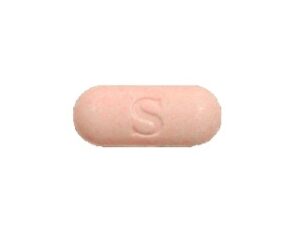



Topamax (Topiramate) — Patient-Friendly Guide (Australia)
Topamax is a brand of topiramate, a medicine used to treat certain neurological and related conditions. This guide explains what Topamax is, how it works, how it’s taken, key safety information, and what to discuss with your healthcare professional. It is written to be clear and helpful for people living in Australia.
Important: Everyone’s situation is different. Always follow the instructions provided by your prescriber and the directions on the medicine label.
1) Basic product information
| Item | Details |
|---|---|
| Medicine name | Topamax (topiramate) |
| Medicine type | Antiepileptic / antiepileptic-like (also used for migraine prevention) |
| How it’s usually taken | By mouth (tablets or capsules depending on formulation) |
| Common dosing schedule | Often once or twice daily depending on the condition and your plan |
| Key considerations | May cause fatigue, tingling, appetite/weight changes, and thinking “slower” in some people |
2) What Topamax/topiramate is used for (indications)
In Australia, topiramate (Topamax) is commonly used for:
- Epilepsy — as part of treatment for certain seizure types, including:
- Focal seizures (with or without secondary generalisation), in adults and children
- Lennox-Gastaut syndrome, in some patients as add-on therapy
- Prevention of migraine — to reduce frequency of migraine attacks in adults (and in some age groups depending on local guidance and approvals)
Eligibility and exact use vary by age, seizure type, and whether it’s being used alone or with other medicines. Your clinician will tailor the regimen to you.
3) How Topamax works (mechanism of action)
Topiramate affects several pathways in the brain and nervous system. While the precise benefit differs by condition, the medicine is thought to:
- Reduce excessive nerve firing by blocking certain sodium channels
- Increase inhibitory signalling (e.g., by enhancing GABA-related activity)
- Limit excitatory neurotransmission (e.g., by affecting glutamate activity)
- In migraine prevention, contribute to stabilising neuronal and pain pathways involved in migraine generation
- In some people, influence carbonic anhydrase activity, which may contribute to metabolic effects (including tingling sensations)
These combined effects can help control seizures and reduce migraine frequency.
4) Pharmacokinetics: how the body handles topiramate
Understanding pharmacokinetics can help you anticipate how the medicine behaves.
- Absorption: Topiramate is absorbed from the gastrointestinal tract after oral dosing.
- Peak levels: Blood levels typically peak within a few hours after taking a dose (time to peak can vary by formulation and individual factors).
- Distribution: It distributes into tissues, including the central nervous system.
- Metabolism: Some topiramate is metabolised (to a limited extent) in the liver.
- Excretion: The majority is eliminated primarily via the kidneys.
- Half-life: The “half-life” (time for levels to reduce by half) is long enough that many people take it once or twice daily depending on the plan.
Kidney function matters: Because topiramate is mainly cleared by the kidneys, your prescriber may adjust the dose if you have kidney impairment.
5) When and how to take Topamax (timing and practical routine)
Topamax works best when taken consistently. Many people find it easiest to link doses to daily routines (e.g., breakfast and dinner).
Typical timing
- If prescribed twice daily, take one dose in the morning and the second dose in the evening.
- If prescribed once daily, take it at the same time each day.
- Try to maintain a consistent schedule, especially during the first weeks while doses are being built up.
Taking with food
- Topiramate can generally be taken with or without food.
- If nausea occurs, taking it with food may help.
Do not stop suddenly
Stopping topiramate abruptly may increase the risk of seizures or other symptoms. If you need to stop, your clinician will usually reduce the dose gradually.
6) Food interactions and what to watch
Food: In most cases, food does not significantly change topiramate’s effectiveness. Taking with food may help reduce stomach upset.
Hydration: Some people notice side effects such as tingling, decreased sweating, or kidney stone risk. Staying well-hydrated is often recommended, particularly if you live in a hot climate, exercise frequently, or are taking the medicine at higher doses.
Ketogenic diet: If you follow a ketogenic or very low-carbohydrate diet for weight management or medical reasons, discuss this with your healthcare professional. This diet may affect acid-base balance and increase risk of metabolic side effects when combined with topiramate.
7) Alcohol interactions and safety
Combining Topamax with alcohol can increase certain side effects, such as:
- Drowsiness or dizziness
- Slower reaction times
- Impaired coordination
- Worsened thinking difficulty (sometimes described as “brain fog”)
If you choose to drink alcohol, do so cautiously and only if your prescriber says it’s appropriate for you. Avoid driving or operating machinery if you feel sleepy or unsteady.
8) Medicine interactions (important)
Topiramate can interact with other medicines. Some interactions can affect seizure control, migraine prevention, or the body’s metabolism of other drugs.
Common interaction themes
- Other antiseizure medicines: Some combinations require careful dose adjustments and monitoring.
- Hormonal contraception: Some hormonal contraceptives may have reduced effectiveness in certain circumstances; discuss contraception plans early.
- Medicines that affect mood or cognition: If you take antidepressants, sedatives, or other neurologically acting drugs, side effects may be additive.
- Diuretics (water tablets): Some can increase the risk of metabolic changes and kidney stone risk.
- Carbonic anhydrase inhibitors: Combining with certain drugs (e.g., acetazolamide) may increase the risk of metabolic acidosis and tingling.
- Metformin (for diabetes): Combination may increase risk of metabolic acidosis.
Always check specific medicines
Tell your healthcare professional and pharmacist about:
- All prescription medicines
- Over-the-counter products (including pain relief, sleep aids)
- Herbal supplements (e.g., St John’s wort)
- Any vitamins or special diets
9) Dosing: how Topamax is commonly started and adjusted
Dosing varies by the condition being treated, age, kidney function, and how well you tolerate the medicine. Many people start with a low dose and increase slowly over time to reduce side effects.
Starting and titration (dose build-up)
- Start low: Helps reduce early side effects (such as dizziness, tingling, or fatigue).
- Increase gradually: Your prescriber may raise the dose every 1–2 weeks (or another schedule) until the target dose is reached.
- Individual adjustment: If side effects appear, your clinician may slow the titration or change the dosing plan.
Usual dosing patterns
Below is a general description of typical dosing approaches. Your exact dose should follow your clinician’s instructions and the product label.
| Condition | General approach | Notes |
|---|---|---|
| Migraine prevention | Often starts low and increases gradually to a preventive target dose | Some people may trial a dose range depending on response and tolerance |
| Epilepsy | Can be used as add-on or, in some circumstances, monotherapy; dose adjusted by response | Some patients may need slower titration |
| Special populations | May require dose adjustments | Kidney impairment, older age, and other interacting medicines may change dosing |
Do not change your dose yourself. If you miss a dose or want to stop, speak with your healthcare professional for tailored advice.
10) Safety profile: what to know before and during treatment
Like all medicines, Topamax can cause side effects. Many are mild to moderate and improve as your body adjusts, particularly with gradual dose increases. However, some effects require urgent medical attention.
Common or expected side effects
- Tingling in the hands, feet, or face
- Dizziness or light-headedness
- Drowsiness or fatigue
- Nausea or upset stomach
- Loss of appetite and sometimes weight loss
- Changes in taste
- Concentration or memory difficulties (sometimes described as “brain fog”)
- Slower thinking or speech-related word-finding trouble
- Reduced sweating (especially in warm conditions)
Less common but important risks
- Kidney stones: Topiramate may increase the risk in some people. Symptoms can include severe side/back pain, pain when urinating, or blood in urine.
- Metabolic acidosis: Because topiramate affects acid-base balance in some patients, you may develop low bicarbonate levels. Symptoms may include unusual fatigue, rapid breathing, or persistent nausea.
- Eye problems: Rarely, sudden eye pain, blurred vision, or red eyes can occur (potentially serious). This can be a medical emergency.
- Severe skin reactions: Seek urgent help if you develop rash with fever, blistering, or facial swelling.
When to seek urgent help
Get urgent medical attention if you have:
- Sudden eye pain, blurred vision, or red eye
- Severe allergic reaction symptoms (swelling of lips/face, breathing difficulty)
- Severe or persistent chest/side/back pain with urinary symptoms (possible kidney stones)
- Signs of severe confusion, fainting, or trouble breathing
11) Practical use tips (to improve success and reduce side effects)
- Go slowly during titration: If you’re building up the dose, changes should be gradual to improve tolerability.
- Track effects: Consider noting migraine days, seizure control, mood, sleep, and any side effects (tingling, dizziness, appetite changes).
- Hydrate well: Drinking adequate fluids may reduce the chance of kidney stone risk. Avoid dehydration, especially in hot weather.
- Be cautious with driving: If dizziness or drowsiness occurs, avoid driving and machinery until you know how Topamax affects you.
- Protect yourself in heat: Reduced sweating can occur. Take extra care during exercise or hot conditions.
- Prevent confusion: If you notice thinking/word-finding difficulties, discuss it promptly—dose adjustment or timing changes may help.
- Maintain nutrition: Appetite suppression can lead to unintentional weight loss. Ensure adequate food and fluids.
- Regular reviews: Ask your prescriber whether you need blood tests or kidney function monitoring based on your health and dose.
12) Missed dose: what to do
If you miss a dose, follow general guidance:
- Take it when you remember unless it’s close to the next dose.
- If it’s nearly time for the next dose, skip the missed dose and continue your regular schedule.
- Do not double up to make up for a missed dose.
If you have frequent missed doses, discuss a routine change (timing, reminders, or formulation) with your pharmacist.
13) Alternative options (what else may be used)
Depending on the condition, there are other medicines and approaches that clinicians may consider.
For epilepsy
- Other antiseizure medicines may be used instead of or alongside topiramate (the choice depends on seizure type and individual response).
- Non-medicine options may include specialist evaluation for suitability of other treatments.
For migraine prevention
- Other preventive medicines may be considered, such as beta-blockers or other classes depending on your health profile.
- Some patients may be offered newer migraine-specific options (based on eligibility and availability in Australia).
- Non-drug strategies (sleep, hydration, trigger management, and physiotherapy for tension contributors) can complement medication.
Talk to your healthcare professional before switching—dose changes or medicine transitions should be supervised.
14) Topamax and special considerations
Kidney and liver considerations
- Kidney impairment: Dose adjustments may be needed due to renal clearance.
- Liver disease: Your prescriber will consider overall safety and other medicines.
Pregnancy and breastfeeding (Australia guidance)
If you are pregnant, planning pregnancy, or breastfeeding, discuss this urgently with your healthcare professional. Topiramate can affect pregnancy outcomes in some circumstances, so risk–benefit discussion is essential. Do not change treatment on your own.
Contraception
Because of potential interactions with hormonal contraception and the importance of preventing unintended pregnancy, contraception planning should be discussed early.
15) Market & legal context for Australia (what to expect)
In Australia, access to medicines like topiramate is governed by national medicines legislation and state/territory pharmacy rules. Many antiseizure medicines are regulated as prescription-only medicines and must be supplied under Australian requirements.
For a pharmacy customer, this typically means:
- Identification and patient details may be required when purchasing regulated medicines.
- Pharmacists may ask screening questions to ensure safe supply and appropriate use.
- Refills or repeat supply are dependent on the prescriber’s instructions and local regulatory processes.
Product availability: Availability can vary by formulation (strengths, tablets vs other forms) and supply schedules.
16) Recent guidance and monitoring (what clinicians commonly recommend)
While clinical guidance can update over time, common themes in modern practice include:
- Slow titration to improve tolerability
- Review of interactions, especially with other antiseizure medicines, diuretics, and hormonal contraception
- Monitoring of kidney function and metabolic status when clinically indicated (particularly with higher doses or risk factors)
- Patient education about warning signs (eye symptoms, kidney stone symptoms, severe skin reactions)
If you have been asked to do blood tests or monitoring, it’s usually to keep treatment safe and effective for your individual circumstances.
17) Delivery and availability (online pharmacy)
Many online pharmacies in Australia aim to provide convenient delivery options for regulated medicines where supply is permitted. Availability may depend on stock levels and your requested strength or formulation.
- Stock checks: The pharmacy may confirm stock availability before dispatch.
- Dispatch times: Delivery timelines vary based on location and carrier services.
- Packaging: Medicines are typically packaged to protect tablets/capsules and maintain privacy.
Delivery note: If you require fast delivery due to running out soon, contact the pharmacy promptly. Ask about delivery cut-off times and any fees.
18) FAQ about Topamax (topiramate)
Is Topamax the same as topiramate?
Yes. Topamax is a brand name for topiramate. Other brands or generic topiramate products may exist.
How long does it take to work?
It depends on the condition and your dose. For migraine prevention, some people notice improvement within weeks, while others may take longer. In epilepsy, benefit is typically assessed based on seizure control over time. Your clinician may adjust dosing based on response and tolerability.
Can I take Topamax with food?
Yes. You can generally take it with or without food. If nausea occurs, taking it with meals can help.
What side effects are most common?
Common effects include tingling, dizziness, drowsiness, fatigue, loss of appetite/weight loss, nausea, and thinking/concentration difficulties.
Does Topamax cause weight loss?
Some people experience reduced appetite and weight loss. If weight loss is significant or unwanted, speak with your healthcare professional.
Can I drink alcohol while on Topamax?
Alcohol may increase dizziness, drowsiness, and impaired coordination. If you drink, do so cautiously and avoid driving if you feel affected. Discuss your individual situation with your healthcare professional.
What if I miss a dose?
Take it when you remember unless it’s near the next dose. Otherwise, skip the missed dose. Do not double up.
Are there foods or supplements I should avoid?
There are no universally required food restrictions, but hydration is important. If you follow a ketogenic or very low-carb diet, discuss it with your clinician due to potential metabolic effects.
Can Topamax affect contraception?
Some hormonal contraception may be affected in certain situations. Discuss contraceptive options with your prescriber or pharmacist so you can choose a reliable plan.
What warning signs should I watch for?
Seek urgent care for sudden eye pain/blurred vision/red eye, severe allergic symptoms, severe pain with urinary symptoms (possible kidney stones), or serious skin reactions.
Can I stop Topamax suddenly?
Usually not. Stopping abruptly may worsen seizures or symptoms. Dose changes should be supervised by your healthcare professional with gradual tapering when appropriate.
Summary
Topamax (topiramate) is used in Australia for epilepsy and migraine prevention. It works by stabilising nerve activity through multiple brain mechanisms. Like many medicines acting on the nervous system, it can cause side effects—most often tingling, dizziness, fatigue, appetite changes, and thinking difficulties—especially during dose increases.
For best outcomes, take your dose at consistent times, stay well-hydrated, be careful with alcohol and driving if you feel drowsy, and speak promptly with a pharmacist or healthcare professional if you experience warning signs or troublesome side effects.