
Conjugated Estrogens (Premarin® and similar brands) — Patient Guide (Australia)
Conjugated estrogens are medicines containing naturally occurring estrogen compounds used to relieve symptoms of estrogen deficiency. They are commonly prescribed for certain hormone-related conditions, including symptoms around menopause and some other estrogen-responsive problems. This guide explains how the medicine works, how it’s used, what to expect, and important safety information for people in Australia.
This information is designed to help you understand the medicine. Always follow the instructions given by your healthcare professional and read the Consumer Medicine Information (CMI) provided with your product.
1) Basic product information
- Medicine name: Conjugated estrogens
- What it is: A form of estrogen made from conjugated estrogen compounds (a mixture of estrogen types)
- Common brands (examples): Premarin® and other equivalent products (availability can vary)
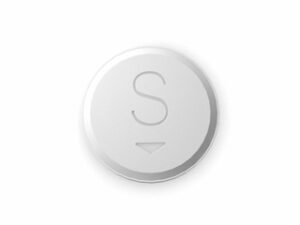
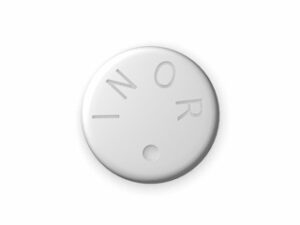
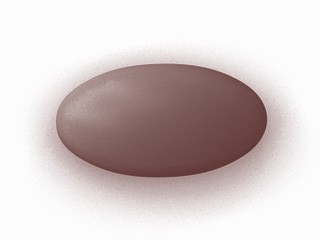
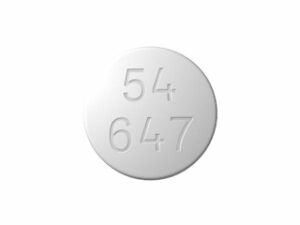
- Form: Usually tablets; some markets may offer other forms depending on brand and regulatory approval
- How it works in the body: Replaces or supplements estrogen activity
- Who it’s for (typical): People with symptoms related to low estrogen, often due to menopause or certain medical conditions
In Australia: Products containing conjugated estrogens are regulated by the Therapeutic Goods Administration (TGA). Availability and brand names can vary by manufacturer and supply.
2) How conjugated estrogens work (mechanism of action)
Estrogens are female sex hormones that play a key role in reproductive tissues and many other body systems. Conjugated estrogens are metabolised in the body to active estrogen forms that bind to estrogen receptors.
- Hormone receptor activity: Estrogens attach to estrogen receptors in tissues (e.g., uterus, breast, brain, liver, blood vessels) and help regulate gene expression.
- Menopause symptom relief: They can reduce symptoms such as hot flushes and night sweats by affecting the thermoregulatory (temperature control) centre of the brain.
- Urogenital support (where applicable): Estrogen helps maintain the lining of the vagina and urinary tract, potentially improving dryness, irritation, and painful intercourse.
- Bone effects: Estrogen helps slow bone loss, which may protect against osteoporosis over time.
Important: For people with a uterus, estrogen-only therapy may increase the risk of endometrial (uterine lining) overgrowth. In many cases, a progestogen is used alongside estrogen to reduce this risk—your healthcare professional will advise the appropriate regimen for you.
3) Pharmacokinetics (how the body processes it)
Pharmacokinetics describes what the body does to the medicine—absorption, distribution, metabolism, and excretion.
- Absorption: Conjugated estrogens are absorbed through the gastrointestinal tract after oral dosing.
- Distribution: Estrogens distribute throughout the body and bind to plasma proteins.
- Metabolism: They are metabolised primarily in the liver. Metabolites can include both active and less active forms.
- Enterohepatic circulation: Some estrogen metabolites are recycled via the gut–liver pathway, which may contribute to persistence of estrogen effects.
- Elimination: Metabolites are eliminated mainly via urine and faeces.
- Clinical implication: Because of metabolism and recycling, estrogen effects may continue beyond the time of the last dose.
Timing matters: For consistent symptom control, it’s important to take your medicine regularly as directed.
4) Typical use and indications
Conjugated estrogens are used in hormone-related conditions where estrogen deficiency or estrogen responsiveness is relevant. Common indications include:
- Moderate to severe vasomotor symptoms (e.g., hot flushes, night sweats) due to menopause
- Prevention of postmenopausal osteoporosis in people at increased risk, when appropriate options are not suitable
- Other estrogen-responsive conditions, as determined by a clinician based on your specific diagnosis and risks
Menopause note: Many guidelines emphasise using the lowest effective dose for the shortest duration needed to manage symptoms, while regularly reassessing benefits and risks.
5) Timing and how to take conjugated estrogens
Always follow the schedule prescribed for you. Different regimens exist (continuous or cyclic), depending on whether you also take a progestogen and the reason you’re using estrogen.
- Choose a consistent time: Take at about the same time each day to maintain steady effects.
- Swallow whole with water: Many tablets should be swallowed whole. Do not crush or chew unless your specific product instructs otherwise.
- If you miss a dose:
- Take it as soon as you remember.
- If it’s close to the next dose, skip the missed dose and continue your usual schedule.
- Do not double up unless instructed by your healthcare professional.
How long until it works? Some symptoms (such as hot flushes) may improve within a few weeks. Others (such as urogenital comfort or bone protection) may take longer. Your clinician may review progress after an initial period and adjust the dose if needed.
6) Food interactions
Conjugated estrogens tablets can generally be taken with or without food. However, food may affect absorption for some medicines in some people.
- Practical approach: If your product information does not specify restrictions, take it the way you normally take other daily medicines.
- Consistency helps: Taking it the same way each day (with or without food) may reduce variability.
Grapefruit and similar products: While estrogen interactions are not as commonly highlighted with grapefruit as with some other medicines, it’s still wise to be cautious with supplements or concentrated products that may affect liver enzymes or drug transporters.
7) Alcohol and medicine interactions
Alcohol does not typically have a direct, universal interaction with conjugated estrogens, but it can affect overall risk and side effects.
- General guidance: Keep alcohol intake moderate and consider your personal risk factors.
- Watch liver health: Both alcohol and hormones are processed in the body, and heavy alcohol use may contribute to liver strain.
- Blood clot risk considerations: Estrogen therapy can increase the risk of certain clotting events in some people. Alcohol can indirectly affect risk through effects on blood pressure, hydration, and adherence to treatment.
- Side effects overlap: Alcohol may worsen flushing, dizziness, or nausea in some individuals.
If you drink alcohol regularly: discuss your pattern with your clinician so they can help weigh benefits and risks for your specific situation.
8) Dosing information (typical dose ranges)
Dosing is individual and depends on the condition being treated, symptom severity, age, medical history, and whether you have a uterus.
Common clinical dosing patterns may include:
- Vasomotor symptoms (menopause): Often started at a lower dose and adjusted based on response and tolerability.
- Urogenital symptoms: Sometimes managed with different estrogen formulations depending on severity (for example, local vaginal estrogen). Oral therapy may be considered in specific cases.
- Bone protection: If used for osteoporosis prevention, dosing is generally aligned with menopausal management principles and regularly reviewed.
Follow your exact prescription label. Do not change dose frequency or stop/start suddenly without professional advice. If you feel the dose is too high or too low (ongoing symptoms, troublesome side effects, abnormal bleeding), seek guidance—your regimen may need adjustment.
9) Safety profile and when to seek urgent help
Like all medicines, conjugated estrogens can cause side effects. Many people tolerate estrogen therapy well, but some risks require careful assessment and monitoring.
Common side effects
- Nausea, stomach discomfort
- Bloating or fluid retention
- Breast tenderness
- Headache or migraine changes
- Vaginal bleeding or spotting (especially early in treatment or during dose changes)
- Mood changes
Serious risks (important)
Estrogen-containing medicines can increase the risk of certain conditions in some individuals. Your healthcare professional will consider your personal risk factors (age, smoking status, history of clots, migraine type, blood pressure, family history, cancer history, etc.).
- Blood clots (venous thromboembolism): Symptoms can include leg swelling/pain (often one-sided), chest pain, sudden shortness of breath.
- Stroke risk: Particularly relevant in people with additional risk factors.
- Breast cancer risk: Risk depends on therapy type and duration; the overall balance of benefits and risks should be reviewed regularly.
- Endometrial changes: If you have a uterus and take estrogen without adequate progestogen, it can increase risk of endometrial hyperplasia and cancer.
- Liver-related issues: Seek advice if you develop jaundice or severe persistent symptoms.
Seek urgent medical attention if you have
- Signs of a blood clot: one-sided leg swelling, sudden chest pain, coughing blood, or sudden shortness of breath
- Signs of stroke: face drooping, weakness/numbness on one side, trouble speaking, sudden severe headache
- Unusual severe abdominal pain, sudden vision changes, or severe dizziness/fainting
- Yellowing of the skin/eyes (jaundice), dark urine, or severe persistent upper abdominal pain
Note: If you notice new or worsening symptoms, don’t wait until the next review appointment.
10) Practical use tips (to get the best results and reduce problems)
- Track symptom response: Consider using a simple log for hot flush frequency, sleep quality, and any bleeding changes.
- Use the lowest effective dose: If symptoms are controlled, you may not need higher doses—ask your clinician at follow-up.
- Regular reviews are essential: Benefits and risks can change over time. A periodic check helps keep treatment appropriate.
- Monitor bleeding: Any persistent or heavy bleeding should be assessed promptly.
- Adopt supportive lifestyle measures: Stop smoking, maintain healthy weight where possible, stay active, and manage blood pressure.
- Be consistent with adherence: Missed doses can reduce symptom control and make bleeding patterns more unpredictable.
- Tell your healthcare team: Inform all clinicians (including dentists and specialists) that you use estrogen therapy.
11) Alternative options
Depending on your symptoms and medical history, alternative treatments may include:
- Local (vaginal) estrogen therapy: Often used for genitourinary symptoms such as vaginal dryness and discomfort with sex, typically with lower systemic absorption than oral therapy.
- Non-hormonal options: Some people may use therapies that target vasomotor symptoms without estrogen.
- Other hormone regimens: Different estrogen types or delivery methods may be considered.
- For osteoporosis risk: Bone-specific medications may be options, depending on your fracture risk and preferences.
Your best alternative depends on the reason you’re taking estrogen, your risk factors, and the severity of symptoms. Discuss all options with your healthcare professional.
12) Market and legal context for Australia
In Australia, medicines containing conjugated estrogens are supplied under the regulatory framework of the Therapeutic Goods Administration (TGA). Requirements include:
- Quality and safety standards: Manufacturing and distribution must meet Australian regulatory standards.
- Approved indications and product information: The Consumer Medicine Information (CMI) and approved Product Information guide safe use.
- Pharmacy supply processes: Medicines are dispensed through pharmacy channels according to the relevant scheduling and prescribing rules.
Recent guidance (general themes): Australian and international menopause guidance continues to emphasise:
- Individualised risk–benefit assessment
- Using the lowest effective dose
- Regular review of treatment necessity
- Careful management for people with a uterus (often requiring progestogen protection)
For the most current recommendations, consult your clinician or check TGA/authoritative menopause guidance resources.
13) Delivery and availability (Australia)
Availability of specific brands and strengths may vary between pharmacies due to supply and manufacturer distribution. To help you receive your medicine reliably:
- Order confirmation: We aim to verify stock availability quickly.
- Delivery timeframes: Delivery can vary depending on your location and courier schedules. You’ll be provided with estimated dispatch/delivery details at checkout.
- Packaging: Medications are supplied in original packaging where possible.
- Storage: Store as directed on the label and avoid excessive heat and humidity.
If your preferred strength is out of stock, we may contact you with options such as alternative strengths (if suitable) or an equivalent product, subject to pharmacy and regulatory rules.
14) FAQ
How quickly will conjugated estrogens improve my symptoms?
Some people notice improvement in hot flushes and night sweats within a few weeks. Vaginal dryness or discomfort may take longer. Your clinician can help you judge progress and whether dose adjustment is needed.
Will I have a period (bleeding) while taking conjugated estrogens?
Bleeding patterns depend on whether you take a progestogen and the regimen type (continuous vs cyclic). Spotting or bleeding can occur, especially early in treatment or after dose changes. Any persistent or heavy bleeding should be assessed.
If I have a uterus, do I need more than estrogen?
Often yes. Estrogen alone can increase the risk of endometrial overgrowth in people with a uterus. Many treatment plans include a progestogen to reduce this risk. Your healthcare professional will determine what’s appropriate for you.
Can I take it with food?
In most cases, tablets can be taken with or without food. Try to take it the same way each day. If your specific product instructions differ, follow the CMI.
What should I do if I miss a dose?
Take it when you remember unless it’s close to the next scheduled dose. If it’s near the next dose, skip the missed dose and continue your schedule. Do not double up unless advised.
Are there medicines that commonly interact with conjugated estrogens?
Several medicines can affect estrogen metabolism, potentially changing estrogen levels. Examples may include some anti-seizure medicines, certain antibiotics/antifungals, and some herbal products. Always share your full medicine list (including supplements) with your healthcare professional or pharmacist.
Does alcohol affect this medicine?
Alcohol doesn’t usually have a direct interaction, but heavy or frequent alcohol use may increase health risks and can worsen side effects. Keep alcohol moderate and discuss your intake with your clinician.
What side effects are most important to watch for?
Seek urgent help for symptoms that may indicate blood clots or stroke (e.g., chest pain, sudden shortness of breath, one-sided leg swelling, sudden weakness, difficulty speaking). Also seek advice for jaundice, severe persistent abdominal pain, or unusual heavy bleeding.
Are there alternatives if I can’t take estrogen?
Yes. Depending on your symptoms, options may include local vaginal estrogen, non-hormonal symptom treatments, other hormone regimens, or bone-specific osteoporosis medicines. Your healthcare professional can help choose the most suitable approach.
How long can I take conjugated estrogens?
Duration depends on your goals (symptom control vs osteoporosis prevention), age, and risk factors. Guidelines generally support the lowest effective dose for the shortest time needed, with regular reviews to decide whether continuing treatment remains appropriate.
Quick reference: Key points at a glance
| Topic | What to know |
|---|---|
| What it is | Oral conjugated estrogens (estrogen therapy) |
| Why it’s used | Relief of menopausal vasomotor symptoms and other estrogen-responsive conditions (as determined by clinician) |
| How it works | Activates estrogen receptors to reduce symptoms and affect tissues such as the brain, vagina/urinary tract, and bone |
| When to take it | At the same time daily; follow your specific regimen (continuous or cyclic) |
| Food | Typically can be taken with or without food—follow your product instructions |
| Alcohol | Generally no direct interaction, but moderate intake is recommended; heavy use may worsen health and side effects |
| Common side effects | Nausea, bloating/fluid retention, breast tenderness, headaches, spotting |
| Serious risks | Blood clots and stroke risk in some people; breast cancer risk depends on therapy type/duration; endometrial protection often needed if uterus is present |
| Urgent signs | Chest pain, sudden shortness of breath, one-sided leg swelling, stroke symptoms, jaundice, severe persistent abdominal pain, heavy/unusual bleeding |
Need help choosing the right option? If you have questions about whether conjugated estrogens are suitable for you, or if you’re unsure about side effects, timing, or interactions, speak with your pharmacist or healthcare professional. For urgent symptoms, seek immediate medical attention.