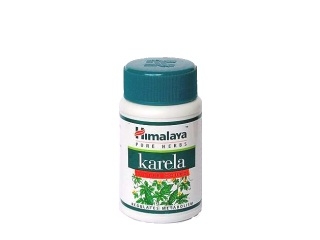
Karela (Bitter Melon) — Patient-Friendly Product Information (Australia)
Karela is a traditional herbal product made from bitter melon (also known as Momordica charantia). People commonly use Karela to support healthy blood glucose levels and overall metabolic wellbeing. This page provides practical, general information about how Karela works, how it is typically used, and important safety considerations.
Note: Herbal products can vary between brands and batches. Always read your product label and follow the directions provided by the manufacturer.
Basic product information
| Category | Details |
|---|---|
| Common name | Karela (Bitter Melon) |
| Active plant source | Momordica charantia |
| Typical forms | Tablets, capsules, powders, and sometimes extracts |
| Primary traditional use | Supporting healthy blood sugar levels and metabolic health |
| General status in Australia | Often supplied as a complementary medicine or herbal supplement depending on formulation |
What is bitter melon (Karela)?
Bitter melon is a climbing vine plant from the Cucurbitaceae family. Its fruit is known for its bitter taste, which is attributed to natural compounds. These may include charantin, polypeptide-like components, triterpenoids, and other plant-derived phytochemicals.
In many cultures, bitter melon has been used traditionally as part of dietary patterns and remedies. Modern interest focuses on how its constituents may influence blood glucose regulation and related metabolic pathways.
How Karela may work (mechanism of action)
Karela’s exact mechanism can vary by product strength and extract standardisation. However, research and traditional knowledge suggest multiple potential actions:
- Supporting glucose uptake: Some components may help cells take up glucose more effectively.
- Influencing insulin-related pathways: Karela may interact with signalling pathways related to insulin sensitivity.
- Modulating carbohydrate metabolism: It may affect enzymes and processes involved in how the body handles sugars.
- Antioxidant and anti-inflammatory effects: Oxidative stress and inflammation are linked with metabolic health. Plant phytochemicals may contribute to protective effects.
Importantly, Karela is generally used as a support for metabolic health. It may not replace a structured diabetes care plan. If you are managing diabetes or prediabetes, discuss your routine with a health professional—especially before adding herbal products.
Pharmacokinetics (what we know about absorption and processing)
Pharmacokinetics for bitter melon constituents can be complex because products may contain different compounds, in different ratios, and sometimes different extraction methods. In humans, data is more limited than for standard pharmaceuticals.
In general terms, key points include:
- Absorption varies by compound: Some constituents may be absorbed after digestion, while others may act more locally in the gut.
- Metabolism and breakdown occur: Like many plant chemicals, active compounds may be transformed by the liver and gut metabolism.
- Bioavailability may be inconsistent: The same “bitter melon” category can behave differently depending on formulation strength and standardisation.
- Effect timing may differ: Some effects may be more noticeable around meals, while longer-term metabolic support may take weeks.
For best results and safety, follow the dosing guidance on your specific Karela product label.
Typical use and indications (what Karela is commonly used for)
In Australia, Karela is commonly used in complementary health contexts to support:
- Healthy blood glucose levels as part of diet and lifestyle measures
- Metabolic wellbeing (for example, supporting healthy weight-related routines)
- General sugar management as a dietary supplement (where permitted by the product’s regulatory classification)
Depending on the exact product and regulatory category, approved label claims may be limited. Always check your specific product’s label for the authorised indications and directions.
When to take Karela (timing)
The ideal timing can depend on whether your goal is meal-related support or a consistent daily routine. Many people choose one of the following:
- With meals or just before meals: Often chosen if the product is intended to support post-meal glucose handling.
- Once daily or split dosing: Some labels advise once daily, while others recommend dividing doses across the day.
- Consistency: Taking Karela at the same time each day may help you track effects and tolerability.
Practical tip: If you notice reduced appetite or stomach upset, consider taking it with food (unless your label says otherwise) or adjusting to a lower starting dose.
Dosing (typical approach and label-following guidance)
Dosage differs by formulation (powder vs extract), product strength, and whether the product is standardised. Therefore, dosing should follow your product label or the manufacturer’s instructions.
Typical patterns seen across bitter melon supplements include:
- Start low: Many users begin at the lower end of the label dose to assess gut tolerance.
- Adjust gradually: If tolerated, some people move toward the full recommended daily amount.
- Do not exceed the label dose: More is not always better for herbal products.
| Goal | Common timing/dosing pattern (general) | Notes |
|---|---|---|
| General metabolic support | Once daily with a meal | Best for those starting out or with mild symptoms. |
| Meal-related support | Before/with the first meal of the day or split dosing | Only if your label supports this approach. |
| Extra caution required | Lower starting dose, monitor closely | Particularly important if you use glucose-lowering medicines. |
Monitoring: If you are tracking glucose or using devices (e.g., continuous glucose monitoring), be alert to patterns after starting Karela—especially around meals.
Food interactions (what to know)
Because Karela is related to bitter-tasting foods, it may affect digestion and appetite for some people. Food can also change how you tolerate it.
- Taking with food: Often helps reduce nausea, stomach upset, or heartburn.
- High-sugar meals: If your goal is sugar management, consider the timing of your supplement relative to meals. However, continue to prioritise balanced meals and carbohydrate awareness.
- Gut sensitivity: If you have a sensitive stomach, start with the lowest dose and consider spacing it away from very heavy or spicy meals.
Always check the product label for specific guidance. Different forms (extract vs powder) may differ.
Alcohol and medicine interactions
Alcohol
There is no universal alcohol rule for all bitter melon products. However, alcohol may:
- Increase stomach irritation for some people.
- Complicate blood glucose control in people managing prediabetes or diabetes.
- Increase the risk of dehydration or fatigue, which can make side effects harder to notice.
General advice: If you choose to drink alcohol, do so in moderation and monitor how you feel—especially after starting Karela.
Interactions with other medicines
Karela may potentially interact with medications that affect blood glucose, because both may lower blood sugar levels. Herbal products can also affect how the body handles certain compounds, though human interaction studies may be limited.
Extra caution is advised if you use:
- Diabetes medicines (for example, insulin or oral glucose-lowering agents). Your blood glucose could drop too low if combined without monitoring.
- Medicines affecting the liver or with known liver enzyme effects (monitoring may be important).
- Blood pressure medicines (some metabolic supplements may influence cardiovascular parameters indirectly).
- Other supplements that also aim to lower blood sugar, increase insulin sensitivity, or affect digestion.
Safety step: If you take any medicines regularly, it’s wise to review your full list with a healthcare professional or pharmacist before starting Karela—particularly if you have diabetes, take multiple glucose-lowering products, or have experienced low blood sugar before.
Safety profile (side effects, who should be cautious, and warning signs)
Common possible side effects
- Stomach upset: nausea, bloating, cramps, or diarrhoea
- Heartburn or reflux, especially if taken on an empty stomach
- Changes in appetite
- Headache in some users
- Low blood sugar symptoms if taken alongside glucose-lowering medications
Signs of low blood sugar (hypoglycaemia)
If Karela is combined with glucose-lowering medicines, monitor for symptoms such as:
- Shakiness, sweating, dizziness
- Sudden hunger or nausea
- Blurred vision
- Confusion, irritability
- Fast heartbeat
If you suspect hypoglycaemia, treat it according to your healthcare plan and seek medical advice promptly.
Who should avoid or seek advice first
Speak with a pharmacist or healthcare professional before using Karela if you:
- Are pregnant or trying to conceive
- Are breastfeeding
- Have diabetes or prediabetes and use glucose-lowering medicines
- Have liver problems or a history of liver enzyme abnormalities
- Have gastrointestinal conditions such as gastritis or inflammatory bowel conditions and are prone to flare-ups
- Are scheduled for surgery or have a planned procedure (bring your supplement list to pre-assessment)
Allergy considerations
Rarely, herbal supplements can cause allergic reactions. Stop use and seek advice if you develop rash, swelling, or breathing difficulties.
Practical use tips (to get the most benefit and reduce discomfort)
- Start gently: Begin with the lowest dose on the label to assess your tolerance.
- Take with food if needed: If you feel nausea or reflux, try taking it during or after meals.
- Give it time: Metabolic support is often gradual. Consider a consistent routine for several weeks before judging overall effects.
- Track your routine: If you’re monitoring glucose, record timing (meal and supplement) so you can spot patterns.
- Hydrate: If you experience softer stools, increase fluid intake.
- Don’t combine blindly: Avoid stacking multiple blood-sugar-targeting supplements unless a clinician advises it.
- Choose a reputable brand: Look for clear labelling, ingredient disclosure, and quality assurance.
Alternative options (other ways to support healthy blood glucose)
If you’re considering Karela, it can be helpful to compare other evidence-informed options for metabolic health. Alternatives may include:
- Dietary strategies: reducing refined carbohydrates, increasing fibre, and choosing low–glycaemic index foods.
- Physical activity: regular aerobic exercise and resistance training can improve insulin sensitivity.
- Other herbal supplements: Some people explore options such as cinnamon, berberine, or fenugreek—however each has its own safety profile and potential interactions.
- Vitamins and nutrients: If you have a deficiency (e.g., vitamin D), correcting it may support overall health.
- Professional support: A dietitian or clinician can tailor a plan to your goals and medications.
If you are taking glucose-lowering medicines, avoid switching or adding supplements without checking for interaction risks.
Market and legal context for Australia (how Karela products are typically regulated)
In Australia, products like Karela are generally supplied as complementary medicines or supplements depending on formulation and claims. Regulation and labelling requirements may involve the Australian regulatory framework administered by the Therapeutic Goods Administration (TGA).
Key points for consumers:
- Claims matter: Product labels must follow permitted advertising and therapeutic claims. “Cure” type claims are typically not allowed for low-risk complementary products.
- Ingredient disclosure: Reputable products clearly list ingredients, form, and directions.
- Quality and consistency: Look for standardised extracts or quality markers where available.
- Batch variation: Herbal products can vary slightly; consistent brand selection can help.
Because regulatory requirements evolve, always verify the label and check the latest guidance from Australian health authorities if you have questions.
Recent guidance and practical updates (consumer-focused)
While specific “bitter melon/Karela” updates can vary by product and formulation, consumer guidance trends in Australia commonly emphasise:
- Safety first: Herbal supplements should be treated seriously, especially when combined with prescription or over-the-counter medicines.
- Be cautious with diabetes management: Because supplements may affect blood glucose, close monitoring is advised for users on glucose-lowering treatments.
- Read labels carefully: Directions for dose and timing differ by product type (extract vs powder vs mixed blends).
- Report side effects: If you experience unexpected reactions, stop use and seek medical advice.
If you’d like, you can share your Karela product label (ingredient list and directions), and we can help interpret how to take it safely alongside your current routine.
Delivery and availability in Australia
Karela is commonly available online through Australian health and pharmacy-style retailers in forms such as capsules, tablets, and extracts. Availability may vary by:
- Brand and extract strength
- Stock levels and shipping schedules
- Seasonal import or manufacturing timelines
When ordering, check:
- Estimated delivery times shown at checkout
- Storage instructions (often cool, dry conditions)
- Expiry date and batch details
For product freshness and safety, choose a retailer that provides transparent batch/expiry information where possible.
How long to use Karela (and when to reassess)
Many users begin with a trial period and reassess based on tolerance and goal progress. Consider reviewing your routine if:
- You experience ongoing stomach upset after adjusting the timing or dose.
- Your glucose targets change significantly (particularly if you take medicines).
- You don’t notice any benefit after a reasonable trial period and lifestyle measures are already in place.
If you’re using Karela for metabolic support, it is usually most helpful when combined with consistent diet and physical activity.
FAQ — Frequently asked questions
1) Is Karela suitable for everyone?
Not always. People who are pregnant or breastfeeding, those with liver problems, and those on diabetes medications should use extra caution. If you have a medical condition or take regular medicines, ask a pharmacist or healthcare professional before starting.
2) Will Karela definitely lower my blood sugar?
Evidence suggests Karela may help support healthy blood glucose levels for some people, but results vary. Herbal products may have modest effects, and consistent diet and activity remain fundamental.
3) What is the best time to take Karela?
Many people take Karela with meals. Some choose pre-meal timing for meal-related support. Follow your product label and consider starting with the simplest approach (e.g., once daily with a meal).
4) Can I take Karela on an empty stomach?
Some people tolerate it well, but others experience nausea or reflux. If you have stomach sensitivity, taking it with food is often better. Always follow the label instructions for your specific product.
5) Are there interactions with diabetes medications?
There may be interaction risk because Karela could potentially lower blood glucose. If you take insulin or oral glucose-lowering agents, it’s important to monitor closely and seek advice before using Karela alongside your medication routine.
6) Can I drink alcohol while taking Karela?
Moderate alcohol use may be tolerated by some people, but alcohol can worsen stomach irritation and complicate blood glucose control. It’s safest to limit alcohol and monitor how you feel, especially when you are starting Karela.
7) What side effects should I watch for?
Common issues include stomach upset or diarrhoea. If you notice symptoms of low blood sugar (shaking, sweating, dizziness, confusion), seek advice promptly, particularly if you use glucose-lowering medications.
8) How do I know which Karela product is right for me?
Look for clear labelling: the form of bitter melon, ingredient list, dosage directions, and whether the product is an extract or powder. Choose a reputable brand and consider standardisation where available.
9) Can children take Karela?
This depends on age, formulation, and safety evidence. Many herbal supplements are not recommended for children unless specifically designed for paediatric use. Check the product label and consult a health professional.
10) What are better long-term strategies than supplements?
For metabolic health, long-term outcomes are strongly supported by dietary quality, regular movement, adequate sleep, and managing stress. Supplements like Karela may complement these steps, not replace them.
Storage and handling
Store Karela according to the manufacturer’s instructions (commonly in a cool, dry place away from sunlight). Keep out of reach of children. Check the expiry date before use.
Summary
Karela (bitter melon) is a widely used herbal supplement in Australia that may help support healthy blood glucose levels and metabolic wellbeing. Its effects can vary based on product form, timing, and individual factors. While it may be beneficial for some people, it also has potential side effects—particularly gastrointestinal effects—and may interact with glucose-lowering medicines. For the safest experience, start with the lowest label dose, take it with food if needed, monitor how you feel, and seek advice if you have medical conditions or take regular medicines.