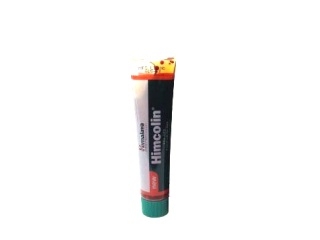
Himcolin (for Australia) – Patient-Friendly Medicine Information
Himcolin is a medicine used to treat specific conditions related to the body’s production and balance of certain natural substances. This guide is designed to help you understand what Himcolin is, how it works, how to use it, and what to watch for. It’s written in clear, patient-friendly language and tailored for online pharmacy shoppers in Australia.
Important: Always follow your healthcare professional’s instructions and the directions on the pack. If you have questions about whether Himcolin is suitable for you, speak with a doctor or pharmacist.
Quick overview
- Medicine name: Himcolin
- Use: For treatment of selected medical conditions (see “Indications” below)
- How it works: Adjusts a biological pathway to reduce symptoms and improve condition control
- Typical form: Tablet/capsule (availability may vary by product presentation)
- Who it’s for: Adults and, in some cases, children—only if advised by a clinician
- Key safety points: Check interactions (especially with other medicines and alcohol), and seek help for severe side effects
Basic product information
Himcolin is supplied as a prescription medicine in many markets. The exact strength (e.g., mg) and presentation depend on the product listing in Australia. Always confirm the strength shown on your pack.
What’s inside: Himcolin contains an active ingredient (or ingredients) that target a specific biological mechanism. The active ingredient and excipients are listed on the packaging or consumer medicine information (CMI).
Brand vs generic: In Australia, medicines may be available as branded products or as generics containing the same active ingredient. Your pharmacist can help confirm whether a cheaper alternative with the same active ingredient is suitable for you.
How Himcolin works (mechanism of action)
Himcolin works by influencing a pathway in the body that contributes to the condition being treated. In general terms, it may:
- Reduce overactivity in a targeted biological process
- Improve balance of relevant chemical signalling
- Relieve symptoms by helping restore normal function
Why this matters: The exact “why” behind improvement depends on the diagnosis (see “Indications”). Understanding the mechanism can also explain why certain side effects or interactions may occur.
Pharmacokinetics (how the body handles Himcolin)
Pharmacokinetics describes what happens after you take a dose: absorption, distribution, metabolism, and excretion.
- Absorption: Himcolin is absorbed after oral administration. The extent and rate of absorption can vary depending on food and individual factors.
- Onset: Symptom improvement may begin within hours for some conditions, while full benefit can take days or weeks depending on the condition and dose.
- Distribution: The active ingredient distributes through the bloodstream to tissues relevant to its action.
- Metabolism: The active ingredient is metabolised mainly in the liver (exact pathways depend on the specific active ingredient).
- Elimination: Metabolites are eliminated by the kidneys and/or other routes. Dose adjustments may be needed for significant kidney or liver impairment.
Clinical tip: If you have liver disease, kidney impairment, or you’re elderly, your prescriber may monitor you more closely and may adjust dosing.
Typical use and indications
Himcolin is indicated for the treatment of certain conditions where modifying the relevant biological pathway improves outcomes. Indications for the Australian product should be confirmed on the pack and CMI.
Common reasons a clinician may prescribe a medicine like Himcolin include:
- Symptom control for a specific medical condition
- Condition management to reduce flare-ups or progression
- Targeted therapy when other approaches are not suitable or have not worked sufficiently
Not for self-diagnosis: Do not use Himcolin unless it has been prescribed or recommended for your specific diagnosis.
How to take Himcolin: timing and dosing
Dosing depends on the condition being treated, your age, kidney/liver function, and your response to treatment. Use the instructions on your pack or as directed by your healthcare professional.
Typical dosing pattern
In many cases, medicines in this category are taken:
- Once daily or twice daily (depending on the formulation)
- At approximately the same time each day to maintain steady medicine levels
Timing examples
To make timing easier, here are common approaches (confirm your specific directions):
- Morning + evening routine: Take your dose at breakfast and dinner if twice-daily dosing is advised.
- Single daily dose: Take at the time of day you can consistently remember (e.g., with dinner).
- Missed dose: If you miss a dose, take it when you remember unless it is close to the next dose. Do not take a double dose.
Missed dose guidance
If you miss a dose:
- If it’s near the next scheduled dose, skip the missed dose.
- Resume your normal schedule.
- Contact your pharmacist if you’re unsure.
Stopping suddenly: Do not stop Himcolin abruptly unless your prescriber tells you to. Some treatments require gradual adjustment or monitoring.
Dose adjustment and special populations
Your prescriber may adjust Himcolin dosing if you have:
- Liver impairment or abnormal liver function tests
- Kidney impairment
- Older age (risk of side effects may be higher)
- Low body weight or frailty
- Drug interactions that affect how Himcolin is processed
If you fall into any of these groups, talk to your pharmacist about monitoring and the safest dosing schedule.
Food interactions
Food can affect how some medicines are absorbed. For Himcolin, the general guidance is:
- Check the pack instructions for specific directions about taking with or without food.
- If you’re told it can be taken with food, taking it consistently the same way each day can help reduce variability.
Practical example: If your instructions say you may take Himcolin with meals, keep a routine—e.g., always take it with breakfast or with dinner.
Gastric upset: If you experience nausea or stomach discomfort, you may find it easier to take your dose with food (unless contraindicated). Ask your pharmacist first if you’re unsure.
Alcohol and medicine interactions
Alcohol can worsen side effects such as dizziness, drowsiness, stomach irritation, or impaired coordination. While the exact interaction depends on the active ingredient in Himcolin and your overall medication profile, a safe approach is:
- Avoid alcohol or keep intake minimal while starting Himcolin
- Do not drink alcohol to “test” tolerance
- If you have a history of liver disease or heavy alcohol use, discuss with your pharmacist or doctor
Medication interaction checks: Himcolin may interact with other medicines, including:
- Other medicines processed by the liver (which may change blood levels)
- Sedatives or medications that affect the central nervous system
- Antacids or stomach acid modifiers (may affect absorption if timing isn’t correct)
- Heart rhythm medicines or medications that affect electrolytes (depending on your regimen)
Always provide a full list of your medicines and supplements to your pharmacist. This includes over-the-counter products, herbal remedies, vitamins, and “natural” supplements.
Safety profile: side effects and when to seek help
Like all medicines, Himcolin can cause side effects. Many are mild and temporary, but some require urgent medical attention.
Common side effects
Commonly reported effects (exact likelihood varies by individual and dose) may include:
- Nausea or stomach discomfort
- Headache
- Dizziness or tiredness
- Changes in appetite
- Mild sleep disturbances
Less common or important side effects
- Allergic reactions: rash, itching, swelling of face/lips, or breathing difficulty
- Liver-related issues: yellowing of eyes/skin, dark urine, severe fatigue
- Significant changes in mood or behaviour
Seek urgent help if you have
- Difficulty breathing, wheezing, or swelling of the face and throat
- Severe dizziness, fainting, or confusion
- Severe skin rash with blistering or peeling
- Signs of liver problems (yellow skin/eyes, persistent vomiting, severe right upper abdominal pain)
Monitoring: Your prescriber may schedule follow-up checks, especially during the first weeks of treatment or if you have risk factors.
Practical use tips
These tips can improve comfort and help you get the best results from Himcolin.
- Take it consistently: Use an alarm or pill organiser to reduce missed doses.
- Keep to the recommended timing: If your pack suggests taking at a certain time relative to meals, follow that guidance.
- Track side effects: If you experience side effects, note the time of dose and symptoms to discuss with your pharmacist.
- Do not share your medicine: Himcolin is intended for your personal diagnosis and dosing plan.
- Be careful with driving: If you feel dizzy or drowsy, avoid driving or operating machinery until you know how you respond.
Managing nausea or stomach upset (general guidance)
- Take with food if allowed by your product instructions
- Stay hydrated
- Contact your pharmacist if symptoms persist, worsen, or you cannot keep fluids down
Table: summary of key information
| Topic | What to know |
|---|---|
| Purpose | Used for selected medical conditions; confirm your indication on the pack/CMI. |
| How it works | Targets a specific biological pathway to reduce symptoms and support condition control. |
| Dose timing | Typically once or twice daily—take at consistent times; follow pack directions. |
| Food | Food may affect absorption; take consistently with or without food as directed. |
| Alcohol | May worsen side effects; avoid or minimise alcohol, especially when starting. |
| Key interactions | Other liver-processed drugs, sedatives, and stomach acid medicines may interact. |
| Safety | Seek urgent care for allergic reactions or severe symptoms (see side effects section). |
Alternative options
If Himcolin is not suitable due to side effects, interactions, cost, or availability, there may be alternatives. The best option depends on your diagnosis and medical history.
Possible alternatives include:
- Other medicines in the same therapeutic category (same goal, different active ingredient)
- Different medicine classes that target the condition through another pathway
- Non-medicine approaches alongside medication (e.g., lifestyle adjustments, supportive therapy) where appropriate
Discuss with your pharmacist or doctor before switching. Stopping or changing dose without guidance can lead to symptom worsening.
Market and legal context for Australia
In Australia, the availability and sale of medicines is regulated to support safe use. Medicines like Himcolin are typically subject to:
- Medicines scheduling: Medicines are classified by the Australian regulatory system into categories that determine whether they can be purchased without special authority.
- Pharmacy supply rules: Many prescription-only medicines are dispensed through registered pharmacies and require appropriate patient identification and counselling.
- Quality and authenticity: Medicines supplied through legitimate channels are expected to meet Australian quality standards.
Online pharmacy supply: Reputable Australian online pharmacies require compliance with Australian regulations, including identity verification and appropriate documentation where necessary. Always choose a pharmacy that provides clear information about shipping, returns, and medicine sourcing.
Recent guidance and safety updates (staying current)
Medication advice can change as new evidence emerges or as regulators update safety communications. To stay informed:
- Review the consumer medicine information (CMI) supplied with your product.
- Ask your pharmacist if there are any new warnings or interaction updates relevant to your active ingredient.
- Check for updates from Australian medicines regulators (your pharmacist can point you to the best source).
If you’ve used Himcolin before, it’s still important to read the latest information pack—labels and guidance may change.
Delivery and availability in Australia
Availability of Himcolin can vary depending on:
- Strength and pack size
- Local stock levels
- Supply timelines from manufacturers and wholesalers
When ordering online from an Australian pharmacy, typical delivery information includes:
- Estimated dispatch time: often listed at checkout
- Delivery timeframes: vary by state and courier service
- Tracking: many services provide tracking updates
- Cold chain: usually not required unless specified for the product
What to check before ordering:
- Confirm the strength and quantity match your dosing plan
- Check expiry date information if displayed
- Ensure your delivery address details are correct
Interactions: what to tell your pharmacist
To reduce the risk of interactions, provide your pharmacist with a complete list of:
- All medicines you currently take (including “as needed” doses)
- Herbal products and supplements
- Recent medication changes
- Your medical history, especially liver or kidney disease
- Any history of allergies to medicines
Also mention if you:
- Use sedatives, sleeping tablets, or anxiety medicines
- Take antacids or stomach acid reducers
- Have heart rhythm conditions or electrolyte issues
- Have diabetes or require frequent blood sugar testing
FAQ about Himcolin (Australia)
1) What is Himcolin used for?
Himcolin is used for selected medical conditions where modifying a targeted biological pathway improves symptoms or disease control. Your exact indication should be confirmed on your pack or by your clinician.
2) How long does it take for Himcolin to work?
Some people notice improvement within hours to days, while full benefit may take longer (often days to weeks), depending on the condition and dose. If you don’t feel any benefit after an appropriate trial, discuss this with your healthcare professional.
3) Can I take Himcolin with food?
It depends on the product instructions for your specific formulation. Many medicines can be taken with or without food, but some have absorption differences. Follow the directions on the pack and keep a consistent routine.
4) What should I do if I forget a dose?
If you miss a dose, take it when you remember unless it’s close to your next scheduled dose. Do not double up. If you’re unsure, ask your pharmacist.
5) Can I drink alcohol while taking Himcolin?
Alcohol may increase side effects such as dizziness and stomach irritation. It’s safest to avoid alcohol or keep it minimal—especially when starting treatment. If you’re unsure, talk to your pharmacist.
6) What medicines should not be taken with Himcolin?
Himcolin may interact with several medicines, especially those that affect liver metabolism, sedation, or stomach acid. Always provide a full list of your medicines and supplements to your pharmacist.
7) Are there any serious side effects?
Serious side effects are uncommon but can occur. Seek urgent help if you experience signs of an allergic reaction (e.g., swelling of face/lips, trouble breathing), severe rash, or symptoms suggesting liver problems (yellow skin/eyes, dark urine, severe fatigue).
8) Can I drive or operate machinery?
If Himcolin causes dizziness or tiredness for you, avoid driving and machinery until you know how it affects you. Follow your healthcare professional’s advice.
9) What if I have liver or kidney problems?
Your clinician may adjust the dose and monitor you more closely. It’s important to tell your pharmacist about any liver/kidney impairment before starting.
10) Is there an alternative to Himcolin?
There may be alternative medicines with different active ingredients or different therapeutic approaches. Your pharmacist or doctor can advise based on your diagnosis, previous treatments, and your overall health.
Disclaimer
This page is general information about Himcolin for online pharmacy shoppers in Australia. It is not a substitute for individual medical advice. Always read the consumer medicine information (CMI) supplied with your product and follow your healthcare professional’s instructions.