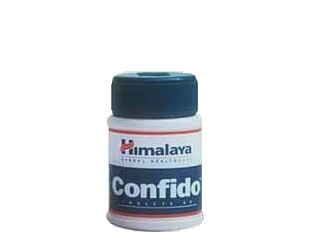

Confido (Confido) – Patient Information (Australia)
Confido is a medicine used to treat specific gastrointestinal conditions. This page explains how it works, how it is typically used, what to watch for, and practical tips to help you get the most from your treatment.
Important: Always follow the advice of your doctor or pharmacist. Product details can vary by strength and formulation. If you are unsure whether Confido is right for you, ask a healthcare professional.
Quick overview
- Medicine name: Confido
- Use: Treatment of certain gastric (stomach) and related conditions
- How it works: Reduces acid production in the stomach (a proton pump inhibitor)
- Where to find it: Available through pharmacy supply channels in Australia
- Common considerations: Timing around meals, interactions with other medicines, and monitoring for side effects
Basic product information
Confido is a proton pump inhibitor (PPI). PPIs reduce the amount of acid produced by your stomach, helping to relieve symptoms and support healing of inflamed or irritated tissue in the upper gastrointestinal tract.
Strength and form: Confido may be supplied in different strengths depending on the product listing from the supplier. Always check the exact label or carton for the strength (e.g., mg per tablet/capsule) and instructions specific to your pack.
Who supplies it in Australia? Confido is supplied through pharmacy channels and may be dispensed by pharmacists in line with Australian healthcare and medicines regulations.
Mechanism of action (how Confido works)
Confido works by blocking the proton pumps in the stomach lining. These pumps are responsible for producing gastric acid. By inhibiting them, Confido:
- Reduces stomach acid
- Allows healing of irritated or ulcerated areas
- Helps relieve symptoms such as heartburn and acid reflux
Why timing matters: PPIs work best when taken before the stomach begins active acid production—typically before meals.
Pharmacokinetics (what the body does to the medicine)
While individual responses vary, PPIs like Confido generally follow these principles:
- Absorption: Absorbed from the gastrointestinal tract after an oral dose.
- Activation: PPIs are activated in the acidic environment of the stomach.
- Onset: Symptom relief may begin within the first day, but full effect for healing can take longer.
- Duration: The acid-suppressing effect lasts beyond the time the dose is in your bloodstream because of prolonged inhibition of the proton pump.
- Metabolism: Processed by the liver into metabolites before being eliminated.
- Excretion: Metabolites are cleared primarily via renal (kidney) and faecal routes depending on the specific PPI and patient factors.
Note: If you have liver or kidney impairment, your healthcare professional may adjust your treatment plan.
Typical use and common indications
Confido is commonly used for conditions where reducing stomach acid helps relieve symptoms and promotes healing. Typical indications may include:
- Gastro-oesophageal reflux disease (GORD/GERD) and acid reflux symptoms
- Erosive oesophagitis (inflammation of the oesophagus due to acid)
- Gastric or duodenal ulcer management, sometimes as part of combination therapy depending on the cause
- Prevention or treatment of acid-related injury in certain people at higher risk (as determined by a clinician)
How it fits into treatment plans: Confido may be used alone for acid-related symptoms or alongside other therapies (for example, treatments targeting the underlying cause of ulcers) based on your diagnosis.
Timing: when to take Confido
General timing guidance (common for PPIs):
- Take Confido before food—often 30–60 minutes before breakfast.
- If your doctor/pharmacist advises twice daily dosing, the second dose is usually before dinner.
Why morning dosing is common: Stomach acid production is typically highest in the morning, and taking Confido beforehand helps ensure the medicine is available to block the proton pumps effectively.
If you forget a dose:
- Take it when you remember if it’s not close to the next dose.
- If it is close to the next scheduled dose, skip the missed dose.
- Do not take a double dose to make up for the missed one.
If you experience frequent missed doses, talk to your pharmacist about setting reminders or adjusting your routine.
Dosing: how much to take
Dose depends on the condition being treated, your symptoms, and your medical history. Always follow your pack instructions or clinician advice for the exact dose.
In many cases, PPI dosing for reflux or ulcer-related conditions starts with a once-daily dose. Some conditions may require twice-daily dosing for a limited period.
- Typical starting patterns: Often once daily for reflux or inflammation; sometimes higher-intensity regimens for ulcers or more severe disease as directed.
- Duration: Treatment length varies (from a short course to ongoing maintenance in certain cases).
- Reassessment: If you need long-term use, your doctor may review regularly to confirm the lowest effective dose.
Do not change your dose without medical guidance, even if symptoms improve quickly.
Food interactions (and practical eating advice)
Confido’s effect can depend on food timing, mainly because it works best before acid production begins.
With food
- Best practice: Take Confido before meals.
- Less ideal: Taking it after a meal may reduce effectiveness because the medicine may not be activated optimally.
What to eat/drink
While Confido can reduce acid, some foods and drinks may still trigger reflux symptoms in sensitive individuals. You may find relief with:
- Smaller meals
- Avoiding late-night eating
- Limiting spicy foods, fatty meals, and acidic foods if they trigger symptoms
Hydration: Drink water normally. If you have swallowing difficulties or concerns about tablets/capsules, ask a pharmacist for advice on administration.
Alcohol and medicine interactions
Alcohol may worsen heartburn and reflux symptoms by relaxing the lower oesophageal sphincter and irritating the stomach lining in some people. Even if Confido reduces acid, alcohol can still make symptoms return.
Alcohol safety: If you notice that alcohol triggers symptoms, consider reducing or avoiding it while you’re being treated. If you have a history of liver disease, ask a pharmacist or doctor about safe alcohol limits.
Drug interactions (medicine-to-medicine)
PPIs can interact with some medicines by changing stomach acidity or affecting absorption and metabolism. Examples of medicine groups that may require attention include:
- Medicines requiring acid for absorption (some antifungals and certain therapies)
- Some antivirals (HIV medicines) where absorption can be affected by acid suppression
- Warfarin and other anticoagulants (may require closer monitoring of INR)
- Clopidogrel (an antiplatelet medicine) where some PPIs may influence activation—your prescriber may choose an appropriate option
- Methotrexate (used in some conditions; higher-dose therapy may be affected)
- Iron supplements (long-term acid suppression can reduce absorption in some cases)
- Vitamin B12 (long-term PPI use may contribute to lower B12 levels in some people)
This is not a complete list. Tell your pharmacist about all medicines you take, including:
- Over-the-counter products (including antacids and pain medicines)
- Herbal supplements
- Vitamins and minerals
Pain relief caution: Non-steroidal anti-inflammatory drugs (NSAIDs) such as ibuprofen or naproxen can sometimes irritate the stomach. If you regularly use NSAIDs, ask whether Confido is appropriate and if any additional protection is needed.
How Confido is typically used (step-by-step)
For many patients, the routine looks like this:
- Choose a consistent time each day (often before breakfast).
- Take Confido on an empty stomach or before food as directed.
- Swallow with water. Do not crush or open unless your specific product instructions permit it.
- Continue for the recommended duration, even if symptoms improve early.
- Track symptom response. If there is no improvement, or symptoms worsen, contact your healthcare professional.
Practical tips: If you often forget morning doses, try linking it to a fixed routine (e.g., after you brush your teeth but before breakfast). Setting a phone reminder can also help.
Safety profile: side effects and what to do
Confido is generally well tolerated. As with all medicines, side effects can occur.
Common or mild side effects
- Headache
- Nausea
- Stomach discomfort or bloating
- Diarrhoea or constipation (varies between individuals)
Less common but important risks
With PPI use, long-term or higher-dose treatment may be associated with additional considerations. Your clinician may monitor or recommend lifestyle and diet strategies to reduce risk.
- Infections: Acid suppression can increase susceptibility to certain gastrointestinal infections in some people.
- Mineral vitamin issues: Long-term use may be linked to lower magnesium or vitamin B12 levels in susceptible individuals.
- Kidney concerns: Rare kidney inflammation has been reported with some PPIs.
- Fracture risk: Long-term use has been associated with increased fracture risk in some populations, particularly if other risk factors exist.
Seek urgent medical advice if you experience
- Severe or persistent diarrhoea, especially with fever or blood
- Signs of allergic reaction such as swelling of the face/lips, hives, or difficulty breathing
- Unexplained weight loss, vomiting blood, black/tarry stools, or persistent difficulty swallowing
- Chest pain or symptoms that could indicate something other than reflux
If you have any concerns about side effects, speak to your pharmacist. They can help assess whether symptoms may be related to Confido or to something else.
Practical use tips to improve effectiveness
- Consistency is key: Take Confido at the same time each day.
- Before breakfast: Most people benefit from taking it 30–60 minutes before eating.
- Avoid switching randomly: If you need a different strength, check with your pharmacist to ensure you’re using the correct dosing.
- Manage reflux triggers: Smaller meals, avoid lying down after eating, and consider reducing trigger foods.
- Review long-term use: If you have been on a PPI for months or years, ask your doctor whether reassessment or step-down is appropriate.
Alternative options
If Confido isn’t suitable or your symptoms aren’t controlled, your healthcare professional may consider alternatives depending on the cause and severity.
Other medicine options
- H2-receptor antagonists (e.g., famotidine): may be used for milder or intermittent symptoms
- Antacids: provide quicker, short-term relief for breakthrough symptoms
- Different PPIs: sometimes switching to another PPI improves response or tolerability
- Prokinetic or symptom-targeted options: in selected cases where motility issues contribute to symptoms
Lifestyle measures that can complement medicine
- Maintain a healthy weight if needed
- Elevate the head of the bed if night symptoms occur
- Avoid meals close to bedtime
- Stop smoking if you smoke
- Review alcohol intake and identify triggers
Market and legal context for Australia
In Australia, medicines are regulated to protect public health. Depending on its formulation and strength, Confido may be supplied as permitted under relevant scheduling requirements and pharmacy supply rules.
Pharmacist involvement: In practice, Australian pharmacy dispensing may involve pharmacist assessment to ensure the medicine is appropriate for the patient’s symptoms and current medicine use.
Ongoing review: Medicines information is kept up to date through Australian regulatory processes and guideline updates, including safety communications and evidence reviews.
Recent guidance and clinical considerations
Australian clinical practice generally supports these principles for PPIs:
- Use the lowest effective dose for the shortest appropriate duration.
- Review need for ongoing therapy in long-term users.
- Investigate red flags (for example, unexplained weight loss, bleeding, or persistent swallowing problems) rather than relying on symptom suppression alone.
- Check for interactions when starting or stopping other medicines.
If you’ve been using Confido for a long period, consider discussing whether your treatment plan should be reassessed, including whether step-down therapy or alternative strategies are appropriate.
Delivery and availability (online pharmacy in Australia)
Confido may be available from online pharmacy partners operating in Australia. Availability can vary by:
- Stock levels and delivery timeframes
- Required strength and pack size
- Formulation (e.g., different tablet/capsule types)
Delivery: Most online pharmacies provide options for standard or express delivery within Australia. Delivery time depends on your location (metro vs regional) and whether the item is currently in stock.
How to prepare for ordering:
- Check the product strength and quantity on the listing.
- Confirm your preferred delivery address and contact details.
- Allow time for delivery if you’re planning around upcoming appointments.
Storage: Store at room temperature away from moisture and heat, and keep out of reach of children. Follow the instructions on the pack.
FAQ
1) What is Confido used for?
Confido is used to reduce stomach acid. It is commonly prescribed for conditions such as reflux (GORD/GERD), erosive oesophagitis, and ulcer-related problems where acid reduction helps symptoms and healing.
2) When should I take Confido?
For many patients, Confido works best when taken 30–60 minutes before breakfast. If your dosing schedule is twice daily, the second dose is usually taken before dinner.
3) How long does it take to work?
Some symptom relief may occur within the first day. However, healing of the oesophagus or ulcer areas can take longer—often several days to weeks depending on the condition and severity.
4) Can I take Confido with food?
It’s generally recommended to take Confido before meals. Taking it after food may reduce effectiveness because of how PPIs are activated in the stomach.
5) Can I drink alcohol while taking Confido?
Alcohol may worsen reflux symptoms in some people. If you notice symptoms flare after alcohol, consider reducing or avoiding it while on treatment.
6) Are there interactions with other medicines?
Yes. PPIs can interact with certain medicines by affecting absorption or metabolism. Examples include anticoagulants (e.g., warfarin), antiplatelets (e.g., clopidogrel), certain antivirals, antifungals, and medicines like methotrexate. Tell your pharmacist about all medicines and supplements you take.
7) What if I miss a dose?
Take it when you remember if it’s not close to the next dose. If it is near the next dose, skip the missed dose. Do not take a double dose.
8) What side effects should I watch for?
Common side effects can include headache, nausea, and changes in bowel habits. Seek urgent medical help if you have signs of allergy (swelling, hives, difficulty breathing) or severe symptoms such as blood in stools or persistent severe diarrhoea.
9) Is Confido safe for long-term use?
Many people can use PPIs safely when appropriately indicated. However, long-term use should be reviewed regularly. Your clinician may aim for the lowest effective dose and check whether ongoing therapy is still needed.
10) What are my options if Confido doesn’t control my symptoms?
If symptoms persist, your pharmacist or doctor may assess adherence and timing, review potential triggers, and consider alternative medicines or additional evaluation—especially if there are red-flag symptoms.
Product information at a glance
| Category | Details |
|---|---|
| Medicine class | Proton pump inhibitor (PPI) |
| Main benefit | Reduces stomach acid to relieve reflux and promote healing |
| Best timing | Before meals (commonly 30–60 minutes before breakfast) |
| Typical use | Acid-related conditions such as GORD/GERD, erosive oesophagitis, ulcers (as directed) |
| Food interactions | Effect is best when taken before eating |
| Alcohol guidance | May worsen reflux symptoms; reduce/avoid if it triggers symptoms |
| Key safety notes | Review side effects; seek help for severe symptoms or allergic reactions |
| Interactions | May interact with several medicine groups—check with a pharmacist |
Need help choosing? If you tell us your symptoms and current medicines, a pharmacist can help check whether Confido is an appropriate option and advise on safe use, timing, and interaction concerns.