Arjuna (Terminalia arjuna) — Patient-Friendly Guide (Australia)
Arjuna is an herbal medicine used in traditional systems for supporting heart and circulatory health. In Australia, Arjuna products are typically supplied as dietary herbal medicines (often tablets/capsules) and are commonly chosen to complement a heart-healthy lifestyle, including regular exercise, healthy eating, and smoking cessation.
This page explains what Arjuna is, how it may work, how the body handles it, typical uses, how to take it, important food and medicine interactions, safety information, and practical tips—so you can use it more confidently.
Basic Product Information
| Category | Details |
|---|---|
| Medicine name | Arjuna (commonly Terminalia arjuna) |
| Active source | Arjuna bark (standardised herbal extracts are commonly used) |
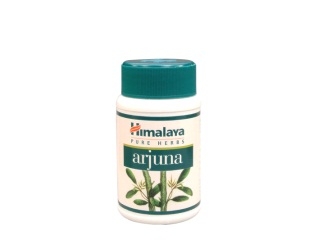
| Common forms | Capsules, tablets, powders, or liquid extracts (varies by brand) |
| Typical strength | Varies by product; always check your label for the exact amount per serving |
| Common goal | Cardiovascular support (traditional use), including healthy blood lipid and circulation parameters |
| Where to use | Australia (availability and listing depend on brand and regulatory status) |
Important: Herbal medicines can differ widely by brand, extract standardisation, and dosing. Always follow the directions on your product label or the specific guidance given by your healthcare professional.
What Is Arjuna?
Arjuna refers to a medicinal plant used in traditional Indian (Ayurvedic) medicine. The bark of Terminalia arjuna has been used for centuries to support the heart and maintain healthy circulation.
Modern Arjuna supplements typically contain standardised extracts designed to deliver consistent amounts of naturally occurring plant compounds. These compounds may include polyphenols and other constituents found in the bark.
How Arjuna May Work (Mechanism of Action)
While herbal products are complex and effects may vary, Arjuna is believed to support cardiovascular function through several mechanisms:
- Antioxidant activity: Plant compounds may help neutralise oxidative stress that can contribute to vascular strain.
- Vascular support: Some evidence suggests Arjuna may support healthy blood vessel function.
- Cardioprotective properties: Traditional and emerging research describe potential protective effects on heart muscle and overall cardiovascular resilience.
- Lipid and metabolic support: Some studies and traditional use associate Arjuna with healthy cholesterol/lipid patterns, though results can differ and depend on the specific product and extract.
Clinical reality: The overall evidence for herbal cardiovascular support is still developing. Arjuna should be viewed as a supplement to a heart-healthy plan rather than a replacement for prescribed therapies.
Pharmacokinetics: What We Know About Absorption and Processing
Pharmacokinetics describes how a substance is absorbed, distributed, metabolised, and excreted. For many herbal ingredients, detailed pharmacokinetic data can be limited.
- Absorption: After oral intake, active plant constituents are absorbed to varying degrees. Standardised extracts may influence absorption compared with raw bark material.
- Distribution: Constituents may distribute through circulation and tissues, including areas related to cardiovascular health.
- Metabolism: Plant compounds are often metabolised in the liver and gut before or after absorption.
- Elimination: Metabolites are removed primarily through the gastrointestinal tract and kidneys, depending on the specific compound profile.
What this means for you: Because absorption and metabolism can vary between individuals and between brands, start at the labelled dose and track how you feel. If you have kidney or liver conditions, seek medical advice before use.
Typical Use and Indications
In traditional practice, Arjuna is commonly used to support:
- Cardiovascular health (general heart and circulation support)
- Healthy blood lipid levels in combination with dietary measures
- Stamina and physical comfort during routine daily activity (varies by individual)
Important: The exact indications and claims allowed for a product depend on regulatory listing and formulation in Australia. Always check the product label and any included consumer information.
When to Take Arjuna (Timing)
Many people take Arjuna on a consistent daily schedule to maintain steadier intake.
- Once daily dosing: Take at the same time each day for routine support.
- Twice daily dosing: Many regimens split doses morning and evening.
- With meals: Often taken with or after food to improve comfort and tolerance, though specific instructions vary by product.
How soon might you notice changes? For general support goals (such as lipid pattern or overall cardiovascular comfort), effects may take several weeks. If you do not feel any benefit after an appropriate trial period, reassess with a healthcare professional.
Food Interactions
Arjuna can be taken with meals in many cases. However, some foods may influence absorption or gastrointestinal comfort.
- General advice: Taking Arjuna with food may reduce the chance of mild stomach upset.
- High-fibre diets and supplements: These can alter gut environment. Usually this is not a major issue, but if you notice reduced tolerance or you’re taking multiple products, spacing may help.
- Grapefruit and strong enzyme-altering foods: While not specific to Arjuna, grapefruit can affect certain drug-metabolising enzymes in some people. If you take prescription medicines, it’s safest to discuss interactions.
Practical tip: If your label doesn’t specify, start with after breakfast or with your evening meal and remain consistent.
Alcohol and Medicine Interactions
Alcohol: Moderate alcohol intake may not directly counteract Arjuna, but alcohol can affect cardiovascular risk factors and liver metabolism in some individuals. To support overall heart health and reduce potential strain on the liver, it’s sensible to limit alcohol—particularly if you have liver disease, are taking multiple medicines, or experience side effects.
Medicine interactions: Herbal extracts may interact with prescription and non-prescription medicines through enzyme and transport effects, changes in blood pressure, or effects on clotting and metabolism (depending on the specific ingredient profile).
Please review the following interaction categories and consider speaking with a clinician or pharmacist, especially if you take long-term medications:
- Blood pressure medicines: If Arjuna affects vascular function, additive effects could theoretically contribute to dizziness or low blood pressure in sensitive individuals.
- Cholesterol-lowering medicines: Combining different approaches may be beneficial, but monitoring is important—especially for muscle pain, weakness, or changes in liver function tests.
- Anticoagulants/antiplatelets: Because cardiovascular products can influence clotting pathways in theory, caution is advised when combining with aspirin, warfarin, clopidogrel, or other blood thinners.
- Diabetes medicines: If you monitor glucose or adjust medication for blood sugar, watch for signs of low or high blood sugar when starting any supplement.
- Other herbal supplements: Many supplements have overlapping effects (e.g., on blood pressure, digestion, or metabolism). If you take multiple herbs, interactions become more complex.
Bottom line: If you take any regular medicines (particularly for heart conditions), ask a pharmacist to check likely interactions with your specific product and dose.
Dosing: How Much to Take
Dose recommendations depend on the brand, extract strength, and standardisation. Always follow your product label.
Common adult dosing patterns (general guidance)
- Typical range: Often taken as a standardised extract in amounts equivalent to once or twice daily dosing.
- Start low: If you’re new to Arjuna, consider starting at the lower end of the labelled direction (if appropriate) to gauge tolerance.
- Do not exceed: Avoid taking more than the label recommends.
Missed dose
- If you forget a dose, take it when you remember unless it’s close to the next dose.
- Do not double up.
Children and pregnancy: Safety for children, pregnancy, or breastfeeding depends on the product and individual circumstances. Seek professional advice before use.
Safety Profile: Side Effects and When to Stop
Arjuna is generally well tolerated by many users when taken at recommended doses. However, herbal products can cause side effects in some people, and quality varies between brands.
Possible side effects
- Stomach discomfort (nausea, mild cramps, indigestion)
- Headache or dizziness (less common)
- Allergic reactions such as rash, itching, or swelling (rare)
- Changes in stool pattern (occasionally)
Stop and seek medical help if
- You develop signs of allergy (swelling of face/lips, trouble breathing, widespread rash).
- You experience persistent dizziness, fainting, or symptoms of very low blood pressure.
- You experience unusual bleeding or bruising (especially if taking blood thinners).
- Any symptoms are severe, rapidly worsening, or you’re concerned.
Special precautions
- Liver or kidney disease: Speak with a healthcare professional before use.
- Scheduled surgery: Discuss supplements with your surgeon or anaesthetist in advance.
- Hormone-sensitive conditions: While not a common concern for Arjuna specifically, any supplement should be reviewed for individual risk factors.
Practical Use Tips
- Choose a reputable product: Look for clear ingredient lists, standardised extract information (where available), and batch quality controls.
- Be consistent: Take it at roughly the same time each day.
- Track outcomes: If your goal is lipid or cardiovascular support, consider using your routine health checks (e.g., cholesterol/lipid profile) as guided by your clinician.
- Maintain lifestyle foundations: Supplements work best when paired with healthy diet, regular physical activity, sleep, stress management, and avoiding tobacco.
- Keep a medication list: When speaking to a pharmacist, bring or note all supplements and medicines you take.
Alternative Options for Cardiovascular Support
Depending on your personal health goals and current medications, you may consider alternative or complementary options. Always choose based on your health needs and discuss with a professional where appropriate.
Possible alternatives (discuss with your pharmacist/doctor)
- Omega-3 fatty acids (for triglyceride support and general cardiovascular health in appropriate users)
- Dietary changes (e.g., Mediterranean-style eating, soluble fibre for lipid support)
- Plant sterols/stanols (may help lower LDL cholesterol when used consistently)
- Coenzyme Q10 (where appropriate) (commonly used for general cellular energy support; evidence varies)
- Magnesium (if you have documented deficiency or dietary gaps)
Medication note: If you’re already on heart-related medications, choose supplements carefully to avoid duplicate or competing effects.
Australia Market & Legal/Regulatory Context
In Australia, herbal medicines are regulated under the Therapeutic Goods Administration (TGA) framework. Depending on the product, Arjuna may be supplied as:
- Listed medicines (assessed against specific criteria for quality and safety, depending on category), or
- Registered medicines (may include more comprehensive evaluation), or
- Dietary supplements / complementary products in some cases where they meet separate regulatory requirements.
Consumer information: Product label claims, directions for use, warnings, and safety advice are controlled by regulatory requirements. Always verify the exact form of Arjuna on the label and review the approved indications (if any).
Recent guidance (general): Australia has ongoing work to improve transparency, quality, and monitoring of complementary medicines. Consumers are encouraged to purchase from reputable suppliers, check TGA listings where applicable, and consult health professionals for interaction advice—especially for heart, blood pressure, diabetes, and anticoagulant medicines.
Delivery and Availability (Australia)
Availability of Arjuna products can vary by brand and regulatory listing. When offered through an online pharmacy service, you may find:
- Home delivery across Australia (subject to product category and shipping rules)
- Clear label information including quantity, directions, and warnings
- Storage guidance (typically cool, dry place; follow label instructions)
Shipping times: Delivery estimates depend on your location and current carrier schedules. After purchase, you should receive tracking or order confirmation as provided by the website.
Stock variation: Herbal products can sometimes be subject to batch changes or temporary stock shortages. Choose brands with consistent supply where possible.
FAQ About Arjuna
1) What exactly is Arjuna made from?
Arjuna products are typically made from Terminalia arjuna bark, often using a standardised extract. The exact composition varies by brand and product type.
2) Is Arjuna only for people with heart conditions?
Arjuna is commonly used for general cardiovascular support, but suitability depends on your health status and medicines. If you have existing heart disease or take heart-related medications, check interactions with a pharmacist or clinician.
3) How long should I take Arjuna to see effects?
For many lifestyle-associated goals, it may take several weeks of consistent use to notice changes. Use the product label directions and reassess if you don’t see expected benefits over a reasonable trial period.
4) Can I take Arjuna with food?
Often yes. Many people take it with meals to improve tolerance. If your label specifies “with meals” or provides specific timing, follow that guidance.
5) Can I drink alcohol while using Arjuna?
Moderation is recommended. Alcohol can affect cardiovascular risk factors and liver metabolism. If you have liver disease, take multiple medicines, or experience side effects, it’s best to limit alcohol and seek advice.
6) Will Arjuna interact with my medications?
Possible interactions depend on the specific product and your current medicines. Extra caution is advised if you take anticoagulants/antiplatelets, blood pressure medicines, diabetes medications, or cholesterol-lowering drugs. Ask a pharmacist to check your situation.
7) Are there any warning signs I should watch for?
Stop use and seek medical attention if you experience allergy symptoms, significant dizziness/fainting, unusual bleeding/bruising, or severe/worsening side effects.
8) Can children, pregnant people, or breastfeeding people take Arjuna?
Safety varies by product and life stage. It’s important to seek professional advice before use in these circumstances.
9) Is Arjuna a replacement for conventional treatment?
Arjuna is intended as supportive care. If you have a medical condition, it should not replace treatments recommended by your healthcare professional.
10) How should I store Arjuna?
Follow the storage instructions on the label (commonly store in a cool, dry place, protect from moisture, and keep out of reach of children).
Summary: Key Points to Remember
- Arjuna is a traditional herbal medicine derived from Terminalia arjuna bark, used for cardiovascular support.
- It may support heart and vascular function through antioxidant and cardioprotective pathways (evidence varies by extract and study quality).
- Take consistently and follow your product label for dosing and timing.
- Food: Often taken with meals for better tolerance.
- Interactions: Use caution with alcohol and review potential interactions with heart/blood pressure, blood-thinning, diabetes, or cholesterol medicines.
- Safety: Most people tolerate it well, but stop if you have serious side effects or signs of allergy.
If you’d like, share the exact Arjuna brand and directions on the label (photo or text), plus the medicines you take, and I can help you interpret the directions and highlight interaction considerations to discuss with a pharmacist.