
Rocaltrol (Calcitriol) – Patient Guide (Australia)
Rocaltrol is a brand of calcitriol, an active form of vitamin D. It helps your body maintain healthy levels of calcium and phosphate, which are important for bones, muscles, nerves, and the normal functioning of many body systems.
This page explains how Rocaltrol works, when and how it’s used, key safety information, and practical tips for everyday use. Always follow the instructions provided by your healthcare professional and read the product packaging carefully.
Basic product information
- Medicine name: Rocaltrol
- Active ingredient: Calcitriol
- What it is: An active vitamin D hormone (not a vitamin “pro-drug”)
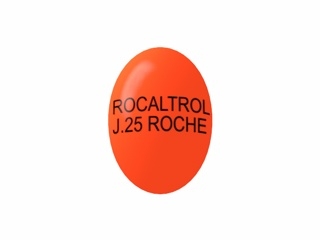
- Typical strengths: Available in tablet form (strengths vary by product presentation)
- How it’s supplied: Sold through pharmacy supply chains in Australia and dispensed via local pharmacy channels
Note: Strengths and pack sizes can vary. Your pharmacist can confirm the exact strength you are purchasing.
How Rocaltrol works (mechanism of action)
Calcitriol is the body’s naturally active vitamin D form. Rocaltrol works by binding to vitamin D receptors in the gut, bones, and kidneys, helping regulate calcium and phosphate levels.
- Increases calcium absorption from the intestines.
- Supports bone mineralisation by ensuring there is enough calcium and phosphate available for bone and teeth.
- Helps regulate phosphate handling in the kidney (phosphate levels may decrease or normalise depending on the cause being treated).
- Influences parathyroid hormone (PTH): In some conditions, active vitamin D helps lower elevated PTH, which can otherwise lead to bone changes.
Because calcitriol is already active, it can work even when the body cannot convert vitamin D into its active form.
Pharmacokinetics (how the body handles calcitriol)
Pharmacokinetics describes how a medicine is absorbed, distributed, metabolised, and eliminated.
- Absorption: Calcitriol is absorbed from the gastrointestinal tract after oral dosing.
- Distribution: It circulates bound to vitamin D binding proteins.
- Metabolism: Calcitriol is metabolised in the liver and other tissues into inactive metabolites.
- Elimination: Metabolites are excreted primarily via bile into the faeces and to a lesser extent through the kidneys.
- Onset: Effects on calcium balance may develop within hours to days, but treatment targets are usually managed over days to weeks with blood tests.
Important: The main “monitoring readout” is usually blood calcium (and sometimes phosphate, PTH, and renal function). Your dose is adjusted based on these results.
Typical use in Australia
Rocaltrol is commonly used to treat conditions where the body needs active vitamin D support. It is often used for:
- Hypocalcaemia (low blood calcium) associated with certain disorders
- Chronic kidney disease (CKD)–related mineral and bone disorder, especially when active vitamin D is needed
- Hypoparathyroidism (low or absent parathyroid hormone activity)
- Vitamin D–dependent rickets/osteomalacia due to impaired vitamin D activation
Your healthcare professional may choose calcitriol when regular vitamin D (such as cholecalciferol) is not sufficient or when kidney function limits conversion to the active form.
Indications (when Rocaltrol may be used)
Depending on diagnosis and individual medical history, Rocaltrol may be prescribed for:
- Hypocalcaemia due to hypoparathyroidism
- Renal osteodystrophy / CKD-related disturbances of calcium and bone metabolism (as determined by clinical assessment)
- Vitamin D–dependent conditions affecting bone mineralisation (rickets/osteomalacia where calcitriol is appropriate)
- Other specialist-directed uses where active vitamin D is required to control calcium/phosphate balance
Always confirm the intended use for your personal condition by checking with your healthcare professional and the medicine label.
Dosing and timing
How dosing works: Rocaltrol dosing is individual. Many patients start with a conservative dose and then have blood tests to guide adjustments. The goal is to keep calcium in the safe target range without causing toxicity.
Typical timing
- Once daily or more frequently depending on the condition and your response.
- Take the dose at a consistent time each day to help keep routine and reduce missed doses.
Missed dose advice
- If you miss a dose, take it when you remember unless it is close to your next dose.
- Do not take a double dose to catch up.
- If you are unsure, ask your pharmacist for advice tailored to your schedule.
Monitoring schedule (common approach)
Many patients have blood tests shortly after starting or changing dose, then periodically once stable. Monitoring may include:
- Serum calcium
- Phosphate
- Renal function (creatinine/eGFR)
- Parathyroid hormone (PTH) where relevant
Why monitoring matters: Calcitril can increase calcium. Too much can lead to high calcium levels (hypercalcaemia), which can be harmful.
Food interactions
Rocaltrol can generally be taken with or without food.
- If taking with food upsets you less or helps you remember, it is often acceptable to take it alongside a meal.
- A consistent approach may help you notice changes in symptoms or side effects.
Dietary considerations: Your clinician may advise moderation of very high calcium intake depending on your blood results. If you use calcium supplements or high-calcium diets, discuss this with your healthcare professional.
Alcohol interactions
Moderate alcohol intake is not usually the primary concern for calcitriol in the way it can be for some other medicines. However, there are still safety points:
- Avoid heavy or binge drinking because it can affect hydration, nutrition, and medication routine.
- Alcohol may worsen dehydration, which can be relevant if you develop symptoms of high calcium (such as thirst or frequent urination).
- If you have underlying liver or kidney issues, alcohol should be discussed with your healthcare professional.
If you’re unsure, ask your pharmacist whether alcohol is appropriate for your specific condition and other medicines.
Medicine interactions (important)
Some medicines can change calcium levels or affect vitamin D metabolism, so it’s important to review your complete medication list (including supplements and herbal products).
Medicines that may increase calcium
- Calcium supplements or large amounts of dietary calcium
- Thiazide diuretics (some can raise calcium levels)
- Other vitamin D preparations (avoid “stacking” active vitamin D unless specifically directed)
- High-dose phosphate binders may interact depending on your regimen
Medicines that may affect vitamin D activity or calcium/phosphate balance
- Sevelamer and other phosphate binders can influence phosphate levels (management is often tailored)
- Magnesium-containing products (e.g., some antacids) may be an issue in kidney impairment
- Corticosteroids can reduce calcium absorption and may counter vitamin D effects
Potentially relevant to check
- Digoxin: High calcium can increase the risk of digoxin-related heart rhythm effects. If you use digoxin, monitoring is particularly important.
- Cholestyramine / some bile acid sequestrants can affect vitamin absorption.
- Enzyme-modifying medicines can change vitamin D metabolism (your pharmacist can identify this by reviewing your medicines).
Practical tip: Keep an updated list of all medicines and supplements (including calcium/vitamin products). Show it to your pharmacist or GP when you start, stop, or change doses.
Safety profile and side effects
Rocaltrol can be very effective, but it also carries a risk of hypercalcaemia (too much calcium in the blood). The risk increases with higher doses, kidney impairment, and combining with calcium supplements or other vitamin D products.
Common or notable side effects
- High calcium symptoms (may include): nausea, constipation, tiredness, increased thirst, increased urination, loss of appetite
- Headache
- Weakness or muscle discomfort
- Changes in lab tests (elevated calcium or altered phosphate levels)
Serious symptoms—seek urgent medical advice
Contact urgent medical services or seek immediate care if you develop signs that may suggest significantly high calcium, such as:
- Severe confusion or marked drowsiness
- Severe dehydration (very dry mouth, inability to keep fluids down)
- Chest pain, palpitations, or fainting
- Severe vomiting or worsening weakness
Risk factors
- Kidney disease (reduced ability to handle calcium)
- High calcium intake or calcium supplementation
- Concomitant active vitamin D or similar therapies
- Dehydration
- Overtreatment or not following monitoring plans
Fertility/pregnancy & breastfeeding: Calcium balance is important during pregnancy. If you are pregnant, trying to conceive, or breastfeeding, discuss treatment plans carefully with your healthcare professional.
Practical use tips
- Take consistently: Use a daily routine (e.g., with breakfast or at bedtime—whichever you can maintain).
- Attend blood tests: Monitoring is a key part of safe treatment.
- Know your calcium symptoms: Early symptoms can appear before lab results become critical.
- Check supplements: Many “wellness” products include vitamin D or calcium. Read labels carefully.
- Stay hydrated: Especially if you’re prone to dehydration or have kidney impairment.
- Report other conditions: Inform your clinician if you develop vomiting, diarrhoea, kidney stones, or new chronic illnesses.
Alternative options (what else may be used)
Depending on the diagnosis, severity, and kidney function, your healthcare professional might consider alternatives. These may include:
- Cholecalciferol (vitamin D3): Often used when conversion to active vitamin D is intact; may be insufficient in certain conditions.
- Ergocalciferol (vitamin D2): Another form of vitamin D, used in some settings.
- Other active vitamin D analogues: Such as alfacalcidol or other calcitriol-like formulations (availability and suitability vary).
- Calcium supplements (depending on the cause of low calcium and current blood results).
- Phosphate management strategies: For specific disorders affecting phosphate balance.
Important: Do not switch between vitamin D products without medical advice. Doses are not directly interchangeable due to different potency and patient response.
Market and legal context for Australia
Medicines in Australia are regulated through the Australian Government framework, including scheduling under the Poison Standard (Standard for the Uniform Scheduling of Medicines and Poisons) and quality and safety requirements managed by the TGA (Therapeutic Goods Administration).
In Australia, Rocaltrol is supplied through the pharmacy system, and availability may depend on current stock levels and dispensing arrangements. For patient safety, healthcare professionals often require blood test results and clinical assessment to ensure correct dosing.
Advice for online pharmacy customers: If a medicine requires ongoing monitoring, your pharmacist may ask about recent blood results or other relevant clinical details to support safe supply and counselling.
Recent guidance and monitoring focus (general themes)
Across many countries, including Australia, clinical guidance for vitamin D therapy increasingly emphasises:
- Individualised dosing rather than one-size-fits-all.
- Regular monitoring of calcium (and often phosphate, PTH, and kidney function) to reduce the risk of hypercalcaemia.
- Careful selection of which vitamin D form to use based on kidney function and the cause of the disorder.
- Patient education about symptoms of high calcium and the importance of avoiding unintended supplement duplication.
Your clinician’s approach may vary depending on local practice, your medical history, and the latest evidence and product information.
Delivery and availability in Australia
Online pharmacies typically deliver to eligible Australian locations using standard courier services. Availability can vary based on:
- Current manufacturer and distributor stock
- Product strength and pack size
- Dispensing schedules and pharmacy orders
Delivery times: These vary by pharmacy, location, and stock status. If the product is temporarily unavailable, the pharmacy may offer an alternative strength/formulation or notify you of expected restock timing.
Storage: Follow the storage instructions on the packaging. In general, keep medicines in a cool, dry place and protect from excess heat.
FAQ
1) What is Rocaltrol used for?
Rocaltrol (calcitriol) is used to help correct or prevent problems with calcium and phosphate balance, commonly in conditions such as hypocalcaemia from hypoparathyroidism and certain bone/mineral disorders associated with kidney disease or vitamin D activation problems.
2) How long does it take to work?
Some effects on calcium balance may begin within days, but safe and effective dosing is usually determined over time with blood tests. Your clinician may adjust the dose after monitoring results.
3) Can I take Rocaltrol with food?
Generally, yes. Many people take it with a meal to help with routine. You should aim for consistent timing and follow your clinician’s instructions.
4) Can I take extra vitamin D or calcium while on Rocaltrol?
Only if your healthcare professional advises it. Combining calcitriol with additional calcium or vitamin D can increase the risk of high calcium levels. Always check labels on supplements and discuss changes with your pharmacist.
5) What are the signs of too much calcium?
Possible symptoms include nausea, constipation, increased thirst, increased urination, tiredness, weakness, and reduced appetite. If you develop severe symptoms or feel very unwell, seek urgent medical advice.
6) Do I need blood tests while taking Rocaltrol?
Often, yes—especially after starting treatment or changing dose. Blood tests help ensure calcium remains within a safe range.
7) Is Rocaltrol safe for people with kidney disease?
It can be used, but kidney impairment increases the importance of monitoring and careful dose selection. Your clinician will tailor therapy to your kidney function and lab results.
8) What should I do if I miss a dose?
Take it when you remember unless it’s close to your next dose. Do not take a double dose. If unsure, contact your pharmacist.
9) Does alcohol affect Rocaltrol?
Moderate alcohol is not usually the main interaction concern, but dehydration and poor medication routine can increase risk if calcium levels become abnormal. If you drink alcohol, keep it moderate and discuss your situation if you have kidney or liver issues.
10) Are there alternatives to Rocaltrol?
Depending on your condition, alternatives may include cholecalciferol (vitamin D3), other vitamin D preparations, or different active vitamin D analogues. Suitability depends on diagnosis and lab results—do not switch without advice.
Summary
Rocaltrol (calcitriol) is an active form of vitamin D used to support healthy calcium and phosphate balance. It works by enhancing intestinal calcium absorption and helping regulate hormones involved in bone and mineral metabolism. Because it can raise blood calcium, safe use relies on correct dosing and regular monitoring. If you have questions about timing, food/supplement use, or interactions with your other medicines, speak with your pharmacist or healthcare professional.
| Topic | What to know |
|---|---|
| Active ingredient | Calcitriol (active vitamin D) |
| Main benefit | Helps control calcium/phosphate balance for bone and muscle/nervous system function |
| Typical timing | Once daily or as directed; consistent daily timing helps |
| Food | Usually can be taken with or without food |
| Monitoring | Blood calcium (and sometimes phosphate/PTH/renal function) commonly required |
| Main risk | Hypercalcaemia (high calcium) if dose is too high or monitoring is missed |
| Interactions | Calcium supplements, thiazide diuretics, other vitamin D products, and some heart medicines (e.g., digoxin) may require extra care |