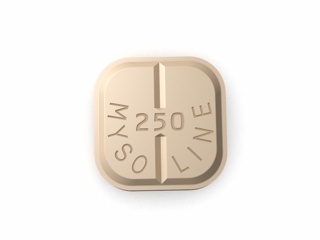


Mysoline (Primidone) – Patient Information (Australia)
Mysoline is a brand of primidone, an antiseizure medicine used to help control certain seizure conditions. This guide is designed to help you understand how Mysoline works, how it is usually taken, and what to consider for safety in everyday life in Australia.
Important: This information is general and may not cover every personal situation. Always follow the directions provided with your medicine and talk to a healthcare professional if you have questions.
Basic product information
| Brand / Medicine | Active ingredient | Medicine type | Common dosage forms (examples) |
|---|---|---|---|
| Mysoline | Primidone | Antiseizure (antiepileptic) medicine | Tablets (strengths vary) |
How it’s used: Primidone is used to reduce seizure frequency and severity in people with appropriate seizure types, including some forms of epilepsy. It may also be used for tremor conditions in certain clinical circumstances.
Who it’s for: Adults and children may be prescribed primidone depending on the seizure/tremor diagnosis, age, and other medical factors.
Mechanism of action (how Mysoline works)
Primidone belongs to the class of antiseizure medicines. It has effects in the brain that help stabilise electrical activity. Its actions include:
- Enhancing inhibitory signalling: Primidone and its active metabolite can increase the effects of inhibitory neurotransmission, which helps reduce abnormal “over-firing” of nerve cells.
- Reducing excitability: It can dampen excessive neuronal activity that contributes to seizures.
- Metabolism to phenobarbital: Primidone is metabolised in the body to phenobarbital, which also contributes to antiseizure effects.
Because primidone works through changes in brain electrical activity, the full benefit may take time—especially during dose changes.
Pharmacokinetics (absorption, distribution, metabolism, elimination)
Understanding how primidone moves through the body can help explain timing and interactions.
- Absorption: Primidone is absorbed after oral administration. Food can influence the rate of absorption, though effects may be modest for many people.
- Distribution: It distributes into body tissues, including the brain.
- Metabolism: Primidone is metabolised in the liver. A key metabolite is phenobarbital, which has its own pharmacological activity.
- Elimination: Primidone and metabolites are eliminated primarily through metabolism and renal excretion.
- Half-life: Primidone has a relatively long duration of action, supporting once or twice daily dosing in many regimens; however, the exact schedule depends on the person and the formulation.
Why this matters: Steady blood levels build over days to weeks, and side effects can appear when doses are increased. This is one reason dose adjustments are typically gradual.
Typical use in practice
Mysoline/primidone is used for conditions where seizures are a risk. In clinical practice, it may be considered for:
- Epilepsy: Particularly certain seizure types (commonly discussed for generalised and focal-related syndromes depending on diagnosis and response).
- Tremor conditions (selected patients): Some clinicians consider primidone for essential tremor when appropriate and when benefits outweigh risks.
Individual planning: The best medicine depends on your seizure type, age, other health conditions (including liver health), and other medicines you take.
Indications (when it may be used)
In Australia, primidone is used under specialist or GP guidance for epilepsy management and may be used for tremor conditions as clinically indicated.
- Seizure disorders: Used as part of a treatment plan for epilepsy, based on diagnosis and clinical response.
- Essential tremor: In some patients, when an appropriate choice based on symptom control and tolerability.
Note: Indications can vary by product listing and clinical judgement. Your prescriber will confirm whether primidone is appropriate for your condition.
How to take Mysoline – timing and dosing approach
Primidone regimens commonly start with a low dose and increase slowly to improve tolerability. The goal is to reach symptom control with manageable side effects.
Typical dosing principles
- Start low, go slow: Many people begin at a small dose, then increase gradually.
- Split dosing: Doses may be taken in divided schedules (often morning/evening) to reduce side effects like drowsiness.
- Consistency: Try to take it at the same times each day.
When to take it
Follow your medicine instructions exactly. As a general approach:
- Take it at the scheduled times on your day-to-day routine.
- If you feel sleepy, discuss adjusting timing with your healthcare professional.
- Do not stop suddenly unless a clinician advises you—sudden stopping can increase seizure risk.
Missed dose
- If you miss a dose, take it when you remember unless it is close to the next dose.
- If it’s near the next dose, skip the missed dose and continue normally.
- Do not take a double dose to make up for a missed one.
If you miss several doses: Contact your healthcare professional for advice, especially if you have seizures.
Food interactions (what to know with meals)
Food may affect how quickly primidone is absorbed. For many people, the difference in effect is not dramatic, but consistency is helpful.
- General tip: Take primidone the same way each day—either with food or on an empty stomach—unless your clinician advises otherwise.
- If you experience nausea or dizziness: taking with food may improve tolerability.
- Swallowing and timing: If you’re on other medicines, keep to spacing instructions provided for specific interactions.
Metabolism considerations: Lifestyle factors that affect liver function (for example heavy alcohol use) can influence how the medicine is processed.
Alcohol interactions and other medicine interactions
Alcohol
Primidone can cause drowsiness, dizziness, and slower reaction time. Alcohol can increase these effects, raising the risk of accidents and falls.
- Avoid or limit alcohol: Many people are advised to avoid alcohol while starting or increasing primidone.
- Be cautious: If alcohol is used, it may intensify sedation even at low amounts.
Other medicines (important interaction categories)
Primidone is metabolised in the liver and can interact with other medicines. Key interaction concerns include:
- Other sedatives or hypnotics: Increased drowsiness and impaired coordination.
- Opioid pain medicines: Greater risk of sedation and breathing problems when combined.
- Some antidepressants and antipsychotics: Possible additive effects on sedation or dizziness.
- Medicines affecting liver enzymes: Certain medicines can alter primidone metabolism, potentially changing its effectiveness or side effects.
- Hormonal contraception (oral contraceptives): Enzyme-inducing antiseizure medicines can reduce contraceptive effectiveness. Discuss reliable contraception options with a healthcare professional.
- Warfarin and anticoagulants: Changes in metabolism may affect bleeding risk and INR control.
Action step: Provide your healthcare professional and pharmacist with a complete list of medicines and supplements, including “natural” and over-the-counter products, to check for interactions.
Safety profile – common, serious and practical risks
Like all medicines, primidone can cause side effects. Many are more likely at the beginning or after dose increases, and may improve as your body adjusts.
Common side effects
- Drowsiness or feeling tired
- Dizziness or unsteadiness
- Nausea or stomach upset
- Headache
- Blurred vision or reduced coordination
- Fatigue or slowed thinking
Less common but important effects
- Blood cell changes: In rare cases, primidone can affect white blood cells or other blood components.
- Liver effects: Rarely, liver function can be affected—this may require monitoring.
- Mood or behaviour changes: Report unusual mood swings, severe irritability, or depression.
Seek urgent medical help if you notice
- Signs of severe allergy: swelling of face/lips, difficulty breathing, widespread rash
- Serious skin reactions: blistering, peeling skin, or sores in mouth
- Unusual bleeding or bruising (possible blood abnormalities)
- Severe drowsiness, confusion, or breathing problems
- Signs of liver trouble: yellowing of eyes/skin, dark urine, severe abdominal pain
Driving and operating machinery
Because primidone can affect alertness, avoid driving and hazardous activities until you know how it affects you.
Practical use tips (getting the best results safely)
- Keep a routine: Use a daily reminder to help avoid missed doses.
- Move carefully: Dizziness is common early on—rise slowly from sitting or lying positions.
- Track symptoms: Note seizure frequency, tremor severity, and side effects to share with your clinician.
- Do not stop suddenly: Abrupt cessation can increase seizure risk. If stopping is required, it should be done gradually under medical guidance.
- Health checks: Your clinician may recommend blood tests and monitoring, especially early in treatment or after dose changes.
- Hydration and nutrition: If nausea occurs, smaller meals can help.
- Be consistent with timing/food: Consistency can reduce day-to-day variability.
Dosing details – what to expect
Exact dosing varies widely by person and condition. Primidone is often started at a low dose and increased slowly.
How dose adjustments are typically done
- Initial period: The first weeks focus on tolerability. Side effects like dizziness or sleepiness may be more noticeable.
- Titration: Dose increases are usually gradual.
- Maintenance: Once stable, many people continue a consistent daily dose schedule.
- Special populations: Children, older adults, and people with liver impairment may require special caution and slower adjustments.
Important: Your clinician will determine the dose based on your condition, response, age, and other medicines.
Alternative options (other medicines and strategies)
If Mysoline/primidone isn’t suitable, alternatives may be considered depending on your diagnosis.
For seizures
- Other antiseizure medicines (selection depends on seizure type and individual factors).
- Combination therapy in some cases.
- Non-medicine options (e.g., specialist evaluation for specific epilepsy types) when appropriate.
For tremor
- Other tremor treatments may include medications such as beta-blockers in certain patients.
- Specialist options may be considered for refractory tremor.
Discuss with a clinician: Switching antiseizure medicines requires careful planning to maintain seizure control and manage interactions.
Market and legal context for Australia (availability and regulations)
In Australia, antiseizure medicines such as primidone are regulated medicines. Availability in Australia typically depends on medicine scheduling, prescriber requirements, and pharmacy supply processes.
- Pharmacy supply: Medicines are generally supplied through licensed pharmacies with appropriate patient information and documentation.
- Safety focus: Pharmacists can provide counselling about safe use, interactions, and monitoring.
- Continuity of supply: Because missing doses can be risky, it’s useful to plan refills ahead of time.
Recent guidance (general): Australian clinical practice continues to emphasise seizure safety, gradual dose adjustments, counselling about drowsiness and interactions, and monitoring when appropriate. If you’re starting primidone or changing dose, more frequent follow-up may be recommended.
Delivery and availability (online pharmacy considerations)
Availability can vary by strength and formulation. When ordering online, ensure:
- Correct product selection: Choose the exact brand/strength you’ve been advised.
- Check pack size: Confirm the number of tablets in the pack.
- Plan for delivery time: Consider delivery transit time so you do not run out.
- Storage: Store tablets as directed on the packaging (typically in a cool, dry place away from moisture).
Discreet packaging: Many online pharmacies offer discreet packaging. Delivery conditions and policies can vary by provider.
FAQ – Mysoline (Primidone)
1) How long does it take for Mysoline (primidone) to work?
Some people notice changes in symptoms after starting, but full benefit—especially for seizure control—often takes longer. Dose changes may require weeks to assess effect because blood levels build and the body adjusts.
2) Why do doctors start with a low dose?
Primidone can cause drowsiness, dizziness, and unsteadiness, particularly when treatment begins or after increasing the dose. Starting low and increasing gradually helps improve tolerability and safety.
3) Can I drink alcohol while taking primidone?
Alcohol may increase sedation, dizziness, and impaired coordination. Many people are advised to avoid alcohol, especially when starting or when adjusting dose. Discuss your situation with a healthcare professional.
4) What if I feel very sleepy or dizzy?
Do not drive or operate machinery. Contact your pharmacist or healthcare professional promptly—your dose/timing may need adjusting. Do not stop suddenly on your own.
5) Can primidone affect contraception?
Some antiseizure medicines can reduce the effectiveness of hormonal contraception. If you rely on oral contraceptives or similar methods, speak to a healthcare professional to discuss reliable options.
6) Are there food restrictions?
There are no universal “must avoid” foods, but food can influence absorption rate. A practical approach is to take primidone consistently with or without food as advised. If nausea occurs, taking with food may help.
7) What should I do if I miss a dose?
Take it when you remember unless it’s close to the next dose. If close, skip the missed dose and continue your normal schedule. Avoid doubling up. If you miss multiple doses, contact your healthcare professional.
8) Is it safe to stop Mysoline suddenly?
No. Stopping abruptly can increase seizure risk. If discontinuation is needed, it should be done gradually under medical guidance.
9) What monitoring might be needed?
Your clinician may recommend periodic review and possibly blood tests to check safety (for example, liver function or blood counts), particularly early in treatment or with dose changes.
10) Are there alternatives if I can’t tolerate it?
Yes. Depending on your diagnosis, other antiseizure or tremor treatments may be considered. Switching must be planned to maintain symptom control and reduce interaction risks.
Summary
Mysoline (primidone) is an antiseizure medicine used to help control certain seizure conditions and, in some cases, tremor. It works by affecting inhibitory signalling and reducing brain excitability, including through metabolism to phenobarbital. Because it can cause drowsiness and dizziness—especially at the start—dose escalation is typically gradual. Avoid alcohol or use it cautiously, be mindful of interactions with other medicines, and take your tablets consistently at the prescribed times.
If you’re unsure whether Mysoline is suitable for you, or you have questions about side effects, interactions, or dosing timing, speak with your pharmacist or healthcare professional.