

Levothroid (Levothyroxine) — Patient Information (Australia)
Levothroid is a brand of levothyroxine, a medicine used to replace or supplement thyroid hormone in the body. It is commonly prescribed for conditions where the thyroid gland does not make enough hormone, and it is also used to treat certain thyroid-related conditions. This page explains how Levothroid works, how to take it, key interactions, safety considerations, and practical tips to help you use it effectively.
Key Product Details
- Medicine: Levothroid (levothyroxine)
- Type: Thyroid hormone replacement
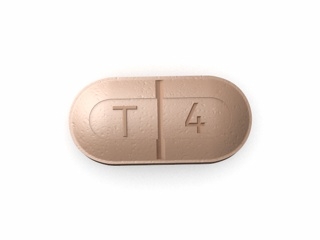
- Available form: Tablet (strengths vary by brand/market; your pharmacist can confirm)
- Common conditions treated: Hypothyroidism and other selected thyroid conditions
- How it works: Restores normal levels of thyroid hormone (T4 → T3) in the body
Note: Always follow the instructions on your medicine label or the advice from your treating clinician. If you have questions about suitability, dosage strength, or timing, speak with your pharmacist.
What Is Levothroid and How Does It Work?
Levothroid contains levothyroxine (T4), a synthetic form of the thyroid hormone thyroxine. In your body, T4 is converted into the active hormone triiodothyronine (T3) in tissues such as the liver and kidneys. T3 then binds to thyroid hormone receptors and helps control the body’s metabolism.
Mechanism of Action (Simple Explanation)
- Replaces deficient thyroid hormone: If your thyroid under-produces hormone, levothyroxine helps restore normal hormone levels.
- Supports normal metabolism: Helps regulate energy use, body temperature, heart rate, and many other processes.
- Affects growth and development: Important for children and adolescents, including brain development.
- Downstream hormone regulation: Helps normalise signals from the pituitary gland (including thyroid-stimulating hormone, TSH).
Pharmacokinetics (How the Body Handles Levothroid)
Understanding pharmacokinetics can help explain why timing and consistency matter.
- Absorption: Levothyroxine is absorbed mainly in the small intestine. Absorption can be reduced by some foods and supplements.
- Conversion: Most of the hormone activity comes after conversion of T4 to T3 in peripheral tissues.
- Onset: Symptoms may improve gradually; blood tests guide dose adjustment.
- Half-life: Levothyroxine has a long duration of action (its biological half-life is typically about a week), which supports once-daily dosing.
- Elimination: Processed by liver metabolism and cleared from the body through normal metabolic pathways.
Typical Uses in Australia
Levothroid is used for thyroid hormone replacement and for certain thyroid-related conditions. Common indications include:
Indications
- Hypothyroidism (primary): When the thyroid does not produce enough hormone.
- Post-thyroidectomy hypothyroidism: After surgical removal of the thyroid.
- Congenital or childhood hypothyroidism: Including early life replacement needs.
- Central (pituitary/hypothalamic) hypothyroidism: Where TSH may be low/normal; dosing is guided by hormone levels.
- Thyroid cancer suppression therapy: In some patients, levothyroxine is used to reduce TSH stimulation. The exact goal depends on the condition and clinical plan.
Important: The appropriate use depends on your diagnosis, thyroid function tests, age, and overall health. Do not start or stop Levothroid without clinician guidance.
How to Take Levothroid — Timing and Consistency
Levothyroxine absorption is sensitive to food and certain medicines. For best results, aim for consistent daily timing.
Typical Timing Instructions
- Often taken on an empty stomach: Many patients take it in the morning.
- With water: Swallow tablet(s with water.
- Wait before eating: Ideally wait 30 to 60 minutes before breakfast (follow your label/pharmacist guidance).
- Alternative approach: Some people take levothyroxine at night, separated from food. If switching timing, discuss with your pharmacist/clinician and keep a consistent schedule.
When to Take It (Practical Example)
Morning routine: Take Levothroid when you wake up, then have breakfast at the recommended time after the dose. This helps reduce day-to-day variation in absorption.
Missed Dose
- If you miss a dose, take it when you remember unless it is close to the next dose.
- Do not take two doses at once unless advised.
- Ask your pharmacist for advice if you frequently miss doses or if you are switching schedules.
Food Interactions (What to Avoid Around Dosing)
Food can reduce absorption and affect blood test results. In particular, products high in fibre or certain minerals may interfere.
Foods and Beverages That May Affect Absorption
- Coffee: Some studies suggest coffee may reduce absorption if taken too soon after levothyroxine.
- High-fibre meals: Can reduce absorption in some people.
- Soy-based products: May interfere with levothyroxine absorption in some cases.
- Grapefruit juice and some drinks: Evidence is mixed; if you notice changes in test results after consistent changes in diet, discuss with your pharmacist.
Spacing Tips
- Keep a consistent gap between your dose and your first meal.
- Be especially careful if you change breakfast time, dietary fibre, or start supplements.
Alcohol Interactions and Considerations
Moderate alcohol intake is not usually listed as a direct contraindication with levothyroxine. However, alcohol can indirectly affect thyroid health and overall wellbeing.
- Consistency matters: Avoid sudden changes in alcohol consumption while your dose is being adjusted.
- Liver health: People with liver disease should be cautious and seek advice, as thyroid hormone metabolism can be affected.
- Medication routines: If alcohol use changes your routine or meal timing (e.g., late meals), this may alter absorption.
Best practice: If you drink alcohol, keep timing and diet as consistent as possible, and report significant changes to your clinician.
Medicine Interactions (Common Medicines and Supplements)
Several medicines and supplements can interfere with levothyroxine absorption or increase/alter its effects. The most important strategy is separation in time.
Medicines and Supplements That May Reduce Absorption
These are commonly recommended to be spaced away from levothyroxine (exact timing depends on the product). Speak with your pharmacist for the best schedule:
- Iron supplements (including ferrous salts)
- Calcium supplements and antacids containing calcium
- Magnesium-containing products
- Bile acid sequestrants (e.g., cholestyramine/colesevelam—examples)
- Some phosphate binders (in kidney disease)
- Sucralfate (may interfere with absorption)
Medicines That May Affect Thyroid Levels or Dose Requirements
- Amiodarone (can influence thyroid hormone levels)
- Lithium (may affect thyroid function)
- Glucocorticoids and some other treatments that can influence thyroid hormone metabolism
- Some diabetes medicines may affect blood sugar control; this doesn’t usually directly negate levothyroxine but may change overall management
- Estrogen therapy (including some hormone treatments) can increase thyroid-binding proteins, sometimes requiring dose adjustments
Medication Changes and Monitoring
- When starting, stopping, or changing dose of interacting medicines, your clinician may recheck TSH and/or free T4.
- Even if the interaction is not obvious, changes in routine can cause blood test variation.
Tip: Keep an updated list of all medicines (including supplements) and show it to your pharmacist.
Dosing — How Is the Right Dose Determined?
Dose is individual. Levothyroxine is usually adjusted based on thyroid function tests and clinical response.
Common Dosing Approach
- Initial dose: Based on your diagnosis, age, body weight, and heart health.
- Adjustment period: Dose changes may be made gradually, often every few weeks, while monitoring blood tests.
- Maintenance dose: Once stable, many people continue their dose long-term with periodic monitoring.
Special Considerations
- Older adults: Often require lower starting doses and slower titration due to higher risk of heart-related side effects.
- Heart disease or rapid heart rate history: Dose increases should be cautious.
- Pregnancy: Thyroid hormone requirements may increase. Dose plans are usually adjusted promptly and carefully with monitoring.
- Children: Dosing is weight-based and closely monitored to support growth and brain development.
Typical Strengths
Levothroid tablets come in multiple strengths. The correct strength depends on your dose plan. If you have recently switched brands or tablet strengths, confirm the number of tablets and the schedule with your pharmacist.
Safety Profile and When to Seek Help
Levothyroxine is widely used and generally safe when taken correctly and dosed appropriately. Safety depends largely on avoiding under-dosing (ongoing hypothyroid symptoms) and over-dosing (symptoms of hyperthyroidism).
Common Side Effects (Often From Dose Being Too High)
If your dose is higher than needed, you may experience:
- Fast heartbeat or palpitations
- Tremor or feeling unusually anxious
- Heat intolerance, sweating
- Unexplained weight loss
- Sleep disturbance
- Increased appetite
Seek Urgent Medical Advice If
- You develop chest pain, severe shortness of breath, fainting, or a very fast/irregular heartbeat.
- Severe symptoms of thyroid hormone excess occur (especially soon after a dose increase).
Signs of Too Little Thyroid Hormone
- Tiredness, lethargy
- Weight gain or difficulty losing weight
- Cold intolerance
- Constipation
- Dry skin, hair thinning
- Depressed mood
Pregnancy and Breastfeeding
Thyroid hormone replacement is important during pregnancy. Do not stop treatment without medical advice. Dose requirements may change in pregnancy, and monitoring is commonly increased to maintain target thyroid levels.
Practical Use Tips for Better Results
- Be consistent: Take it at the same time each day.
- Use the same routine: Keep your breakfast/meal timing and coffee habits stable.
- Separate interacting supplements: Keep iron, calcium, and certain antacids away from your dose.
- Don’t switch brands without advice: Different formulations may lead to small changes; if you are switched, ask about monitoring.
- Check expiry and storage: Store tablets as directed on the packaging.
- Track symptoms: Note any changes after dose adjustments and report them.
- Follow up with blood tests: Levothyroxine dosing is guided by thyroid function tests, commonly TSH and free T4.
Alternative Options (Other Thyroid Hormone Preparations)
If levothyroxine is not suitable due to intolerance, availability, or specific clinical needs, alternatives may include:
- Other brands of levothyroxine (often interchangeable under clinical guidance)
- Liothyronine (T3) or combination therapy in selected cases (not suitable for everyone; specialist guidance required)
- Desiccated thyroid extracts (availability and suitability vary; generally not preferred for routine replacement in many settings due to variable potency)
If you are considering an alternative, discuss with your pharmacist or clinician before changing therapy, particularly during pregnancy or when managing complex thyroid disease.
Australia: Market, Legal, and Clinical Guidance Context
In Australia, thyroid replacement therapy is commonly managed using standard clinical pathways with monitoring of thyroid function tests. Levothyroxine is a well-established treatment used across primary care and specialist settings.
What to Expect in Clinical Practice
- Monitoring: Regular blood tests are used to confirm adequate replacement.
- Dose individualisation: Starting and adjusting dose is tailored to age, comorbidities, and diagnosis.
- Brand/formulation awareness: Clinicians often recommend consistency with the same formulation/brand when possible.
Recent Guidance (General Points)
Recent clinical and guideline-focused communications continue to emphasise:
- Maintaining stable levothyroxine dosing and absorption routines
- Using thyroid function tests to guide adjustments
- Rechecking tests after significant changes (e.g., switching products, starting interacting supplements/medicines, pregnancy)
- Recognising that absorption issues are common contributors to “not feeling right” despite taking medication
Disclaimer: Guidance can change with new research and health authority updates. Your pharmacist and treating clinician can confirm the latest recommendations relevant to your situation.
Delivery and Availability in Australia
Availability can depend on tablet strengths and local supply arrangements. If your pharmacy offers online ordering, delivery options may include standard and express shipping across Australia (availability varies by provider and postcode).
What You Can Do
- Check the product page for strength and quantity options.
- Confirm estimated delivery time and delivery method at checkout.
- If you are running low, place orders early—especially for less common strengths.
Tip: If you require dose adjustments based on blood tests, discuss timing for supply with your pharmacist so you can transition smoothly.
Drug-Food-Drink Interaction Summary
| What can interact | Why it matters | Practical tip |
|---|---|---|
| Food (especially if taken soon after dosing) | May reduce absorption | Take on an empty stomach and wait before eating |
| Coffee | May reduce absorption if too close to dose | Keep a consistent gap from your tablet |
| Iron supplements | Can bind levothyroxine and lower absorption | Separate doses; ask your pharmacist for timing |
| Calcium or antacids with calcium | Can reduce absorption | Separate in time from levothyroxine |
| High-fibre diets / soy products (in some people) | May affect absorption | Keep diet consistent; recheck thyroid tests if changes occur |
| Some medicines (e.g., amiodarone, lithium) | May affect thyroid hormone levels | Inform your clinician; monitoring may be needed |
FAQ — Levothroid (Levothyroxine)
1. What is Levothroid used for?
Levothroid is used to replace thyroid hormone in hypothyroidism and for other selected thyroid conditions, including situations where thyroid function needs to be managed using thyroid hormone levels guided by blood tests.
2. How quickly will I feel better?
Some people notice symptom improvement within days to weeks, but full benefits may take longer. Dose adequacy is typically confirmed by blood tests (such as TSH and free T4) rather than symptoms alone.
3. Should I take Levothroid in the morning or at night?
Many people take it in the morning on an empty stomach. Some take it at night if they can keep food separated from the tablet. The most important factor is consistency. If you want to switch times, discuss with your pharmacist to minimise absorption changes.
4. Can I take Levothroid with coffee?
Ideally avoid taking coffee immediately with your tablet. Keep a consistent routine and allow adequate time before coffee, breakfast, and other foods.
5. What supplements should I avoid close to my dose?
Iron and calcium supplements may interfere with absorption. Separate them in time and ask your pharmacist for the best spacing based on your schedule and the specific product.
6. Is it safe to drink alcohol?
Moderate alcohol is not typically a direct contraindication. However, alcohol can affect routines and overall health, and sudden changes in consumption may indirectly affect thyroid management. Keep timing consistent and seek medical advice if you have liver disease or other concerns.
7. What happens if I miss a dose?
Take it when you remember if it is not close to the next dose. Do not double up. If you miss multiple doses or you’re unsure, ask your pharmacist for advice.
8. Can I switch between Levothroid and other levothyroxine brands?
Switching may be possible, but it can sometimes affect thyroid levels. It’s best to keep consistency and have thyroid function tests monitored when a switch occurs or when symptoms change. Your pharmacist can advise based on the product and your history.
9. What if my thyroid blood results don’t improve?
Common reasons include absorption issues (timing with food/coffee, changes in fibre/soy), non-adherence, or drug interactions (iron/calcium, antacids). Discuss results with your clinician; your pharmacist can also help review your schedule for potential absorption barriers.
10. When should I seek urgent help?
Seek urgent medical advice if you develop chest pain, severe breathlessness, fainting, or a very fast/irregular heartbeat—especially if these occur after a dose increase or product change.
Final Reminder
Levothroid works best when taken consistently and separated from foods and interacting supplements. If you have any doubts about timing, interactions, or dose changes, your pharmacist is a helpful first point of contact. Regular thyroid blood tests and careful routines support safe, effective treatment.