Strattera (Atomoxetine) — Patient Information (Australia)
Strattera is a prescription medicine containing atomoxetine. It is used to treat attention deficit hyperactivity disorder (ADHD) in children, adolescents and adults. Unlike some other ADHD medicines, Strattera is a non-stimulant option for many people.
This guide is written to be patient-friendly and practical. It explains how Strattera works, how it is taken, what to expect, and important safety considerations—especially interactions with other medicines and alcohol. If you have questions about whether Strattera is suitable for you, speak with your doctor or pharmacist.
Quick Overview
- Active ingredient: Atomoxetine
- Medicine type: Non-stimulant ADHD medicine
- Used for: ADHD symptoms (in children/adolescents and adults)
- Typical dosing: Based on body weight (children/adolescents) or as directed (adults)
- Onset: Improvements may take weeks; some people notice benefits earlier
- How it’s taken: Once or twice daily, depending on your prescribed schedule
Basic Product Information
| Feature | What it means for you |
|---|---|
| Brand / generic | Strattera (atomoxetine) |
| Medicine class | Selective norepinephrine reuptake inhibitor (SNRI-like mechanism, but used specifically for ADHD) |
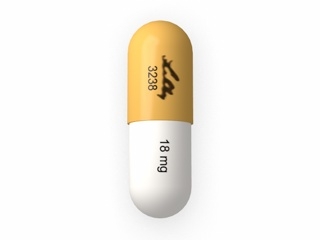
| Form | Capsules are commonly available; strength varies by product |
| Common dosing pattern | Once daily or divided doses depending on age/response/tolerability |
| Monitoring | Weight/height (in children), blood pressure and heart rate; mood/suicidal thoughts; liver symptoms |
How Strattera Works (Mechanism of Action)
Atomoxetine primarily works by increasing activity of a brain chemical called norepinephrine.
- Atomoxetine is a selective norepinephrine reuptake inhibitor.
- It helps prolong the action of norepinephrine in key brain pathways involved in attention, impulse control and activity level.
This mechanism is different from stimulant ADHD medicines (such as methylphenidate or dexamfetamine). Many people choose Strattera when they:
- need a non-stimulant option
- have a history of stimulant side effects
- have concerns about misuse potential
- have coexisting anxiety or other factors where a non-stimulant may be preferable (decision made by the treating clinician)
Pharmacokinetics (How the Body Handles Atomoxetine)
Understanding timing and metabolism can help you manage expectations.
- Absorption: Atomoxetine is absorbed after oral dosing. Absorption is generally adequate whether taken with food or on an empty stomach.
- Time to peak: Levels typically peak within several hours after dosing (often around 1–2 hours, but this can vary).
- Distribution: It distributes into body tissues and crosses into the brain where it affects norepinephrine pathways.
- Metabolism: Atomoxetine is primarily metabolised in the liver, mainly by the enzyme CYP2D6.
- Elimination: Metabolites are removed through the kidneys.
- Half-life (duration in the body): Atomoxetine’s effects can last longer than a single dose; however, individual half-life varies depending on genetic factors affecting CYP2D6.
Genetic variability matters: Some people are “poor metabolisers” for CYP2D6 and may have higher levels of atomoxetine at the same dose. This can increase the risk of side effects, which is one reason clinicians sometimes start at lower doses and monitor closely.
Typical Use and Indications in Australia
Strattera is indicated for the treatment of ADHD.
- Children and adolescents: for ADHD management where appropriate.
- Adults: for ADHD symptoms where appropriate.
It is generally used as part of a broader ADHD management plan, which may include:
- behavioural strategies and education
- psychological support
- school or workplace adjustments
- monitoring of progress over time
When to Expect Benefits (Timing)
Unlike many stimulants, atomoxetine often needs time to build effect.
- Early changes: Some people notice improvement within the first 1–2 weeks.
- Full effect: It may take several weeks (commonly 4–8 weeks) to see the full benefits.
- Ongoing adjustments: Your prescriber may change the dose based on response and tolerability.
Tip: Track symptoms and side effects (e.g., attention, impulsivity, sleep, appetite, mood) to help your clinician fine-tune treatment.
How to Take Strattera (Dosing Guidance)
Dosing should follow the instructions provided by your healthcare professional. The information below is general educational guidance.
General dosing principles
- Children and adolescents: Dose is typically calculated by body weight and increased gradually.
- Adults: Often start at a lower dose and may increase to a target maintenance dose.
- Once vs twice daily: Some people take it once daily; others take a divided dose. Your schedule should be followed exactly.
- Missed dose: If you miss a dose, take it when you remember unless it is close to the next dose. Do not take a double dose.
Table: Typical administration patterns
| Situation | How it is commonly taken | Practical note |
|---|---|---|
| Once daily | Often taken in the morning or as advised | Helps reduce interference with sleep for some people |
| Twice daily | Split into morning and late afternoon/early evening | Avoid dosing too late if it affects sleep |
| Starting treatment | Lower dose then gradual increase | May help reduce early side effects |
| Stopping treatment | Do not stop abruptly without medical advice | Your clinician may advise tapering or monitoring |
Important: If you have liver problems or are taking medicines that affect metabolism, dosing may need adjustment. Always follow your healthcare professional’s plan.
Food Interactions (With Meals)
Strattera can generally be taken with or without food.
- If stomach upset occurs, taking it with food may help.
- Try to keep the daily timing consistent, especially if you take it more than once daily.
Consistency matters: Taking doses at similar times each day helps maintain steadier exposure.
Alcohol and Strattera Interactions
There is no “safe amount” of alcohol that is universally recommended when using atomoxetine. Alcohol can affect attention, mood, coordination and sleep—areas that ADHD treatment may be trying to improve.
- Increased risk of side effects: Alcohol may worsen dizziness, drowsiness or light-headedness.
- Impact on mental health: Both alcohol and ADHD symptoms can affect mood and impulsivity. Monitor how you feel.
- Sleep disruption: Alcohol may worsen sleep quality even if it helps you fall asleep.
If you choose to drink alcohol, do so cautiously and consider avoiding heavy drinking—especially during the first weeks of treatment while you’re learning how Strattera affects you.
Medication Interactions (Important)
Atomoxetine’s metabolism involves CYP2D6. Some medicines can raise or lower atomoxetine levels, changing effectiveness or side effects.
Medicines that may increase atomoxetine levels
- Certain antidepressants and antipsychotics that inhibit CYP2D6 (examples include some SSRIs/SNRIs and others—your pharmacist can confirm your specific products).
- Some medicines used for heart rhythm problems or other conditions that affect drug metabolism.
Medicines that may increase side effect risk
- Blood pressure and heart rate medicines: Atomoxetine can increase heart rate and blood pressure in some people; combining with other agents may require careful monitoring.
- Medicines that affect the nervous system: Combining with other medications that cause drowsiness or affect mood may intensify side effects.
Other considerations
- Stimulants: Some people may be on combination strategies under close supervision, but this must be directed by your clinician.
- Herbal supplements: Certain supplements may interact with liver enzymes. Discuss all supplements with your pharmacist.
Action step: Before starting Strattera, tell your healthcare professional about all medicines and supplements you use, including over-the-counter products. If any new medicine is started after Strattera, check for interaction potential.
Safety Profile and Warnings
Like all medicines, Strattera can cause side effects. Many are mild and improve over time, but some require prompt medical attention.
Common side effects
- Nausea or upset stomach
- Decreased appetite
- Dry mouth
- Sleep disturbances (insomnia or sometimes sleepiness)
- Dizziness
- Headache
- Fatigue
- Increased heart rate
Less common but important risks
- Blood pressure and pulse changes: Monitoring is recommended, especially in people with cardiovascular conditions.
- Psychological effects: Mood changes and, rarely, suicidal thoughts have been reported with ADHD medicines. Any new or worsening mental health symptoms should be assessed promptly.
- Allergic reactions: Seek urgent care for swelling of the face/lips, rash with breathing difficulties, or severe reactions.
- Serious liver injury (rare): Report symptoms such as yellowing of the skin/eyes (jaundice), dark urine, unusual tiredness, itching or upper abdominal pain.
Who needs extra caution?
- People with known liver disease
- People with heart disease, hypertension, or known rhythm problems
- People with a history of mood disorders or suicidal thoughts
- People taking medicines that affect CYP2D6 metabolism
Practical Tips for Using Strattera
- Start low and go slow: If you’re having early side effects, your clinician may adjust the dose more gradually.
- Manage appetite: Consider eating a nutritious breakfast if appetite is reduced later in the day. Monitor weight changes (especially for children and adolescents).
- Support sleep: If insomnia occurs, discuss changing the dosing time with your clinician (e.g., moving earlier in the day).
- Hydration and dry mouth: Sipping water regularly and maintaining oral hygiene can help.
- Keep a symptom diary: Note attention, impulsivity, emotional regulation, sleep, appetite and any side effects.
- Check blood pressure and pulse: Your clinician may arrange periodic checks.
- Be patient with timing: If you don’t feel a change immediately, continue as advised while waiting for full effect.
Alternative Options for ADHD
ADHD treatment plans are individual. Alternatives depend on age, symptom profile, medical history and side-effect tolerance.
Non-medicine approaches
- Behavioural therapy
- Parent/teacher coaching and structured routines
- School accommodations (e.g., seating, additional time, support plans)
- Cognitive and educational strategies
Medication alternatives
- Stimulant medicines (e.g., methylphenidate or dexamfetamine formulations)
- Other non-stimulant options (depending on local availability and clinician preference)
- Adjunct treatments for associated symptoms (e.g., anxiety or sleep problems) may be considered case-by-case
What matters most: the goal is improved functioning and quality of life with tolerable side effects. Your prescriber can discuss which option fits your needs.
Strattera in Australia: Market and Legal Context
In Australia, ADHD medicines are regulated under the Australian Therapeutic Goods Administration (TGA) framework. Many ADHD treatments (including non-stimulants and stimulants) are tightly monitored to ensure safe prescribing and supply.
Key points for patients:
- Medicines such as Strattera are available through appropriate pharmaceutical channels under applicable Australian regulations.
- Supply may require valid Australian prescribing arrangements and follow pharmacy procedures.
- Packaging and labelling include safety information and dose instructions.
Recent guidance and monitoring trends: Australian clinicians generally emphasise careful cardiovascular screening/monitoring when starting ADHD medicines, monitoring of growth for children and attention to mental health symptoms. If you are switching therapies or restarting after a break, additional assessment may be recommended.
Note: Guidance can evolve. Your healthcare professional will use the most current recommendations and safety communications available in Australia.
Availability, Delivery and Ordering (Australia)
Strattera is typically supplied by pharmacies in Australia as part of standard prescription medicine processes. Online pharmacy availability can vary by state and product strength.
What you can expect when ordering:
- Product checks: Medicines should be supplied from regulated suppliers with appropriate stock rotation.
- Delivery timelines: Delivery speed depends on your location and pharmacy dispatch times.
- Packaging: Medicines are usually packed to protect capsules and labels during transit.
- Cold-chain: Atomoxetine is not commonly temperature-sensitive in the way some vaccines/biologics are, but always follow storage directions on the pack.
Storage at home: Keep Strattera in its original container, store at the recommended temperature, and keep out of reach of children.
Frequently Asked Questions (FAQ)
1) Is Strattera the same as stimulant ADHD medicines?
No. Strattera (atomoxetine) is a non-stimulant medicine. It works differently from stimulants and may be chosen for different reasons, including side-effect profiles and individual needs.
2) How long does Strattera take to work?
Some improvement can occur within the first couple of weeks, but full benefit often takes several weeks. Many patients and clinicians assess progress after a period of consistent dosing.
3) What should I do if I miss a dose?
Take the missed dose only if it is not close to the next scheduled dose. Otherwise, skip it and continue your normal schedule. Do not take a double dose.
4) Can I take Strattera with food?
Yes. Strattera can usually be taken with or without food. If nausea occurs, taking it with food may be helpful.
5) Does Strattera cause weight loss?
Decreased appetite can occur, which may lead to weight changes, particularly in children and adolescents. Monitoring weight and growth is recommended.
6) Will Strattera make me feel drowsy?
Some people experience fatigue or sleep changes. Others may experience insomnia. If sleep is affected, discuss timing adjustments with your pharmacist or clinician.
7) Are there any serious side effects I should watch for?
Seek medical advice promptly for symptoms such as mood changes (including worsening depression or suicidal thoughts), signs of allergic reaction, or potential liver injury (e.g., jaundice, dark urine, severe fatigue). Also report persistent palpitations, chest pain, fainting or severe dizziness.
8) Can I drink alcohol while taking Strattera?
It’s best to be cautious. Alcohol can worsen sleep, mood and coordination and may increase certain side effects like dizziness. If you drink, do so sparingly and pay attention to how you feel.
9) What medicines interact with Strattera?
Because atomoxetine is metabolised by CYP2D6, some antidepressants, antipsychotics and other drugs can increase or alter atomoxetine levels. Always tell your pharmacist about all medicines and supplements you take.
10) Can Strattera be stopped suddenly?
Do not stop or change your dose without medical advice. If discontinuation is needed, your clinician will advise the safest plan for your situation.
When to Seek Help Urgently
Get urgent medical help if you have:
- Signs of an allergic reaction (swelling of face/lips, rash with breathing difficulty)
- Chest pain, fainting, severe shortness of breath, or severe palpitations
- Symptoms of serious liver problems (yellow eyes/skin, dark urine, severe upper belly pain, persistent severe nausea)
- New or worsening suicidal thoughts or severe changes in mood or behaviour
Summary
Strattera (atomoxetine) is a non-stimulant ADHD medicine used to improve attention, impulsivity and related symptoms. It works by increasing norepinephrine activity in the brain. Because it often takes time to build effect, patients may need several weeks to see full benefits. Ongoing monitoring—especially of mood, blood pressure/heart rate, growth (in children) and potential rare liver issues—is an important part of safe use.
If you’d like help choosing dosing timing, managing common side effects, or understanding possible interactions, speak with your pharmacist or clinician.