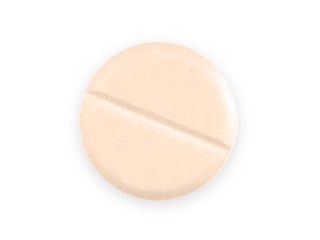


Tofisopam (Tofisopam Tablets) – Patient-Friendly Guide (Australia)
Tofisopam is a medicine used to treat anxiety and related tension symptoms. It belongs to the benzodiazepine-related group of anxiolytic medicines and is valued by many patients for its calming effect without causing the same level of sedation as some other options. This guide explains how Tofisopam works, how it is used, what to expect, and important safety considerations.
This information is designed to help you understand your medicine better. Always follow the directions provided with your product and consult a qualified health professional if you have questions about your specific situation.
Key Product Information
- Medicine name: Tofisopam
- Common form: Tablets (strength varies by brand/manufacturer)
- Medicine type: Anxiolytic (anti-anxiety) medicine
- Therapeutic use: Relief of anxiety, tension, and stress-related symptoms
- Regulatory context (Australia): Availability depends on how the product is classified and supplied in Australia (Pharmacist-dispensed/Prescription-only depending on local scheduling and formulation). Always purchase through legitimate Australian channels.
How Tofisopam Works (Mechanism of Action)
Tofisopam is an anxiolytic that works by influencing the brain’s inhibitory chemical messaging system, primarily through interactions with receptors involved in the GABA (gamma-aminobutyric acid) pathway. GABA is the brain’s main “braking” system, helping reduce neuronal overactivity associated with anxiety and stress.
In practical terms, Tofisopam helps:
- Reduce feelings of tension and nervousness
- Help relieve anxiety symptoms
- Promote a calmer mental state, often with less pronounced drowsiness than some sedative agents
The exact receptor binding profile differs from classic benzodiazepines, which is one reason some people experience a different balance of benefits and side effects.
What to Expect: Pharmacokinetics (How Your Body Handles It)
“Pharmacokinetics” describes how the medicine is absorbed, distributed, metabolised, and eliminated. While individual results can vary, typical characteristics include:
- Absorption: After oral dosing, Tofisopam is absorbed from the gastrointestinal tract.
- Onset: Effects may begin within hours, with symptom relief building as dosing continues.
- Metabolism: It is metabolised by the liver through enzyme pathways.
- Excretion: Metabolites and drug-related components are eliminated primarily via the kidneys and/or bile.
- Duration: The dosing schedule is designed to provide symptom control through the day.
If you have liver or kidney problems, ask a clinician whether any dose adjustment or closer monitoring is needed.
Typical Uses and Indications
Tofisopam is commonly used for conditions where anxiety and tension affect daily functioning. Indications may include:
- Anxiety symptoms associated with stress and tension
- Generalised tension such as nervousness, restlessness, or feeling “keyed up”
- Short-term symptomatic relief of anxiety while longer-term strategies are put in place (for example, lifestyle changes, therapy, or other treatment approaches)
It is important to note that anxiety can have many causes. If symptoms are severe, persistent, or associated with depression, substance use, or other medical issues, medical assessment is essential.
Timing & How to Take Tofisopam
The best timing depends on your symptoms and how your body responds. Many people find it useful to:
- Take at the same times each day to keep symptom control steady.
- Start with the lowest effective dose as directed by your healthcare professional.
- Consider daily activities (driving, work safety) until you know how the medicine affects you.
General timing examples (individualise to your plan):
- Morning dosing if anxiety is worst on waking or during daytime activities
- Evening dosing if tension is stronger later in the day or you experience early evening anxiety
- Split dosing if symptoms fluctuate throughout the day
If you miss a dose, do not double up. Take it when you remember unless it is close to the next dose—then skip the missed dose and continue as scheduled.
Dosing (General Guidance)
Dosing should be individualised based on severity of symptoms, age, other medications, and tolerance. Typical dosing guidance for adults is often within a modest dose range, sometimes started low and increased if needed under supervision.
Important: Always follow the dose instructions provided with your specific Tofisopam product or by a healthcare professional.
Below is a general informational dosing approach (not a substitute for professional direction):
- Starting dose: often low to assess response and tolerability
- Adjustment: may be increased gradually if symptoms are not adequately controlled
- Maximum: use only within the limits stated for the product and your clinician’s plan
If you are an older adult, have liver impairment, or take other medicines that affect the nervous system, your clinician may choose a lower starting dose.
Food Interactions & What You Can Eat
For many patients, Tofisopam can be taken with or without food. However, food may influence how quickly a tablet is absorbed for some people.
- Taking with food may reduce the chance of stomach discomfort.
- Taking on an empty stomach may lead to a quicker onset for some individuals.
To keep your dosing consistent and predictable, choose a pattern (with food or without food) and stick to it unless your healthcare professional advises otherwise.
Alcohol and Medicine Interactions
Alcohol
It is generally recommended to avoid alcohol while taking Tofisopam. Combining alcohol with anxiolytics can increase:
- Drowsiness and impaired coordination
- Reaction time delays
- Risk of accidents (falls, driving impairment)
Other medicines
Tofisopam can interact with medicines that affect the brain and nervous system. Tell your healthcare professional if you use any of the following:
- Other benzodiazepines or sedatives
- Opioid pain medicines (increased risk of sedation and respiratory depression)
- Sleep medications
- Antidepressants and medicines for mental health (some combinations require caution)
- Antihistamines that cause drowsiness (e.g., some “sleep” or “allergy” products)
- Anticonvulsants
Also mention herbal products (e.g., kava) and supplements that may have calming or sedative effects.
Always check the label and ask a pharmacist before combining new products.
Safety Profile: Common Side Effects & When to Seek Help
Like all medicines, Tofisopam can cause side effects. Many are mild and improve as your body adjusts, but some require medical attention.
Common or Mild Side Effects
- Drowsiness or tiredness
- Dizziness
- Headache
- Stomach discomfort or nausea (occasionally)
- Reduced coordination in some people
Less Common but Important Warnings
- Unexpected agitation, mood changes, or confusion
- Allergic reactions such as rash, swelling, or breathing difficulty
- Severe sedation especially when combined with alcohol or other sedating medicines
Seek urgent medical help
If you experience difficulty breathing, fainting, severe confusion, or a serious allergic reaction, seek urgent help immediately.
Dependence, Tolerance & Safe Stopping
Medicines that act on the brain’s inhibitory pathways can, in some individuals, be associated with tolerance and dependence, particularly with longer-term use. Because of this:
- Do not stop suddenly unless a clinician advises it.
- Ask for a tapering plan if you need to discontinue.
- Keep to the lowest effective dose and the shortest appropriate duration.
If you feel you need higher doses to achieve the same effect, speak with a healthcare professional rather than adjusting your dose yourself.
Practical Use Tips (Getting the Best Benefit)
- Give it time: Anxiety relief may not be immediate for everyone. Consistent use as directed can be important.
- Track symptoms: Note the time you take Tofisopam and when you feel improvements (or side effects).
- Be cautious with driving: Avoid driving or operating machinery until you know how the medicine affects you.
- Maintain routines: Sleep hygiene, regular meals, hydration, and gentle exercise can enhance anxiety management.
- Limit caffeine: In some people, excessive caffeine worsens anxiety symptoms.
- Don’t mix sedatives casually: Avoid alcohol and do not add other sleep/anxiety medicines without advice.
Alternative Options
Anxiety can be treated with a variety of approaches. Alternatives depend on your symptoms, medical history, and personal preferences. Options may include:
- Other anxiolytic medicines: Different medicines within or outside benzodiazepine-related groups may be considered.
- Antidepressants used for anxiety disorders: Some medicines help anxiety in the longer term (often with slower onset).
- Psychological therapies: Cognitive behavioural therapy (CBT) and related therapies are evidence-based for many anxiety conditions.
- Lifestyle and stress management: Mindfulness, breathing exercises, and graded exposure strategies.
- Supportive measures: Treating contributing factors such as sleep problems, thyroid issues, or substance-related anxiety.
If Tofisopam does not suit you, discuss alternative choices with a healthcare professional rather than switching abruptly.
Australia: Market & Legal/Regulatory Context
In Australia, medicines are regulated through the Therapeutic Goods Administration (TGA) and are supplied according to their scheduling and classification. Availability may vary by:
- Product formulation and strength
- Medicine schedule (how it can be supplied)
- Prescriber authority requirements, if applicable
- Supply chain status and brand availability
When shopping online, ensure you choose a reputable pharmacy that complies with Australian rules for medicines supply, identification, and consumer safety. Avoid counterfeit or unverified products.
Recent guidance (general): Australian and international health agencies continually update recommendations around safe use of medicines that can cause dependence or sedation—especially guidance on avoiding alcohol and other sedatives, monitoring for misuse, and using the lowest effective dose for the shortest necessary time.
Delivery, Availability & How It’s Supplied (Australia)
Availability of Tofisopam tablets in Australia may depend on:
- Local brand availability and stock levels
- Whether the product is scheduled for pharmacist dispensing or requires prescriber involvement
- Pharmacy ordering timelines and distribution schedules
Typical online pharmacy delivery practices may include:
- Processing times: Orders are usually processed within business days (varies by pharmacy).
- Shipping: Delivery time depends on your location and courier service.
- Packaging: Medicines are shipped in secure, tamper-evident packaging.
- Verification: Some medicines require identity or dispensing checks before dispatch.
If you are planning ahead (e.g., travel), allow extra time for delivery and consider using only what you need rather than stockpiling.
Safety Advice for Specific Groups
- Older adults: Increased sensitivity to sedating effects—dose adjustments and closer monitoring may be needed.
- Liver impairment: The medicine is processed by the liver; your clinician may reduce the dose.
- Kidney impairment: Speak with a clinician for safe use guidance.
- Pregnancy and breastfeeding: Discuss risks and benefits with a healthcare professional before use.
- People with substance-use history: Increased care is needed with medicines that can affect the nervous system.
Interactions Summary (Quick Reference)
| Category | Examples | Why it matters |
|---|---|---|
| Alcohol | Beer, wine, spirits | Increases drowsiness, impaired coordination, and accident risk |
| Other sedatives | Sleep medicines, benzodiazepines, sedating antihistamines | Additive sedation; may increase risk of confusion and falls |
| Opioid pain relief | Codeine, oxycodone, morphine, fentanyl (and others) | Higher risk of dangerous sedation and slowed breathing |
| Mental health medicines | Some antidepressants/antipsychotics | May change sedation, effectiveness, or side effects |
| Liver-affecting medicines | Certain enzyme-interacting drugs | May alter Tofisopam levels in the body |
FAQ: Tofisopam (Patient Questions)
1) How long does Tofisopam take to work?
Many people notice calming effects within hours. For some, consistent use as directed is needed for symptom improvement. If you do not feel any benefit, do not increase your dose—speak with a healthcare professional.
2) Will Tofisopam make me sleepy?
Some people experience drowsiness or dizziness, especially at the start of treatment or with higher doses. Avoid driving or hazardous tasks until you know how you respond.
3) Can I take Tofisopam with food?
Often yes. If food helps reduce stomach discomfort or makes your dosing routine easier, you may take it with meals. Keep your routine consistent.
4) Is it safe to drink alcohol while taking Tofisopam?
It is generally advised to avoid alcohol because it can intensify sedation and impair coordination.
5) What should I do if I miss a dose?
Take it when you remember unless it is close to the next dose. Do not take a double dose to make up for a missed tablet.
6) Can I stop Tofisopam suddenly?
Do not stop suddenly unless instructed. If you have been taking it for a while, your clinician may recommend tapering to reduce withdrawal or rebound anxiety.
7) Can I take it long-term?
Use duration should be guided by a healthcare professional. Many anxiety strategies combine short-term symptom relief with longer-term approaches.
8) What are safer alternatives if I feel too drowsy?
Options may include dose adjustments, timing changes (e.g., shifting dosing to evening), or switching to another evidence-based anxiety treatment. Discuss with a healthcare professional.
9) Are there any warning signs that mean I should get medical help?
Seek urgent help for severe allergic reactions, breathing difficulties, fainting, extreme confusion, or dangerous levels of sedation—especially if combined with other sedating substances.
10) Where can I buy Tofisopam in Australia?
Buy only from reputable Australian pharmacies that follow local dispensing and regulatory requirements. Online availability can vary by product and schedule.
Summary
Tofisopam is used to relieve anxiety and tension symptoms. It works by acting on brain pathways involved in calming nerve activity. For best results, take it at consistent times as directed, avoid alcohol and other sedatives, and be mindful of possible drowsiness or dizziness. If you need to stop, do so with guidance to reduce the risk of withdrawal effects.
If you have ongoing or worsening symptoms, or if side effects occur, speak with a healthcare professional for personalised advice.