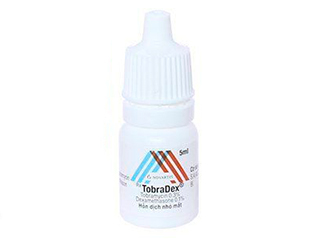
Tobradex (Obramycin / Dexamethasone) Eye Ointment & Eye Drops
Tobradex is a medicine used in the eye to treat inflammation (redness, swelling, discomfort) along with bacterial infection. It contains two active ingredients:
- Obramycin (also known as tobramycin-related antibiotic in this formulation): a topical antibiotic that helps kill susceptible bacteria.
- Dexamethasone: a corticosteroid that reduces inflammation.
This combination makes Tobradex useful for certain eye conditions where both infection and inflammation are present. Below is an easy-to-read overview for patients and carers, written to support safe use and informed discussions with healthcare professionals.
1) Basic Product Information
Brand: Tobradex
Active ingredients: Obramycin (antibiotic) + Dexamethasone (steroid)
Formulations commonly available: Eye drops and eye ointment (product strength and pack size may vary by supplier).
How it works: Tobradex targets infection (with an antibiotic) and calms inflammation (with a steroid).
Where it is used: For conditions affecting the eye surface and/or eyelids, as directed by a healthcare professional.
2) Mechanism of Action (How Tobradex Works)
Obramycin (antibiotic component)
Obramycin (tobramycin family) is an aminoglycoside antibiotic. It works by interfering with bacterial protein production, which helps stop bacteria from growing and can lead to bacterial death.
Dexamethasone (corticosteroid component)
Dexamethasone is a corticosteroid that reduces inflammation. It helps lessen symptoms such as:
- Redness
- Swelling
- Itching or irritation related to inflammatory processes
- Discomfort from inflammation
Important: The antibiotic portion treats bacterial infection; the steroid portion reduces inflammation. If the underlying problem is not bacterial (or if there is viral/fungal involvement), a steroid may not be appropriate and can sometimes worsen the condition.
3) Pharmacokinetics (What Happens in the Body)
Because Tobradex is used in the eye, absorption into the bloodstream is generally low, but some systemic absorption can occur—especially with frequent dosing or if the eye is inflamed.
- Absorption: Mostly local effect on the eye; limited systemic absorption.
- Distribution: Low systemic exposure compared with oral medicines.
- Metabolism & elimination: Systemic clearance is handled by normal body processes; however, clinically significant systemic effects are uncommon when used as directed for eye conditions.
Practical takeaway: While systemic side effects are less common than with oral steroids, eye-specific side effects can occur and should be monitored.
4) Typical Use & Timing
Tobradex is typically used for short-term treatment of eye inflammation associated with suspected or confirmed bacterial infection in appropriate conditions.
How to schedule doses
Many eye regimens follow a pattern of repeated dosing through the day. The exact schedule should match the prescribed/dispensed instructions and the clinician’s plan for your specific condition.
General guidance often includes:
- Start promptly after opening the eye drops or ointment (follow pack instructions).
- Use at consistent times each day.
- Do not reduce or stop early just because symptoms improve—complete the intended course unless advised otherwise.
If you miss a dose: Use it when you remember unless it is close to the next dose. Do not double up.
5) Food Interactions
Because Tobradex is an eye medication with minimal systemic absorption, food interactions are not typically expected. No specific dietary restrictions are usually required.
Nevertheless: If you are using multiple medicines (including oral medicines) or have other health conditions, it’s still wise to review your full medication list with a healthcare professional.
6) Alcohol & Medicine Interactions
Alcohol
There is generally no direct interaction between alcohol and Tobradex, since it is applied to the eye. However, if you are taking other medicines that interact with alcohol, follow advice for those medicines.
Other medicines (possible interactions)
Eye medicines can be combined in many situations, but you must manage timing and compatibility. Tobradex may have interaction considerations with other ophthalmic products:
- Other eye drops/ointments: Keep doses separated (commonly by 10 minutes) unless your clinician advises otherwise.
- Contact lenses: Do not use contact lenses unless specifically allowed by your healthcare professional, especially if there is active infection or inflammation.
- Ocular infection mimics: Steroids can mask symptoms. If you use other eye products, ensure the overall diagnosis is correct.
Tell your healthcare professional or pharmacist about any other eye medicines you use (including lubricants, antihistamine drops, glaucoma drops, and any previous steroid use).
7) Indications (When Tobradex is Used)
Tobradex is used for certain eye conditions where both:
- Inflammation is present, and
- Bacterial infection is suspected or confirmed
Examples of the kinds of problems it may be used for (as determined by a clinician) include:
- Inflammatory conditions of the eye surface with bacterial involvement
- Post-operative or post-injury eye inflammation where bacterial infection is a concern (only when clinically appropriate)
- Other specific bacterial-inflammatory eye conditions where the clinician selects the combination therapy
Not for every red eye: Many causes of red, painful eyes exist (viral infections, allergic reactions, dry eye, corneal injury). Tobradex is not suitable for all causes—especially some viral conditions—because of the steroid component.
8) Dosing (How Tobradex is Usually Taken)
Dosing varies depending on the exact product strength, the condition being treated, and your clinical response. Always follow the dosing instructions provided with your product or by your healthcare professional.
Common dosing patterns
Typical regimens may include dosing multiple times daily. For example:
- Eye drops: Often several times per day initially, then less frequently as symptoms improve (if directed).
- Eye ointment: Often used at specific times (sometimes at night) to provide prolonged contact with the eye surface.
Important: The correct frequency and duration must match your situation. Using steroid-antibiotic combinations for too long can increase risks.
Correct technique (drops)
- Wash your hands.
- Tilt your head back and gently pull down the lower eyelid.
- Place the prescribed number of drops into the eye.
- Close your eye gently and press lightly at the inner corner (near the nose) for about 1 minute to reduce drainage.
- Wipe away any excess with a clean tissue.
Correct technique (ointment)
- Wash your hands.
- Gently pull down the lower eyelid.
- Apply a small ribbon of ointment to the lower eyelid.
- Close your eye gently and keep it closed for a moment.
- Ointment can blur vision—consider using it at times when vision changes won’t interfere with activities.
9) Safety Profile (Side Effects and Warnings)
Like all medicines, Tobradex can cause side effects. Many people tolerate it well, but you should be aware of potential risks—particularly because it includes a corticosteroid.
Common or expected effects
- Temporary blurred vision (especially with ointment)
- Mild stinging or irritation after application
- Watery eyes or mild discomfort
Serious eye-related risks (seek prompt medical advice)
Corticosteroids used in the eye can lead to complications in some people. Contact a healthcare professional urgently if you experience:
- Severe eye pain or worsening pain
- Significant vision changes
- Marked increase in redness or swelling
- New sensitivity to light (photophobia)
- No improvement after a short period or worsening after initial improvement
Possible steroid-related complications include:
- Increased intraocular pressure (risk rises with longer use)
- Development of cataracts with prolonged steroid exposure
- Worsening or masking of infection (especially viral or fungal infections)
- Delayed healing of corneal tissue
Allergy or intolerance
Stop and seek advice if you develop symptoms suggestive of allergy, such as intense itching, eyelid swelling, rash, or worsening redness shortly after use.
Who needs extra caution?
- People with glaucoma or a history of raised eye pressure
- People using other steroid eye products
- People with thin corneas or corneal injury
- Those with a history of eye infections that are viral or fungal
10) Practical Use Tips (Getting the Best and Safest Results)
Avoid contaminating the bottle/tube
- Do not touch the dropper tip or ointment opening to your eye or eyelids.
- Close the cap/tube promptly after each use.
Contact lenses
- Remove contact lenses before use (unless your clinician says otherwise).
- Ask when you can safely resume lens use; this is especially important during infection or inflammation.
Don’t share eye medication
- Sharing can spread infections.
- Each person’s eye condition and dosing schedule may differ.
Manage timing with other eye drops
- If you use multiple eye products, separate them by at least 10 minutes.
- Consider using ointment last, as it can keep vision blurry for longer.
Track your response
Take note of whether symptoms improve. If there is no improvement within a few days or symptoms worsen, contact a healthcare professional promptly.
11) Alternative Options
Alternative treatments depend on the cause of your symptoms. If infection is not bacterial, the antibiotic/steroid combination may not be appropriate. Your options may include:
- Antibiotic-only eye drops/ointments for bacterial infection without significant inflammation
- Anti-inflammatory drops without steroids (depending on the diagnosis)
- Antihistamine or lubricating drops for allergic or dry eye causes
- Antiviral or antifungal treatment when a viral/fungal cause is suspected or confirmed
Why alternatives matter: Redness and discharge can have many causes. Correct diagnosis helps prevent delays and avoids inappropriate steroid use.
12) Market & Legal Context for Australia
In Australia, medicines including eye preparations are regulated under the Australian health and medicines framework. Availability and classification (for example, whether a product is prescription-only or restricted) can vary by formulation, indication, and supplier.
Online pharmacy suppliers in Australia typically provide information about:
- Product name and active ingredients
- Strength and form (drops vs ointment)
- Standard safety and usage guidance
- Storage instructions
- Supply and delivery processes consistent with Australian requirements
Patient safety note: Because Tobradex includes a steroid, it’s important that it is used for the right condition and for the right duration. If you’re unsure whether your symptoms fit, seek advice from a healthcare professional.
13) Recent Guidance & Clinical Considerations
General clinical best-practice trends for ophthalmic steroid-containing products include:
- Shortest effective duration to reduce risks such as raised intraocular pressure.
- Appropriate diagnosis before starting steroids, because steroids can aggravate some infections or delay healing.
- Monitoring when therapy is prolonged or when risk factors exist (e.g., glaucoma).
If you have persistent symptoms, worsening pain, or changes in vision, prompt review is recommended. Eye complaints can occasionally be urgent and should not be ignored.
14) Delivery & Availability (Australia)
Availability depends on your location and the specific Tobradex pack size and formulation (drops or ointment). Many Australian online pharmacies can deliver to metropolitan and regional areas.
When ordering, check:
- Product type: eye drops vs eye ointment
- Active ingredients: ensure it is Tobradex (Obramycin/dexamethasone)
- Expiry date and batch details where shown
- Storage requirements (typically at controlled room temperature, with attention to packaging instructions)
Delivery tip: If you’re using the medicine on a time-sensitive schedule, consider ordering in advance to avoid gaps.
15) Frequently Asked Questions (FAQ)
1) What is Tobradex used for?
Tobradex is used for certain eye conditions where there is inflammation and bacterial infection is suspected or confirmed. The antibiotic component helps fight bacteria, while the steroid component reduces inflammation.
2) Can I use Tobradex for a “red eye”?
Not always. Redness can be caused by many conditions, including viral infections, allergies, irritation, dry eye, or corneal injuries. Because Tobradex contains a steroid, it may not be appropriate for all causes. If symptoms are severe, painful, or worsening, seek professional advice.
3) How long should I use Tobradex?
Use the duration and frequency recommended for your specific condition. In general, steroid-containing eye medicines are used for the shortest effective time to reduce risks.
4) What if I miss a dose?
Use it when you remember unless it is close to the next scheduled dose. Do not use extra doses to “catch up.”
5) Will Tobradex cause blurred vision?
Temporary blurred vision can occur, particularly with ointment. Avoid driving or risky activities until your vision settles.
6) Can I wear contact lenses while using Tobradex?
Typically, contact lenses should be removed during eye infection or inflammation and only resumed if your healthcare professional advises it. Follow the guidance provided with your treatment.
7) Are there food interactions?
No specific food interactions are expected with Tobradex because it is applied to the eye and has minimal systemic absorption.
8) Can I drink alcohol while using Tobradex?
There is generally no direct interaction expected between alcohol and Tobradex. However, if you’re taking other medicines, follow advice for those medications.
9) What side effects are most concerning?
Seek urgent advice if you have significant eye pain, rapidly worsening redness or swelling, vision changes, or light sensitivity. Also, steroid-related risks (such as increased eye pressure) are a reason not to use longer than intended.
10) What are alternatives if Tobradex isn’t suitable?
Alternatives may include antibiotic-only treatment, non-steroid anti-inflammatory options, or targeted antiviral/antifungal therapy depending on the cause. Correct diagnosis guides the best option.
16) Summary
Tobradex (Obramycin / Dexamethasone) combines an antibiotic with a corticosteroid to treat certain eye conditions involving bacterial infection and inflammation. For safe use:
- Use the correct form (drops or ointment) and follow the dosing schedule.
- Apply using proper hygiene and avoid touching the eye tip to prevent contamination.
- Do not wear contact lenses unless specifically approved.
- Monitor response—if symptoms worsen or vision changes occur, get urgent medical advice.
- Use for the recommended duration, since steroid eye treatments carry risks with prolonged use.
If you have questions about whether Tobradex is appropriate for your symptoms, or how to fit it into a regimen with other eye medications, speak with a pharmacist or healthcare professional.
Note: This information is intended to help you understand Tobradex. It does not replace medical advice. If you have severe symptoms or are unsure about the cause of your eye problem, seek professional care promptly.