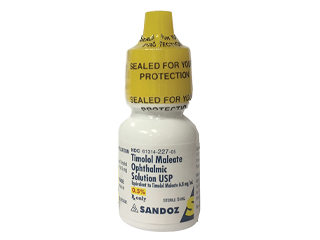
Timoptic (Timolol Maleate) Eye Drops – Patient Information (Australia)
Timoptic is a brand of timolol maleate, a medicine used to lower pressure inside the eye (intraocular pressure). It is commonly used for people with glaucoma or ocular hypertension to help prevent damage to the optic nerve and to reduce the risk of progressive vision loss.
This page explains what Timoptic is used for, how it works, how to use it safely, and what to consider regarding interactions, side effects, and practical day‑to‑day use in an Australian context.
Quick overview
- Medicine: Timolol maleate
- Type: Eye drops
- Main use: Lowering intraocular pressure
- Common conditions: Glaucoma and ocular hypertension
- How it works: Reduces fluid (aqueous humour) production in the eye
- How often: Typically 1–2 times daily, depending on your regimen
Basic product information
Timoptic contains timolol maleate in an ophthalmic solution. Timolol belongs to a group of medicines called beta‑blockers. Although it is applied to the eye, small amounts can enter the bloodstream and may cause effects in the body.
| Feature | What to know |
|---|---|
| Active ingredient | Timolol maleate (beta‑blocker) |
| Route of administration | Topical eye drops |
| Therapeutic goal | Lower intraocular pressure |
| Typical effect | Starts within hours; best results occur with regular use |
| Common monitoring | Intraocular pressure checks and eye examinations |
How Timoptic works (mechanism of action)
Timolol helps to lower intraocular pressure primarily by:
- Reducing the production of aqueous humour (the fluid that fills the front of the eye).
- Improving the balance between fluid production and drainage, leading to lower eye pressure over time.
By lowering pressure, Timoptic may help slow or prevent optic nerve damage in glaucoma. It does not “reverse” existing damage, but it can reduce the risk of further deterioration when used consistently.
When it’s used (indications)
Timoptic is used in adults for conditions where lowering intraocular pressure is beneficial, including:
- Glaucoma (including open‑angle glaucoma in many patients)
- Ocular hypertension (elevated eye pressure without established glaucoma)
Your eye specialist may choose Timoptic alone or as part of a combination regimen, based on your eye pressure, response to treatment, and any other health conditions.
Pharmacokinetics (how the body handles timolol)
After instilling eye drops, timolol can be absorbed through the eye tissues and can also enter the bloodstream via the nose and throat (a common pathway for ophthalmic medicines). Key points include:
- Absorption: Absorbed through the ocular surface and through nasolacrimal drainage.
- Distribution: Once absorbed systemically, timolol distributes through the body and can affect beta‑receptors.
- Metabolism: Primarily metabolised in the liver.
- Elimination: Metabolites are excreted mainly via the kidneys.
Because of possible systemic absorption, timolol may contribute to side effects such as slower heart rate, fatigue, dizziness, or bronchospasm in sensitive individuals.
Typical dosing and timing
Timoptic is usually used once or twice daily, depending on the specific concentration, your eye condition, and how your eye pressure responds. The dosing schedule can be adjusted by your prescriber/eye specialist based on clinical response.
General guidance for timing
- Choose consistent times each day (e.g., morning and evening) to maintain steady effect.
- If you are instructed to use it once daily, use it at the same time each day.
- If you are instructed to use it twice daily, space doses roughly 12 hours apart (for example, morning and night).
How to apply eye drops (step-by-step)
- Wash your hands before opening the bottle.
- Use a mirror if needed to guide placement.
- Gently pull down the lower eyelid to form a small pocket.
- Place 1 drop into the pocket—avoid touching the dropper tip to your eye or eyelids.
- Close your eye gently for 1–2 minutes.
- Nasolacrimal occlusion (recommended): press lightly at the inner corner of the eye (near the nose) for about 1 minute. This can reduce drainage into the nose and may lower systemic absorption.
- If you use other eye drops, wait between medicines (see below).
If you miss a dose
- Apply the missed dose when you remember if it is not close to the next scheduled dose.
- If it is almost time for your next dose, skip the missed dose.
- Do not double to make up for a missed dose.
Food interactions
Timoptic is administered as eye drops, and significant food interactions are generally not expected. Systemic absorption can occur, but the effect of meals on timolol eye drops is unlikely to be clinically important.
- Practical advice: You can take Timoptic with or without food.
- If you have diabetes or cardiovascular conditions: keep monitoring as advised, because beta‑blockers (including those absorbed systemically) can sometimes mask symptoms of low blood sugar (see Safety Profile).
Alcohol and medicine interactions
Alcohol
Alcohol may increase the likelihood of dizziness or light‑headedness in some people. Because timolol can lower heart rate and influence blood pressure in sensitive individuals, drinking alcohol could potentially worsen these effects.
- Practical advice: If you notice dizziness, avoid alcohol or reduce intake and speak with your healthcare professional.
Medicine interactions (important)
Because some timolol may enter the bloodstream, interactions can occur with other medicines—particularly those that affect heart rate or blood pressure.
Tell your healthcare professional if you use:
- Other beta‑blockers (including tablets or other eye drops). Using more than one can increase the risk of slowed heart rate or low blood pressure.
- Calcium channel blockers (e.g., verapamil, diltiazem) used for heart conditions or blood pressure.
- Medicines for irregular heart rhythm (antiarrhythmics).
- Medicines that lower blood pressure or cause faintness.
- Diabetes medicines (beta‑blockers can mask symptoms of hypoglycaemia such as tremor and palpitations).
- Medicines that may affect breathing (particularly in asthma or chronic obstructive pulmonary disease), because beta‑blockers can potentially worsen bronchospasm.
- Adrenaline (epinephrine) used in some settings (e.g., certain eye conditions): interactions may influence heart rate/blood pressure.
If you use multiple eye drops, there may also be compatibility and timing considerations. Always follow an ordered schedule for administration.
Safety profile and side effects
Most people tolerate Timoptic well. However, because it is a beta‑blocker, some side effects can be related to local eye effects and some to systemic absorption.
Common side effects (eye-related)
- Eye irritation or stinging
- Dry eyes or a gritty feeling
- Redness of the eye
- Blurred vision (often temporary)
- Watery eyes or discomfort
Less common but important side effects (systemic)
- Slow heart rate (bradycardia)
- Low blood pressure, dizziness, or faint feeling
- Fatigue or reduced exercise tolerance
- Shortness of breath or wheezing, especially in people with asthma or certain breathing disorders
Seek urgent medical help if you experience
- Difficulty breathing, severe wheezing, or chest tightness
- Fainting or severe dizziness
- Swelling of the face/lips or signs of a serious allergic reaction
- Sudden severe vision changes or severe eye pain
Special precautions
- Asthma/COPD: Timolol may worsen breathing problems.
- Heart conditions: People with bradycardia, certain conduction problems, or uncontrolled heart failure may be at higher risk.
- Diabetes: Beta‑blockers can mask fast heartbeat symptoms of low blood sugar.
- Corneal disorders: Any condition affecting the eye surface should be discussed with your eye specialist.
- Contact lenses: If your product contains preservatives, it may affect contact lenses (see Practical Use Tips).
Practical use tips (to improve comfort and reduce systemic absorption)
Nasolacrimal occlusion technique
After instilling your drop, gently press the inner corner of the eye for about 1 minute. This helps reduce drainage into the nose, which may reduce the amount of drug absorbed through the bloodstream.
Wait between different eye drops
If you are using more than one ophthalmic medicine, spacing is important to avoid dilution and washout:
- Allow at least 5–10 minutes between different eye drops unless your clinician advises otherwise.
- If you also use an eye ointment, apply it last.
Contact lenses
- Many eye drop solutions (especially those with preservatives) are not recommended with contact lenses.
- Consider using glasses instead until you confirm the compatibility with your specific Timoptic product.
- If lenses are permitted, you may need to remove them before dosing and wait before reinserting—follow your product instructions and clinician advice.
Keep the bottle clean
- Do not touch the dropper tip to your eye or fingers.
- Tightly close the cap after use.
- Store at the temperature and conditions stated on the pack.
Alternative options
If Timoptic is not suitable (for example, due to side effects, insufficient pressure reduction, or other medical reasons), there are other classes of eye medicines used to lower intraocular pressure. Alternatives your eye specialist may consider include:
- Prostaglandin analogues (commonly used once daily)
- Other beta‑blocker options (different formulations or dosing)
- Carbonic anhydrase inhibitors (drops or tablets in some cases)
- Alpha‑agonists
- Cholinergic agents (miotics)
- Combination eye drops that contain two medicines in one bottle
The best option depends on your diagnosis, target eye pressure, tolerance of side effects, other health conditions, and current medicines.
Recent guidance and monitoring (general Australia-relevant context)
In Australia, glaucoma and ocular hypertension management generally involves regular eye checks to monitor:
- Intraocular pressure (IOP)
- Optic nerve health
- Visual field testing (where appropriate)
- Response and tolerability of drops
Current best practice emphasises:
- Adherence: using drops regularly as instructed.
- Technique: correct drop placement and punctal occlusion where suitable.
- Review of systemic risks: especially in people with asthma, COPD, heart rhythm issues, or low blood pressure.
- Managing dry eye or irritation to maintain long‑term tolerability.
If you experience persistent irritation or systemic symptoms, speak with an eye health professional promptly so treatment can be optimised.
Market and legal context for Australia (what to expect)
In Australia, ophthalmic medicines for glaucoma are typically supplied through pharmacy channels under medication regulations and clinical governance. Requirements can include:
- Pharmacist and clinician assessment to confirm suitability and safe use.
- Accurate product identification (correct strength and formulation).
- Clear labelling and patient instructions for safe administration.
Online pharmacies generally ensure medicines are supplied in accordance with Australian rules, including storage, documentation, and appropriate supply processes.
Delivery and availability
Availability can vary by brand presentation, strength, and whether specific pack sizes are currently in stock. When ordering Timoptic online:
- Check the pack size and active ingredient strength to ensure it matches your usual product.
- Confirm delivery timeframes shown at checkout.
- If you’re a regular user, consider ordering ahead of time to avoid interruptions.
Medicines should be stored as directed on the carton and bottle. If the seal is damaged or the product looks altered, do not use it—contact the supplier or pharmacist for advice.
Frequently Asked Questions (FAQ)
1) Does Timoptic cure glaucoma?
Timoptic helps lower eye pressure to reduce the risk of damage progression. It does not cure glaucoma, so continued use and regular monitoring are important.
2) How quickly will Timoptic start working?
Eye pressure can begin to reduce within hours after dosing. The full benefit is achieved with consistent, long‑term use and monitoring at scheduled eye appointments.
3) Can I stop Timoptic if my eye pressure looks normal?
In many cases, glaucoma treatment is long term. Stopping suddenly may lead to a rise in intraocular pressure. Speak with your eye professional before changing or stopping use.
4) What if I use other glaucoma drops?
Many people use more than one medicine. Use each drop as directed, and space them by 5–10 minutes unless you are told otherwise.
5) Will Timoptic affect my breathing or heart rate?
Timolol can be absorbed systemically. In sensitive individuals, it may cause slow heart rate or shortness of breath. If you have asthma, COPD, slow heart rate, or fainting episodes, discuss this with your healthcare professional.
6) Can I drive after using Timoptic?
Some people experience temporary blurred vision or discomfort after applying drops. If your vision is blurred, wait until it clears before driving or operating machinery.
7) Can I use Timoptic with contact lenses?
Contact lens compatibility depends on the specific product formulation (including preservatives). For safety, remove lenses before dosing if advised, and wait before reinserting. Check the product instructions or ask a pharmacist.
8) What should I do if Timoptic stings or irritates my eyes?
Mild stinging can occur. If irritation persists or is severe, stop and contact your pharmacist or eye care professional. It may be related to the drop, preservatives, dry eye, or technique.
9) Is it safe to use Timoptic if I have diabetes?
Beta‑blockers can sometimes mask symptoms of low blood sugar (such as fast heartbeat). If you use diabetes medicines, monitor your glucose regularly and report any unusual symptoms.
10) How should I store Timoptic?
Store at the temperature and conditions stated on the pack, usually away from direct sunlight. Keep the bottle tightly closed and follow the expiry date and any instructions about discarding after opening.
Summary
Timoptic (timolol maleate) eye drops are a beta‑blocker treatment used to lower intraocular pressure in conditions such as glaucoma and ocular hypertension. It works by reducing fluid production in the eye. Regular use and correct application are essential for best outcomes. Because timolol can be absorbed into the bloodstream, people with certain heart or breathing conditions should use Timoptic with care and seek advice if side effects occur.
If you have questions about suitability, correct technique, or possible interactions with your other medicines, talk to a pharmacist or your eye specialist.