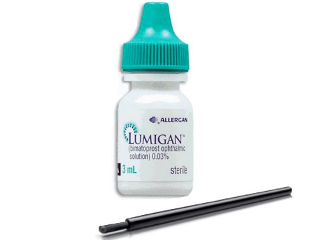

Lumigan + Applicators (Bimatoprost) — Patient Information (Australia)
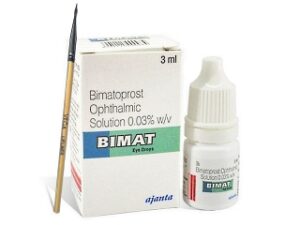
Lumigan + Applicators contains bimatoprost, a medicine used to lower pressure inside the eye. It is commonly prescribed for certain types of glaucoma and to help manage eye pressure after some eye conditions.
This guide is written to be patient-friendly and does not replace advice from your eye doctor. Always follow the instructions on your product label and any guidance you are given by your healthcare professional.
1) Basic product information
- Active ingredient: Bimatoprost
- Product: Lumigan + Applicators
- Medicine type: Ophthalmic prostaglandin analogue (often classified as a prostamide/related eye pressure–lowering agent)
- How it is used: Applied to the affected eye(s) as instructed
- Where it acts: Inside the eye, to improve outflow of fluid and reduce intraocular pressure
Note about applicators: Lumigan + Applicators are designed to help deliver drops (or measured doses) consistently. The exact technique can vary depending on the applicator design supplied in Australia, so follow the specific instructions provided with your product.
2) What Lumigan + Applicators is used for (indications)
Bimatoprost is used to reduce intraocular pressure (IOP), helping to reduce the risk of optic nerve damage and progression of eye diseases. In Australia, it is typically used for:
- Open-angle glaucoma
- Ocular hypertension (raised eye pressure without glaucoma)
- Other glaucoma/ocular hypertension situations where lowering IOP is recommended by an eye specialist
Your doctor will determine whether Lumigan + Applicators is appropriate for your specific eye condition and overall treatment plan.
3) Mechanism of action (how it works)
Bimatoprost works by increasing the drainage of aqueous humour (the fluid inside the eye). While the eye contains fluid continuously, pressure rises when drainage is insufficient.
- Improves outflow: It helps the eye’s natural drainage pathways, particularly the uveoscleral pathway.
- Reduces IOP: Lower pressure helps protect the optic nerve over time.
Regular use is important because the medicine works day-to-day to maintain lower pressure, not only at the time you apply it.
4) Typical dosing and timing
How often to use
Bimatoprost eye products used for IOP are commonly applied . Your exact schedule should match the label and your prescriber’s instructions.
Best time to apply (timing)
- Evening use is preferred: Many bimatoprost regimens are designed for night-time dosing.
- Try to be consistent: Use at roughly the same time each evening.
If you miss a dose
- Apply it as soon as you remember if it is still near the planned time.
- If you are close to the next scheduled dose, skip the missed dose and return to your normal routine.
- Do not apply extra doses to make up for a missed one.
5) Practical use tips (how to apply safely)
The steps below are general. Always follow the instructions that come with your Lumigan + Applicators and your clinician’s directions.
- Wash your hands before and after using the applicator.
- Choose the correct eye(s:} Apply only to the eye(s) prescribed.
- Avoid touching the eye surface with the applicator tip.
- Use the correct technique: Keep the eyelids steady and apply according to the applicator instructions.
- Close the eye gently after applying. Do not squeeze.
- Consider nasolacrimal occlusion: After applying, you may gently press the inner corner of the eye (near the nose) for 1–2 minutes. This can reduce drainage into the nose and may help lessen side effects.
- Wait between different eye drops: If using other eye drops/ointments, separate by at least 5–10 minutes unless your doctor says otherwise.
- Remove contact lenses first: Do not apply to while wearing contact lenses unless your eye specialist has advised it.
Contact lenses are often removed before instilling eye medications and can usually be reinserted after the recommended waiting period (commonly 15 minutes, but follow your label and advice).
6) Pharmacokinetics (what the body does with it)
Pharmacokinetics describe how a medicine is absorbed, distributed, metabolised, and eliminated. With eye drops, most of the medicine’s effect is local to the eye.
- Absorption: Bimatoprost is absorbed through ocular tissues after topical use. Systemic absorption can occur but is generally low.
- Distribution: The medicine acts mainly within the eye. Some drug may reach the bloodstream at low levels.
- Metabolism: Bimatoprost is metabolised in the body (including within ocular and systemic pathways).
- Elimination: Metabolites are removed through renal (kidney) and other elimination routes.
Because systemic exposure is typically limited with proper eye drop use, most patients experience side effects related to the eye surface rather than widespread body effects. However, effects can still occasionally occur, so report any unusual symptoms to your doctor.
7) Food interactions
There are no known clinically important interactions with food for bimatoprost eye drops. Since it is applied locally to the eye and systemic absorption is generally low, meal timing is not usually relevant.
That said, if you are using other medicines (including blood pressure medicines or prostaglandin-related therapies), discuss them with your healthcare professional to ensure overall safety.
8) Alcohol and medicine interactions
Alcohol
No specific alcohol interaction is expected with bimatoprost eye drops. However, alcohol may worsen dryness or eye irritation in some people, which can make side effects more noticeable.
Other medicines (important interaction notes)
While major drug interactions are uncommon with topical bimatoprost, it is still important to tell your eye doctor or pharmacist about all medicines you use, including:
- Other eye drops (especially additional glaucoma medicines)
- Prostaglandin/prostamide analogue medicines (some are not recommended together because they may increase side effects and reduce effectiveness)
- Blood pressure or heart medications (monitoring may be needed if you experience dizziness or faintness)
- Anti-inflammatory medicines and steroid eye drops (your doctor will advise if any changes are needed)
- Medicines that affect pupil responses or the nervous system (rarely relevant, but worth mentioning)
If you use multiple eye medicines, spacing doses properly is key to prevent dilution and ensure correct delivery.
9) Safety profile and side effects
Most side effects are local and mild to moderate. The most commonly reported effects include changes to the eye and eyelashes, and mild irritation.
Common side effects
- Redness or irritation of the eye
- Itching or a burning/stinging sensation
- Dry eye sensation
- Tearing
- Changes to eyelashes: may include increased length, thickness, and/or darkening
- Periorbital skin darkening (around the eyelids) in some people
- Possible iris colour change: in some patients, especially with mixed-colour irises (light eyes may be more noticeable). This may be permanent.
Less common but important side effects
- Eye pain or significant discomfort
- Blurred vision that persists
- Symptoms of inflammation (light sensitivity, worsening redness)
- Macular changes: swelling of the retina area (macular oedema) can occur, particularly in people at higher risk
- Asthma aggravation: rare reports suggest caution in patients with asthma or breathing conditions
- Allergic reactions (swelling, severe itching, rash)
When to seek urgent help
Seek urgent medical attention or contact your eye doctor promptly if you experience:
- Severe eye pain
- Sudden or worsening vision changes
- Marked redness with light sensitivity
- Signs of severe allergy (face swelling, hives, breathing difficulty)
10) Dosing guidance (for adults)
Below is typical dosing information for bimatoprost eye drops in adults. Your prescribed regimen may differ, so follow your label and clinician’s instructions.
| Patient group | Typical dose | Frequency | How to use |
|---|---|---|---|
| Adults (and many older adolescents per clinical judgement) | One drop (or applicator dose) of bimatoprost to the affected eye(s) | Once daily | Preferably in the evening; avoid doubling doses |
| Children | Dosing is determined by an eye specialist based on age/condition | Varies | Follow specialist guidance carefully |
Do not change the dose without medical advice. If you miss doses frequently, eye pressure may not be controlled effectively.
11) Missed dose and ongoing management
Glaucoma and ocular hypertension are long-term conditions. Bimatoprost is used as part of ongoing management, usually indefinitely unless your ophthalmologist changes your treatment.
- Keep your dosing routine (set reminders for the evening).
- Attend eye pressure checks as scheduled.
- Continue other therapies as advised (e.g., other eye drops, laser treatment, or surgery if required).
12) Alternative options
Depending on your condition, your eye specialist may consider other options to lower intraocular pressure. Alternatives may include:
- Other prostaglandin analogue/prostamide eye drops (e.g., latanoprost, travoprost, tafluprost)
- Beta-blocker eye drops (e.g., timolol)
- Alpha agonists (e.g., brimonidine)
- Carbonic anhydrase inhibitors (topical or oral, e.g., dorzolamide or brinzolamide)
- Combination products that target different pathways
- Non-drop treatments: laser procedures and surgery may be considered in some cases
The best choice depends on your eye pressure targets, response to prior medicines, side-effect tolerance, and any medical conditions such as asthma.
13) Market and legal context for Australia
In Australia, medicines containing bimatoprost for eye conditions are subject to Australian regulatory requirements. The availability of specific pack sizes, formulations, and dispensing conditions can vary by state/territory and by the product’s classification under the relevant medicines scheduling.
If you are purchasing online, ensure the pharmacy is reputable, provides clear product information (including strength and pack type), and complies with Australian laws regarding distribution of therapeutic goods.
14) Recent guidance and monitoring (what matters in practice)
Eye pressure–lowering therapy typically requires ongoing monitoring. Current clinical practice generally emphasises:
- Regular IOP checks (as advised by your ophthalmologist/optometrist)
- Assessment of optic nerve health and visual fields over time
- Monitoring for side effects such as eyelash/periorbital changes or signs of eye inflammation
- Reporting symptoms early—especially pain, persistent redness, or vision changes
Because individual risk varies, your doctor may adjust therapy if side effects occur or if pressure targets are not met.
15) Delivery and availability (online pharmacy)
Availability can vary depending on stock levels and the specific pack supplied in Australia. When ordering online, consider:
- Product strength and pack type: confirm you have the correct Lumigan formulation and applicator type.
- Storage requirements: store as directed on the pack (commonly at room temperature; protect from excessive heat and follow the label).
- Delivery timing: delivery estimates may vary by location. Plan ahead to avoid running out.
- Customer support: use pharmacy contact options if you have questions about usage, compatibility with other drops, or delivery.
If the pack is new, let your pharmacist or doctor know if you need guidance on first-time opening and correct use of the applicator.
16) Storage and handling
- Store the applicator eye medicine according to the instructions on the outer carton and label.
- Keep the product cap closed and avoid contamination of the tip.
- Do not use the product after its expiry date.
- Keep out of reach of children.
17) FAQ
1. Is Lumigan + Applicators the same as regular eye drops?
Lumigan + Applicators contains bimatoprost and delivers the medication to the eye. “Applicators” are a delivery format designed to help with dosing/handling. The key is to use it exactly as instructed for your product.
2. How long does it take to work?
Many patients see eye pressure reduction within hours to days, but the full benefit of consistent use is assessed over subsequent weeks with follow-up testing.
3. Can I use Lumigan in both eyes?
Use it in the eyes only if it has been prescribed for both. If you are instructed for one eye only, applying it to the other eye may not be appropriate.
4. Will it change my iris colour?
Some people may experience iris colour changes, particularly with mixed-colour irises. This effect may be permanent. Discuss individual risk with your eye doctor.
5. My eye feels dry—what can I do?
Dryness or irritation can occur. Use only recommended lubricating drops if appropriate, and separate them from bimatoprost by at least 5–10 minutes unless your clinician advises otherwise.
6. Can I wear contact lenses?
Do not instil the medicine while wearing contact lenses unless your eye doctor has specifically advised it. Generally, remove lenses before use and wait before reinserting—follow your product advice.
7. What if I’m also using other glaucoma eye drops?
You may need multiple medicines. Spacing doses correctly is important to avoid dilution. Ask your pharmacist or doctor for a clear schedule.
8. Is it safe with asthma?
Bimatoprost itself is not the same as beta-blocker drops, but any eye medication can cause individual reactions. Tell your doctor if you have asthma or breathing issues.
9. Can I stop Lumigan once my eye pressure is better?
In most cases, eye pressure–lowering therapy is long-term. Stopping can allow pressure to rise again. Only stop or change treatment under medical guidance.
10. Are there alcohol interactions?
No specific interaction is expected, but alcohol may worsen dryness or irritation in some people. If you notice increased eye discomfort, consider reducing alcohol and consult your pharmacist or doctor.
18) Summary
Lumigan + Applicators (bimatoprost) is a once-daily eye medicine used to lower intraocular pressure in conditions such as open-angle glaucoma and ocular hypertension. It works mainly by improving fluid drainage within the eye. Most side effects are local—such as redness or irritation—and changes to eyelashes or iris colour may occur in some patients. With correct technique, consistent evening dosing, and regular eye monitoring, many people achieve effective long-term eye pressure control.
If you have any questions about your treatment, side effects, or how to combine Lumigan with other eye drops, speak to your eye doctor or pharmacist.