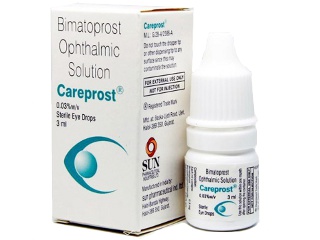
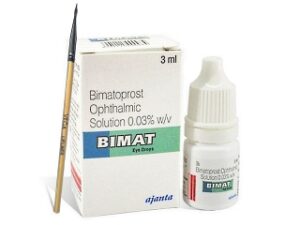
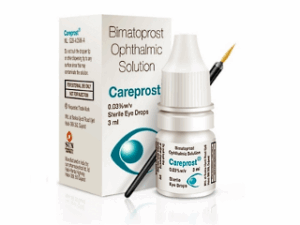
Careprost (Bimatoprost) Eye Drops – Patient Information (Australia)
Careprost is a glaucoma and eyelash-growth medicine containing bimatoprost. It is used in adults to help lower pressure inside the eye and to support cosmetic eyelash appearance, depending on the approved product and indication in Australia.
This page explains how Careprost works, how to use it safely, what to expect, and important precautions. If you have any questions about whether Careprost is suitable for you, speak with a doctor or pharmacist.
1) Basic product information
- Active ingredient: Bimatoprost
- Medicine type: Prostaglandin analogue (glaucoma therapy) / prostaglandin-related eyelash agent
- Form: Eye drops (solution)
- Common strengths: Often supplied as 0.03% bimatoprost ophthalmic solution for eye/eyelash indications (product strength may vary by brand—check your pack)
- How it is taken: Applied to the eye as directed
Important: Use Careprost only as directed on your product label and by your healthcare professional. Do not share your drops with others.
2) What Careprost does (mechanism of action)
Bimatoprost lowers intraocular pressure (IOP) and can improve eyelash characteristics. It acts by influencing pathways related to aqueous humour dynamics and cell signalling within the eye.
Lowering eye pressure (glaucoma/ocular hypertension)
Bimatoprost helps increase outflow of aqueous humour (fluid in the eye), which can reduce IOP. Lowering IOP is a key step in managing conditions such as open-angle glaucoma and ocular hypertension.
Eyelash effects (cosmetic indication in appropriate products)
Bimatoprost may extend the growth phase of eyelashes and increase the appearance of lashes (such as length and thickness). Results are gradual.
3) Pharmacokinetics (how the body handles it)
After dosing, bimatoprost is absorbed through ocular tissues. Key points include:
- Local action: Most effects occur within the eye.
- Systemic absorption: Some bimatoprost may enter the bloodstream, but overall systemic exposure is usually low with proper ocular dosing.
- Metabolism: It is broken down mainly by metabolic pathways in the body (including oxidation and subsequent processes).
- Elimination: Metabolites are cleared primarily through renal (kidney) and non-renal routes.
- Time course: Ocular pressure reduction typically begins after administration and continues over time; consistent nightly use is important for efficacy.
Individual responses can vary. If you miss a dose or have questions about expected timelines, consult your pharmacist or prescriber.
4) Typical uses and indications
Careprost may be used for:
- Raised intraocular pressure associated with glaucoma (commonly open-angle glaucoma) or ocular hypertension where reducing IOP is necessary.
- Eyelash appearance enhancement in adults, depending on the specific product and approved cosmetic indication.
Note for Australia: Indications and availability can depend on the registered product and current regulatory status. Always follow the directions on your packaging and the advice of your healthcare professional.
5) How to use Careprost (dosing and timing)
General dosing principles
- Usual schedule: Typically once daily, usually in the evening.
- Consistency: Use at around the same time each day for best results.
- Single eye vs both eyes: Use in the eye(s) specified by your clinician.
Typical dosing (eyelid/eye drop application)
| Goal | Typical dosing | When to use | How much |
|---|---|---|---|
| Lowering eye pressure | One drop in the affected eye(s) | Usually once daily in the evening | Just enough to form a single drop |
| Eyelash appearance (if indicated) | One drop applied to the base of the upper eyelid(s) as directed | Usually once daily in the evening | Follow the exact application instructions on your product |
How to apply eye drops (practical step-by-step)
- Wash your hands.
- Check the tip: Ensure the dropper tip is not cracked or contaminated.
- Prepare the eye: Tilt your head back slightly and look upward.
- Apply the drop: Gently pull down the lower eyelid to form a small pocket. Place one drop into the pocket (for eye pressure indications).
- For eyelash application: Apply as directed to the base of the upper eyelid lashes; avoid getting drops directly into the eye unless instructed otherwise.
- Close gently: Close your eyes gently. Avoid rubbing.
- Reduce drainage (optional but helpful): Lightly press the inner corner of the eye (near the nose) for about 1 minute. This can reduce systemic absorption and improve local effect.
- Wipe excess: If a drop spills onto skin, wipe carefully with a clean tissue.
- Replace cap immediately.
Missed dose
- If you miss a dose, use it when you remember unless it is close to the next dose.
- Do not double the dose to make up for a missed one.
- If you are unsure, contact your pharmacist for advice.
Stopping the medicine
Do not stop Careprost suddenly without advice. For glaucoma/ocular hypertension, stopping can raise eye pressure and may affect vision long-term.
6) Food interactions
Food interactions are generally unlikely with ophthalmic bimatoprost because the medicine is applied to the eye and systemic absorption is typically limited.
Nevertheless, always inform your healthcare professional about your current medicines and supplements. If you experience nausea, dizziness, or unusual side effects, seek advice promptly.
7) Alcohol and medicine interactions
Alcohol
There are no well-established direct interactions between bimatoprost eye drops and alcohol. However, alcohol can worsen dry eyes or eye irritation in some people. If you notice stinging, redness, or discomfort after drinking alcohol, avoid additional triggers and discuss symptoms with a pharmacist.
Other medicine interactions
Because Careprost is used locally, significant drug interactions are less common. Still, consider the following:
- Other eye drops: Use the timing guidance carefully to avoid washing one drop out with another.
- Contact lenses: If you wear lenses, remove them before instilling drops and wait before reinserting.
- Prostaglandin-containing products: Using more than one prostaglandin analogue may increase side effects or offer no added benefit. Check with your clinician if you are already using similar drops.
- Eye inflammation medicines: If you use anti-inflammatory eye drops, ask your healthcare professional about whether any adjustment is needed.
How to space multiple eye medicines
If you use other ophthalmic products (for example, beta-blocker drops, lubricating drops, or allergy drops):
- Generally allow at least 5 to 10 minutes between different eye drops.
- Lubricating drops: You may use them as advised, often closer to symptom relief rather than to maintain dosing spacing.
8) Safety profile and side effects
Like all medicines, Careprost can cause side effects. Many are mild and improve with continued use, but some may require stopping and seeking advice.
Common side effects
- Eye redness or irritation
- Itching, stinging, or burning sensation
- Dry eye or watery eyes
- Light sensitivity
- Increased eyelash length/thickness (for eyelash indications)
- Darkening of the eyelid skin near the application area (cosmetic indication)
Less common but important side effects
- Changes in eye colour (for example, increased pigmentation of the iris). This can be permanent.
- Ocular surface changes, including discomfort related to the cornea
- Macular oedema (fluid swelling in the retina) in people at risk
- Uveitis (eye inflammation)
- Periorbital changes, including swelling or skin changes around the eye
When to seek urgent advice
Contact a healthcare professional promptly (or seek urgent care if severe) if you develop:
- Severe eye pain
- Significant vision changes (blurred vision, loss of vision)
- Marked worsening redness with discharge
- Severe photophobia (light sensitivity)
- Symptoms of allergic reaction (swelling of face/lips, hives, breathing difficulties)
Who should be extra cautious?
- People with a history of eye inflammation
- Those at risk of macular oedema (for example, certain retinal conditions)
- People with prior corneal disease or contact lens–related irritation
- Those with chronic dry eye or blepharitis
9) Practical use tips for best results
- Be gentle: Avoid rubbing your eyes. Rubbing can increase irritation and affect eyelash growth outcomes.
- Use consistent timing: Many users find evening dosing easier—choose a routine you can follow daily.
- Check your drop quality: If the solution becomes cloudy or the bottle looks unusual, do not use it and ask your pharmacist.
- Contact lens care: Remove lenses before applying. Wait as advised (often at least 15 minutes) before reinserting.
- Manage dryness: If you experience dry-eye symptoms, consider preservative-free lubricating drops (spaced from your bimatoprost dose).
- Keep eyelashes clean: Follow good eyelid hygiene to reduce irritation and styes.
- Track changes: For eyelash outcomes, take a photo in similar lighting conditions to compare progress over time.
Expected timeline
- Eye pressure effects: Often develop with regular nightly use.
- Eyelash appearance: Changes are usually gradual; noticeable improvement may take several weeks.
- Pigmentation: Eye/eyelid pigmentation changes (where they occur) may develop over time.
10) Alternative options
If Careprost isn’t suitable due to side effects, cost, availability, or an individual’s medical history, there are alternative medicines used for similar purposes.
Alternatives for lowering eye pressure
- Other prostaglandin analogues (similar class)
- Beta-blocker eye drops
- Carbonic anhydrase inhibitors (eye drops or tablets, depending on indication)
- Alpha agonists
- Combination therapies (when appropriate)
Alternatives for eyelash growth (cosmetic)
- Other eyelash-enhancing agents (where approved and available)
- Non-medicine options such as lash conditioning products, although results may be less dramatic
Your pharmacist can help compare options based on your condition, sensitivity, and current eye drop routine.
11) Australia market & legal/regulatory context (general guidance)
In Australia, medicines are regulated under the Therapeutic Goods Act and overseen by the Therapeutic Goods Administration (TGA). Whether Careprost is supplied under specific brand registration, formulation, or indications depends on TGA status and product licensing.
Online pharmacy note: A reputable Australian online pharmacy will generally supply medicines in line with Australian laws and will provide clear product information (strength, instructions, and expiry). Availability can vary based on registration and supply chain conditions.
If you’re unsure whether your specific Careprost product matches the indication you want (glaucoma/pressure vs cosmetic eyelash), check the pack label and consult your healthcare professional.
12) Recent guidance and monitoring considerations
Clinical practice around eye medicines typically emphasises:
- Regular eye examinations: For glaucoma/ocular hypertension, pressure checks and optic nerve monitoring are essential.
- Ocular surface monitoring: Watch for signs of irritation, redness, or dry eye.
- Reporting pigment changes: If you notice iris or eyelid changes, inform your clinician.
- Care with at-risk groups: People with previous inflammation, retinal conditions, or corneal disease may need closer monitoring.
While individual guidance depends on your diagnosis, it’s good practice to keep follow-up appointments and report side effects promptly.
13) Delivery, availability, and packaging
Availability of Careprost can depend on product registration and stock levels. When ordering online in Australia, reputable pharmacies typically:
- Ship to eligible locations (coverage depends on the provider)
- Provide clear product identification (brand name, strength, volume, expiry date if applicable)
- Use appropriate packaging to protect the bottle and dropper
How it should arrive
- Check the outer packaging for damage.
- Confirm the strength and product name match your requirements.
- Verify the expiry date before use.
Storage
Follow your product label for storage instructions. In general:
- Store at appropriate room temperature unless otherwise stated on the pack.
- Keep the bottle tightly closed.
- Keep out of reach of children.
14) FAQ – Frequently asked questions
1. Is Careprost the same as bimatoprost?
Careprost is a brand name that contains bimatoprost, the active ingredient. Other brands may contain the same active ingredient at similar strengths, but always check the label for concentration and directions.
2. How long does it take to work?
Eye pressure effects may begin after consistent use, but full effect is typically evaluated during follow-up visits. Eyelash appearance changes are usually gradual and may take several weeks to notice.
3. What if I wear contact lenses?
Remove lenses before applying the drop and wait before reinserting. Follow your product instructions or ask your pharmacist for the recommended wait time.
4. Can I use it with other eye drops?
Yes, often people use multiple eye drops. Space different medicines by 5–10 minutes unless your clinician instructs otherwise. Avoid washing one drop out by applying too quickly after another.
5. Will it change my eye colour?
In some people, iris pigmentation may increase. This change can be permanent. If you notice colour changes, inform your eye doctor.
6. Why does my eye sting after applying?
Stinging or irritation can occur, especially with dry eye or after incorrect application. Ensure you apply one drop gently, avoid touching the eye with the tip, and consider lubricating drops if advised.
7. Can I stop Careprost once my eyes feel better?
If using it for glaucoma/pressure control, do not stop without medical advice. Feeling better doesn’t mean eye pressure is controlled.
8. Are there food or alcohol interactions?
Food interactions are unlikely. No clear, common direct alcohol interactions are established, but alcohol may worsen dry or irritated eyes in some people.
9. How should I handle the bottle after it’s opened?
Use the product within the period recommended on the pack or by your pharmacist. Keep the tip clean and capped when not in use.
10. What should I do if I miss a dose?
Use it when you remember unless it’s near your next dose. Do not double up. If unsure, ask your pharmacist.
Summary
Careprost (bimatoprost) is an ophthalmic medicine used to lower intraocular pressure in appropriate eye conditions and may also be used to enhance eyelash appearance in eligible products. It is usually applied once daily in the evening. Common side effects include eye redness and irritation, while less common but important effects may include iris pigmentation changes or inflammation.
For the safest use, apply the drops carefully, avoid rubbing, space multiple eye medicines appropriately, and seek professional advice if you experience severe pain, vision changes, or worsening symptoms.