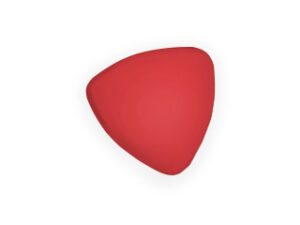

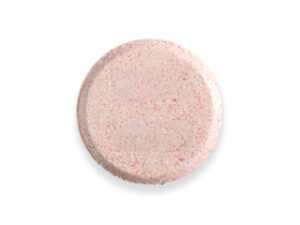

Cialis (Tadalafil) – Patient-Friendly Guide (Australia)
Cialis is a brand of tadalafil, a medicine used to treat erectile dysfunction (ED) and certain urinary symptoms related to benign prostatic hyperplasia (BPH). It belongs to a group of medicines called phosphodiesterase type 5 (PDE5) inhibitors.
This guide explains how Cialis works, how it’s used, what to expect, and key safety information for adults in Australia. Always read the consumer medicine information supplied with your product and speak with a healthcare professional if you have questions.
Basic product information
- Active ingredient: Tadalafil
- Medicine class: PDE5 inhibitor
- Common strengths: 5 mg, 10 mg, 20 mg tablets (strength depends on indication and treatment plan)
- Available formats: Oral tablets
- Uses (main): Erectile dysfunction (ED); urinary symptoms of BPH (depending on regimen)
How Cialis works (mechanism of action)
Tadalafil works by blocking the enzyme PDE5. In the sexual response pathway, sexual stimulation triggers release of nitric oxide, which increases cGMP levels. cGMP relaxes smooth muscle in the penis, improving blood flow and helping you achieve and maintain an erection.
By inhibiting PDE5, tadalafil helps sustain higher cGMP levels for longer, which can improve erectile function. Cialis does not automatically cause an erection—sexual stimulation is still required.
Pharmacokinetics (how tadalafil moves through the body)
Pharmacokinetics describes what the body does with a medicine—absorption, distribution, metabolism, and elimination. While individual responses vary, key points include:
- Absorption: Tadalafil is absorbed after oral dosing.
- Onset: Many people notice effects within about 30 minutes, but timing can vary.
- Duration: Effects may last up to 36 hours (dose- and person-dependent), which is why some regimens are described as “daily” use.
- Metabolism: Primarily metabolised in the liver.
- Elimination: Excreted mainly via faeces and urine (as metabolites).
Because tadalafil lasts a long time in the body, it’s important to follow dosing instructions carefully and avoid doubling doses.
What Cialis is used for (indications)
Cialis is used to treat:
- Erectile dysfunction (ED): Difficulty achieving or maintaining an erection suitable for sexual activity.
- Benign prostatic hyperplasia (BPH) symptoms: Such as urinary frequency, urgency, and weak stream. Depending on local product availability and your treatment plan, tadalafil may be used to improve these lower urinary tract symptoms.
Your exact regimen may differ depending on whether you’re using Cialis for ED, urinary symptoms, or both.
Timing and when to take Cialis
Timing can make a difference, although tadalafil’s long duration means you typically don’t need to “perfect” the moment. Here’s a practical overview:
- Onset: Often within 30–60 minutes for many people.
- Flexibility: Because tadalafil lasts up to 36 hours, you may find it easier to plan around sexual activity.
- Daily regimens: Some patients use a daily low-dose approach for more consistent availability.
Tip for best results
Take Cialis at the time recommended for your regimen, then give it time to work. Plan around how you normally respond to medications, sleep, hydration, and stress—these can affect erectile performance.
Dosing (general information for adults)
Dosing depends on the reason you’re taking Cialis, your response, and how well you tolerate the medicine. Strength and frequency should follow the product instructions supplied by the pharmacy and/or your clinician’s plan.
Common dosing approaches
- As-needed ED treatment: Often starts at a lower strength (e.g., 10 mg) and may be adjusted based on response. Some people use 20 mg depending on tolerance and effectiveness.
- Daily ED treatment: Usually a lower fixed daily dose (commonly 5 mg) to allow more spontaneous sexual activity.
- BPH symptoms (and sometimes combined symptoms): Daily dosing is often used.
Important: Do not exceed the maximum recommended frequency or combine multiple PDE5 inhibitors (for example, sildenafil or vardenafil) with Cialis.
Missed dose (if taking daily)
If you miss a daily dose, take it when you remember unless it is close to your next dose. Do not take double doses to make up for a missed tablet.
Food interactions (including fatty meals)
Tadalafil can be taken with or without food. However, meals—especially very heavy or high-fat meals—may delay onset in some people.
- Light meals: Usually no significant problem.
- Large/high-fat meals: May slow when you feel the effect.
- Grapefruit / grapefruit juice: While grapefruit is more strongly associated with other medicines, if you have a history of interactions or kidney/liver issues, it’s sensible to avoid excessive grapefruit intake and ask a clinician or pharmacist.
If your goal is spontaneity, consider how you respond after different meals and time your dose accordingly.
Alcohol and Cialis: what to know
Alcohol can reduce blood pressure and may worsen erectile performance by affecting nervous system signals and blood flow. When combined with tadalafil, the risk of light-headedness, dizziness, or fainting may increase—especially if you drink heavily.
Practical safety guidance
- Keep alcohol moderate and see how you respond the first time you combine alcohol and Cialis.
- Avoid binge drinking and do not drive if you feel dizzy.
- Be extra cautious if you take medicines that lower blood pressure (see below for interactions).
Medicine interactions (important)
Some medicines can interact with tadalafil and affect safety, including blood pressure effects and medicine levels in the body. Tell your pharmacist or healthcare professional about all medicines you take, including over-the-counter products and herbal supplements.
Nitrates (absolute contraindication)
Do not use Cialis if you take nitrate medicines (often used for chest pain/angina), such as:
- Glyceryl trinitrate (GTN)
- Isosorbide dinitrate
- Isosorbide mononitrate
- “Poppers” containing nitrites (recreational)
Combining nitrates with PDE5 inhibitors can cause a dangerous drop in blood pressure.
Riociguat (absolute contraindication)
Do not combine tadalafil with riociguat (used for certain lung conditions and pulmonary hypertension).
Alpha-blockers for prostate symptoms or blood pressure
If you take an alpha-blocker (e.g., tamsulosin, doxazosin, terazosin), the combination can increase the risk of dizziness or low blood pressure. Your clinician may adjust doses and spacing and monitor you initially.
Blood pressure medicines
Cialis can lower blood pressure modestly. Combining with antihypertensives may enhance effects in some people. Dizziness is a common warning sign—if you feel unwell, sit or lie down and seek medical advice.
Strong CYP3A4 inhibitors and inducers
Tadalafil is metabolised by liver enzymes (notably CYP3A4). Certain medicines can change blood levels:
- Strong inhibitors (may increase tadalafil levels): some antifungals (e.g., ketoconazole), some antibiotics (e.g., clarithromycin), and some antivirals.
- Inducers (may decrease tadalafil levels): some seizure medicines and rifampicin.
If you use these, your dosing may need to be adjusted.
Other ED medicines
Avoid combining Cialis with other PDE5 inhibitors. If you’re considering alternative treatments, discuss timing and switching strategies with a clinician.
Safety profile and side effects
Like all medicines, Cialis can cause side effects. Most are mild to moderate and improve as your body adjusts. Seek urgent medical care if you experience severe symptoms (see “When to get help” below).
Common side effects
- Headache
- Flushing (warmth/redness)
- Indigestion or nausea
- Back pain or muscle aches (more common with tadalafil in some people)
- Dizziness
- Stuffy nose
Less common but important risks
- Low blood pressure symptoms (light-headedness, fainting), especially if combined with alcohol or blood pressure medicines.
- Priapism (a prolonged erection lasting more than 4 hours). This is an emergency.
- Sudden vision or hearing changes (rare; seek urgent attention).
- Allergic reactions (rash, swelling of face/lips, difficulty breathing)—seek immediate help.
When to get medical help immediately
- Erection lasting more than 4 hours
- Severe chest pain, fainting, or symptoms of severe low blood pressure
- Sudden vision loss or severe eye pain
- Sudden hearing loss or ringing with dizziness
- Signs of serious allergic reaction
Practical use tips (to get the best experience)
- Use sexual stimulation: Cialis helps your body respond; it doesn’t create arousal on its own.
- Start low if recommended: If you’re new to PDE5 inhibitors, your clinician/pharmacist may suggest a lower starting strength.
- Don’t overdo timing: Because tadalafil can last long, you often don’t need “last-minute” dosing.
- Stay hydrated: Mild dehydration can worsen fatigue and sometimes affects erectile function.
- Manage stress and sleep: Performance anxiety and poor sleep are common ED triggers.
- Know your health conditions: Heart disease, stroke history, low blood pressure, and severe liver or kidney impairment can affect suitability and dosing.
What to do if it doesn’t work
If Cialis seems ineffective after correct use, it may be due to:
- Incorrect dosing or timing
- Heavy meals delaying onset
- Alcohol or other medicines affecting blood pressure or response
- Underlying conditions (diabetes, hormonal issues, nerve or vascular causes)
- Insufficient sexual stimulation or psychological factors
Avoid repeating doses more frequently than recommended. Discuss next steps with a healthcare professional to adjust dose, change regimen, or explore other treatments.
Alternative options
Cialis (tadalafil) is one option for ED and some urinary symptoms. Depending on your situation, other approaches may be considered:
Other PDE5 inhibitors
- Sildenafil (often shorter acting; commonly taken before sex)
- Vardenafil (timing varies by person)
- Avanafil (often rapid onset for some people)
Non-PDE5 options
- Lifestyle changes: exercise, weight management, smoking cessation, reduced alcohol, stress reduction
- ED counselling/therapy: helpful if anxiety or relationship factors contribute
- Vacuum erection devices (mechanical assistance)
- Penile injections or intraurethral therapy (specialist-based)
If you have urinary symptoms from BPH, discuss whether tadalafil daily dosing is appropriate or if other BPH treatments suit you better.
Market and legal context for Australia (overview)
In Australia, medicines are regulated by the Therapeutic Goods Administration (TGA). Availability and prescribing requirements can vary by product and strength. Many erectile dysfunction medicines are available through pharmacies under appropriate health assessment and supply rules.
Online pharmacies typically provide information to help you confirm suitability, organise appropriate counselling, and arrange safe supply consistent with Australian requirements. Always follow the product packaging instructions and the advice provided when ordering.
Recent guidance (high-level)
Safety guidance internationally and in Australia has consistently emphasised:
- Strict avoidance of nitrates with PDE5 inhibitors
- Assessment of cardiovascular risk and blood pressure status
- Care with alpha-blockers and other blood pressure-lowering medicines
- Monitoring for rare serious adverse effects (priapism, sudden vision/hearing changes)
Because supply pathways can change, the best source of “what’s current” for your specific product is the pharmacy listing, product insert, and local professional guidance.
Delivery and availability (Australia)
Availability may vary by strength and formulation. When purchasing online, your order is typically dispatched from an Australian-licensed supply source. Delivery times can vary depending on location (metro vs regional).
- Processing: Orders may require verification checks.
- Shipping: Standard or express options may be available.
- Packaging: Discreet packaging is commonly used.
- Tracking: Tracking details may be provided where offered.
If you have time-sensitive needs, choose the fastest shipping method available and order early.
Storage and handling
- Store at or below room temperature (follow the label).
- Keep in the original packaging to protect from moisture.
- Keep out of reach of children.
- Do not use tablets past the expiry date.
Summary table (quick reference)
| Category | Key information |
|---|---|
| What it’s for | Erectile dysfunction; and some urinary symptoms related to BPH (daily regimens may apply) |
| Active ingredient | Tadalafil (PDE5 inhibitor) |
| When it starts | Often within ~30–60 minutes (varies) |
| How long it lasts | Up to ~36 hours (dose/person dependent) |
| Food effect | Can be taken with or without food; heavy/high-fat meals may delay onset |
| Alcohol | Can increase dizziness/low blood pressure—avoid heavy drinking |
| Major interactions | Do not combine with nitrates or riociguat; use caution with alpha-blockers and blood pressure medicines |
| Common side effects | Headache, flushing, indigestion, back pain, dizziness |
| Emergency signs | Priapism > 4 hours; sudden vision/hearing changes; severe fainting or allergic reaction |
FAQ
1. How long does Cialis take to work?
Many people notice effects within about 30 minutes, though it can take up to about an hour or more depending on the person and meal size. Because tadalafil lasts a long time, you usually don’t need precise “minute-by-minute” timing.
2. How often can I take Cialis?
Frequency depends on the regimen (as-needed vs daily) and your suitability. Follow the dosing instructions provided with your product and any health advice given at the time of purchase. Do not exceed the maximum recommended frequency.
3. Can I take Cialis with food?
Yes. You can take Cialis with or without food. However, very heavy or high-fat meals may delay when the effect starts.
4. Is Cialis safe with alcohol?
Moderate alcohol may be tolerated by some people, but alcohol can increase the risk of dizziness and low blood pressure. Avoid heavy drinking, and don’t drive if you feel light-headed.
5. Why shouldn’t I take Cialis with nitrates?
Nitrates can cause blood vessels to relax strongly and lower blood pressure. When combined with PDE5 inhibitors, the blood pressure drop can be dangerous. This combination is contraindicated.
6. Can I use Cialis if I have heart problems?
Some people with stable cardiovascular disease may use ED treatments after appropriate medical assessment. Because Cialis can affect blood pressure and sexual activity involves physical exertion, it’s important to discuss heart risk factors with a healthcare professional.
7. What if Cialis doesn’t work for me?
If it doesn’t produce the expected effect, check that the dose and timing are correct and avoid interactions (especially alcohol excess or contraindicated medicines). Underlying health factors such as diabetes, hormonal issues, smoking, and stress can also contribute. A clinician can help adjust the approach.
8. What side effects are most common?
The most common include headache, flushing, indigestion, back pain, and dizziness. If side effects are severe or persistent, seek medical advice.
9. What should I do if I get an erection that won’t go away?
If the erection lasts for more than 4 hours, seek emergency medical help immediately (priapism). Do not wait for it to resolve on its own.
10. Are there alternatives to Cialis?
Yes. Other PDE5 inhibitors, lifestyle approaches, and specialist therapies are available depending on cause and preferences. If urinary symptoms are also present, options for BPH may be considered.
11. How should I store Cialis tablets?
Store at room temperature as directed on the pack, keep in the original packaging, and keep out of reach of children. Check the expiry date before use.
Disclaimer
This information is general and designed to support patient understanding. It does not replace advice from a healthcare professional. If you have concerns about suitability, interactions, or side effects, contact a pharmacist or clinician for personalised guidance.