Androgel® (Testosterone) Topical Gel — Patient Guide (Australia)
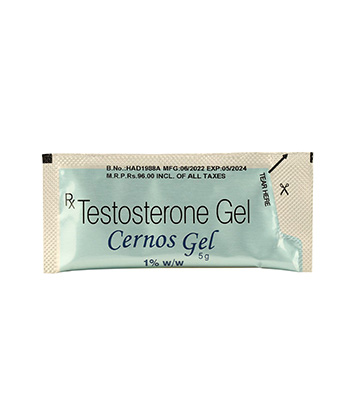
Androgel is a brand of testosterone in a topical gel form. It is used to treat men who have symptoms of testosterone deficiency due to hypogonadism. Because it is applied to the skin, the medicine provides testosterone absorbed through the skin into the bloodstream.
This guide explains how Androgel works, how it is used, typical dosing, timing, safety considerations, and practical tips to reduce common risks—especially transfer of testosterone to others through skin contact.
Basic product information
- Medicine: Testosterone (topical gel), brand example: Androgel®
- Dosage form: Gel applied to skin (usually once daily)
- Common route: Transdermal absorption through intact skin
- Who it’s for: Adult males with clinically diagnosed testosterone deficiency (hypogonadism)
- Key safety issue: Possible transfer of testosterone to another person through skin-to-skin contact
What is testosterone and why it matters?
Testosterone is an androgen hormone produced mainly in the testes. It helps maintain:
- Sexual function (e.g., libido)
- Secondary sex characteristics
- Muscle mass and strength
- Bone density
- Energy levels and mood in some men
- Normal red blood cell production via stimulation of erythropoiesis
Mechanism of action
Androgel delivers testosterone to the body through the skin. Once absorbed, testosterone circulates and affects tissues throughout the body. It acts in two main ways:
- Androgen receptor activity: Testosterone binds to androgen receptors in target tissues, influencing gene expression.
- Conversion to other hormones: Testosterone can be converted to:
- Dihydrotestosterone (DHT) via 5-alpha reductase (important in prostate and hair follicle tissues)
- Estradiol via aromatase (important for bone and other processes)
The result is an increase in circulating androgen levels, which helps relieve symptoms associated with testosterone deficiency.
Pharmacokinetics (how the body handles it)
After applying Androgel to the skin, testosterone is absorbed into the bloodstream. The goal is to produce testosterone levels closer to normal daily levels.
Absorption
- Absorption occurs through the skin into systemic circulation.
- Absorption depends on factors such as skin integrity, application site, and drying time.
- Correct application (intact skin, correct dose, and allowing gel to dry) is important for consistent exposure.
Distribution
- Testosterone circulates in blood, bound to proteins (including sex hormone–binding globulin and albumin).
- Only a portion is “free” testosterone, which can be biologically active.
Metabolism
- Testosterone is metabolised mainly in the liver.
- Metabolites are excreted in urine and faeces.
Elimination
- Testosterone levels decline after the dosing interval; regular daily use helps maintain target levels.
Typical use and indications
Androgel is used in adult men for testosterone deficiency when confirmed by appropriate clinical evaluation and laboratory testing.
Typical reasons for use may include:
- Hypogonadism due to disorders of the testes (primary hypogonadism)
- Hypogonadism due to disorders of the pituitary/hypothalamus (secondary hypogonadism)
- Symptoms such as reduced libido, erectile dysfunction (where appropriate), fatigue, decreased muscle mass, and low bone density, in the presence of confirmed low testosterone
Important: checking before and during treatment
Androgen therapy is usually monitored with clinical review and blood tests. This helps ensure benefits and reduces risk.
- Baseline assessments: Testosterone levels (typically morning samples), full blood count (haemoglobin/haematocrit), and prostate-related evaluation according to age and risk factors.
- During treatment: Follow-up testosterone measurement and monitoring for side effects (e.g., elevated red blood cells).
Dosing (how much and how often)
Dosing depends on your testosterone level, response, and tolerability. Androgel is commonly used once daily. Many patients start at a standard dose and may require dose adjustment to reach target testosterone levels.
General dosing principles
- Once daily application at about the same time each day.
- Adjustment based on labs: Your clinician may increase or decrease the dose according to testosterone results.
- Do not change your dose without medical guidance.
Example dosing approach (for understanding)
Different Androgel products and strengths exist. Your exact dose should follow the product pack instructions and your clinician’s plan. As a patient guide, dosing is often described by the number of sachets/pumps or gel volume per day depending on strength.
| Topic | What to expect |
|---|---|
| Frequency | Usually once daily |
| Starting dose | Often based on baseline testosterone level and symptom severity |
| Dose adjustment | May be adjusted after follow-up testosterone testing and symptom review |
| Application sites | Typically upper arms/shoulders or abdomen as directed by product instructions |
| Missed dose | Follow your clinician’s advice and the product instructions (do not apply extra gel to “catch up” unless told) |
Timing: when to apply Androgel
Androgel is designed for once-daily use. Many men apply the gel in the morning to align with natural testosterone patterns and to help with adherence.
- Choose a time you can keep consistently each day.
- Apply to clean, dry, intact skin.
- Allow the gel to dry fully before covering the area with clothing.
- Avoid swimming or heavy sweating immediately after applying until the gel has dried.
Food interactions
Because Androgel is absorbed through the skin (not taken as a food-consuming medication), food interactions are not typically expected.
However, always keep your overall medication plan up to date. If you are taking other medicines, tell your pharmacist or clinician about all products you use (including supplements), as interactions can occur between testosterone and other drugs indirectly through liver metabolism, blood effects, or underlying conditions.
Alcohol and medicine interactions
Alcohol
Moderate alcohol is not usually described as a direct interaction with Androgel. However:
- Heavy or chronic alcohol use may worsen overall health, affect hormone balance, and contribute to liver stress.
- Alcohol can also influence sleep, energy levels, and sexual function, which may make it harder to judge how well testosterone therapy is working.
If you drink alcohol, consider limiting intake and discuss your pattern with your healthcare provider, especially if you have liver disease or other risk factors.
Medicine interactions
Testosterone therapy can interact with some medicines and can also increase or reduce effects depending on the drug and your health status. Common interaction-related issues include:
- Medicines affecting blood clot risk: Testosterone may change red blood cell production; this can be relevant if you take anticoagulants or have clotting conditions.
- Diabetes medicines: Testosterone may improve insulin sensitivity in some men, potentially affecting blood glucose levels.
- Opiates or corticosteroids: These can influence hormone levels and may affect interpretation of symptoms and lab results.
- Other hormone-related therapies: The combination of testosterone with certain hormonal medications should be carefully managed.
- Corticosteroids: Can affect fluid balance and symptoms; monitor if relevant.
- Lab monitoring interactions: Androgens can affect certain blood parameters (e.g., haemoglobin/haematocrit), which may matter for treatment decisions.
Always review your full medication list with a pharmacist or clinician to ensure safe use together.
How to use Androgel safely (practical use tips)
Correct application is essential for consistent absorption and to reduce the risk of transferring testosterone to others.
Before you apply
- Wash your hands before handling the gel.
- Apply to clean, dry, intact skin (avoid broken, irritated, or newly shaved areas unless instructed otherwise).
- Use the exact dose prescribed.
Where to apply
- Use the application site described in the product instructions (commonly upper arms/shoulders or abdomen depending on the formulation).
- Rotate or follow guidance for consistent application.
How to apply
- Smooth the gel gently into the skin.
- Allow the gel to dry completely.
- Wash your hands thoroughly after application.
- Avoid direct skin-to-skin contact with others until the gel has dried and the area is covered by clothing.
Cover the area
Once the gel has dried, cover the application area with clothing to reduce transfer risk.
Skin contact precautions (very important)
Testosterone can transfer to another person through skin contact, especially if the area is not covered or if the gel has not dried.
- Do not allow others—particularly children and women—to touch the application area while it is still wet or uncovered.
- Keep the area covered with clothing after gel dries.
- If contact is likely, ensure the area is fully covered.
- If someone else touches your application area, they should wash the contacted area with soap and water as soon as possible.
Bathing, swimming, and exercise
- Avoid bathing or showering immediately after application. Follow product instructions for the recommended waiting time.
- Wait until the gel has dried fully before swimming or exercising.
Safety profile: common and serious risks
Like all medicines, Androgel can cause side effects. Many are dose-related and may improve with dose adjustment.
Common side effects
- Skin reactions at the application site: redness, dryness, rash, itching
- Headache or changes in mood
- Acne or oily skin
- Increased libido or, in some, changes in sexual function
- Fluid retention (oedema) in some men
- Gynaecomastia (breast tenderness/enlargement) in some men
Serious risks and when to seek urgent advice
Seek prompt medical attention if you experience serious symptoms. In particular:
- Symptoms of very high red blood cell count: unusual headaches, dizziness, shortness of breath, chest discomfort
- Breathing problems or signs of clot: sudden chest pain, coughing blood, sudden leg swelling (seek emergency care)
- Prostate-related symptoms: difficulty urinating, new urinary retention, or persistent pelvic discomfort—discuss promptly
- Allergic reactions: swelling of face/lips, severe rash, or breathing difficulty
- Yellowing of skin/eyes or severe abdominal pain: possible liver issues—seek urgent care
- Severe worsening mood changes or aggression—seek urgent medical review
- Signs of transfer to others: unusual hair growth, acne, or other androgenic changes in someone who had skin contact (seek medical advice)
Who should use caution?
Testosterone therapy may not be suitable for everyone. Extra caution may be needed if you have:
- Known or suspected prostate or breast cancer
- Severe lower urinary tract symptoms
- High haematocrit (increased risk of thickened blood)
- Significant untreated obstructive sleep apnoea
- Severe heart failure or uncontrolled cardiovascular risk factors
- Liver disease
- High risk of blood clots
Practical considerations before starting
- Confirm the diagnosis: Symptoms alone are not enough; testosterone deficiency should be confirmed.
- Plan monitoring: Blood tests help manage risks and adjust dose.
- Consider family/household context: Skin contact risk is a key factor, especially around children and women who may be exposed through contact.
Recent guidance and monitoring approach in Australia
In Australia, clinical practice commonly follows testosterone replacement therapy principles focused on:
- Diagnosis confirmation with reliable testosterone measurement
- Baseline and ongoing monitoring of testosterone levels and adverse effects
- Assessment of cardiovascular risk, anaemia/erythrocytosis risk, and prostate health in line with local standards
Ongoing guidance and recommendations can evolve as new evidence becomes available. Your clinician will usually follow current professional society guidance and regulatory product information for safe prescribing and monitoring.
Alternative testosterone options
If Androgel is not suitable or if you need a different dosing approach, there are alternative ways to deliver testosterone. Options may include:
- Other topical testosterone gels or different gel strengths
- Testosterone injections (given at intervals; requires clinic or self-administration depending on the product and plan)
- Implants (where applicable; typically longer acting)
- Other testosterone delivery systems (varies by availability)
The “best” option depends on preference, lifestyle, risk factors, skin sensitivity, and how your body responds (including lab results).
Delivery and availability in Australia
Androgel is a prescription medicine in Australia and availability depends on product status, supply conditions, and your eligibility based on assessment by a healthcare professional. Online pharmacies may provide home delivery where permitted by Australian regulations and supplier agreements.
- Home delivery: Typically available in eligible areas.
- Discreet packaging: Many pharmacies offer secure, discreet packaging.
- Stock updates: Availability may vary; delivery timelines can differ.
- Cold chain: Usually not required for topical gels (follow product label/storage instructions).
Check the pharmacy website for current delivery options, estimated dispatch times, and terms.
Market and legal context (Australia)
Testosterone products are regulated medicines in Australia. Use is generally governed by:
- Australian medicines regulation and the product’s approved prescribing and dispensing information.
- Safety requirements including warnings about testosterone transfer and monitoring.
- Healthcare oversight to ensure treatment is appropriate for the underlying cause of testosterone deficiency.
A pharmacist can help you understand safe use, storage, and how to reduce risks. For best outcomes, keep follow-up appointments and complete recommended blood tests.
Storage and handling
- Store according to the product label (commonly at controlled room temperature).
- Keep out of reach of children.
- Do not use after expiry date.
- Do not share your medication with others.
FAQ
1) How quickly will Androgel work?
Some changes may be noticed within weeks, such as libido or energy. Other effects (like muscle strength and bone health) may take longer—often several months. Your clinician will usually check testosterone levels after starting and during dose adjustments.
2) What happens if I miss a dose?
If you miss a dose, follow the product instructions or your clinician’s advice. In general, do not apply extra gel to “catch up” unless specifically directed.
3) Can women or children be exposed to the gel?
Yes, testosterone may transfer through skin contact. That’s why it’s essential to allow the gel to dry fully, cover the area with clothing, and avoid skin-to-skin contact with others—especially women who are pregnant or children—until the application area is fully covered.
4) Are food interactions expected?
Food interactions are not typically expected with transdermal testosterone because absorption occurs through the skin rather than through the digestive system.
5) Can I drink alcohol while using Androgel?
Moderate alcohol is not usually a direct interaction. However, heavy alcohol use can affect overall health and may complicate symptom interpretation. If you have liver disease or other risk factors, discuss alcohol with your healthcare provider.
6) What should I do if the gel gets on someone else?
If another person touches the gel or the application area, they should wash the contacted area with soap and water promptly. If significant exposure occurs or symptoms develop, seek medical advice.
7) Will Androgel affect fertility?
Exogenous testosterone can suppress the body’s natural production of testosterone and sperm in some men. If preserving fertility is important, discuss options with your clinician before starting therapy.
8) Will I need blood tests?
Yes. Monitoring is important to confirm that testosterone levels reach the target range and to check for safety issues (such as increased red blood cell count). Your clinician will advise on the schedule.
9) What signs mean I should contact my doctor urgently?
Seek urgent medical help for severe allergic reactions (swelling of face/lips, breathing difficulty), chest pain, signs of blood clots (e.g., sudden leg swelling), severe shortness of breath, or symptoms suggestive of serious complications. Contact your clinician promptly for persistent urinary symptoms or marked mood changes.
10) Are there alternatives if I get skin irritation?
Skin irritation can occur. If you experience persistent or worsening skin reactions, talk to your clinician. Alternatives may include switching application sites, adjusting dose, changing the product formulation, or considering another testosterone delivery method.
Summary
Androgel is a transdermal testosterone gel used to treat confirmed testosterone deficiency in adult men. It works by increasing testosterone levels absorbed through the skin, with effects on androgen-dependent tissues. Safe use relies on correct daily application, allowing the gel to dry, and preventing transfer to others through skin contact. Regular monitoring through blood tests and clinical review helps manage benefits and risks.