
Acetazolamide (Oral) — Patient Guide (Australia)
Acetazolamide is a medicine used to treat several conditions where changing fluid balance and/or modifying acid–base activity in the body can help. It is used in specific scenarios such as certain types of glaucoma, altitude-related illness prevention, and some forms of fluid retention associated with heart or lung conditions.
This guide explains how acetazolamide works, typical uses, how to take it, important interactions, and practical safety information for people in Australia. If you have any questions about whether it is appropriate for you, speak with a doctor or pharmacist.
Basic product information
| Category | Information |
|---|---|
| Active ingredient | Acetazolamide |
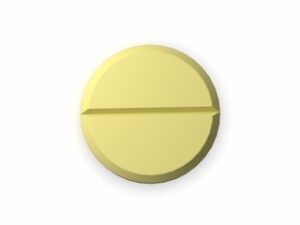
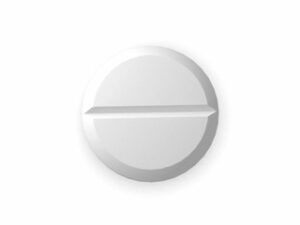
| Medicinal form | Tablet (oral) |
| Common strength examples | Varies by brand (often 250 mg or 500 mg tablets) |
| Therapeutic uses | Glaucoma (selected types), prevention of acute mountain sickness, certain fluid-related conditions |
| How it is taken | By mouth, timing depends on the condition |
| Key side effects | Frequent urination, tingling in hands/feet, taste changes, nausea, drowsiness (in some people) |
How acetazolamide works (mechanism of action)
Acetazolamide is a carbonic anhydrase inhibitor. Carbonic anhydrase is an enzyme involved in balancing acids and bicarbonate in the body and in producing fluid in certain tissues.
By inhibiting this enzyme, acetazolamide:
- Reduces bicarbonate reabsorption in the kidney, causing the body to excrete more bicarbonate, leading to a mild metabolic acidosis.
- Changes fluid movement in tissues, including the eye, where it can lower intraocular pressure in certain types of glaucoma.
- Affects breathing drive through changes in acid–base balance, which can help some people at higher altitudes adapt more comfortably.
In simple terms, acetazolamide helps shift the body’s “fluid and acid balance” in ways that can relieve pressure problems, support breathing at altitude, or reduce certain forms of fluid imbalance.
Pharmacokinetics (how the body processes it)
Pharmacokinetics describes what happens to a medicine in the body—how it is absorbed, distributed, metabolised, and eliminated.
- Absorption: After oral dosing, acetazolamide is absorbed into the bloodstream. Absorption can vary, and consistent timing helps maintain steadier effects.
- Distribution: It spreads through body fluids. It can cross into the eye tissues and contributes to its effect on intraocular pressure.
- Metabolism: Acetazolamide is not extensively metabolised.
- Elimination: Most of the medicine is eliminated via the kidneys, largely unchanged. This is why kidney function matters for safety and dose selection.
- Onset and duration: Effects can begin within hours, but the duration depends on dose and kidney function.
Typical uses and indications
Acetazolamide is used for specific medical indications. Availability and suitability can vary depending on the person and local clinical guidance.
Common indications (depending on clinical assessment)
- Glaucoma (selected types): Used to lower intraocular pressure when appropriate. It may be used alone or as part of combination treatment based on the underlying glaucoma type.
- Prevention of acute mountain sickness (AMS): Used in people travelling to higher altitudes to reduce the risk or severity of symptoms.
- Fluid-related conditions: In some circumstances, it may be used to help manage fluid imbalance, such as certain cases related to congestive heart failure or pulmonary conditions (under clinician guidance).
- Other specialist uses: Occasionally used for certain neurological or metabolic conditions as determined by clinicians.
If you are using it for altitude or glaucoma, your dosing schedule may be different from those used for other conditions. Always follow the plan provided by your health professional.
When to take it: timing and routine
Timing depends on why you’re taking acetazolamide. Many people take it in divided doses during the day to reduce side effects like frequent urination.
General timing tips
- Take at the same times each day if you’re using it long term.
- Avoid late-night doses if it makes you urinate more frequently—ask your pharmacist about best timing for your schedule.
- Consistency matters: If you’re using it for altitude prevention, start early enough to allow the medicine to have effect before reaching altitude.
Altitude (acute mountain sickness) planning
For prevention, acetazolamide is commonly started the day before ascending (timing may vary with the plan you receive) and continues for a short period while you are acclimatising. Because altitude routes vary, confirm the exact start and stop timing with your clinician or pharmacist.
Food interactions
Acetazolamide generally does not have a major “must avoid” food interaction for most people. However, food can affect comfort and tolerability.
- Take with food if it upsets your stomach: Nausea can occur in some people; taking it with meals may help.
- Hydration: Adequate water intake is important, especially if the medicine causes more frequent urination.
- Dietary bicarbonate and acid–base balance: Very unusual diets or significant changes in diet may influence acid–base balance. Let your clinician know if you have dietary restrictions or a medical diet plan.
If you have specific dietary considerations (for example, kidney disease or diabetes), ask your pharmacist for tailored advice.
Alcohol and medicine interactions
Alcohol
Alcohol can worsen dehydration and may increase the likelihood of side effects such as dizziness or drowsiness. If you choose to drink alcohol while taking acetazolamide, do so cautiously and consider avoiding heavy drinking.
Other medicine interactions (common and important)
Acetazolamide can interact with other medicines, especially those affecting electrolytes, kidney function, or acid–base balance. Tell your pharmacist about all medicines you use, including over-the-counter products and supplements.
- Aspirin and related medicines (salicylates): Combined use can increase the risk of metabolic effects.
- Other diuretics (water tablets): May increase electrolyte disturbances (such as low potassium) and increase urination.
- Medicines that affect potassium levels: Since electrolyte imbalance can occur, clinicians may monitor potassium and bicarbonate.
- Antiepileptics (such as topiramate): Using together may increase risk of acidosis or kidney stone-related effects, depending on the regimen.
- High-dose bicarbonate or medicines affecting acid–base balance: These may reduce or alter the expected effect and safety profile.
- Kidney-impacting medicines: Because acetazolamide is cleared by the kidneys, combining with nephrotoxic drugs may be less safe.
If you are on multiple medicines, your pharmacist can review the interaction risks and advise whether monitoring (such as blood tests) is needed.
Dosing: how much is typically used
Dose depends on the indication, your age, kidney function, and how you respond to treatment. The information below is general education only. Your health professional will determine the most appropriate dose and duration for you.
Typical dosing approach (general examples)
- Altitude prevention (AMS): Often started before ascent and continued during acclimatisation. Doses are commonly divided (commonly twice daily), but exact plans vary.
- Glaucoma: Dosing schedules can vary by regimen and glaucoma type, and may involve multiple daily doses.
- Fluid-related conditions: Dose frequency depends on the specific condition and other treatments used.
Practical dosing tips
- Do not change dose without medical advice.
- If you miss a dose: Take it when you remember unless it’s close to the next dose. Do not double up to compensate—ask your pharmacist if unsure.
- Complete the planned course: Especially for altitude prevention. Stopping early may reduce protection.
People with reduced kidney function may require lower doses or different monitoring. If you have kidney disease, discuss this before starting.
Safety profile: side effects and warnings
Like all medicines, acetazolamide can cause side effects. Many are mild and improve as your body adjusts, particularly during short-term use. If you experience severe reactions or symptoms you’re worried about, seek medical advice promptly.
Common side effects
- Tingling or numbness (often in hands/feet)
- Frequent urination
- Taste changes (sometimes described as bitter or metallic taste)
- Nausea or stomach upset
- Fatigue or drowsiness
- Headache (varies; can also be related to altitude, making monitoring important)
Less common but important risks
- Electrolyte disturbances: Low potassium, low sodium, or changes to bicarbonate can occur. Symptoms may include weakness, muscle cramps, abnormal heartbeats, or confusion.
- Kidney stones: Some people may develop kidney stones, particularly with long-term use or dehydration.
- Allergic reactions: Rash, itching, swelling, or breathing difficulties require urgent assessment.
- Severe skin reactions (rare): Seek urgent help if you develop widespread rash, blistering, or peeling skin.
- Blood-related changes (rare): Unusual bruising, infections, or persistent sore throat should be assessed.
- Metabolic acidosis: Acetazolamide can cause mild changes in acid–base balance. Higher risk if you have kidney impairment or certain medical conditions.
Who should take extra care
- Kidney disease or reduced kidney function
- Liver disease or severe medical illness
- Electrolyte imbalances (e.g., low potassium)
- People at risk of dehydration (for example, vomiting/diarrhoea or hot climates)
Pregnancy, breastfeeding, and fertility
Safety in pregnancy and breastfeeding depends on the dose and the reason for treatment. Discuss with your clinician or pharmacist if you are pregnant, trying to conceive, or breastfeeding. For altitude use, planning is especially important—consider discussing alternatives and assessing your risk before travel.
Practical use tips (what helps most)
- Hydrate well: Aim for regular fluid intake unless you’ve been advised to restrict fluids. More frequent urination can increase the risk of dehydration, especially during travel or hot weather.
- Watch for “electrolyte” symptoms: If you experience significant weakness, palpitations, severe cramps, or confusion, get medical advice.
- Manage stomach upset: Taking with food can reduce nausea.
- Expect tingling/taste changes: These can be bothersome but are often not dangerous for mild cases. If symptoms are severe or persistent, speak to a pharmacist.
- Plan around trips: If it increases urination, plan bathroom access. For altitude trekking, consider schedules and water sources carefully.
- Do not mix with new supplements or “detox” products without checking: Some may affect electrolytes or kidneys.
Alternative options
Whether alternatives are available depends on the indication. Your clinician will choose the most suitable approach based on your health profile and the condition being treated.
For altitude-related illness prevention
- Gradual ascent and acclimatisation (key first-line strategy)
- Symptom-based approach with appropriate medical advice
- Other preventive measures may be considered in some cases
For glaucoma management
- Topical (eye drop) therapies are commonly used
- Other systemic options may be considered depending on the glaucoma type
- Procedures might be appropriate for some patients
For fluid-related conditions
- Other diuretics may be used depending on the underlying cause
- Condition-specific treatments (such as managing heart or lung disease) are central to care
If acetazolamide doesn’t suit you due to side effects, interactions, or kidney function, ask your pharmacist or doctor what alternatives are appropriate for your situation.
Acetazolamide in Australia: market and legal context
In Australia, medicines are regulated through the Therapeutic Goods Administration (TGA) and must be supplied according to applicable legislation and scheduling. The availability of acetazolamide through online pharmacies may depend on the medicine’s scheduling category, your eligibility, and the platform’s compliance processes.
Product quality and safety are supported by Australian regulatory standards, including:
- TGA requirements for listed or registered medicines
- Pharmacy verification processes to ensure appropriate supply
- Controlled storage and transport standards where required
If you have questions about eligibility or supply in your state/territory, check with the pharmacy before ordering.
Recent guidance and clinical considerations (high-level)
While specific recommendations can evolve, common contemporary clinical themes include:
- Altitude planning emphasises gradual ascent and risk assessment; medicines like acetazolamide may be used when risk is higher or acclimatisation is limited.
- Monitoring is more important in people with kidney impairment, older age, or long-term use. Clinicians may consider electrolyte and bicarbonate monitoring when appropriate.
- Recognising side effects early helps prevent complications (for example, dehydration, significant electrolyte changes, or allergic reactions).
Your pharmacist can also advise on general best-practice steps for safe use and when to seek urgent care.
Delivery and availability
Online pharmacies in Australia typically offer acetazolamide subject to stock availability, ordering rules, and scheduling requirements. Delivery options may include standard and express shipping within Australia.
What to expect when ordering
- Product availability: Some brands or strengths may be on different stock cycles.
- Shipping: Delivery time depends on your location and selected service.
- Packaging: Medicines are generally dispatched in secure packaging suitable for transport.
- Contact: If any information is needed for safe supply, the pharmacy may contact you.
For the most accurate delivery estimate, check the store’s delivery page during checkout.
FAQ
1. What is acetazolamide used for?
Acetazolamide is used for specific medical conditions including certain types of glaucoma (to help lower eye pressure) and prevention of acute mountain sickness in people travelling to higher altitudes. It may also be used for certain fluid-related conditions when clinically appropriate.
2. How long before altitude should I start?
Many commonly used regimens start the medicine the day before ascent, and continue during the acclimatisation period. Exact timing can vary by travel plans and the clinician’s advice—confirm your schedule with a health professional.
3. Will acetazolamide make me urinate more?
Yes, frequent urination can occur, especially early in treatment. Staying hydrated and avoiding late-night dosing can help.
4. Why do I get tingling in my hands or feet?
Tingling or numbness is a known side effect and may be related to changes in electrolytes (such as carbonic/bicarbonate shifts and potassium levels). If symptoms are severe, worsening, or accompanied by weakness or palpitations, seek medical advice.
5. Can I take acetazolamide with food?
It can generally be taken with or without food. If you experience nausea, taking it with meals may improve tolerability.
6. Is it safe to drink alcohol while taking acetazolamide?
Alcohol may increase dehydration and dizziness and can worsen side effects in some people. If you choose to drink, do so cautiously and avoid heavy alcohol intake. Ask your pharmacist if you’re unsure based on your health status and other medicines.
7. Who should avoid acetazolamide or take extra caution?
People with kidney impairment, significant electrolyte problems, or other serious medical conditions should take extra caution. Allergies to sulfonamide-related medicines may also affect suitability—discuss your history with a pharmacist.
8. What should I do if I miss a dose?
Take it when you remember unless it is close to your next dose. Don’t double up. If you’re unsure, ask your pharmacist for guidance based on your schedule.
9. Are there any lab tests or monitoring required?
Monitoring needs vary by dose, duration, and your health. People on longer courses, older adults, and those with kidney issues may require blood tests to check electrolytes and acid–base balance.
10. What are the signs that I should get urgent medical help?
Seek urgent medical advice if you develop symptoms of a serious allergic reaction (facial swelling, difficulty breathing), severe rash or blistering, persistent vomiting, severe weakness, fainting, or significant confusion.
Important: This information is intended to help you understand acetazolamide and how it is commonly used in Australia. It does not replace advice from your healthcare professional. If you have questions about dosing, suitability, or interactions with your current medicines, speak with a pharmacist.