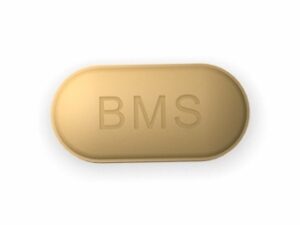
Glyburide (Glibenclamide) — Patient-Friendly Guide (Australia)
Glyburide is a medicine used to help control blood glucose (sugar) in adults with certain types of diabetes. This page explains how it works, how it’s typically taken, what to watch for, and important safety considerations—written in plain English for online pharmacy shoppers in Australia.
Note: Brand names and exact formulations may vary. Always read the consumer medicine information (CMI) supplied with your product and follow the directions given by your healthcare professional.
Basic Product Information
| Item | Details |
|---|---|
| Common name | Glyburide (also known as glibenclamide in some markets) |
| Medicine type | Oral blood glucose-lowering medicine |
| Class | Sulfonylurea |
| How it’s taken | Tablets by mouth |
| Typical use | Type 2 diabetes (as an add-on to diet/exercise) |
| Key risk | Low blood sugar (hypoglycaemia) |
What Is Diabetes and How Glyburide Helps
In type 2 diabetes, the body doesn’t respond as well to insulin (insulin resistance) and may gradually produce less insulin. Glyburide helps your body release more insulin, helping lower blood glucose levels.
Glyburide is intended to be used alongside healthy eating, physical activity, and weight management. For many people, it may be used alone or with other diabetes medicines.
Mechanism of Action (How Glyburide Works)
Glyburide belongs to the class of medicines called sulfonylureas. It works mainly by:
- Stimulating insulin release from pancreatic beta cells by closing ATP-sensitive potassium channels.
- Increasing insulin availability when blood glucose is elevated.
- Reducing blood glucose levels by improving insulin-mediated uptake and use of glucose.
Because it increases insulin release, Glyburide can sometimes cause blood sugar to fall too low, especially if meals are missed, activity levels change, or certain interacting medicines are used.
Pharmacokinetics (Absorption, Distribution, Metabolism, Excretion)
“Pharmacokinetics” describes what the body does to the medicine and what to expect over time. While individual response can vary, the general patterns for glyburide/glibenclamide include:
- Absorption: Typically absorbed after oral dosing. Peak effects occur after the medicine has had time to dissolve and enter the bloodstream.
- Onset: Blood glucose-lowering effects generally begin within hours.
- Duration: Effects may last long enough to influence dosing schedules across the day. Some sulfonylureas have longer action, which can increase the risk of delayed hypoglycaemia.
- Metabolism: Often metabolised in the liver into inactive or less active forms.
- Excretion: Metabolites are removed mainly via the kidneys and/or bile.
Kidney and liver function can influence how long the medicine stays in the body. If you have kidney impairment, older age, or liver problems, extra care is needed because the risk of hypoglycaemia may be higher.
Typical Use in Australia
Glyburide is commonly used for type 2 diabetes when blood glucose is not adequately controlled by lifestyle measures alone (and sometimes alongside other therapies).
Depending on your health profile, clinicians may choose sulfonylureas like glyburide as:
- Monotherapy for some people who can safely take it.
- Add-on therapy when diet, exercise, or other medicines are insufficient.
- A part of a broader plan to reach target HbA1c and reduce complications.
Treatment plans are individual. Your dose may change based on your glucose readings, side effects, and overall risk profile.
Indications (When Glyburide Is Used)
Glyburide is used to improve glycaemic control in adults with type 2 diabetes mellitus. It is not intended for type 1 diabetes or for diabetic ketoacidosis.
Your healthcare professional will consider factors such as:
- Current HbA1c and glucose pattern
- Kidney and liver function
- Age and risk of hypoglycaemia
- Other medicines you take
- Meal regularity and lifestyle
How to Take Glyburide: Timing and Dosing
Always follow the instructions provided with your specific product. The information below is general guidance to help you understand typical dosing concepts.
Typical dosing approach (general)
- Start low: Many people begin with a low dose to reduce the risk of side effects, especially hypoglycaemia.
- Adjust gradually: Doses are often increased slowly if blood glucose remains above target.
- Follow the meal schedule: Glyburide is generally taken with food to lower the risk of low blood sugar.
When to take it
Glyburide is commonly taken with breakfast and/or the evening meal depending on the prescribed dose and how your medicine is formulated.
- If taking once daily, it’s typically taken with your main meal (often breakfast), unless your clinician instructed otherwise.
- If taking twice daily, doses may be split with breakfast and dinner.
Important: Do not skip meals after taking glyburide. Missing food can increase the risk of hypoglycaemia.
Missed dose
- If you miss a dose, take it only if it is close to your next scheduled meal and your clinician/pharmacist has advised you to do so.
- Otherwise, skip the missed dose and return to your regular schedule.
- Avoid taking a double dose to “catch up” unless specifically directed.
Alcohol intake and dosing
Alcohol can affect blood glucose levels and increase hypoglycaemia risk in some people. See the “Alcohol and medicine interactions” section below for more information.
Food Interactions: What to Eat and What to Avoid
Glyburide works best when meals are consistent. The most important food-related issue is the risk of hypoglycaemia when food intake is reduced or delayed.
Key food points
- Take with food: Taking glyburide with meals reduces the risk of low blood sugar compared with taking it on an empty stomach.
- Don’t skip meals: If you miss a meal, hypoglycaemia risk may rise—especially if the timing of tablets remains unchanged.
- Carbohydrate consistency: If you monitor your diabetes with glucose checks, try to maintain a consistent carbohydrate intake pattern.
- Be cautious with fasting: Fasting, very low-calorie diets, or “meal replacement” plans can change glucose control. Discuss these plans with your healthcare professional before making changes.
Glucose monitoring
Your clinician may suggest home glucose monitoring, particularly when starting or adjusting glyburide, during illness, or if you’re experiencing symptoms that could indicate low or high blood sugar.
Alcohol and Medicine Interactions
Alcohol
Alcohol may increase the risk of hypoglycaemia, especially if you drink without eating, after prolonged physical activity, or if you have reduced food intake.
- Avoid binge drinking.
- Prefer moderate intake and take alcohol with food if your clinician has allowed it.
- Be alert for symptoms of low blood sugar—alcohol can mask them.
Medicine interactions
Glyburide can interact with other medicines that affect blood sugar, liver metabolism, or the body’s response to glucose. Interactions can raise the risk of hypoglycaemia or hyperglycaemia.
Always review your current medicines with your pharmacist, especially if you start, stop, or change doses of any of the following commonly interacting categories:
- Other diabetes medicines (e.g., insulin) — may increase hypoglycaemia risk.
- Some antibiotics — may alter glucose control in certain people.
- Antifungal medicines — may affect metabolism.
- Blood pressure medicines — some can influence hypoglycaemia symptoms or glucose control indirectly.
- Non-steroidal anti-inflammatory drugs (NSAIDs) — may affect glucose regulation in some cases.
- Warfarin — interactions are possible; monitoring of INR (where applicable) may be required.
- Corticosteroids — can raise blood glucose levels, potentially reducing glyburide’s effect.
- Diuretics — may affect glucose control and overall metabolism.
- Medicines affecting liver enzymes — can alter how glyburide is processed.
This is not an exhaustive list. If you’d like, tell us which medicines (including supplements and herbal products) you’re considering, and your pharmacist can help check for potential interactions.
Safety Profile: Side Effects and Warnings
Like all medicines, glyburide can cause side effects. Some are common and mild, while others require urgent attention. The most important safety concern is low blood sugar.
Serious risk: Hypoglycaemia (low blood sugar)
Hypoglycaemia may occur if:
- Meals are skipped or delayed
- Dose is too high for your needs
- More exercise than usual occurs
- Alcohol is consumed
- Another interacting medicine is used
- Kidney function is reduced
Common symptoms can include:
- Sweating
- Trembling or shakiness
- Fast heartbeat
- Hunger
- Dizziness or headache
- Confusion or irritability
What to do: If you suspect low blood sugar, treat it promptly according to your diabetes action plan. Typically this involves consuming fast-acting carbohydrate (e.g., glucose tablets or sugary drink) and rechecking if advised. Follow your clinician’s plan.
Other possible side effects
- Nausea or mild stomach upset
- Weight gain (some people experience this with sulfonylureas)
- Headache
- Skin rash (less common)
Less common but important
Seek urgent medical advice if you develop signs of a serious allergic reaction (such as facial swelling, breathing difficulties, or widespread rash), or if you experience severe or repeated hypoglycaemia.
Who should use caution
Extra caution is often required in people who:
- Are older adults
- Have kidney impairment
- Have liver impairment
- Have irregular meals or difficulty recognising symptoms of low blood sugar
- Have a history of frequent hypoglycaemia
Practical Use Tips (Getting the Best Results)
- Keep a consistent routine: Take glyburide with meals and try to keep meal times steady.
- Use glucose checks when starting or adjusting: Monitoring helps fine-tune dose safety and effectiveness.
- Know the early signs of low sugar: Treat quickly—don’t wait for it to “pass.”
- Carry fast sugar: Glucose tablets or a small sugary snack can help if you feel symptoms.
- Tell family and carers: Make sure others know how to help you if you have an episode.
- Plan for illness: When you are unwell, eating may be reduced; glucose may change. Follow your sick-day plan and contact your healthcare professional for advice.
- Review medicines regularly: New prescriptions, antibiotics, or steroid bursts can affect diabetes control.
Special Situations
Illness (sick days)
If you become unwell, you may eat less, vomit, have fever, or experience dehydration. These changes can increase the risk of hypoglycaemia or make blood sugar rise depending on the illness. Contact your healthcare professional for guidance if you have symptoms or if you’re unsure whether to adjust your routine.
Pregnancy and breastfeeding
Glyburide is generally not recommended for use in pregnancy in many standard care pathways. If pregnancy or breastfeeding is possible, discuss safe diabetes options with your healthcare professional promptly.
Driving and operating machinery
If glyburide causes hypoglycaemia symptoms such as dizziness, confusion, or reduced alertness, avoid driving or operating machinery until you know how the medicine affects you.
Alternative Options for Type 2 Diabetes
Depending on your individual health needs, there are several alternative medications used for type 2 diabetes. The “best” option depends on your glucose profile, cardiovascular and kidney health, weight goals, risk of hypoglycaemia, cost, and tolerance.
Common alternative medication classes
- Metformin — often first-line for many people.
- DPP-4 inhibitors (e.g., sitagliptin, vildagliptin) — generally lower hypoglycaemia risk than sulfonylureas.
- SGLT2 inhibitors (e.g., empagliflozin, dapagliflozin) — may offer kidney and heart benefits in appropriate patients.
- GLP-1 receptor agonists (e.g., semaglutide, liraglutide) — often helpful for weight and glucose control.
- Insulin — used in more advanced cases or when other medicines are insufficient.
- Other sulfonylureas (e.g., gliclazide) — similar class, but response and risk can differ.
If you’re considering switching, it’s important that changes are supervised to avoid sudden swings in blood glucose. Dose transitions may require monitoring.
Market and Legal Context for Australia
In Australia, diabetes medicines are supplied under a regulated medicines framework. Availability and brand names depend on pharmaceutical supply, listing status, and product formulation.
Diabetes care is guided by evidence-based clinical pathways and widely used Australian standards. Treatment selection typically balances:
- Glycaemic control (e.g., HbA1c targets)
- Safety (especially hypoglycaemia risk)
- Comorbidities (heart disease, kidney disease)
- Patient preferences (pill burden, weight change, tolerability)
- Cost and access
If you’d like, you can ask your pharmacist about whether Glyburide is suitable for your situation compared with other commonly used options under current Australian care patterns.
Recent Guidance and Evolving Diabetes Practice
Diabetes guidance evolves as new evidence becomes available. In many care models, clinicians increasingly consider medicines that reduce the risk of hypoglycaemia and may offer broader benefits (such as kidney and cardiovascular protection) for suitable patients.
Sulfonylureas like glyburide remain an option in certain cases, but because hypoglycaemia risk can be higher than with some newer classes, clinicians often evaluate:
- Frequency of hypos and ability to recognise symptoms
- Meal regularity and lifestyle
- Age and kidney function
- Whether alternative classes may be safer or more beneficial
Your care plan should reflect the most up-to-date recommendations your healthcare professional follows.
Delivery and Availability (Australia)
Availability of glyburide products can vary depending on supplier and stock levels. When ordered through an online pharmacy, delivery options (standard or express) may depend on your location and the medicine’s packaging and storage requirements.
- Dispatch: Orders are usually dispatched on business days where stock is available.
- Delivery times: Delivery estimates depend on your postcode and selected shipping method.
- Tracking: Many orders include tracking details once dispatched.
- Storage: Store tablets as directed on the packaging (typically at room temperature, away from moisture and heat).
If you need delivery by a specific date (e.g., before you travel), contact customer support early so the team can confirm dispatch timelines.
Glyburide FAQ
1) What is Glyburide used for?
Glyburide is used to help control blood glucose in adults with type 2 diabetes. It works by stimulating insulin release from the pancreas.
2) How soon does Glyburide start working?
Glyburide can start lowering blood glucose within hours of taking a dose. The full effect for overall glucose control is assessed over days to weeks using glucose readings and HbA1c testing.
3) Should I take Glyburide with food?
In general, yes—taking glyburide with meals is commonly recommended to reduce the risk of low blood sugar. Follow your product’s directions and your healthcare professional’s advice.
4) What happens if I miss a meal?
Missing a meal can increase the risk of hypoglycaemia when taking glyburide. If this happens, follow your diabetes action plan. Contact your pharmacist or clinician for personalised guidance.
5) Can I drink alcohol while taking Glyburide?
Alcohol can increase hypoglycaemia risk, particularly if you drink without eating. If alcohol is part of your lifestyle, discuss safe limits with your healthcare professional.
6) What are the symptoms of low blood sugar?
Symptoms can include sweating, shakiness, hunger, dizziness, fast heartbeat, headache, confusion, or irritability. Treat promptly according to your action plan.
7) Are there medicines I should avoid?
Some medicines can change glyburide’s effect or influence blood sugar regulation. Antibiotics, steroids, certain heart or blood pressure medicines, and some anticoagulants are examples where interaction checks may be needed. Ask a pharmacist to review your specific medicine list.
8) Is Glyburide safe for older adults?
It may be used, but extra caution is often needed due to higher risk of hypoglycaemia and possible kidney function changes with age. Doses may need to be lower and monitoring may be more important.
9) What if I get frequent hypos?
Frequent hypoglycaemia is a sign the regimen may need adjustment. Contact your healthcare professional promptly to discuss dose changes or alternative therapies.
10) How do I store Glyburide tablets?
Store tablets according to the instructions on the package. Typically this means keeping them in a dry place at room temperature, with the cap closed and away from direct heat.
Important Reminder
Glyburide can be an effective diabetes medicine, but it must be used carefully because it can cause low blood sugar. If you have symptoms of hypoglycaemia, signs of a serious reaction, or concerns about interactions, seek medical advice. For questions about your dosing routine or how to take it safely with your meals and other medicines, ask your pharmacist.