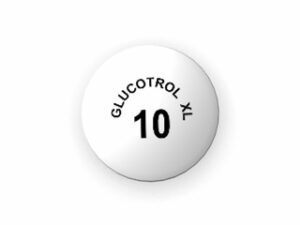
Glipizide (Australia) – Patient Information
Glipizide is a medicine used to help control blood glucose (sugar) in people with type 2 diabetes. It belongs to a group of medicines called sulfonylureas. Glipizide works by increasing the release of insulin from the pancreas, helping lower blood sugar levels.
This guide is designed to be patient-friendly and to help you understand how glipizide works, how to take it safely, and what to watch for. Always follow the advice provided by your healthcare professional and the information on the product label or consumer medicines information leaflet.
Quick facts
- Common use: Type 2 diabetes (as part of a diabetes care plan)
- Medicinal class: Sulfonylurea
- Key benefit: Helps lower blood glucose
- Main risk to know about: Low blood sugar (hypoglycaemia)
- Typical form: Oral tablets (immediate-release or extended-release depending on brand/product)
Basic product information
| Feature | What to expect |
|---|---|
| Generic name | Glipizide |
| Where it fits | For people with type 2 diabetes when blood sugar needs help beyond lifestyle measures |
| How it’s taken | By mouth, usually with meals to reduce the risk of low blood sugar |
| Typical dosing approach | Start low and adjust based on blood glucose results and tolerability |
| Monitoring | Regular blood glucose checks and HbA1c monitoring |
Note: Products may vary by strength and formulation (for example, immediate-release vs extended-release). Your dosing schedule should match your specific product.
How glipizide works (mechanism of action)
Glipizide lowers blood glucose mainly by stimulating the release of insulin from pancreatic beta cells.
- It binds to specific receptors on beta cells that are part of an ATP-sensitive potassium channel system.
- This leads to cell depolarisation and insulin release.
- As a result, blood glucose levels fall—especially after meals.
Because glipizide increases insulin release, the medicine can cause hypoglycaemia, particularly if you:
- Skip meals
- Take the dose but eat significantly less than usual
- Exercise more than planned
- Have kidney impairment or use other medicines that raise hypoglycaemia risk
Pharmacokinetics (how the body handles it)
Pharmacokinetics describes absorption, distribution, metabolism, and elimination.
- Absorption: Glipizide is taken by mouth and is absorbed through the gastrointestinal tract. Food can influence the timing and pattern of glucose control.
- Onset & duration: The glucose-lowering effect typically relates to the formulation and timing with meals. Immediate-release products usually act over the day with meal-related dosing; extended-release products maintain more stable action (depending on product specifics).
- Metabolism: Glipizide is metabolised in the liver. Metabolites are generally less active.
- Elimination: Metabolites are eliminated mainly via the kidneys and/or urine.
Why this matters for safety: Liver or kidney function can affect how the medicine is processed, which may influence hypoglycaemia risk. Your healthcare professional may adjust dose or monitoring frequency accordingly.
Typical use in diabetes care
Glipizide is used to improve blood glucose control in type 2 diabetes. It is often used:
- When lifestyle measures (diet, physical activity, weight management) do not provide sufficient control
- As part of combination therapy with other diabetes medicines if needed
- For some people when they are unable to use certain other medicine classes
Glipizide does not replace healthy eating, exercise, or regular diabetes monitoring. It supports overall diabetes management.
Indications (who it’s for)
Glipizide is indicated for type 2 diabetes to help lower blood glucose in adults. It may be prescribed when beta-cell insulin release can still be stimulated (which is why it is not commonly used for type 1 diabetes).
Your prescriber will consider factors such as:
- Your HbA1c and current blood glucose pattern
- Other health conditions (kidney/liver function, heart disease)
- Risk of hypoglycaemia
- Other medicines you take
- Your meal pattern and ability to consistently eat
Timing: when to take glipizide
Most people take glipizide with meals. This timing is important because insulin release increases after dosing, which can lead to low blood sugar if food is not taken.
- General approach: Take your dose with or shortly before food, depending on your product and prescriber instructions.
- With meals: Many dosing regimens are designed to match the timing of your biggest meals.
- Missed dose: If you miss a dose, do not take an extra dose to “catch up” without advice. Instead, follow your medication plan or ask your pharmacist.
- Consistency: Try to keep dosing and meal timing consistent day to day.
Tip: If your appetite, meal schedule, or work shifts change, talk to your pharmacist or diabetes educator. Adjusting timing can reduce hypoglycaemia risk.
Food interactions and dietary considerations
Glipizide is strongly influenced by food intake.
- Skipping meals or eating very late can increase the chance of hypoglycaemia.
- If you eat less than usual (for example, due to illness or reduced appetite), your risk of low blood sugar may increase.
- Regular carbohydrate intake may help keep blood sugar steadier.
General dietary guidance for diabetes still applies:
- Choose nutritious foods and aim for consistent meal patterns.
- Limit sugary drinks and refined carbohydrates as advised by your diabetes plan.
- Stay physically active in a safe way (but plan for possible blood sugar changes—particularly if you exercise more).
Alcohol and medicine interactions
Alcohol can affect blood glucose and may increase hypoglycaemia risk.
- Alcohol can lower blood sugar, especially if you drink without food.
- Combining alcohol with glipizide increases the risk of low blood sugar during and sometimes after drinking.
- Alcohol can also mask symptoms of hypoglycaemia (like shakiness or sweating).
Practical guidance:
- If you choose to drink alcohol, have it with food and monitor how you feel.
- Avoid binge drinking.
- If you have had hypos before, you may need a more cautious approach—ask your healthcare professional.
Other medicine interactions: Many medicines can affect glucose levels or enhance hypoglycaemia. Tell your healthcare professional and pharmacist about all medicines and supplements you take, including:
- Other diabetes medicines (including insulin)
- Some antibiotics and antifungals
- Certain blood pressure medicines
- Salicylates (aspirin-like medicines) and non-steroidal anti-inflammatory medicines (NSAIDs) may influence glucose
- Medicines that affect liver enzymes
- Medicines that affect appetite or digestion
Your pharmacist can help check for interactions with your current medication list.
Dosing: how glipizide is commonly started and adjusted
Dosing varies by individual response, blood glucose levels, and the specific product formulation. Your healthcare professional will determine the dose that suits you.
- Starting dose: Typically started at a low dose to reduce the risk of hypoglycaemia.
- Titration: The dose may be gradually increased at intervals based on your glucose readings and HbA1c.
- Maximum dose: There is an upper limit depending on the product and local product information.
- Renal considerations: Because metabolites are eliminated via the kidneys, your prescriber may adjust dosing if kidney function is reduced.
- Liver considerations: If liver function is impaired, metabolism may be slower, increasing risk of low blood sugar. Dose may be adjusted.
Important: Always use the dosing plan specifically prescribed for you. Do not change the dose or stop the medicine without medical advice.
Safety profile and side effects
Like all medicines, glipizide can cause side effects. Some are mild and common, while others require urgent attention.
Common side effects
- Hypoglycaemia (low blood sugar) – the most important risk to understand
- Headache or dizziness
- Nausea or stomach upset
- Weight gain (can occur with sulfonylureas, related to insulin effects)
Symptoms of hypoglycaemia
Low blood sugar can come on suddenly. Symptoms may include:
- Shaking, sweating, feeling anxious
- Weakness, dizziness, hunger
- Fast heartbeat, headache
- Confusion, difficulty concentrating
- In severe cases: fainting, seizures, loss of consciousness
What to do if you suspect a hypo:
- Check your blood glucose if possible.
- Take fast-acting sugar (for example, glucose tablets, sugary drink, or honey) according to your diabetes action plan.
- Recheck after about 15 minutes and repeat if still low.
- If severe symptoms occur, seek urgent medical help.
Serious but less common risks
- Severe hypoglycaemia (particularly if meals are missed)
- Allergic reactions (rash, swelling, breathing difficulties)
- Liver problems (rare; report yellowing of skin/eyes or persistent dark urine)
Who should be extra cautious
- Elderly people (hypoglycaemia risk can be higher)
- People with kidney or liver impairment
- People with irregular meal schedules or those who have trouble recognising symptoms of hypoglycaemia
- People taking other medicines that increase hypoglycaemia risk
Practical use tips for daily life
- Take it with food: This is one of the simplest ways to reduce hypoglycaemia risk.
- Keep a routine: If you eat at similar times each day, your blood sugar control is often more predictable.
- Carry something for hypos: Glucose tablets or gel can be useful if you feel symptoms.
- Know the signs: Learn your early warning symptoms and check blood glucose when unsure.
- Review your plan after illness: Vomiting, diarrhoea, fever, or reduced appetite can change glucose levels. Ask your pharmacist or diabetes team what to do with your dose during illness.
- Be careful with increased exercise: Exercise can lower blood glucose. You may need to adjust food intake.
- Don’t double up: If you miss a dose, follow advice from your medication plan rather than taking extra.
Alcohol: additional practical considerations
- Avoid drinking on an empty stomach.
- Have regular carbohydrate-containing snacks as advised.
- Plan for monitoring if you tend to drink frequently or notice symptoms.
- Let friends or family know you’re on a diabetes medicine so they can help if symptoms occur.
Alternative options (other ways to manage type 2 diabetes)
Diabetes treatment is individual. Alternatives to glipizide may include other medicine classes and non-medicine strategies. Your healthcare professional can help select the best option based on your health, HbA1c, weight goals, and risk of hypoglycaemia.
Common alternative medication classes include:
- Metformin: Often first-line due to benefits on insulin sensitivity and weight neutrality for many people.
- DPP-4 inhibitors (e.g., sitagliptin, linagliptin): Generally have a lower hypoglycaemia risk than sulfonylureas.
- SGLT2 inhibitors (e.g., empagliflozin, dapagliflozin): Can help with glucose and may provide heart/kidney benefits for selected patients.
- GLP-1 receptor agonists (injectable): Can support weight loss and glucose control in many people.
- Other sulfonylureas (e.g., gliclazide, glimepiride): Similar class, but dosing schedules differ.
- Insulin: Used when glucose levels are very high or other treatments are insufficient.
It is not always a straight “switch.” Choice depends on your risk profile, affordability, access, and personal preferences.
Market and legal context for Australia
In Australia, medicines like glipizide are regulated under the Australian regulatory framework for prescription and supply. Availability in online pharmacies is managed according to Australian requirements and each medicine’s classification.
Key points for Australian shoppers:
- Online pharmacy supply is handled in line with Australian standards for safe dispensing and patient information.
- People using diabetes medicines should keep their medication details current, including allergies, medical history, and other medicines.
- Many diabetes medicines are supplied with patient information materials and pharmacy advice to support safe use.
Patient safety note: Avoid buying medicines from unregulated sources. Counterfeit or incorrect products can be dangerous and may not control blood glucose reliably.
Recent guidance and evolving diabetes care
Diabetes care guidance in Australia continues to evolve as new evidence becomes available. Current practice often emphasises:
- Individualised treatment choices based on comorbidities (for example, cardiovascular or kidney disease)
- Minimising hypoglycaemia risk where possible
- Supporting patient education on self-monitoring and hypo management
- Using a combination approach when required, rather than relying on one medicine alone
For many people, sulfonylureas are still used when appropriate, but your clinician may consider benefits vs risks compared with other classes, especially for those at higher risk of hypos.
Delivery and availability (online pharmacy)
Glipizide is commonly available through pharmacies that stock diabetes medicines. Delivery availability can vary by location and supplier.
- Availability: Stock can vary; some brands and strengths may be limited at times.
- Delivery times: Delivery timeframes depend on your postcode and dispatch schedules.
- Packaging: Medicines are typically delivered in manufacturer packaging and stored/shipped as required.
Check before ordering: Confirm the strength and formulation (e.g., immediate-release vs extended-release if applicable), and ensure it matches what you were previously advised to take.
How to store glipizide
- Store according to the label instructions (commonly at room temperature, protected from moisture and heat).
- Keep out of reach of children.
- Do not use after the expiry date on the packaging.
FAQ about glipizide
1) What is glipizide used for?
Glipizide is used to help lower blood glucose in type 2 diabetes. It works by increasing insulin release from the pancreas.
2) How soon does glipizide start working?
Glucose-lowering effects typically occur after you take a dose, with timing influenced by the product formulation and when you eat. For exact timing, follow the instructions for your specific glipizide product.
3) Should I take glipizide with food?
In many regimens, yes. Taking glipizide with meals (or as your product instructions specify) helps reduce the risk of low blood sugar.
4) What should I do if I miss a dose?
Do not double the dose. Follow your medication plan or ask your pharmacist for guidance based on your dose schedule and blood glucose readings.
5) Can glipizide cause low blood sugar?
Yes. Hypoglycaemia is the main risk associated with sulfonylureas. It’s more likely if you skip meals, eat less than usual, drink alcohol, or combine with other glucose-lowering medicines.
6) What are the signs of a hypo?
Common signs include shaking, sweating, hunger, dizziness, weakness, confusion, and fast heartbeat. Severe hypos may cause fainting or seizures.
7) Is it safe to drink alcohol while taking glipizide?
Alcohol can increase hypoglycaemia risk. If you drink, do so carefully and usually with food. Avoid binge drinking. If you’ve had hypos before, ask your healthcare professional for tailored advice.
8) Can I take other diabetes medicines with glipizide?
Often yes, but combining diabetes medicines can increase the risk of low blood sugar. Your clinician should tailor the combination and monitoring plan.
9) Are there alternatives if glipizide isn’t suitable?
Yes. Alternatives may include metformin, DPP-4 inhibitors, SGLT2 inhibitors, GLP-1 receptor agonists, or other medicines. The best choice depends on your individual health profile and preferences.
10) When should I seek urgent help?
Seek urgent medical assistance if you have severe hypoglycaemia symptoms (such as fainting, seizures, or inability to swallow), signs of a serious allergic reaction, or signs of significant liver problems.
Final reminders
- Take glipizide as directed and coordinate dosing with meals.
- Know the symptoms of low blood sugar and carry fast-acting sugar if advised.
- Discuss changes to diet, exercise, illness, or other medicines with your pharmacist or healthcare professional.
- For the safest results, keep regular blood glucose and HbA1c monitoring as planned.
If you’d like, tell me the glipizide brand and strength you’re viewing (for example, immediate-release vs extended-release), and I can tailor the timing and dosing section to match that specific product format.