
Rybelsus (Semaglutide) — Patient Information (Australia)
Rybelsus is an oral medicine containing semaglutide, a glucagon-like peptide-1 (GLP-1) receptor agonist. It is used to help improve blood sugar control in adults with type 2 diabetes and, in some patients, to support weight management as part of overall diabetes care.
This information is designed to be easy to read and helpful for everyday use. It does not replace advice from your clinician or pharmacist. If you have questions about whether Rybelsus is right for you, speak with your healthcare team.
Quick Facts
- Medicine: Rybelsus (semaglutide)
- How it’s taken: Once daily by mouth
- Where it works: GLP-1 pathways that influence insulin release, appetite, and glucose production
- Typical benefit: Lowers HbA1c (average blood sugar) and can help with weight
- Key use tip: Take on an empty stomach with a small sip of water and wait before eating
Basic Product Information
Active ingredient: Semaglutide
Dosage strengths (commonly available): 3 mg, 7 mg, and 14 mg tablets
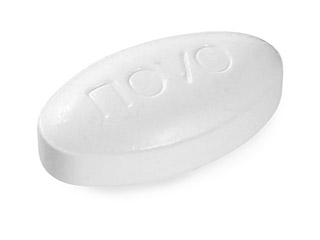
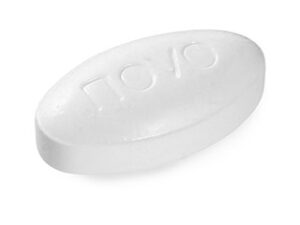
Form: Oral tablet (film-coated)
Brand: Rybelsus
Note: Availability and specific pack sizes can vary by supplier. Always check the label and package insert supplied with your product.
How Rybelsus Works (Mechanism of Action)
Semaglutide is a GLP-1 receptor agonist. In simple terms, it supports healthier blood sugar control through multiple actions:
- Increases insulin release from the pancreas when blood glucose is high.
- Decreases glucagon secretion (glucagon is a hormone that raises blood sugar), especially when glucose levels are high.
- Slows stomach emptying, which can reduce how quickly glucose enters the bloodstream after meals.
- Reduces appetite and can lower calorie intake, which contributes to weight loss in many people.
These combined effects help lower blood glucose and may improve metabolic health over time when used with diet, exercise, and appropriate diabetes care.
Pharmacokinetics (How the Body Handles Semaglutide)
“Pharmacokinetics” describes how the medicine is absorbed, distributed, metabolised, and eliminated.
- Absorption: Oral semaglutide absorption is influenced by timing with food, especially fat and total meal content. This is why the dosing routine is important.
- Peak levels: Semaglutide reaches its maximum concentration after ingestion, but exact timing can vary.
- Half-life: Semaglutide has a long half-life, enabling once-daily dosing.
- Metabolism and elimination: The body breaks down semaglutide; metabolites are cleared mainly through kidneys and liver-related pathways.
Practical takeaway: Because food can reduce absorption, you must follow the recommended dosing instructions carefully to get the expected effect.
What Rybelsus Is Used For (Indications)
In Australia, Rybelsus is used for the treatment of type 2 diabetes mellitus in adults as an adjunct to diet and exercise.
Depending on your overall health and treatment history, your clinician may prescribe Rybelsus:
- To improve glycaemic control when diet and exercise alone are insufficient.
- In combination with other diabetes medicines if additional glucose lowering is needed.
- For patients who require weight management support as part of diabetes care, where appropriate.
Important: Rybelsus is not intended for type 1 diabetes or diabetic ketoacidosis.
Dosing & Timing (How to Take Rybelsus Correctly)
Correct timing is one of the most important factors for Rybelsus effectiveness.
Typical starting and dose escalation
Doses are commonly increased stepwise to improve tolerability and achieve better glucose control.
| Stage | Common dose | When | Goal |
|---|---|---|---|
| Starting dose | 3 mg once daily | Typically for an initial period to help your body adjust | Improve tolerability and establish routine |
| First escalation | 7 mg once daily | After the starting period, if tolerated | Better HbA1c and glucose lowering |
| Possible further escalation | 14 mg once daily | When further improvement is needed and tolerated | Maximise treatment effect |
Your clinician will determine the right dose for you. Do not change your dose without medical advice.
How to take each tablet
- Take Rybelsus once daily at the same time each day if possible.
- On an empty stomach (no food for at least 8 hours before your dose).
- With no more than a small sip of water (follow your product instructions for the correct volume).
- Do not take with more than water.
- Wait at least 30 minutes before eating or drinking anything other than water.
- Swallow the tablet whole (do not crush or chew).
If you miss a dose: Follow the dosing instructions in the product leaflet supplied with your Rybelsus. In general, if it’s close to the next dose, you may be advised to skip the missed dose rather than doubling. Always check the leaflet for the exact guidance.
Food Interactions (Why Timing Matters)
Semaglutide absorption can be reduced by food, especially fat-containing meals. This means that taking Rybelsus incorrectly can lead to lower blood levels and reduced effectiveness.
To get the full benefit:
- Take the tablet before your first meal of the day.
- Keep a consistent schedule.
- Avoid taking it with food or other beverages (such as tea, coffee, juices, milk, or supplements) unless the dosing interval has been followed.
If you have morning routines that vary (shift work, travel, or changing sleep patterns), talk to your pharmacist about the safest timing strategy that still maintains “empty stomach” and waiting time.
Alcohol and Medicine Interactions
Alcohol
- Moderate alcohol can affect blood sugar and can worsen symptoms such as nausea in some people.
- If you drink alcohol, do so carefully and monitor for low or high blood sugar symptoms.
- Alcohol may increase risk of stomach upset—an important consideration because GLP-1 medicines can cause gastrointestinal side effects.
Tip: Consider limiting alcohol intake and avoid binge drinking. Ask your clinician if alcohol is safe for you based on your diabetes control and other health conditions.
Medicine interactions
Rybelsus may interact with other medicines indirectly (for example, because it slows stomach emptying) or directly (through metabolism pathways).
Tell your healthcare team about all medicines and supplements you take, including:
- Insulin and medicines that increase insulin release (such as sulfonylureas) — risk of hypoglycaemia may rise.
- Oral diabetes medicines — dose adjustments may be needed.
- Warfarin (and other medicines requiring careful monitoring) — may need closer blood test monitoring.
- Oral medicines with a narrow therapeutic index — effectiveness may change if stomach emptying is slowed.
- Other medicines that affect digestion or nausea.
Practical takeaway: If you start, stop, or change dose of any medicine, inform your pharmacist or clinician so they can review interactions and adjust monitoring if required.
Typical Use (How Long It Takes to Work)
Rybelsus is generally used as a long-term treatment for type 2 diabetes. Benefits accumulate over time:
- Early effects: Some people notice appetite changes or improvements in glucose soon after starting.
- Glycaemic control: HbA1c reflects average glucose over ~2–3 months, so it may take several weeks to see full improvement.
- Weight effects: Weight loss, if it occurs, typically develops gradually over months.
Do not stop the medicine because you feel better. Continued use is needed to maintain benefits unless advised otherwise.
Safety Profile (Common and Serious Side Effects)
Like all medicines, Rybelsus can cause side effects. Many are related to how the medicine affects the digestive system.
Common side effects
- Nausea
- Diarrhoea
- Vomiting
- Constipation
- Abdominal (stomach) pain
- Decreased appetite
Hypoglycaemia risk
When used alone, hypoglycaemia (low blood sugar) is less common. However, the risk increases when Rybelsus is combined with:
- Insulin
- Sulfonylurea medicines
Symptoms of low blood sugar can include shakiness, sweating, dizziness, hunger, headache, and confusion. If you’re at risk, ask your clinician whether you should check your blood glucose more often at the start or during dose changes.
Seek urgent medical care if
- Severe or persistent vomiting
- Signs of dehydration (e.g., dizziness, fainting, very reduced urine)
- Severe stomach pain (especially if it does not improve)
- Allergic reactions (swelling of face/lips, trouble breathing, widespread rash)
Important: This is not a complete list of side effects. Always refer to the patient information leaflet included with your medicine for full safety details.
Practical Use Tips (Making Treatment Easier)
- Set a daily routine: Choose a consistent time, such as immediately after waking, before breakfast.
- Plan hydration: You may drink water after the 30-minute waiting period. Staying hydrated can help if you experience nausea.
- Manage nausea: Eating smaller, simpler meals later in the day and avoiding very fatty foods can help.
- Keep track during dose changes: Side effects often appear more during dose escalation. Contact your pharmacist if symptoms affect daily life.
- Check diabetes medicines together: If you’re on insulin or sulfonylureas, your doses may need adjustment to reduce hypoglycaemia risk.
- Don’t crush tablets: Swallow whole as directed, which also helps preserve absorption.
Missed Dose Guidance (General Advice)
If you miss a dose, follow the instructions in the provided leaflet. Common principles include:
- If it’s close to the next dose, do not take an extra tablet to “catch up.”
- Resume your regular once-daily schedule at the next planned dose.
If you’ve missed multiple doses or have uncertainty, contact your pharmacist or clinician for tailored advice on how to restart safely.
Alternative Options
Several treatments are available for type 2 diabetes and may be used alone or alongside lifestyle changes. Alternatives depend on your medical history, kidney function, weight goals, and other medications.
Other GLP-1 receptor agonists
- Injectable GLP-1 medicines (some are weekly; some are daily)
- Oral GLP-1 options may vary by availability and indication
Other diabetes medicine classes
- Metformin
- SGLT2 inhibitors (help reduce glucose by increasing urinary glucose excretion)
- DPP-4 inhibitors
- Insulin (when needed for control)
- Sulfonylureas
Choosing an alternative: Your clinician can help weigh benefits and risks such as gastrointestinal side effects, hypoglycaemia risk, kidney considerations, cardiovascular health, and cost.
Market & Legal Context in Australia (General Information)
In Australia, access to medicines such as Rybelsus typically occurs through regulated pharmaceutical channels. Medicines are classified and regulated under Australian medicines law. Pharmacy supply must follow applicable rules for safe distribution.
Patient responsibilities:
- Only use the medicine as directed by your healthcare professional.
- Store tablets as instructed on the label (often at controlled room temperature and away from moisture).
- Report side effects and ongoing symptoms to your pharmacist or clinician.
Availability: Availability can vary by supplier, strength, and prescribing patterns. If your preferred strength is temporarily unavailable, your pharmacist can discuss options such as switching strengths or reviewing your schedule.
Recent Guidance & Ongoing Clinical Considerations
Diabetes management evolves as new evidence and safety guidance emerge. In Australia, recommendations are commonly aligned with guidance from clinical bodies and diabetes treatment standards. Key ongoing themes include:
- Individualised titration: Dose escalation may be adjusted based on tolerability.
- Reducing hypoglycaemia risk: Careful review of insulin/sulfonylurea combinations.
- Monitoring gastrointestinal effects: Addressing nausea, dehydration risk, and nutrition concerns.
- Cardiovascular and kidney considerations: GLP-1 therapies may be considered in appropriate patients depending on overall risk and clinical goals.
Always follow the latest advice from your treating team and refer to the product leaflet for updates specific to Rybelsus.
Delivery & Availability (Online Pharmacy Information)
When ordering online, products may be shipped via standard or express services depending on location and stock. Delivery timelines can vary based on:
- Stock availability of the requested strength and pack size
- Order processing time
- Australian metro vs regional delivery routes
Storage on arrival: Keep the tablets in their original packaging until use, away from heat and moisture. If you notice damage to the packaging or tablets, do not use them—contact the pharmacy.
Availability note: If you need a specific Rybelsus strength (3 mg, 7 mg, or 14 mg) and it is temporarily unavailable, your pharmacist may suggest checking another strength that your clinician has deemed suitable or adjusting your treatment plan.
FAQ
1) What is Rybelsus used for?
Rybelsus (semaglutide) is used in adults with type 2 diabetes to improve blood sugar control as part of diet and exercise. It may also support weight management in many patients as part of comprehensive diabetes care.
2) How do I take Rybelsus?
Take it once daily on an empty stomach with a small sip of water. Wait at least 30 minutes before eating. Keep the routine consistent for best absorption.
3) Can I take Rybelsus with food or coffee?
It should be taken before food. Avoid taking it with coffee or other beverages unless they are plain water and you follow the “empty stomach” and waiting period instructions. Food (especially fatty meals) can reduce absorption.
4) What if I miss a dose?
Check the patient leaflet for specific instructions. In general, do not take an extra dose to make up for a missed one if it’s close to your next scheduled dose.
5) Will Rybelsus cause weight loss?
Many people experience weight reduction, but individual results vary. Changes depend on diet, activity, other medicines, and how your body responds to semaglutide.
6) What side effects are most common?
Common side effects include nausea, diarrhoea, vomiting, constipation, and stomach discomfort. These often improve as your body adjusts to dose titration.
7) Am I at risk of low blood sugar?
Low blood sugar is less common with Rybelsus alone. Risk increases if you take Rybelsus with insulin or sulfonylureas. Discuss monitoring and possible dose adjustments with your clinician.
8) Can I drink alcohol while taking Rybelsus?
Alcohol can affect blood sugar and may worsen stomach-related side effects. If you choose to drink, do so carefully and consider your diabetes control. Ask your clinician for personalised guidance.
9) What medicines might interact with Rybelsus?
Interactions can involve diabetes medicines (to manage hypoglycaemia risk), warfarin (may require monitoring), and other medicines where absorption timing matters. Always tell your pharmacist about all medicines and supplements.
10) What should I do if I feel unwell or can’t keep food down?
If you have severe vomiting, signs of dehydration, or persistent stomach pain, seek medical advice promptly. Dehydration can be more likely if vomiting or diarrhoea is significant.
Important Disclaimer
The information on this page is for general educational purposes and is not a substitute for professional medical advice. If you have questions about your suitability for Rybelsus, your dosing schedule, or how to manage side effects, contact your pharmacist or clinician.