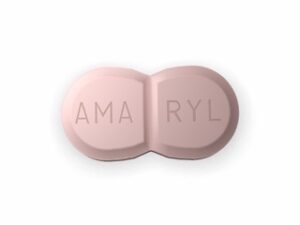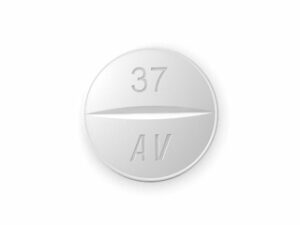


Actoplus Met (Metformin Hydrochloride) — Patient-Friendly Guide (Australia)
Actoplus Met contains metformin hydrochloride. It is a medicine used to help manage blood sugar levels in people with type 2 diabetes. Many people use it as a long-term treatment alongside healthy eating, regular physical activity, and (when appropriate) other diabetes medicines.
This guide is designed to help you understand how Actoplus Met works, how it’s usually taken, key safety information, and practical tips for everyday use in Australia.
1) Basic product information
- Medicine name: Actoplus Met (metformin hydrochloride)
- Active ingredient: Metformin hydrochloride
- Common purpose: Helps lower blood glucose in type 2 diabetes
- Typical availability: Pharmacy supply (varies by brand/pack size)
- Storage: Store below 30°C (check label for exact directions)
Note: Actoplus Met products may come in different strengths and formulations depending on local availability. Always check the pack you receive for the strength and instructions.
2) What does metformin do? (Mechanism of action)
Metformin mainly works by improving how your body handles glucose. It helps reduce the amount of sugar produced and released by the liver and improves insulin sensitivity in muscles, which can lower blood glucose.
Key actions include:
- Reduces liver glucose output: Metformin decreases hepatic glucose production.
- Improves insulin sensitivity: Your body can use insulin more effectively, improving glucose uptake in muscle tissue.
- Helps with glucose control: It can reduce both fasting and after-meal blood sugar levels.
- May support modest weight effects: Metformin is generally weight-neutral or may cause mild weight loss compared with some other diabetes medicines.
Metformin doesn’t typically act like a “quick fix.” Blood sugar improvements often develop over days to weeks, with benefits continuing as part of ongoing diabetes care.
3) Pharmacokinetics (How the body processes it)
While individual responses vary, the main pharmacokinetic features of metformin in general include:
| Topic | Typical behaviour (overview) |
|---|---|
| Absorption | Absorbed from the gastrointestinal tract; absorption may be affected by food and formulation. |
| Time to peak effect | Blood levels typically rise within a few hours after a dose (exact timing depends on formulation). |
| Distribution | Metformin distributes into body tissues; it is not highly protein-bound. |
| Metabolism | Metformin is not extensively metabolised; it is largely unchanged. |
| Elimination | Primarily excreted by the kidneys. Kidney function strongly influences dosing and safety. |
| Half-life | Approximately several hours for immediate-release products (can vary with formulation and kidney function). |
Kidney function matters. Because metformin is removed via the kidneys, dose adjustments and closer monitoring may be required if kidney function is reduced.
4) Typical use in Australia
Actoplus Met is commonly used for type 2 diabetes. It may be prescribed as:
- Monotherapy (medicine alone), especially when diet and exercise are not enough.
- Combination therapy (with other diabetes medicines), such as other oral medicines or insulin, to improve glucose control.
In Australia, diabetes management commonly follows evidence-based guidelines that emphasise individualised care, ongoing lifestyle support, and monitoring of blood glucose and complications.
5) When to take Actoplus Met (Timing and routine)
The most important practical points are consistency and taking doses with food (unless your healthcare professional instructs otherwise).
Typical timing tips:
- With meals: Taking metformin with or after meals can reduce stomach upset such as nausea or diarrhoea.
- Once or twice daily regimens: Many people take it once or twice daily depending on the strength prescribed and their tolerance.
- Gradual dose increases: If starting treatment, doses are often increased stepwise to improve tolerance.
- Missed dose: If you miss a dose, take it when you remember if it’s close to the next scheduled dose. If it’s near the next dose, skip the missed dose. Don’t take double doses.
Practical routine: If you’re taking it twice a day, try to link each dose to breakfast and dinner so it becomes part of your daily habits.
6) Food interactions (What to eat and what to watch)
Metformin has specific interactions with meals mostly related to tolerability.
- Take with food: Taking it with or after meals can improve gastrointestinal side effects.
- Carbohydrate consistency helps overall control: Metformin supports glucose management, but what you eat still affects blood sugar.
- High-glycaemic swings: Large changes in carbohydrate intake may lead to varying blood glucose readings. Aim for stable, balanced meals as recommended for diabetes.
Be aware of dehydration risk: Severe vomiting or diarrhoea can increase dehydration and stress the kidneys, which can raise safety risks related to metformin. See the “Safety profile” section for more on this.
7) Alcohol and medicine interactions
Alcohol can increase the risk of low blood sugar in some contexts and can contribute to lactic acid accumulation risk in certain situations, particularly with heavy or binge drinking or when you’re dehydrated or not eating.
- Limit alcohol: Keep alcohol intake moderate and avoid binge drinking.
- Avoid drinking when unwell: If you have vomiting, diarrhoea, fever, or poor oral intake, avoid alcohol until you’re well.
- Discuss with your pharmacist or doctor: Especially if you drink regularly, have liver problems, or have reduced kidney function.
Other medicine interactions: Metformin can interact with medicines that affect kidney function, blood glucose, or cause dehydration. Always review your full list of medicines with a healthcare professional, including:
- Medicines that affect kidney function (e.g., some blood pressure medicines combined with dehydration risk)
- Diuretics (“water tablets”)
- Some contrast agents used in imaging (iodinated contrast) — see guidance about temporarily withholding in specific settings
- Medicines that affect blood sugar levels (to avoid overly low or unstable glucose)
8) Indications (When Actoplus Met is used)
Actoplus Met (metformin hydrochloride) is indicated for:
- Type 2 diabetes mellitus, to improve blood glucose control in adults (and in some circumstances, other age groups depending on product approval and clinical practice).
It is commonly used when:
- Diet and exercise alone are insufficient
- More than one medicine is needed to meet blood glucose goals
- Insulin is required later but metformin continues to provide benefits in selected patients
9) Dosing (Common dosing approach in plain language)
Dosing is individual. Your prescriber/pharmacist will tailor the dose based on your blood glucose, kidney function, and how your body tolerates metformin.
General approach:
- Start low and increase gradually: This helps reduce common side effects like nausea and diarrhoea.
- Use kidney function to guide safety: Metformin dosing may be adjusted if you have reduced renal function.
- Take with meals: Improves gastrointestinal tolerance.
Typical starting pattern (examples, not personal instructions):
- Often begun with a low dose once daily, then increased after assessing tolerance and blood glucose results.
- Some people may split total daily dose into two administrations to reduce side effects.
Maximum dose: Maximum recommended doses depend on local product information and kidney function. Follow the dose on your label and your healthcare plan.
Kidney monitoring: Kidney function tests (blood creatinine and estimated glomerular filtration rate, eGFR) are typically checked before and during treatment.
10) Safety profile (Common side effects and when to seek help)
Common side effects
- Gastrointestinal upset: nausea, diarrhoea, abdominal discomfort, bloating
- Reduced appetite
- Metallic taste (sometimes)
These are often most noticeable at the start or after dose increases and may improve over time, particularly when doses are taken with food and increased gradually.
Serious but uncommon risks
Lactic acidosis (rare, serious): Metformin is associated with a rare risk of lactic acidosis. The risk is higher in people with severe kidney impairment or situations that cause hypoxia, dehydration, or impaired metabolism.
Seek urgent medical help if you develop symptoms such as:
- Severe weakness or unusual muscle pain
- Rapid or laboured breathing
- Unusual sleepiness or dizziness
- Severe stomach discomfort with vomiting
- Symptoms that occur during severe illness, dehydration, or reduced food intake
Vitamin B12 deficiency (long-term use): Long-term metformin can reduce vitamin B12 levels in some patients. This may lead to anaemia or nerve problems in rare cases. Your healthcare professional may monitor B12 and recommend supplements if needed.
Low blood sugar: Metformin alone usually does not cause hypoglycaemia. However, when combined with other medicines (e.g., insulin or sulfonylureas), hypoglycaemia risk can increase.
When to be extra cautious (temporary “sick day” rules)
During acute illness—especially with fever, vomiting, diarrhoea, or poor fluid intake—metformin may need to be temporarily withheld to reduce risk. A common concept is “sick day management”.
- If you can’t keep fluids down, or you’re severely dehydrated, contact a healthcare professional promptly.
- If you undergo certain imaging tests involving contrast, your doctor may advise temporarily stopping metformin beforehand and after—follow local guidance given for that situation.
11) Practical use tips (How to get the best results)
- Take it consistently: Use the same times daily, and connect doses to meals.
- Start-up comfort: If you’re sensitive to the stomach effects, taking with meals and following gradual dose increases can help.
- Hydration matters: Drink adequate fluids, especially in hot weather or during exercise.
- Monitor your diabetes plan: Continue blood glucose monitoring as recommended. Keep track of HbA1c and check-ups.
- Watch for B12-related symptoms: If you develop numbness/tingling, unusual fatigue, or signs of anaemia, ask your healthcare professional about B12 testing.
- Keep a full medicine list: Include over-the-counter products and supplements for interaction checks.
12) Alternative options
If metformin isn’t suitable (for example, due to intolerance, contraindications, or insufficient glucose control), there are other treatment options for type 2 diabetes. Your choice depends on your health profile, blood sugar targets, weight considerations, kidney function, and cardiovascular risk.
Possible alternatives may include:
- Other oral medicines (depending on eligibility and local guidance)
- Incretin-based therapies (e.g., GLP-1 receptor agonists and related medicines)
- SGLT2 inhibitors (often used in selected patients)
- Insulin (for people who need stronger glucose lowering)
Important: Don’t switch or stop metformin without medical advice—changes should be based on your diabetes plan and monitoring results.
13) Australia market and legal context (overview)
In Australia, diabetes medicines including metformin are supplied through the regulated medicines system. Availability can vary by brand, pack size, and prescribing requirements depending on your situation and the specific product strength.
Key points for shoppers:
- Pharmacy supply: Medicines are typically supplied via authorised pharmacies and are subject to Australian regulatory requirements.
- Safety packaging: Always check the product label, expiry date, and strength.
- Information access: Consumer medicine information (CMI) and product details are available through authorised channels and may be provided with the medicine.
For the most up-to-date product and safety information, refer to the official product documentation and consult a pharmacist.
14) Recent guidance (practical updates and ongoing recommendations)
Across diabetes care in Australia, ongoing guidance commonly emphasises:
- Individualised glycaemic targets and shared decision-making
- Kidney-function-aware use of metformin with periodic monitoring
- “Sick day” awareness for dehydration and acute illness situations
- Recognising and managing vitamin B12 risk with appropriate monitoring
- Care around imaging procedures that involve contrast, where temporary withholding may be advised based on kidney function and risk factors
Because guidance evolves with clinical evidence and regulatory updates, it’s wise to confirm any procedural instructions (e.g., around contrast scans) with your clinician or pharmacist.
15) Delivery and availability (Online pharmacy)
Availability and delivery times can vary by location and stock status. Typical online pharmacy processes include:
- Product selection: Choose the correct strength and quantity listed.
- Order verification: The pharmacy may verify details and compliance before dispatch.
- Dispatch: Orders are usually dispatched within business days, subject to stock and verification.
- Delivery: Delivery options often depend on your postcode and service level.
- Tracking: Many retailers provide tracking updates.
Storage on arrival: Keep the medicine in its original packaging and store as directed on the label.
16) FAQ — Frequently asked questions
How long does it take for Actoplus Met to work?
Many people notice improvements in blood glucose within days, but the full effect—reflected in longer-term measures like HbA1c—often takes several weeks. Results vary by diet, activity, dose, and whether you take it consistently with meals.
Should I take Actoplus Met with food?
Often, yes. Taking metformin with or after meals can reduce stomach upset. Follow the instructions on your label and any advice provided by your healthcare professional.
Will Actoplus Met cause weight gain?
Metformin is generally weight-neutral or may cause modest weight loss in some people. Weight changes differ between individuals.
Can I drink alcohol while taking metformin?
It’s best to limit alcohol. Heavy or binge drinking, especially when you’re not eating well or are dehydrated, may increase risk of complications. If you’re unsure, ask a pharmacist about a safe limit for your situation.
What if I miss a dose?
If you remember soon, take it with your next meal. If it’s close to your next scheduled dose, skip the missed dose. Do not take two doses at once.
Can I take Actoplus Met if I have kidney problems?
Metformin dosing and suitability depend on kidney function. Your doctor or pharmacist will assess eGFR and may adjust your dose or avoid metformin if risk is too high.
Is lactic acidosis something I should worry about?
Lactic acidosis is rare but serious. The risk is higher when kidney function is significantly reduced or during severe illness/dehydration. If you feel unwell, avoid dehydration, and seek urgent medical advice if severe symptoms occur.
Does metformin affect vitamin B12?
Long-term metformin can lower vitamin B12 levels in some people. If you experience symptoms such as fatigue, anaemia, or nerve-related symptoms (tingling/numbness), ask about B12 testing and supplementation.
What other medicines can interact with Actoplus Met?
Tell your pharmacist about all medicines you take, including diuretics, blood pressure medicines, medicines used for imaging contrast, and other diabetes treatments. Interactions may relate to kidney function, blood glucose levels, or dehydration risk.
Can I take metformin during an infection or gastro illness?
If you’re vomiting, have severe diarrhoea, fever, or can’t keep fluids down, contact a healthcare professional for advice. Many people are advised to use “sick day” management strategies to reduce risk.
Is Actoplus Met the only option for type 2 diabetes?
No. If metformin is not sufficient or not tolerated, there are other therapies. Your healthcare team can help choose options that suit your blood sugar goals and health profile.
17) Summary
Actoplus Met (metformin hydrochloride) is a widely used medicine for type 2 diabetes. It helps lower blood glucose mainly by reducing liver glucose production and improving insulin sensitivity. For many people, it’s most tolerable when taken with meals and introduced gradually. Because metformin is cleared through the kidneys, kidney function monitoring and awareness of dehydration during illness are important.
If you have questions about dosing, side effects, or how Actoplus Met fits into your diabetes plan, speak with your pharmacist or healthcare professional.