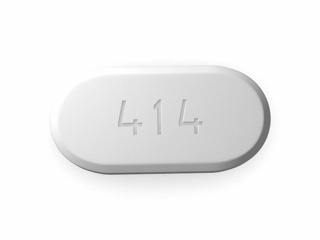
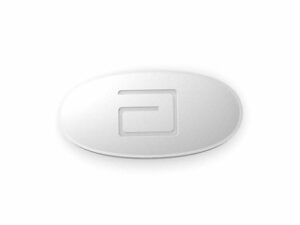
Zetia (Ezetimibe) – Patient-Friendly Medicine Information (Australia)
Zetia is a brand of ezetimibe, a medicine used to help lower cholesterol—especially “bad” LDL cholesterol. It is commonly used alongside healthy lifestyle changes, and in many people it may be combined with other cholesterol-lowering medicines such as statins.
This page is designed to help you understand how Zetia works, how it is usually taken, what to expect, and important safety information. It is general information and does not replace advice from your healthcare professional.
Quick Facts
- Active ingredient: Ezetimibe
- Medicine class: Cholesterol absorption inhibitor
- Common purpose: Lower LDL cholesterol (and total cholesterol)
- How it’s taken: Usually once daily by mouth
- Typical settings: As part of cholesterol management for people at cardiovascular risk
Basic Product Information
| Category | Details |
|---|---|
| Brand name | Zetia |
| Generic name | Ezetimibe |
| What it does | Reduces cholesterol absorption in the small intestine |
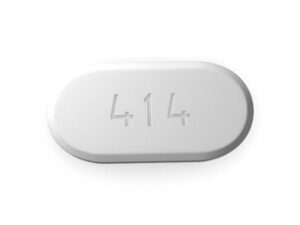
| Typical dosage form | Tablets (strength may vary by local product) |
| Common dose frequency | Once daily |
In Australia, ezetimibe is used as part of cholesterol management under clinical guidance. Availability may vary by strength and prescriber requirements depending on your situation.
How Zetia Works (Mechanism of Action)
Zetia (ezetimibe) works mainly by reducing cholesterol absorption from the small intestine. It targets a protein called the intestinal Niemann–Pick C1-like 1 (NPC1L1) transporter, which helps carry cholesterol into the body.
By blocking this pathway, ezetimibe lowers the amount of cholesterol that enters the bloodstream. Over time, this can lead to lower LDL cholesterol and other cholesterol-related changes.
- Key effect: Less cholesterol absorbed from food and bile
- Result: Lower LDL cholesterol
- Often used with: Statins for additive cholesterol lowering
Pharmacokinetics (How the Body Handles It)
While individual responses vary, the overall pharmacokinetic profile of ezetimibe is well described. After an oral dose, ezetimibe is absorbed and converted mostly to an active metabolite called ezetimibe-glucuronide.
- Absorption: Taken by mouth; absorption can be influenced by meal-related factors (see “Food interactions”).
- Metabolism: Mainly in the liver (conversion to ezetimibe-glucuronide).
- Excretion: Primarily via bile and faeces.
- Onset: Cholesterol changes develop over days to weeks; the full effect is typically assessed after a follow-up period.
If you have liver conditions or take other medicines that affect the liver, your healthcare professional may monitor you more closely.
Typical Uses in Australia
Zetia is used to treat cholesterol problems in adults and, in some cases, adolescents or specific populations depending on local clinical guidance. Common clinical goals include reducing cardiovascular risk by lowering LDL cholesterol.
Typical indications may include:
- Primary hypercholesterolaemia: when LDL cholesterol is high
- Mixed dyslipidaemia: when multiple lipid levels are abnormal
- As an add-on therapy to a statin: if LDL lowering is insufficient with statin alone
- Statin intolerance: in people who cannot tolerate statins (where clinically appropriate)
- Homogeneous familial hypercholesterolaemia: in certain genetic conditions, often as part of a broader treatment plan
The exact use depends on your cholesterol profile, risk factors, other treatments, and your clinician’s assessment.
Timing: When to Take Zetia
Zetia is generally taken once daily. Many people find it easiest to take at the same time every day. Consistency helps you maintain steady levels of the medicine.
- Morning or evening: Either is usually fine unless your healthcare professional advises otherwise.
- If you miss a dose: Take it when you remember on the same day. If it’s close to your next dose, skip the missed dose—don’t double up.
- Duration: It is typically used long term, because cholesterol management is ongoing.
Food Interactions
Zetia can generally be taken with or without food. However, meal-related factors may influence absorption to some extent. To keep your routine simple:
- Choose a consistent approach (with or without food) that suits your lifestyle.
- If you experience stomach upset or notice changes after taking it with meals, speak with your pharmacist or clinician for advice.
Bile acid sequestrants: Some cholesterol medicines can bind substances in the gut, potentially reducing the absorption of other medicines. If you take a bile acid sequestrant, your clinician or pharmacist may recommend spacing the doses apart.
Alcohol Interactions
Zetia is not classically known for dangerous interactions with moderate alcohol. However, alcohol can affect overall cardiovascular health and may worsen lipid levels in some people, especially when consumed heavily.
- Moderate alcohol is usually not a specific contraindication for ezetimibe.
- Heavy or binge drinking can increase health risks and may affect liver function.
- If you have liver disease or elevated liver enzymes, ask your healthcare professional about safe alcohol limits.
As with any medicine, follow personalised advice from your clinician.
Medicine Interactions
Zetia can be used with many common medicines, but some interactions may require monitoring or dose timing adjustments. Always tell your pharmacist or clinician about all medicines you take, including:
- Prescription medicines
- Over-the-counter products
- Herbal supplements (e.g., red yeast rice, St John’s wort)
- Vitamins or mineral supplements
Common interaction themes include:
- Cholesterol-lowering medicines: Zetia is often combined with statins or other therapies for additive effects. Your clinician will tailor the regimen.
- Bile acid sequestrants: May require spacing to avoid reduced absorption.
- Liver-related concerns: If you take medicines that can affect liver enzymes, your clinician may monitor liver function tests.
Statins: When used together, the combination can increase the chance of certain side effects associated with statins (for example, muscle symptoms, depending on the statin chosen). Report new symptoms promptly.
Other medicines: If you are taking anticoagulants (blood thinners), immunosuppressants, or multiple lipid agents, your pharmacist can check for specific compatibility.
Dosing (How to Take Zetia)
Dosing depends on your diagnosis, your other cholesterol treatments, and your health status. For most adults, the typical ezetimibe dose is 10 mg once daily.
- Usual dose: 10 mg by mouth once daily
- With a statin: Often taken once daily in combination regimens
- With other lipid therapies: Your clinician may adjust timing or choose specific combinations
Follow your prescription label instructions and do not change your dose without clinician advice.
Practical Use Tips
- Use a daily routine: Pair your tablet with a consistent habit (e.g., after breakfast or at bedtime).
- Keep the container closed: Store tablets as directed on the pack.
- Don’t skip check-ups: Cholesterol monitoring is important to confirm the medication is working.
- Know what to expect: LDL lowering typically occurs over weeks; results are assessed with blood tests.
- Watch for symptoms: Report persistent muscle pain/weakness, unusual fatigue, or signs of liver problems (see safety profile).
Safety Profile: What to Know
Most people tolerate Zetia well. Side effects vary between individuals and may depend on whether it is used alone or combined with other cholesterol-lowering medicines.
Common or Mild Side Effects
- Headache
- Abdominal discomfort or diarrhoea
- Fatigue
Less Common but Important to Report
- Allergic reactions (e.g., rash, swelling of face/lips, difficulty breathing)
- Liver-related symptoms: yellowing of the eyes/skin, dark urine, severe nausea or persistent upper abdominal pain
- Muscle symptoms (especially if combined with a statin): unexplained muscle pain, tenderness, weakness, or cramps
Who Needs Extra Caution?
- People with a history of liver disease or persistently elevated liver enzymes
- People taking medicines with a higher potential for liver or muscle effects (particularly when combined with statins)
If you experience severe or persistent side effects, seek medical advice promptly.
When Zetia Should Be Used With Caution or Advice
Talk to your clinician/pharmacist before using Zetia if any of the following apply:
- You have known liver problems or abnormal liver tests
- You are pregnant, trying to conceive, or breastfeeding (risk/benefit should be assessed)
- You have previously had a serious allergic reaction to ezetimibe or similar medicines
- You are planning surgery or have a major acute illness and may need temporary medication changes
Alternative Options (If Zetia Isn’t Suitable)
Cholesterol management is personalised. If Zetia is not appropriate for you, your clinician may consider alternatives depending on your cholesterol type and cardiovascular risk.
Medication Alternatives
- Statins (e.g., atorvastatin, rosuvastatin): commonly first-line for LDL lowering
- Other cholesterol absorption inhibitors (in some cases, other agents may be considered—availability varies)
- Bile acid sequestrants: can lower LDL by increasing bile acid excretion (timing may be important)
- PCSK9 inhibitors: injectable options for certain patients at high risk
- Fibrates and omega-3 fatty acids: mainly for triglyceride lowering (where appropriate)
Lifestyle Measures That Support Any Treatment
- Dietary changes (e.g., reducing saturated and trans fats)
- Regular exercise
- Maintaining a healthy weight
- Stopping smoking
- Controlling diabetes and blood pressure if applicable
Your best alternative depends on your current lipid profile, existing medications, and risk factors.
Delivery and Availability in Australia
Zetia (ezetimibe) availability can vary by strength and packaging. Online pharmacies in Australia typically supply stocked medicines or arrange delivery when items are available through their supply chain.
- Delivery: Delivery times vary by location and product availability.
- Packaging: Medicines are dispatched in original packaging where required and as per supply regulations.
- Stock status: If a product is temporarily unavailable, some providers may offer estimated restock timelines.
Before placing an order, check the product page for current stock, estimated delivery, and any identification or dispensing requirements that apply.
Market and Legal Context for Australia (What to Expect)
In Australia, prescription medicines are regulated under the Australian Therapeutic Goods Administration (TGA) framework and distributed through authorised channels. Medicines like ezetimibe are subject to professional and legal safeguards to support safe use.
If you are using an online pharmacy, reputable services follow Australian requirements for pharmacy practice, product authenticity, and appropriate supply processes. Requirements can differ depending on the medicine category and local rules.
Recent Guidance and Clinical Monitoring (High-Level Overview)
Cholesterol management guidelines evolve as new evidence becomes available. In Australia, clinicians typically consider:
- Your overall cardiovascular risk
- Your lipid profile trend (including LDL response)
- Whether a statin is suitable or tolerated
- Whether combination therapy may provide additional LDL reduction
- Monitoring for potential side effects, especially when multiple lipid medicines are used together
Practical monitoring often includes:
- Lipid blood tests: to assess response
- Liver function tests: when clinically indicated (particularly if there are risk factors or symptoms)
- Symptom checks: to identify muscle or liver-related adverse effects early
FAQ – Zetia (Ezetimibe)
1) What is Zetia used for?
Zetia (ezetimibe) is used to help lower LDL cholesterol and total cholesterol. It is often used in people with high cholesterol to reduce cardiovascular risk, either alone or more commonly alongside other cholesterol-lowering medicines.
2) How quickly will Zetia lower my cholesterol?
Cholesterol improvement typically occurs over weeks. Your healthcare provider will schedule blood tests to assess your response and decide whether adjustments are needed.
3) Should I take Zetia with food?
Zetia can usually be taken with or without food. For best routine adherence, take it in the way that you can consistently remember.
4) Can I take Zetia with a statin?
Yes. Zetia is commonly prescribed together with a statin to achieve additional LDL lowering when needed. If you develop muscle pain, weakness, or dark urine, contact your healthcare provider promptly.
5) What if I miss a dose?
If you remember on the same day, take it when you remember. If it is close to the next scheduled dose, skip the missed dose. Do not take double doses to make up for a missed tablet.
6) Are there foods I should avoid?
There are no specific “forbidden” foods with Zetia. However, a heart-healthy diet and reduced saturated fat can improve cholesterol outcomes. If your clinician has given dietary advice, follow it.
7) Does Zetia interact with alcohol?
Zetia is not known for a direct dangerous interaction with moderate alcohol. Still, heavy alcohol use may negatively affect health and potentially liver function. If you have liver concerns, ask your clinician about safe limits.
8) Can I take Zetia if I have liver problems?
You may still be able to take Zetia, but it requires careful assessment and monitoring. If you have liver disease or abnormal liver tests, discuss this with your clinician before starting or while continuing.
9) What side effects should I watch for?
Seek medical advice if you develop symptoms of an allergy (swelling, rash, breathing difficulty), signs of liver problems (yellowing eyes/skin, dark urine), or new unexplained muscle pain/weakness—especially if used with a statin.
10) What are alternative treatments if Zetia doesn’t work for me?
Your clinician may consider adjusting the statin dose, using combination therapy, or choosing other lipid-lowering medicines depending on the type of lipid problem and your cardiovascular risk.
Important Reminder
Cholesterol control is most effective when medicines are combined with lifestyle measures such as a healthy diet, exercise, maintaining a healthy weight, and managing conditions like diabetes and high blood pressure.
If you have questions about whether Zetia is suitable for you, or you notice any concerning symptoms, speak with a qualified healthcare professional.