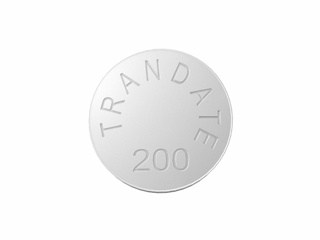

Trandate (Labetalol) — Patient Guide (Australia)
Trandate is a brand of labetalol, a medicine used to treat high blood pressure and certain heart-related conditions. This guide is written to help you understand how Trandate works, how it’s typically used, what to watch for, and what to discuss with your healthcare professional.
Important: Always follow the specific instructions given to you. Your dose may differ depending on your condition, age, other medicines, and how well your blood pressure responds.
Basic product information
| Brand name | Active ingredient | Common strengths (examples) | Medicine type |
|---|---|---|---|
| Trandate | Labetalol | Tablets vary by product/market availability | Beta-blocker with alpha-blocking activity |
How it comes: In Australia, Trandate is commonly supplied as tablets. Some healthcare settings may also use intravenous labetalol for specific situations (e.g., severe blood pressure emergencies in hospital), but tablet guidance is the focus of this patient guide.
Who makes it: The manufacturer may vary by supply arrangements. Your pharmacy label will show the exact product details and expiry date.
How Trandate works (mechanism of action)
Labetalol reduces blood pressure by blocking certain signals in the body:
- Beta (β) receptor blockade: It slows down the effect of adrenaline on the heart, helping reduce heart rate and the heart’s workload.
- Alpha-1 (α1) receptor blockade: It relaxes blood vessels, lowering “peripheral resistance,” which helps blood flow more easily.
Overall effect: Less resistance in the arteries plus a calmer heart results in lower blood pressure. In many people, this reduces symptoms associated with high blood pressure and helps protect the heart, brain, and kidneys over time.
Pharmacokinetics (how your body handles labetalol)
Pharmacokinetics describes what happens after you take a dose—absorption, distribution, metabolism, and elimination.
- Absorption: Labetalol tablets are absorbed from the gut. Peak blood levels typically occur within a few hours after a dose (exact timing can vary by formulation and individual factors).
- Distribution: Labetalol spreads through the body and affects cardiovascular receptors.
- Metabolism: It is metabolised primarily in the liver.
- Elimination: Metabolites and some unchanged drug are cleared mainly through the body’s normal elimination pathways. Individual clearance can vary, especially with liver impairment.
- Half-life: Labetalol does not have a single universal half-life for every patient; dosing schedules are designed to maintain blood pressure control.
Why this matters: Dosing frequency and timing are planned to keep blood pressure stable without causing overly low blood pressure between doses.
Typical uses in Australia
Trandate is used for cardiovascular and blood pressure-related conditions. The exact indication depends on your clinical assessment. Common uses include:
- High blood pressure (hypertension) — to lower blood pressure and reduce long-term cardiovascular risk.
- Certain acute or urgent blood pressure situations — in hospital settings, labetalol may be used under close monitoring.
- Heart-related conditions where beta-blocker therapy is appropriate (your clinician will determine suitability).
Note: The suitability of labetalol depends on your overall medical history (for example, asthma, certain heart conduction problems, or severe heart failure may affect use).
Indications (when it may be recommended)
Your doctor may consider Trandate when you have:
- Persistent hypertension that requires medication to achieve target blood pressure
- Need for a combined alpha and beta blocking effect to lower blood pressure effectively
- Specific clinical scenarios where a beta-blocker is beneficial and alpha-blockade helps further reduce vascular resistance
Important: If you have symptoms such as chest pain, breathlessness, fainting, or severe headache with high blood pressure, seek urgent medical attention rather than adjusting treatment on your own.
How to take Trandate: timing and practical guidance
Follow your prescription instructions and the label directions provided by your pharmacy. General principles below help many people take Trandate safely and effectively.
When to take it
- Consistency helps: Try to take doses at about the same times each day.
- If it’s twice daily: A common approach is morning and evening, roughly 10–12 hours apart (or as directed).
- If it’s more frequent: Space doses evenly through the day unless your clinician advised otherwise.
With or without food
- Many people can take labetalol with or without food.
- If it upsets your stomach, taking it with food may improve comfort.
- Always maintain the same approach from day to day unless your healthcare professional advises changes.
Missed dose
- If you miss a dose, take it when you remember unless it is close to the time for the next dose.
- Do not double up to make up for the missed dose.
- If you are unsure, check with your pharmacist or prescriber.
Dosing: what’s typical and what affects it
Because individual dosing varies, this section provides general information about dose planning rather than a one-size-fits-all regimen.
Typical dosing approach
- Start low, adjust gradually: Many beta-blockers begin at a lower dose to reduce the risk of side effects such as dizziness or low heart rate.
- Titration: Dose may be adjusted based on blood pressure readings, heart rate, and how you feel.
- Maximum dose: There are maximum daily limits; clinicians consider safety when increasing doses.
Factors that change your dose
- Your blood pressure response and target range
- Your heart rate and any ECG (heart tracing) considerations
- Age and overall frailty
- Liver function (labetalol is metabolised in the liver)
- Other medicines (especially those that also lower heart rate or blood pressure)
- Other conditions such as asthma, diabetes, or circulation disorders
Always use the exact schedule on your medicine label. If you think the dose is too high or too low, speak to your pharmacist or prescriber before changing it.
Food interactions
Food interactions depend on how a medicine is absorbed and metabolised. For labetalol, typical advice is:
- Generally: Labetalol can often be taken with or without food.
- If food worsens nausea: take it with meals.
- High consistency: keep your routine steady—avoid major changes in meal timing around doses unless advised.
Caution: Grapefruit and similar foods can affect some medicines, especially those processed by liver enzymes. If you are unsure, ask your pharmacist whether any dietary changes are relevant for your specific product and other medicines.
Alcohol and medicine interactions
Alcohol can lower blood pressure and may increase dizziness or light-headedness when combined with antihypertensive medicines.
- Limit alcohol especially when starting or when your dose is increased.
- Avoid binge drinking: it may cause a stronger blood-pressure drop and worsen faintness or falls risk.
- Driving and operating machinery: be cautious if alcohol and labetalol make you feel drowsy or dizzy.
General medicine interaction caution: Many medicines can increase the chance of low blood pressure or a slower heart rate when used together with beta-blockers.
Interactions with other medicines (key examples)
Always tell your pharmacist about all medicines and supplements you use, including over-the-counter products.
Medicines that may increase the effect on blood pressure/heart rate
- Other blood pressure medicines (e.g., ACE inhibitors, ARBs, diuretics, calcium channel blockers)
- Other beta-blockers or drugs that reduce heart rate
- Some antiarrhythmics that affect heart rhythm/conduction
Medicines that may affect labetalol levels or heart rhythm
- Certain drugs that influence liver metabolism (some antibiotics/antifungals, antivirals, and other agents)
- Medicines that can alter heart rhythm may require monitoring
Diabetes medicines
- Beta-blockers can sometimes mask symptoms of low blood sugar such as rapid heartbeat and tremor.
- People using insulin or blood sugar-lowering medicines may need more frequent glucose monitoring when starting labetalol.
Asthma/COPD medicines
- In some people, beta-blockade can affect response to bronchodilators.
- If you have asthma or wheezing, discuss risk and monitoring with your clinician.
Always check with a pharmacist before starting new medicines (including herbal supplements), particularly during the first weeks of treatment or after dose changes.
Safety profile: side effects and when to seek help
Most people tolerate Trandate well, but like all medicines it can cause side effects. Some are more likely when therapy begins or after dose increases.
Common side effects
- Dizziness or light-headedness (especially when standing up)
- Fatigue or tiredness
- Headache
- Nausea or stomach discomfort
- Slow heart rate (bradycardia)
- Cold extremities (hands/feet)
Less common but important effects
- Worsening breathlessness (particularly in people with asthma)
- Changes in heart rhythm or symptoms such as palpitations with faintness
- Low blood pressure with fainting or near-fainting
- Abnormal liver function tests (your clinician may monitor if indicated)
Seek urgent medical help if you experience
- Fainting or severe dizziness
- Chest pain or severe shortness of breath
- Signs of an allergic reaction (swelling of face/lips, rash, trouble breathing)
- Severe symptoms of slow heart rate (extreme weakness, collapse, confusion)
Do not stop suddenly
Stopping beta-blockers abruptly can lead to worsening blood pressure or other symptoms. If you need to stop or change your medicine, your prescriber will guide a safe plan, usually with gradual reduction.
Practical use tips for day-to-day success
- Monitor blood pressure: Use a home blood pressure monitor if recommended. Record readings (date/time) and bring them to appointments.
- Check your pulse: If your pharmacist or clinician advises it, monitor heart rate. Report consistently low rates or symptoms.
- Stand up slowly: If dizziness happens, rise slowly from sitting/lying positions and stay hydrated.
- Consistency matters: Take doses at the same times daily. Set phone reminders if helpful.
- Keep a medication list: Include prescribed medicines, over-the-counter items, and supplements.
- Plan for sick days: If you’re unwell, dehydrated, or unable to eat/drink, your blood pressure targets and medicine timing may need review.
Alternative options for high blood pressure (Australia)
If Trandate isn’t suitable or doesn’t achieve your target, clinicians may consider other classes of medicines. Choice depends on your health profile, kidney function, other conditions, and side effects.
Common alternative medicine classes
- ACE inhibitors (e.g., perindopril) or ARBs (e.g., losartan)
- Calcium channel blockers (e.g., amlodipine)
- Thiazide-like diuretics (e.g., indapamide)
- Other beta-blockers (selected based on asthma risk, heart rate goals, and tolerability)
Combination therapy: Many people need more than one medicine to reach target blood pressure. Your prescriber may adjust doses or add another agent to improve effectiveness while managing side effects.
Market and legal context in Australia
In Australia, availability of medicines is regulated through the Therapeutic Goods Administration (TGA) and governed by supply categories under the national medicines framework.
- Medicines such as labetalol are provided through regulated channels to ensure safety, appropriate use, and patient access.
- Online pharmacies operate within Australian regulatory requirements for verified medicines supply and dispensing workflows.
- Your pharmacy will ensure you receive the correct product, strength, and quantity, and that any dispensing requirements are met.
Always review the patient information leaflet (if supplied) and the label instructions. If you have questions about suitability or interactions, pharmacists are available to advise.
Recent guidance and monitoring (general updates to expect)
Guidelines for hypertension management are periodically updated by Australian clinical bodies and international organisations. While specific “recent guidance” can vary year to year, the themes typically include:
- Individualised blood pressure targets based on age, cardiovascular risk, and comorbidities.
- Cardiovascular risk reduction as a long-term goal (not just short-term number changes).
- Regular monitoring of blood pressure, heart rate, and side effects after starting or changing therapy.
- Emphasis on adherence and addressing factors that make treatment difficult (e.g., dizziness, cost, complex dosing).
If you’re starting Trandate or changing dose frequency, it’s common to have follow-up blood pressure checks and review for side effects.
Delivery and availability (online pharmacy)
Availability of Trandate can depend on manufacturer supply and packaging sizes. When ordering online, a pharmacy typically:
- Confirms stock and strength before dispatch
- Packages medicines to protect quality during transport
- Provides tracking information (if offered) and delivery estimates
Delivery tips:
- Ensure your contact details are correct for delivery updates.
- If you require signature on delivery, plan to be available or arrange an authorised recipient.
- Store tablets as directed on the label (usually at controlled room temperature, away from moisture and heat).
For the most current stock status and estimated dispatch times, check the product page or contact customer support.
FAQ — Common questions about Trandate (labetalol)
1) What is Trandate used for?
Trandate (labetalol) is used to treat high blood pressure and may be used in specific clinical scenarios where controlling blood pressure and heart workload is important.
2) How long does it take to work?
Many people notice blood pressure changes within hours of a dose, but full therapeutic effect and dose optimisation can take days to weeks. Your clinician will guide follow-up based on your blood pressure readings.
3) Will Trandate cure hypertension?
Trandate controls blood pressure and helps reduce cardiovascular risk, but it usually doesn’t “cure” hypertension. Many people need long-term treatment alongside lifestyle measures.
4) Can I stop taking it if my blood pressure improves?
Do not stop suddenly. If you want to stop or change treatment, discuss it with your healthcare professional. They may reduce the dose gradually or adjust your plan to prevent rebound symptoms.
5) What should I do if I feel dizzy?
Dizziness is common when starting or increasing doses. Sit or lie down, rise slowly, and avoid driving until you know how you respond. If dizziness is severe, frequent, or you faint, contact a healthcare professional promptly.
6) Can I take it with other blood pressure medicines?
Often yes—many treatment plans combine medicines. However, the combination should be carefully managed to avoid excessively low blood pressure or an overly slow heart rate.
7) Does labetalol affect my heart rate?
Yes. Labetalol can lower heart rate. If you notice unusually slow pulse or symptoms like faintness or extreme weakness, seek advice promptly.
8) Is it safe for people with asthma?
Beta-blockers can sometimes worsen asthma symptoms in susceptible individuals. If you have asthma or wheezing, discuss risks and monitoring with your clinician before using labetalol.
9) Can I drink alcohol?
Alcohol may increase dizziness and lower blood pressure. It’s safest to limit alcohol, especially when you’re starting Trandate or after dose increases.
10) Are there any lifestyle changes that help alongside Trandate?
Yes. Lifestyle measures can improve blood pressure control, including reducing salt intake, regular physical activity (as advised), maintaining a healthy weight, limiting alcohol, stopping smoking, and managing stress.
Summary
Trandate (labetalol) is a medicine that lowers blood pressure by combining beta and alpha blocking effects. It’s commonly used for hypertension and selected cardiovascular scenarios. Its success depends on correct dosing, consistent timing, monitoring of blood pressure and pulse, and awareness of possible side effects—especially dizziness, low heart rate, and low blood pressure.
If you have questions about your dose schedule, interactions with other medicines, or how to manage side effects, speak with your pharmacist. They can help you use Trandate safely and effectively in your day-to-day routine.