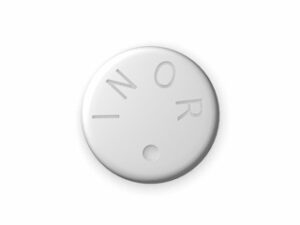

Desogen (Desogestrel / Ethinyl Estradiol) – Patient Guide (Australia)
Desogen is a combined oral contraceptive pill containing desogestrel and ethinyl estradiol. It is used primarily to help prevent pregnancy and can also help with certain menstrual symptoms.
This guide explains how Desogen works, how to take it, what to expect, and key safety information. It is written for general information and does not replace advice from a healthcare professional.
Quick Facts
- Medicine name: Desogen (desogestrel / ethinyl estradiol)
- Type: Combined oral contraceptive (COC)
- How it’s taken: Usually one tablet daily
- Primary use: Contraception (pregnancy prevention)
- Common benefits: More predictable periods, reduced menstrual bleeding and pain for some people
- Key considerations: Blood clot risk, smoking, migraine with aura, and certain medical conditions
Basic Product Information
Desogen contains two hormones:
- Desogestrel (a progestogen)
- Ethinyl estradiol (an oestrogen)
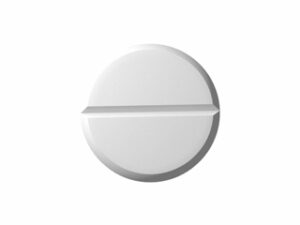
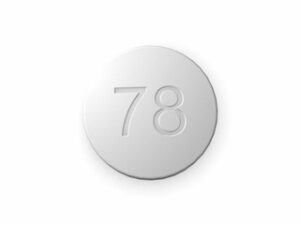
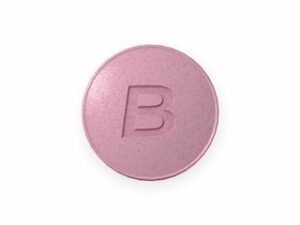
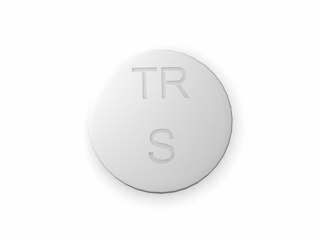
Desogen is supplied in tablet form and is taken as a course over the month, typically following the pack instructions (which may include active and/or placebo tablets depending on the specific pack format).
What does “combined” mean?
“Combined” refers to the presence of both a progestogen and an oestrogen in each tablet (or within the active phase). This combination helps regulate ovulation and cycle control.
How Desogen Works (Mechanism of Action)
Desogen helps prevent pregnancy through multiple mechanisms:
- Stops ovulation (prevents the ovaries from releasing an egg consistently).
- Thickens cervical mucus, making it harder for sperm to enter the uterus.
- Alters the endometrium (the lining of the uterus), making implantation less likely.
Because it works mainly by suppressing ovulation and changing the conditions for fertilisation, taking the tablets regularly is important for effectiveness.
Pharmacokinetics (How the Body Handles the Medicines)
Pharmacokinetics describes how the body absorbs, distributes, metabolises, and eliminates the hormones.
Absorption
- Oral absorption occurs after swallowing.
- While food may slightly affect absorption rates for some medicines, Desogen can be taken with or without food for most people.
Distribution and metabolism
- Both hormones are metabolised primarily in the liver.
- They may bind to plasma proteins and be distributed throughout the body.
Elimination
- Metabolites are cleared through urine and bile pathways.
Important practical point: Medicines that affect liver enzymes can reduce effectiveness or increase side effects.
Typical Use in Australia
Desogen is typically used for:
- Contraception (effective pregnancy prevention when taken correctly)
- Cycle control, including more regular bleeding patterns
- Menstrual symptom relief for some people (for example, reduced bleeding and cramps)
Some individuals also use combined pills for non-contraceptive benefits, but the suitability depends on personal risk factors and medical history.
When to Start and Timing
Your start date can depend on your current contraception, where you are in your menstrual cycle, and any recent pregnancy/termination history. Always follow the instructions in your Desogen pack.
General starting options
- Start on day 1 of your period: You may be protected immediately, depending on the situation and pack instructions.
- Start at other times in your cycle: You may need additional contraception (such as condoms) for a short period.
How to take Desogen
- Take one tablet every day, at roughly the same time.
- If your pack includes inactive/placebo tablets, continue taking the tablets as directed—this helps maintain the routine.
If you forget a dose (important)
Forgotten tablets are one of the most common reasons for reduced contraceptive effectiveness. What you should do depends on:
- How many tablets were missed
- How long ago the last active tablet was taken
- The specific section of the pack (active vs placebo phase)
General guidance: If you miss tablets, take the most recent missed tablet as soon as possible and continue the rest of the pack at the usual time. Use extra contraception (condoms) during the gap and for the recommended period after missed tablets. Check the patient information leaflet in your Desogen box for exact instructions for your pack type.
Food Interactions
For most people, Desogen is not significantly affected by food and can usually be taken with or without meals.
- Vomiting or severe diarrhoea soon after taking your tablet can reduce absorption—this may be treated similarly to a missed pill (follow leaflet advice).
- If you have ongoing digestive illness, consider discussing with a healthcare professional or pharmacist how to manage missed absorption risk.
Alcohol and Medicine Interactions
Alcohol
- Moderate alcohol does not typically directly affect hormone levels in a clinically important way.
- However, heavy drinking may increase the chance of missed doses or vomiting, both of which can reduce effectiveness.
Medicine interactions (very important)
Some medicines can lower the effectiveness of combined oral contraceptives by increasing hormone metabolism in the liver (for example, by inducing certain enzymes). Others can increase hormone levels or change side-effect risk.
Examples of medicines that may interact include (this is not an exhaustive list):
- Anti-epileptics (certain seizure medicines)
- Rifampicin or similar antibiotics used for specific infections
- HIV treatments (some regimens)
- St John’s wort (Hypericum perforatum) (an herbal supplement)
- Some antifungal or antiviral medicines depending on the specific product
What to do:
- Tell your pharmacist or clinician about all medicines you take, including herbal supplements and over-the-counter products.
- If you are prescribed or start an interacting medicine, you may need additional contraception and/or to temporarily change contraceptive method.
Also note that combined pills can sometimes affect levels of other medicines, though this is less commonly a major issue than “enzyme inducer” interactions.
Indications (When Desogen is Used)
Desogen is indicated for:
- Prevention of pregnancy in people who choose to use an oral combined contraceptive
- Management of cycle-related concerns where appropriate
Whether Desogen is suitable depends on individual factors such as age, smoking status, blood pressure, migraines, history of blood clots, and other medical conditions.
Dosing (How Much and How Often)
The dosing is determined by the tablet pack format. Most packs follow a “once daily” schedule.
Typical regimen
- Take 1 tablet daily by mouth, following the pack order.
- Try to take it at the same time each day to maintain consistent hormone levels and reduce missed-dose risk.
Starting and changing contraception
- Switching from another pill, patch, ring, injection, implant, or IUD may require a specific transition plan.
- Your pharmacist can provide step-by-step advice based on what method you are coming from.
Safety Profile and Key Risks
Like all combined oral contraceptives, Desogen can have side effects and carries certain risks. Most people take it without serious complications, but it’s important to understand warning signs.
Common side effects
- Nausea or mild stomach upset
- Breast tenderness
- Headache
- Spotting or breakthrough bleeding, especially in the first few months
- Mood changes
- Changes in libido
Many side effects improve after the first 2–3 months of consistent use.
Serious warning signs (seek urgent medical help)
Stop taking the tablets and seek urgent advice if you experience symptoms that may indicate a blood clot.
- Possible clot in the leg: painful swelling, redness, or warmth in one leg
- Possible clot in the lung: sudden shortness of breath, chest pain, coughing blood
- Possible stroke: sudden weakness or numbness (face/arm/leg), trouble speaking, sudden severe headache, vision changes
- Severe abdominal pain or sudden vision loss
Other urgent symptoms: severe migraine that is new or different from usual, or migraine with aura (visual disturbances) especially if you develop this while on a combined pill.
Who may have higher risk?
Combined pills generally carry a higher risk of blood clots in people with certain factors, such as:
- Smoking (especially age > 35)
- High blood pressure
- Migraine with aura
- Known clotting disorders
- A history of blood clots (personal history)
- Major surgery or long periods of immobility
- Obesity or strong family history of clots
Your prescriber or pharmacist can assess suitability using Australian guidelines and product information.
Breast cancer and other hormone-related concerns
Hormonal contraception has been studied extensively. The overall risk is complex and depends on multiple personal factors. If you have a history of breast cancer, discuss options carefully with a clinician.
Practical Use Tips (Making Desogen Easier to Take)
- Pick a “daily anchor” time (e.g., after breakfast or before bedtime).
- Use reminders on your phone or medication alarm.
- Keep tablets in the original pack to track active vs inactive days.
- If travelling, ensure you have enough tablets for the trip and plan for time zone changes (take at a consistent local routine as best you can).
- Manage vomiting/diarrhoea: if you are unwell soon after taking a tablet, check leaflet guidance about whether that tablet counts.
- Do not skip doses to “catch up”—follow missed-dose instructions instead.
Alternative Options
If Desogen is not suitable or you prefer a different approach, there are other contraceptive options available in Australia.
Hormonal alternatives
- Progestogen-only pill (POP) (different timing rules; depends on the specific pill)
- Contraceptive implant (long-acting)
- Contraceptive injection (long-acting)
- Hormonal IUD (long-acting, releases progestogen locally)
Non-hormonal alternatives
- Copper IUD
- Barrier methods (condoms, diaphragms) – also reduce sexually transmitted infection (STI) risk
If you’re switching methods, timing matters to maintain contraceptive effectiveness. Ask your pharmacist for tailored transition advice.
Market and Legal Context in Australia
In Australia, oral contraceptives containing oestrogens and progestogens are regulated medicines. Desogen is supplied through approved channels, and access may depend on local prescribing and dispensing arrangements.
Key points relevant to Australian customers:
- Brand availability can change over time due to supply, formulation updates, or local distribution decisions.
- Packaging and tablet counts may vary by product presentation—always use the patient information leaflet that comes with your pack.
- Clinical eligibility is determined by medical history, risk factors, and Australian clinical guidance.
Always check current availability and product details from your pharmacy.
Recent Guidance and Updates (How to Stay Current)
Guidance for combined oral contraceptives can evolve as new safety data and clinical recommendations emerge. While the fundamental use and risk principles remain consistent, recommended approaches to:
- risk screening (e.g., clot risk factors),
- migraine criteria,
- missed tablet management, and
- drug interaction advice
may be updated in official Australian resources and product information.
Practical recommendation: Refer to the leaflet in your box for the most accurate missed-dose instructions for your specific pack, and ask your pharmacist if you are starting interacting medicines.
Delivery and Availability (Online Pharmacy)
Desogen may be available online through Australian pharmacies depending on current stock and supplier schedules. When ordering, please:
- Confirm the exact brand and strength shown on the product listing.
- Check pack size and whether it includes active/inactive tablets.
- Allow for delivery timeframes shown at checkout.
Storage: Keep tablets at room temperature, in a dry place, and protect from moisture. Keep out of reach of children.
FAQ – Frequently Asked Questions
1) How effective is Desogen?
Combined oral contraceptives are highly effective when taken correctly every day. Effectiveness drops with missed tablets, vomiting/diarrhoea soon after dosing, or interacting medicines. If you have missed tablets or started an interacting medicine, you may need extra contraception.
2) What should I do if I miss a dose?
Missed-dose instructions depend on your pack type and how many tablets were missed. Follow the guidance in your Desogen patient information leaflet. In general, you should take the most recent missed tablet as soon as possible, continue your normal schedule, and use additional contraception during the risky period.
3) Can I take Desogen with food?
Yes. Desogen is usually taken with or without food. If you vomit soon after taking a tablet or have severe diarrhoea, absorption may be affected—check the leaflet for specific advice.
4) Does alcohol affect Desogen?
Moderate alcohol usually does not directly affect the medicine. However, heavy drinking can lead to missed doses or vomiting, which can reduce effectiveness.
5) What medicines should I avoid or be cautious with?
Some medicines, including certain seizure medicines, rifampicin-type antibiotics, some HIV medications, and herbal supplements like St John’s wort, can reduce effectiveness. Always inform your pharmacist about all medicines and supplements you are taking.
6) Will Desogen regulate my period?
Many people find their bleeding becomes more predictable over time. Breakthrough bleeding (spotting) can occur during the first few months while your body adjusts.
7) Can I use Desogen if I have migraines?
Some people with migraines can use combined pills, but migraine with aura is generally a reason to avoid oestrogen-containing contraceptives due to increased stroke risk. Discuss your migraine type with a pharmacist or clinician.
8) What are the warning signs of a blood clot?
Seek urgent help if you develop one-sided leg swelling or pain, sudden shortness of breath or chest pain, symptoms of stroke (face/arm weakness, trouble speaking), sudden severe headache, or sudden vision changes.
9) How do I stop Desogen?
You can stop taking Desogen whenever you choose, but consider pregnancy intentions and the transition to another method. If you stop, use contraception if you want to avoid pregnancy.
10) Are there alternatives if I cannot take combined pills?
Yes. Options include progestogen-only pills, implants, injections, hormonal or copper IUDs, and non-hormonal methods like condoms. Suitability depends on your health profile and preferences.
Summary
Desogen (desogestrel / ethinyl estradiol) is a combined oral contraceptive used to prevent pregnancy and support cycle control for many people. It works by suppressing ovulation, thickening cervical mucus, and changing the uterine lining. For best results, take one tablet daily at a consistent time and follow missed-dose instructions closely.
If you have concerns about interactions, side effects, or risk factors (such as smoking, migraine with aura, or a history of clots), speak with a pharmacist for tailored guidance. Always use the patient information leaflet in your Desogen pack for the most accurate instructions.
Disclaimer: This information is general and patient-friendly. Product packs can differ; always check the leaflet supplied with your medicine.