Mircette (Desogestrel / Ethinyl estradiol) — Patient Guide (Australia)
Mircette is an oral contraceptive medicine that combines two female hormones: desogestrel (a progestogen) and ethinyl estradiol (an oestrogen). It is used to help prevent pregnancy and may also provide cycle-related benefits. This guide explains how Mircette works, how to use it safely and effectively, what to expect, and when to seek medical advice.
Note: Drug names and formulations can vary by country. In Australia, products may be supplied in specific pack formats. Always check the carton label and patient information leaflet (if supplied) for the exact strength and dosing schedule.
Key Product Information
| Feature | Details |
|---|---|
| Brand name | Mircette |
| Active ingredients | Desogestrel / Ethinyl estradiol |
| Medicine type | Combined oral contraceptive pill (COCP) |
| How it’s taken | By mouth, once daily, at about the same time each day |
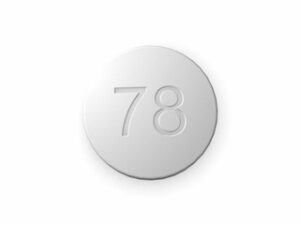
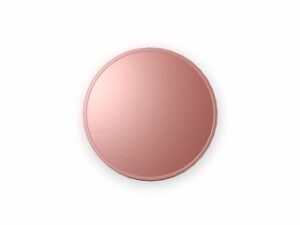
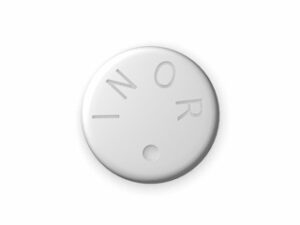
| Common pack pattern | Typically includes active hormone tablets and a short hormone-free interval or inactive pills (pack varies) |
| Primary uses | Contraception; cycle control; may help with acne in some people (as advised by clinician) |
How Mircette Works (Mechanism of Action)
Mircette contains a combination of hormones that prevent pregnancy primarily by:
- Suppressing ovulation (stopping the ovaries from releasing an egg).
- Thickening cervical mucus, making it harder for sperm to pass through the cervix.
- Altering the endometrium (the lining of the uterus), which reduces the likelihood of implantation.
Because oestrogen and progestogen also regulate hormone levels, many people notice more predictable bleeding patterns and reduced cycle-related symptoms.
Pharmacokinetics (How the Body Handles It)
While individual responses vary, the following general patterns are helpful for understanding the medicine:
- Absorption: Ethinyl estradiol and desogestrel are absorbed after oral administration. Peak levels typically occur a few hours after a dose.
- Metabolism: These hormones are metabolised mainly in the liver. Desogestrel is converted into an active metabolite.
- Protein binding: Hormones bind to plasma proteins, which influences how long they circulate.
- Half-life and steady state: Repeated daily dosing helps achieve relatively steady hormone levels.
- Excretion: Metabolites are eliminated through urine and bile/feces after liver processing.
For contraception, what matters most is consistent daily dosing and correct start timing. Missing pills or taking them irregularly may reduce effectiveness.
Typical Use: What Mircette Is Used For
Mircette is primarily used as a combined oral contraceptive. Depending on local guidance and individual suitability, it may also be used for cycle management.
Indications (Commonly Intended Uses)
- Pregnancy prevention (contraception).
- Cycle regulation and more predictable withdrawal bleeds.
- Some hormone-related skin symptoms (benefits vary and are not the same for everyone).
- Management of dysmenorrhoea or other menstrual discomforts may be improved in some users, as advised by a healthcare professional.
Not everyone should use combined pills. Suitability depends on your health history and risk factors. If you have concerns, ask a healthcare professional before starting.
Dosing and Timing: How to Take Mircette
General Dosing Schedule
Mircette is generally taken once daily, following the sequence on the blister pack. Many packs include active tablets and either:
- inactive/placebo tablets, or
- a scheduled hormone-free interval.
The timing and number of active/inactive days can vary by pack. Follow your specific pack instructions carefully.
Choose a Start Method (Common Options)
The correct start depends on where you are in your cycle and whether you are switching from another contraceptive. Common approaches include:
- Starting on Day 1 of your period: Take the first active tablet on the first day of bleeding. This usually provides immediate contraceptive protection.
- Starting early in the cycle: Some people start during days 2–5 of bleeding. Additional protection (e.g., condoms) may be needed for a short time, depending on timing.
- Switching from another hormonal method: Start according to the previous method’s schedule and timing. Often you can start right away, but specific instructions vary.
- After pregnancy: Timing depends on postpartum bleeding, breastfeeding status, and medical advice.
What Time of Day?
- Take your pill at the same time every day.
- If you choose a time that’s easier to remember (e.g., after breakfast or at bedtime), consistency improves.
- If you vomit shortly after taking a pill, consider it a missed pill and refer to the missed-dose guidance below.
Missed Pills (Practical Overview)
Missed-dose rules can differ depending on how many active tablets are missed and where you are in the pack. As a general principle:
- Even one missed active tablet can reduce protection if it leads to delayed hormone coverage.
- More than one missed active tablet increases pregnancy risk, and you may need additional contraception (e.g., condoms) for a period.
- If you miss pills and have unprotected sex, it may be worth discussing emergency contraception options with a healthcare professional or pharmacist.
Please consult the leaflet that comes with your exact Mircette pack for the correct step-by-step instructions. If you’d like, you can tell us your pack type and how many tablets you missed, and we can help you understand the typical approach used in the leaflet.
Food Interactions
Food usually does not significantly affect how combined oral contraceptives work. You can generally take Mircette with or without food.
However, consider the following:
- Vomiting or severe diarrhoea soon after taking a tablet may reduce absorption, making the dose less effective.
- If you have gastrointestinal illness, it’s wise to use extra contraception (such as condoms) while you’re unwell and for a short time after, based on the timing and severity—ask a pharmacist if unsure.
Alcohol and Medicine Interactions
Alcohol
Moderate alcohol intake does not typically make Mircette ineffective by itself. The main concern is indirect:
- Forgetting a tablet after drinking.
- Vomiting after heavy drinking.
- Missing doses due to illness or dehydration.
If you vomit after alcohol, treat it as a missed dose and follow the advice in the pack leaflet.
Medicine Interactions
Some medicines can reduce the effectiveness of combined oral contraceptives by increasing hormone metabolism in the liver. This can increase the chance of pregnancy.
Medicines that may affect Mircette
- Enzyme-inducing medicines (examples include certain antiepileptics and some treatments for tuberculosis).
- Some medicines for HIV and certain antiviral regimens.
- Rifampicin and similar antibiotics (where applicable).
- St John’s wort (herbal remedy) can reduce effectiveness.
- Some antifungal or antibiotic medicines may interact in specific situations (interaction depends on the agent).
Always tell your pharmacist or prescriber about all medicines, including over-the-counter products and herbal supplements. If an interacting medicine is needed, you may require:
- an alternative contraceptive method, and/or
- additional barrier protection during treatment and for a period after.
Laboratory and Medical Considerations
Hormonal contraceptives can sometimes affect certain blood test results. If you’re having blood tests, mention you take a combined pill.
Safety Profile: Who Should Be Cautious?
Like all combined oral contraceptives, Mircette may not be suitable for everyone. Combined pills increase the risk of certain serious conditions, particularly in people with specific risk factors.
Common Side Effects
- Nausea (often improves after the first few cycles)
- Breast tenderness
- Headache
- Changes in mood
- Spotting or irregular bleeding, especially in the first months
- Changes in libido
Many side effects lessen with continued, consistent use. If symptoms are severe or persistent, seek advice.
Serious Warnings (Seek Urgent Medical Help)
Stop the pill and seek urgent medical assistance if you develop signs of a serious clot or other serious adverse effect. Examples include:
- Chest pain, coughing blood, or sudden shortness of breath
- Severe leg pain or swelling (often in one leg)
- Sudden vision changes or loss of vision
- Sudden severe headache, weakness or numbness on one side
- Severe abdominal pain
These symptoms require immediate assessment. Combined oral contraceptives can increase clot risk, especially in people with additional risk factors.
Risk Factors to Discuss
Before using a combined pill, consider discussing the following with a healthcare professional:
- Age (especially if older than 35 years)
- Smoking
- High blood pressure
- Migraine history (especially migraine with aura)
- History of blood clots or stroke
- Known thrombophilia (clotting disorders)
- Severe diabetes with complications
- Obesity
- Post-surgery or prolonged immobilisation
- Breast cancer history
- Liver disease
Practical Use Tips (Getting the Best Results)
- Set a daily reminder (phone alarm, calendar, or reminder app).
- Keep a spare pack in case you run out or travel.
- Use a pill organiser only if your pack instructions allow it. Many people prefer taking directly from the blister pack to avoid confusion.
- Know your “what if” plan for missed pills. Keep the leaflet guidance accessible.
- Track bleeding changes during the first 2–3 packs. Light spotting can be expected initially, but very heavy bleeding should be assessed.
- Consider barrier protection if you miss pills, start late, or are using medicines known to interact.
- Do not rely on timing alone—if you’re unsure whether you missed an active pill, treat it as missed and follow leaflet advice.
Alternative Options (If Mircette Isn’t Suitable)
Several contraceptive options may be suitable depending on your preferences, health history, and treatment goals. Alternatives include:
Hormonal Alternatives
- Progestogen-only pills (POPs) (no oestrogen; timing may be more strict).
- Contraceptive injections.
- Contraceptive implant (long-acting).
- Hormonal IUDs.
- Vaginal ring or other combined methods.
Non-Hormonal Alternatives
- Copper IUD.
- Barrier methods (condoms) and fertility-awareness methods (with varying effectiveness).
Your best option depends on your medical risk factors, convenience, and whether you want non-contraceptive benefits like cycle regulation.
Market and Legal Context for Australia (What to Expect)
In Australia, contraceptive medicines are regulated under the national medicines framework. Consumer access typically depends on the product category and the prescribing requirements in place at the time of supply.
When buying contraception online in Australia, ensure:
- The medicine is supplied by a licensed pharmacy.
- The product matches what you need (strength and pack type).
- You receive appropriate product information and instructions.
- Any required consultations or safety checks are completed according to Australian requirements.
Guidance may evolve over time. Always follow current advice from Australian health authorities and the product’s official patient information materials.
Recent Guidance (General Themes)
In recent years, Australian and international guidance has continued to emphasise:
- Individualised risk assessment before starting combined pills.
- Clear education about clot warning signs.
- Interaction management with enzyme-inducing medicines and herbal products.
- Smoking and migraine considerations for combined hormone use.
If you’re starting or restarting Mircette, it’s reasonable to review your risk factors with a clinician or pharmacist.
Delivery and Availability (Australia)
Availability can vary by brand supply and local distribution. Many pharmacies can arrange delivery within Australia. Delivery speed, costs, and tracking may depend on your location and the courier service.
- Dispatch times: Typically occur on business days after verification and payment.
- Tracking: Many orders include tracking for visibility.
- Packaging: Medicines are generally supplied in secure, tamper-evident packaging.
- Cold chain: Most oral contraceptives do not require refrigeration, but always check product storage directions.
If you need it by a certain date (e.g., to avoid missing tablets), order early and consider extra buffer time.
Storage and Handling
- Store at room temperature away from direct sunlight.
- Keep the medicine in the original packaging to protect it from moisture.
- Keep out of reach of children.
- Do not use after the expiry date printed on the pack.
FAQ — Mircette (Desogestrel / Ethinyl estradiol)
1) How effective is Mircette?
Effectiveness is highest when tablets are taken correctly every day. Real-world effectiveness depends on adherence and interactions (including missed pills and interacting medications). If you have missed tablets or are taking an interacting medicine, effectiveness may be reduced—use additional contraception and follow the leaflet guidance.
2) Can I start Mircette at any time?
Many people can start within the right time window, but the level of immediate protection depends on the day of the cycle and your prior contraception. If you start outside Day 1 of bleeding, you may need extra contraception for a short period. Check the specific pack leaflet for instructions or ask a pharmacist for advice based on your timing.
3) What should I do if I forget a dose?
The correct action depends on how many active tablets are missed and where you are in the pack. Follow the missed-dose table in the pack leaflet. In general, if you miss pills, use barrier contraception until you have taken active tablets consistently again for the advised period.
4) Will Mircette stop periods completely?
Usually, combined pills cause a predictable withdrawal bleed during the placebo/inactive phase. Some people may have lighter bleeding or occasional spotting, especially in the first cycles. If you miss a withdrawal bleed entirely, follow the pregnancy check advice in the leaflet or consult a healthcare professional if unsure.
5) Can I take Mircette with other medicines?
Some medicines can reduce contraceptive effectiveness, including enzyme-inducing medicines and certain herbal products (like St John’s wort). Tell your pharmacist about all medicines and supplements to check for interactions.
6) Does alcohol affect Mircette?
Moderate alcohol typically does not directly interfere. The main issue is forgetting pills or vomiting after heavy drinking. If vomiting occurs soon after taking a tablet, treat that dose as missed and follow the leaflet guidance.
7) What side effects are normal at the start?
Mild nausea, breast tenderness, headaches, and spotting can happen during the first few months as your body adjusts. If symptoms are severe, worsening, or you develop warning signs of a serious condition (such as chest pain, shortness of breath, severe leg pain, or sudden neurologic symptoms), seek urgent medical help.
8) Who should not use combined oral contraceptives?
Combined pills may not be suitable if you have certain conditions (for example, a history of blood clots, uncontrolled high blood pressure, migraine with aura, significant liver disease, or you smoke and are older than a certain age). A pharmacist or clinician can help check suitability based on your medical history.
9) Can Mircette help with acne?
Some combined pills may improve acne in some people. Whether Mircette is appropriate for acne treatment depends on your situation and response. Discuss expectations and timelines with a healthcare professional.
10) How long does it take to start working?
If you start at the correct time in your menstrual cycle, it can work immediately. If started later, you may need additional contraception for a short period. The leaflet and pharmacist advice for your start date will guide this.
11) What if I have diarrhoea or vomiting?
If severe diarrhoea or vomiting happens soon after taking your tablet, absorption may be reduced. Treat it as a missed dose and use additional contraception for the period advised in the leaflet or by your pharmacist.
12) Can I stop Mircette whenever I want?
You can stop when you choose, but you should be aware that contraception protection ends once you stop active tablets. If you need ongoing contraception, plan ahead and consider an alternative method to avoid unintended pregnancy.
When to Seek Medical Advice
Contact a healthcare professional or pharmacist if you experience:
- Persistent or severe headaches
- Sudden vision changes
- Unexplained chest pain or shortness of breath
- Severe calf pain or swelling in one leg
- Very heavy bleeding or bleeding that doesn’t settle
- Symptoms of pregnancy if you missed pills or had interactions
- Any concerns about suitability or side effects
This information is designed to help you understand Mircette and use it safely. Always refer to the official product leaflet for the exact instructions that apply to your specific pack.