Levlen (Ethinyl estradiol / Levonorgestrel)
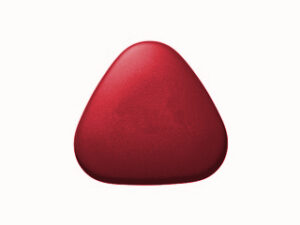
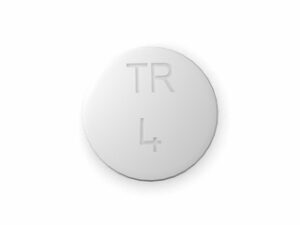
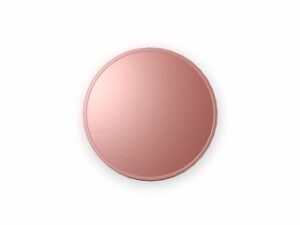
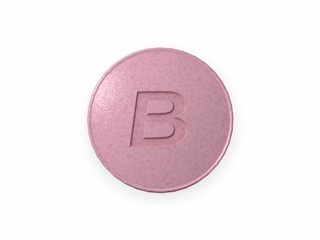
Levlen is a combined oral contraceptive pill containing two hormones: ethinyl estradiol and levonorgestrel. It is used to prevent pregnancy and may also provide non-contraceptive benefits for some people.
This page explains how Levlen works, how to take it, expected timing and effects, key safety information, and practical tips. It also includes guidance relevant to Australia, including availability and current regulatory context.
| Product name | Levlen (combined oral contraceptive) |
|---|---|
| Active ingredients | Ethinyl estradiol + Levonorgestrel |
| Type | Combined oral contraceptive pill (COCP) |
| Common use | Contraception; sometimes for cycle-related symptoms (depends on individual circumstances) |
| How it works | Prevents ovulation and thickens cervical mucus |
| How it’s taken | Once daily (usual pack schedule) |
Basic product information
Levlen contains two synthetic hormones taken in a fixed daily schedule. The pill works by creating hormone levels that help prevent ovulation (the release of an egg) and reduce the chance of sperm reaching the egg.
Different Levlen pack types may exist (for example, depending on formulation and local availability). Always check your specific pack’s instructions, including how many active tablets are in each cycle and whether placebo/inactive tablets are included.
How Levlen works (mechanism of action)
Levlen prevents pregnancy through several complementary mechanisms:
- Inhibits ovulation: The hormones suppress the hormonal signals from the brain that trigger egg release.
- Thickens cervical mucus: This makes it harder for sperm to enter the uterus.
- Changes the endometrium: The lining of the uterus becomes less suitable for implantation.
Because Levlen relies on daily dosing to maintain steady hormone levels, taking it at about the same time each day supports effectiveness.
Pharmacokinetics (how the body processes the hormones)
Understanding pharmacokinetics can help explain timing and interactions. In simple terms:
- Absorption: Ethinyl estradiol and levonorgestrel are absorbed through the gastrointestinal tract after swallowing a tablet.
- Distribution: Both hormones circulate in the bloodstream, with part of levonorgestrel binding to carrier proteins.
- Metabolism: They are primarily metabolised in the liver. This is why some medicines (including enzyme-inducing medicines) can reduce effectiveness.
- Elimination: Metabolites leave the body mainly via the kidneys and bile/intestines.
Key takeaway: Levlen’s effectiveness can be affected by medicines that accelerate liver metabolism (for example, some anticonvulsants and certain antibiotics/antifungals with enzyme effects), as well as severe vomiting/diarrhoea that may prevent absorption.
Typical use
Levlen is typically used as:
- Contraception to reduce the risk of pregnancy.
- Cycle regulation (for some people), which may lead to more predictable bleeding patterns.
- Management of certain hormone-related symptoms may be considered by a clinician depending on the individual’s circumstances.
Levlen does not protect against sexually transmitted infections (STIs). Using condoms can help reduce STI risk.
How and when to start (timing guidance)
Start timing can vary depending on whether you are switching from another method, postpartum, or changing schedules. The safest approach is to follow your pack instructions and the product information provided with your supply.
General starting principles
- Start of cycle: Many combined pills are started on day 1 of bleeding (where day 1 is the first day of menstrual bleeding).
- Quickest protection: Starting on or near the beginning of your period often provides protection sooner.
- Backup contraception: If you start at a time not covered by day-1 guidance, you may need additional contraception (e.g., condoms) for a period until the pill is fully effective.
- Consistency: Taking the pill daily helps maintain hormone levels that support contraception.
If you miss tablets or start at a different time than usual, protection may be reduced—see the FAQ section for missed-pill scenarios.
Dosing (usual regimen)
Levlen is taken once daily by mouth. The standard approach is:
- Take one tablet every day in the order on the pack.
- Try to take it at the same time each day.
- Complete the pack as directed, then start the next pack according to the schedule.
If your pack includes inactive/placebo tablets, continue taking them as instructed. They help maintain the daily routine, even though they may not contain active hormones.
What if you’re unsure? Check the specific pack directions. Different Levlen pack versions can vary.
Food interactions
In general, food does not significantly reduce the effectiveness of combined oral contraceptives. Taking Levlen with or without food is usually acceptable.
Vomiting or severe diarrhoea can affect absorption. If you vomit shortly after taking a tablet, the dose may not have been fully absorbed—consider following the “missed dose” approach described on your pack information and seek advice if unsure.
Alcohol interactions
Moderate alcohol intake is not typically expected to directly reduce contraceptive effectiveness. However, heavy drinking can indirectly increase risk because it may:
- Lead to missed or late doses
- Increase the likelihood of vomiting
- Reduce your ability to remember backup contraception during missed-pill situations
Practical advice: If you drink alcohol and you miss your pill or vomit, treat it as a missed dose and use condoms until protection is restored (based on the missed-pill guidance in your pack leaflet).
Medicine interactions (important)
Certain medicines can reduce the effectiveness of Levlen or increase bleeding problems by affecting hormone metabolism or increasing clearance. Others may increase hormone levels.
Common interaction categories
- Enzyme-inducing medicines (can reduce pill effectiveness): some medicines used for epilepsy/seizures, certain tuberculosis treatments, and some herbal products.
- Some antibiotics/antifungals (effect varies by medicine): most antibiotics do not cause meaningful reductions, but some can. Always check if you start a new medicine.
- Herbal products: St John’s wort is well-known for reducing effectiveness.
- HIV and hepatitis medicines: interactions can occur depending on the regimen.
- Other medicines affecting blood clotting risk: Levlen itself carries a small increased risk of blood clots; additional risk factors should be assessed.
When to get advice
Ask your pharmacist or healthcare professional if you are prescribed or starting:
- Anticonvulsants (anti-seizure medicines)
- Some TB medicines
- St John’s wort or other herbal supplements
- New long-term medicines for chronic conditions
- Medicines known to interact with hormonal contraceptives
Practical solution: If an interaction is possible, you may need a temporary backup method (often condoms) or a change in contraception strategy.
Indications (what Levlen is used for)
The primary indication for Levlen is:
- Prevention of pregnancy in people who choose to use combined oral contraception.
Depending on individual needs, clinicians may consider combined pills for non-contraceptive goals such as cycle-related symptoms. These decisions are individual and should consider overall health, risk factors, and preferences.
Safety profile (what to know before and while taking)
All hormonal contraceptives have benefits and risks. Levlen is generally well tolerated by many people, but it is important to understand warning signs and risk factors.
Who needs extra caution?
Combined pills (estrogen-containing) may be unsuitable for some people. Factors that can increase risk include:
- History of blood clots (in the leg or lung) or certain clotting disorders
- Certain migraine types (especially migraine with aura)
- Uncontrolled high blood pressure
- Smoking, particularly if aged 35 or older
- Major surgery or prolonged immobilisation
- Known pregnancy or suspected pregnancy
- Significant liver disease
If any of these apply, you should seek individual medical advice about the safest contraceptive option.
Serious warning signs (seek urgent help)
Stop and seek urgent medical care if you develop symptoms that could indicate a blood clot or serious complication, such as:
- Sudden one-sided leg pain or swelling
- Chest pain, coughing blood, or sudden shortness of breath
- Sudden severe headache, vision changes, weakness, or difficulty speaking
- Severe abdominal pain
- Yellowing of the skin/eyes (jaundice)
Common side effects
Many people experience mild, temporary effects during the first few months. Common side effects include:
- Nausea
- Breast tenderness
- Headaches
- Breakthrough bleeding or spotting between periods
- Mood changes (varies by individual)
These often improve after the first 2–3 cycles. Persistent or troubling symptoms should be discussed with a healthcare professional.
Practical use tips (to maximise effectiveness and comfort)
- Choose a consistent time: Morning with a routine (e.g., breakfast) or night before bed.
- Use reminders: Phone alarms, calendar alerts, or pill organisers.
- Know what your pack is: Confirm whether your pack contains placebo/inactive tablets and how many.
- Plan for illness: If vomiting/diarrhoea occurs, follow the advice in your pack leaflet or seek advice—consider backup contraception.
- Track bleeding: Spotting can happen early on. Persistent heavy bleeding should be assessed.
- Consider STI protection: Use condoms with new or non-monogamous partners.
- Review interactions: Check with a pharmacist when starting new medicines.
Missed doses and timing: what happens?
Missing tablets can reduce protection. If you miss one or more doses, the correct action depends on:
- How many tablets were missed
- How late they were taken
- Where you are in the pack cycle
- Whether your pack includes active and inactive tablets
Always refer to your pack instructions for missed-pill rules. If you are unsure, use condoms as backup and seek advice promptly—especially if you had sex without backup since the missed doses.
Alternative options
If Levlen is not suitable, or if you prefer different methods, there are several options in Australia:
Hormonal alternatives
- Other combined oral contraceptives: Different estrogen/progestogen combinations.
- Progestogen-only methods (POP): e.g., progestogen-only pills—often suitable for people who cannot take estrogen.
- Hormonal IUDs: long-acting and highly effective.
- Implants: long-acting progestogen release.
- Injection: some schedules may apply.
Non-hormonal alternatives
- Copper IUD: non-hormonal long-acting option.
- Barrier methods: condoms, diaphragms (with correct use and planning).
A clinician or pharmacist can help match options to your health profile, preferences, and lifestyle.
Levlen in Australia: market and legal context
In Australia, contraceptives including combined oral contraceptives are regulated medicines. Availability can vary by formulation and brand. Online pharmacies typically require appropriate patient information handling and may involve eligibility checks consistent with Australian consumer and medicines regulations.
Contraceptives are commonly listed within the Australian medicines framework, and supply may differ based on stock, prescribing/dispensing requirements, and product listings on pharmacy systems.
Recent guidance and what to consider now
Advice about combined oral contraceptives generally focuses on:
- Risk assessment for blood clots and stroke risk factors
- Medication interaction checks, especially for enzyme inducers and herbal supplements
- Updated clinical recommendations that emphasise shared decision-making
- Clear action plans for missed doses and breakthrough bleeding
If you’re starting Levlen, switching from another contraceptive, or returning after a break, it’s a good time to review your personal risk factors and discuss any new medicines or health changes.
Delivery and availability (Australia)
Levlen availability may depend on brand/version and current stock levels. Online pharmacies in Australia commonly offer:
- Home delivery within Australia
- Tracking for shipped orders
- Secure packaging to protect tablets and labels
Delivery times can vary based on location, order processing time, and supplier availability. Always check the website’s shipping and delivery information before purchasing.
Frequently asked questions (FAQ)
1. How quickly does Levlen start working?
Timing depends on when you start your first pack and your personal cycle. Starting on the appropriate day of your menstrual bleeding often provides protection sooner. If you start at another time, you may need backup contraception for a period. Check your pack instructions or ask a pharmacist for guidance based on your start date.
2. What should I do if I miss a pill?
Follow the missed-dose instructions included with your specific Levlen pack. The recommended steps vary depending on how many tablets you missed and where you are in the pack. If you had unprotected sex around the time of missed tablets, consider using condoms and seek advice promptly.
3. Can I take Levlen continuously (skip withdrawal bleeding)?
Some people choose to skip the hormone-free interval (if their pack design includes inactive tablets) for personal reasons. Whether this is appropriate for you depends on your pack type and health profile. Discuss with a pharmacist or clinician for personalised advice and safe scheduling.
4. Does Levlen protect against STIs?
No. Levlen prevents pregnancy but does not protect against sexually transmitted infections. Condoms are recommended for STI risk reduction.
5. Will Levlen affect fertility after stopping?
Most people regain fertility after stopping combined oral contraceptives, though it may take some time for cycles to normalise. Return of ovulation varies. If you plan pregnancy soon after stopping, it’s helpful to discuss expectations with a healthcare professional.
6. Can I drink alcohol while taking Levlen?
Moderate alcohol is usually not expected to directly reduce contraceptive effectiveness. However, heavy drinking can lead to missed doses or vomiting, which may affect protection. If you miss a pill or vomit, follow missed-dose guidance and use backup contraception as needed.
7. What medicines commonly interfere with Levlen?
Some medicines can reduce effectiveness, including certain enzyme-inducing drugs and herbal supplements like St John’s wort. Antibiotics and antifungals can sometimes interact depending on which one. Always check with a pharmacist when starting new medicines.
8. Is Levlen suitable for everyone?
No. Combined pills may not be suitable for people with certain medical conditions or risk factors (such as a history of blood clots, certain migraine types, uncontrolled hypertension, or smoking over age 35). A clinician or pharmacist can help determine the safest option.
9. What side effects are normal?
Nausea, breast tenderness, headaches, and breakthrough bleeding can occur, particularly during the first couple of cycles. Persistent severe symptoms or any warning signs (e.g., leg swelling, chest pain, sudden shortness of breath, severe headache with neurological symptoms) require urgent assessment.
10. What if I become pregnant while taking Levlen?
If you suspect you may be pregnant, take a pregnancy test and seek advice. Many pregnancies are not caused by contraceptive failure—sometimes pills are taken late or missed, or absorption is affected by illness—but confirmation is important.
When to seek help promptly
Contact a healthcare professional urgently if you experience symptoms suggestive of:
- A blood clot (leg pain/swelling, chest pain, sudden breathlessness)
- Stroke-like symptoms (severe headache, vision changes, weakness, speech difficulties)
- Severe abdominal pain or jaundice
If you have concerns about side effects, unusual bleeding, or possible interactions with other medicines, consult a pharmacist for tailored advice.
Summary
Levlen is a combined oral contraceptive containing ethinyl estradiol and levonorgestrel. It works by preventing ovulation and making it harder for sperm to reach an egg. Like other estrogen-containing pills, it has important safety considerations—particularly for blood clot risk—and can interact with certain medicines and herbs.
For best results, take Levlen once daily at about the same time, check interaction warnings when starting new medicines, and follow the pack instructions carefully if you miss a tablet. If you’re unsure about starting or missed-dose steps, ask a pharmacist or clinician for guidance.