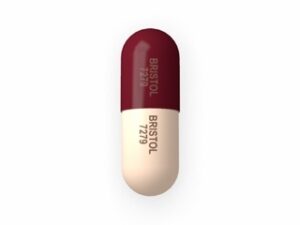

Vantin (Cefpodoxime) – Patient Guide (Australia)
Vantin is a prescription antibiotic containing cefpodoxime, a medicine used to treat a range of bacterial infections. This guide explains what Vantin is, how it works, how it’s typically taken, key safety information, food and medicine interactions, and what to expect during treatment.
Important: Antibiotics treat infections caused by bacteria. They will not work for viral illnesses like colds or flu.
1. Basic product information
| Item | Details |
|---|---|
| Medicine name | Vantin |
| Active ingredient | Cefpodoxime (cefodoxime) |
| Medicine type | Cephalosporin antibiotic (β-lactam) |
| Common dosage forms | Oral tablets and oral suspension (strength varies by product) |
| How it is supplied in Australia | Prescription-only medicine |
How to use this page: This content is designed to help you understand Vantin. Always follow the specific instructions you have been given for your medicine and your condition.
2. What cefpodoxime is and how it works
Cefpodoxime belongs to the cephalosporin class of antibiotics. It works by interfering with the way bacteria build their cell walls.
Mechanism of action
- Cefpodoxime binds to penicillin-binding proteins (PBPs) on susceptible bacteria.
- This prevents proper cell-wall formation, leading to cell weakening and bacterial death.
- It is most effective against bacteria that are susceptible to cephalosporins.
Why this matters
- Taking the correct dose for long enough improves the chance of cure.
- Stopping early can increase the risk that infection returns or becomes harder to treat.
3. Pharmacokinetics (how the body handles Vantin)
Understanding pharmacokinetics can help explain why dosing instructions may include timing and food advice.
Absorption
- Cefpodoxime is absorbed after oral administration.
- Food can improve absorption for many patients (details below).
Distribution
- Once absorbed, cefpodoxime distributes into body fluids and tissues, including sites relevant to common infections.
- It may reach therapeutic concentrations in areas such as the respiratory tract and urinary tract (depending on infection type and susceptibility).
Metabolism and elimination
- Cefpodoxime is primarily eliminated by the kidneys.
- This means kidney function can affect how quickly the medicine leaves the body.
Half-life (general concept)
The medication is typically taken more than once daily because drug levels gradually decrease over time. Your prescribed schedule is designed to keep antibiotic levels in a range that helps fight infection.
4. Typical uses of Vantin
Vantin is used to treat infections caused by cefpodoxime-susceptible bacteria. It is commonly used for conditions such as:
Common indications (examples)
- Respiratory tract infections (e.g., some cases of bacterial sinusitis or throat/tonsil infections when suitable)
- Skin and soft tissue infections (certain bacterial infections)
- Urinary tract infections (UTIs) (including uncomplicated UTIs in suitable patients)
- Other bacterial infections where a clinician determines cefpodoxime is appropriate based on likely bacteria and local guidelines
Note: The exact appropriateness depends on the suspected organism, infection site, severity, patient factors (including allergies), and local antimicrobial guidance.
5. How to take Vantin: timing and dose planning
Many people are prescribed Vantin once or twice daily depending on the infection being treated, the formulation, and patient factors.
Timing (practical guidance)
- Take Vantin at the same times each day to maintain more consistent levels.
- If you are taking it twice daily, aim for roughly 12 hours apart (e.g., 7 am and 7 pm).
- Set an alarm or use a phone reminder if helpful.
For missed doses
- If you miss a dose, take it when you remember unless it’s near the next scheduled dose.
- Do not take a double dose to make up for a missed one.
- If you’re unsure, ask a pharmacist for advice.
How long treatment usually lasts
Course length varies by infection type and severity. Even if you feel better, continue for the full course unless your clinician advises stopping.
6. Food interactions and what to eat
Food can influence absorption, which may affect how much medicine reaches your bloodstream.
Taking Vantin with meals
- Many people are advised to take cefpodoxime with food to support absorption.
- If your instructions say “take with meals,” follow that advice consistently.
Drinking and hydration
- Drink adequate fluids unless you have fluid restrictions due to medical conditions.
- Good hydration supports kidney function and comfort during infection.
7. Alcohol and medicine interactions
Alcohol
For most patients, moderate alcohol intake is not specifically contraindicated with cefpodoxime. However:
- Alcohol can worsen side effects like nausea, dizziness, and stomach upset.
- If you’re feeling unwell, it may be best to avoid alcohol until you’ve recovered.
Interactions with other medicines
Cefpodoxime can interact with some medicines. Always inform your pharmacist or clinician about all current medicines, including over-the-counter products and supplements.
- Antacids and acid-reducing agents: Some products that change stomach acidity may reduce absorption. Ask whether your specific antacid (e.g., aluminium/magnesium hydroxide) or acid blocker affects your dose.
- Probenecid: Can affect kidney elimination of some antibiotics; a clinician may adjust plans if needed.
- Warfarin and blood thinners: Antibiotics may affect bleeding risk indirectly in some people. If you take anticoagulants, closer monitoring may be needed.
- Renal function medicines: Because cefpodoxime is cleared by the kidneys, kidney-related medication adjustments or monitoring may be relevant.
Practical tip: Keep a current list of your medicines and show it to your pharmacist when collecting Vantin.
8. Safety profile: side effects and when to seek help
Like all medicines, Vantin can cause side effects. Many are mild and temporary, but some require urgent medical attention.
Common side effects
- Diarrhoea
- Nausea or mild stomach discomfort
- Headache
- Vaginal yeast infection symptoms in some patients (itching, unusual discharge)
- Rash (mild skin reactions can occur)
Less common but important risks
- Allergic reactions (including allergy to cephalosporins)
- Severe skin reactions (rare)
- Clostridioides difficile (C. diff)–associated diarrhoea (can occur during or after antibiotics)
- Changes in blood tests (rare; typically occurs with longer exposures)
- Kidney-related issues in those with existing renal impairment (rare; monitoring may be needed)
Seek urgent medical attention if
- You develop swelling of the face, lips, tongue, or throat
- You have difficulty breathing or wheezing
- You experience severe or widespread rash, blistering, or peeling skin
- You have watery or bloody diarrhoea, significant abdominal pain, or fever—especially if it happens after starting antibiotics
- Your symptoms rapidly worsen or you feel very unwell
Allergy considerations
If you’ve ever had an allergic reaction to:
- cephalosporin antibiotics (like cephalexin, ceftriaxone), or
- other beta-lactam antibiotics (including some penicillins),
tell your pharmacist or doctor before taking Vantin. Allergies can be serious and may require a different antibiotic choice.
9. Practical use tips for getting the best outcome
- Use the measuring device for liquid formulations: If Vantin suspension is prescribed, use the supplied oral syringe or cup to measure accurately.
- Shake suspension well (if applicable): Many suspensions require gentle shaking before each dose.
- Finish the course: Complete the prescribed duration even if symptoms improve early.
- Monitor symptoms: Note improvement in fever, pain, cough, urinary discomfort, or other key symptoms.
- Don’t share antibiotics: Different people need different doses and antibiotics.
- Manage diarrhoea supportively: If mild diarrhoea occurs, stay hydrated. If diarrhoea is severe or persistent, seek advice promptly.
- Use probiotics cautiously: Some people take probiotics to reduce antibiotic-associated diarrhoea. Evidence varies, and timing/dose matters—ask your pharmacist if considering this.
When to reassess: If you do not feel better within about 48–72 hours, or if symptoms worsen, contact a healthcare professional. The bacteria may be resistant, or the illness may not be bacterial.
10. Dosing information (general guidance)
Dosing of Vantin depends on the infection type, severity, kidney function, age, and formulation. Specific dosing should follow the instructions provided for your product.
Typical dosing patterns (conceptual)
- Adults: Often prescribed once or twice daily based on diagnosis and local guidance.
- Children: Doses are commonly weight-based; formulations may differ (tablets vs suspension).
- Kidney impairment: Dose may be reduced or spaced differently to avoid excessive levels.
Important: Do not adjust the dose yourself. If you have kidney disease, discuss dosing and monitoring with your pharmacist or clinician.
11. Indications summary: what Vantin treats
Below is a helpful overview. Your exact use may differ based on clinical assessment and local antimicrobial recommendations.
- Urinary tract infections (UTIs): For susceptible bacteria causing cystitis or other appropriate UTIs.
- Respiratory infections: When a bacterial cause is likely and cefpodoxime is appropriate.
- Skin/soft tissue infections: For certain bacterial infections where treatment is suitable.
- Other bacterial infections: Depending on culture results (if taken) and clinical judgement.
12. Alternative options (when cefpodoxime may not be suitable)
If Vantin is not appropriate—because of allergy, side effects, suspected resistance, or specific infection requirements—your clinician may consider alternative antibiotics. The choice depends on the infection, bacteria likely responsible, allergy history, and local guidelines.
Possible alternatives (examples)
- Other cephalosporins (if safe given your allergy history)
- Penicillin-class antibiotics (if appropriate and if allergy risk is low)
- Macrolides (for selected respiratory infections where appropriate)
- Tetracyclines (for certain infections under guidance)
- Other targeted antibiotics based on culture results
Do not switch antibiotics without professional advice. Incorrect choice or dosing can worsen outcomes and contribute to antibiotic resistance.
13. Australia market and legal context (what to expect)
In Australia, antibiotics are regulated medicines. Cefpodoxime (Vantin) is generally supplied as a prescription-only antibiotic. This helps ensure that:
- The antibiotic is appropriate for the infection type.
- Dose selection accounts for patient age and kidney function.
- Antibiotic use supports antimicrobial stewardship—reducing unnecessary exposure and resistance.
Australia also follows nationally recognised antimicrobial prescribing principles and guidance from health authorities and professional bodies. These emphasise targeted therapy, shortest effective duration, and appropriate review if symptoms do not improve.
14. Recent guidance and antimicrobial stewardship considerations
While specific recommendations vary by infection and updated publications, common themes in contemporary guidance include:
- Confirm bacterial likelihood before prescribing where possible.
- Use local resistance patterns and diagnostic information.
- Review early if there is no improvement, rather than automatically continuing or escalating without reassessment.
- Avoid unnecessary antibiotic use to reduce antibiotic resistance.
If you have concerns about whether an antibiotic is needed, discuss this with a clinician or pharmacist.
15. Delivery and availability (Australia)
Vantin may be available through community pharmacies and online pharmacy services where permitted by Australian regulations. Availability can vary by:
- Formulation (tablets vs suspension)
- Strength and pack size
- Stock levels at time of order
Delivery considerations
- Many online pharmacies deliver via standard or express courier services.
- Some medications require delivery timing that protects product quality—always check the product listing details.
- Plan ahead so you don’t run out mid-course.
Tip: If you are nearing the end of a course and your treatment plan continues, arrange refills early.
16. Storage and handling
- Store Vantin according to the label instructions (typically at room temperature unless otherwise stated).
- Keep it out of reach of children.
- Do not use after the expiry date.
- If you have suspension, follow instructions about refrigeration (if applicable) and discard timeframe after opening (if stated on the label).
17. FAQ
Is Vantin the same as cefpodoxime?
Yes. Vantin is a brand name that contains the active ingredient cefpodoxime.
How quickly should I feel better?
Many patients begin to feel some improvement within 48–72 hours. If symptoms are not improving or are worsening after this time, contact a healthcare professional for reassessment.
Can I take Vantin on an empty stomach?
For cefpodoxime, absorption is often better with food. If your instructions say “take with meals,” follow them. If you’re unsure, ask your pharmacist.
What should I do if I miss a dose?
Take it when you remember unless it is close to your next dose. Do not take a double dose.
Can I drink alcohol while taking Vantin?
Alcohol is not usually directly contraindicated, but it may worsen side effects like nausea or dizziness and can make you feel worse while you’re ill. If in doubt, avoid alcohol until you’re feeling better.
What if I get diarrhoea during treatment?
Mild diarrhoea can occur with antibiotics. Stay hydrated. Seek medical advice urgently if you have severe diarrhoea, blood or mucus in stools, significant abdominal pain, fever, or diarrhoea that persists after finishing the course.
Is Vantin safe for people with kidney problems?
Because cefpodoxime is cleared by the kidneys, dose adjustments may be needed for some patients. Tell your clinician or pharmacist if you have kidney disease or reduced kidney function.
Can I take Vantin if I’m allergic to penicillin?
Some people with penicillin allergy can still take certain cephalosporins, but allergy risk varies. Discuss your allergy history with a pharmacist or clinician before starting.
Are there alternatives if I can’t tolerate Vantin?
Yes. Alternatives depend on the infection and your medical history (including allergy). A clinician can choose another antibiotic or approach if needed.
Should I stop Vantin if I feel better?
No—generally you should complete the full course. Stopping early can allow bacteria to survive and increase the chance of relapse or resistance.
Disclaimer: This information is for general education and does not replace advice from a healthcare professional. If you have questions about your condition, dosing, or safety, speak with a pharmacist or clinician.