Ciprofloxacin + Dexamethasone (Ciprofloxacin/Dexamethasone) — Patient Guide (Australia)
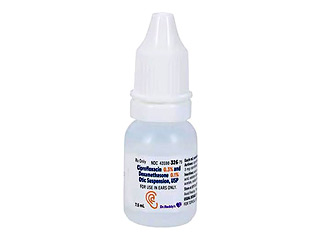
Ciprofloxacin + Dexamethasone is a combination medicine that contains: ciprofloxacin (an antibiotic) and dexamethasone (a corticosteroid). It is commonly used in ear and sometimes eye conditions where infection and inflammation occur together.
This information is designed to be clear and practical for patients in Australia. Product strength and formulation (ear drops/eye drops/other forms) can vary between brands, so always check the label and package instructions for your specific item.
Basic product information
- Active ingredients: Ciprofloxacin + Dexamethasone
- Medicinal class: Combination antibiotic + corticosteroid
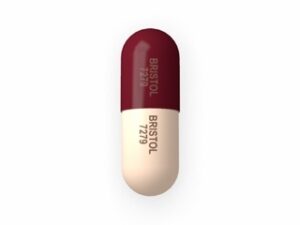
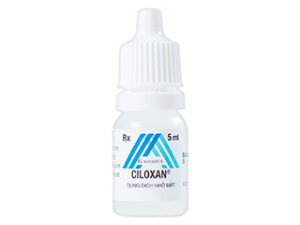
- Common forms: Drops (often for ear; some brands for eye—confirm your product)
- Key actions: Treats bacterial infection and reduces inflammation/itching/redness
Some formulations are marketed for specific conditions (for example, otitis externa—outer ear infection). Always use the medicine for the purpose stated on your package insert.
How it works (mechanism of action)
Ciprofloxacin (antibiotic)
Ciprofloxacin is a fluoroquinolone antibiotic. It works by interfering with bacterial DNA processes needed for growth and replication. In simple terms, it helps stop bacteria from reproducing and spreading.
Dexamethasone (corticosteroid)
Dexamethasone is a steroid that reduces inflammation by acting on multiple inflammatory pathways. This helps relieve symptoms such as:
- Swelling
- Redness
- Itching or irritation
- Pain caused by inflammatory tissue reaction
Why the combination is used
Many conditions—especially ear infections—cause both infection and inflammation. Using an antibiotic plus a steroid can improve comfort more quickly than an antibiotic alone, when appropriate for the condition.
Pharmacokinetics (absorption, distribution, metabolism, and excretion)
Pharmacokinetics can vary depending on the route (ear vs eye), the presence of inflammation, and whether tissue barriers are intact. In general:
- Local use: The medicine is designed to act mainly at the site of infection/inflammation.
- Systemic absorption: Absorption into the bloodstream is generally limited when used as directed, especially for intact skin/mucosa.
- Metabolism and elimination: Any small amount absorbed systemically is processed by the body and eliminated largely through normal metabolic pathways and excretion.
If you have concerns (for example, a suspected perforated eardrum, extensive disease, or prolonged use), speak with a qualified healthcare professional. Steroids can be absorbed more when tissues are inflamed or damaged.
Typical uses and indications
Indications depend on the product presentation and what it has been approved for in Australia. Commonly, ciprofloxacin/dexamethasone drops are used for:
- Infective otitis externa (outer ear canal infection), including cases where inflammation is significant
- Conditions requiring both antibiotic and anti-inflammatory therapy in the affected ear (or eye if your product is indicated for ophthalmic use)
Your product label and consumer medicine information will specify the exact approved indication. Use only as directed for your condition.
When to start and timing tips
- Start at the earliest appropriate time after symptoms begin, or as advised by your clinician.
- Consistency matters: Use at the same times each day to maintain effective local medication levels.
- Do not stop early just because symptoms improve—complete the course as instructed.
In many typical dosing regimens for ear drops, medication is used several times per day for a limited number of days. The exact schedule depends on the strength, formulation, and severity. Refer to your package instructions for precise dosing.
Dosing (general guidance)
Because formulations differ, the most accurate dosing information is always the one on your product label. Below are general examples of how dosing is commonly structured for drop therapies.
General dosing pattern (ear drops)
- Often: Multiple doses per day (for example, 2–4 times daily) for about 7–10 days.
- Severe cases: may require more frequent dosing for a shorter initial period, depending on assessment.
- Duration: typically limited to the shortest effective course to reduce steroid exposure.
General dosing pattern (eye drops, if your product is ophthalmic)
- Often: Several times daily initially, then adjusted based on response—exact regimen varies by brand and indication.
- Duration: depends on the condition and severity.
How to use drops effectively
- Wash hands before and after applying drops.
- Keep the bottle tip clean (avoid touching the ear canal/eye surface).
- Warm the bottle in your hands for a minute if drops feel cold.
- Position correctly: For ear drops, tilt the head and apply the drops to the ear canal as directed.
- Maintain position: Stay tilted for a short time (commonly ~1–2 minutes) to allow drops to spread.
- Continue even if symptoms improve unless you are told otherwise.
If you miss a dose, apply it as soon as you remember. If it is near the time for the next dose, skip the missed dose and continue your usual schedule. Do not double up.
Food interactions
For most local drop formulations of ciprofloxacin/dexamethasone, food interactions are generally not expected, because the medicine is applied to the ear or eye and is designed to act locally.
- No specific dietary restrictions are typically required.
- If you are taking other medicines orally, follow your clinician/pharmacist advice for those products.
If your product is a different formulation (for example, not drops), please check the specific consumer medicine information sheet.
Alcohol interactions
There is usually no direct interaction between alcohol and locally used ciprofloxacin/dexamethasone drops. However, alcohol may worsen dehydration or slow recovery in some people and can aggravate side effects like dizziness when systemically absorbed medications are involved.
- Consider avoiding alcohol until you feel better.
- If you experience dizziness, nausea, or worsening irritation, avoid alcohol and seek advice.
Medicine interactions (important considerations)
Local drops can have fewer systemic interactions than tablets. Still, interactions can occur depending on absorption, your overall treatment plan, and the presence of other eye/ear medications.
Other ear/eye products
- Tell your pharmacist about any other ear drops or eye drops you are using.
- If multiple eye/ear drops are used, allow a gap between applications (often several minutes) unless the label instructs otherwise.
Known systemic interaction concerns
Ciprofloxacin has a broader interaction profile when taken by mouth (tablets), but with local drop use the likelihood is lower. Nevertheless, inform your clinician if you use medications such as:
- Blood thinners (for example, warfarin)
- Antiarrhythmics or medicines that affect heart rhythm
- Probenecid or other medications that can affect antibiotic metabolism
When to seek advice
Get advice before using if you:
- Have complex ear conditions (for example, tubes, perforated eardrum, or recurrent infections)
- Use multiple eye medications
- Have a history of steroid-related eye problems (if eye use)
Safety profile and side effects
Like all medicines, ciprofloxacin/dexamethasone can cause side effects. Many are mild and temporary. Side effects may also relate to the underlying infection/inflammation rather than the medicine itself.
Common side effects
- Burning, stinging, or mild irritation at application site
- Temporary discomfort
- Itching or a mild sense of fullness
Less common but important effects
- Allergic reaction (itching, swelling, rash, worsening redness)
- Worsening symptoms or no improvement after the expected time
- Signs of infection not responding (persistent pain, discharge, fever)
Steroid-specific warning (why timing and duration matter)
Dexamethasone can reduce inflammation, but steroids may sometimes mask symptoms of infection or affect the local immune response. For that reason:
- Use the medicine for the shortest effective duration as directed.
- If symptoms worsen or do not improve, stop and seek medical advice rather than extending use.
Seek urgent care if
- You develop severe swelling, difficulty breathing, or widespread rash (possible serious allergy)
- You experience significant eye pain, marked light sensitivity, or sudden vision changes (if ophthalmic use)
- You have severe ear pain, fever, or rapidly spreading symptoms
Practical use tips (to improve outcomes)
- Remove ear wax only if advised: If you suspect significant wax or blockage, ask a pharmacist/clinician before attempting cleaning. Some conditions can be made worse by aggressive removal.
- Follow hygiene steps: Avoid inserting cotton buds or objects into the ear canal.
- Do not share the bottle: Sharing increases contamination risk.
- Check expiry: Use only within expiry dates.
- Protect the treated area: Avoid water exposure (for example, swimming) if your clinician advises. For ear infections, keeping the area dry can help.
- Keep track of response: If symptoms haven’t improved within a few days, contact a healthcare professional.
Missed dose and what to do
- If you miss a dose: apply it as soon as you remember.
- If it’s close to the next dose: skip the missed dose and continue on schedule.
- Do not double: doubling increases the risk of irritation and side effects.
Alternative options
Alternatives depend on the specific diagnosis (for example, whether the cause is bacterial, fungal, viral, or non-infective inflammation). Because ciprofloxacin/dexamethasone includes both an antibiotic and steroid, alternatives may involve:
- Antibiotic alone (if steroid is not needed)
- Different antibiotic combinations (depending on local resistance patterns and suspected organisms)
- Non-steroid anti-inflammatory approaches when steroid use is not appropriate
- Antifungal treatments if fungal otitis/ocular infection is suspected
- Supportive care for symptom relief (pain relief, keeping the area dry)
Your pharmacist or clinician can guide the best alternative based on your symptoms and history. If there is no improvement, re-evaluation is important.
Market and legal context for Australia
In Australia, medicines are regulated under the Therapeutic Goods Administration (TGA). The availability of ciprofloxacin/dexamethasone products can vary by:
- Brand and strength
- Formulation (ear vs eye)
- TGA scheduling for that product
- Indication and approved use
For online pharmacies, compliance includes following Australian regulations for medicine supply, correct product identification, and appropriate customer instructions.
Consumer Medicine Information (CMI) and product label details should always be reviewed for guidance specific to the brand you receive.
Recent guidance and clinical considerations
Ongoing clinical practice emphasises several principles relevant to antibiotic/steroid combinations:
- Confirm the diagnosis: Similar symptoms can occur in non-bacterial conditions (for example, fungal infection or eczema of the ear canal).
- Use the shortest effective duration: Reducing steroid exposure lowers the risk of complications and recurrence.
- Monitor response: Lack of improvement may indicate resistant organisms, incorrect diagnosis, or need for another treatment.
- Prevent complications: Persistent ear pain, discharge, fever, or severe symptoms should be reviewed.
If your symptoms are worsening, recurrent, or severe, professional assessment may be needed to tailor therapy and avoid delays.
Delivery and availability (Australia)
Ciprofloxacin/dexamethasone products may be available through pharmacies and online pharmacy services across Australia, depending on:
- Stock availability
- Product schedule and eligibility requirements
- Shipping limitations for the specific medicine presentation
When ordering online, you should expect:
- Secure packaging to protect drops during transit
- Clear instructions with the product and access to consumer medicine information
- Estimated delivery times based on your location
If you require help confirming the correct formulation (ear vs eye) or strength, contact the pharmacy before completing your order.
FAQ
1) What is ciprofloxacin/dexamethasone used for?
It is commonly used to treat conditions where bacterial infection and inflammation occur together—often for certain types of outer ear infection (otitis externa). Some products may be indicated for eye conditions; confirm your exact product’s label and instructions.
2) How fast should I feel better?
Many people notice symptom relief within a few days of correct use, but it can vary depending on severity and the cause of symptoms. If there is no improvement after several days (or if symptoms worsen), seek medical advice rather than extending the course yourself.
3) Can I stop once symptoms improve?
Try not to stop early unless your healthcare professional advises it. Completing the recommended course helps reduce the chance of persistent infection or relapse. Follow the duration stated on the package instructions for your product.
4) Is it safe to use if I have a perforated eardrum or ear tubes?
Safety depends on the specific formulation and the condition of the ear. If you have a perforated eardrum, ear tubes, or are unsure, speak with a pharmacist/clinician before use and confirm suitability for your situation.
5) What if the drops burn when I apply them?
Mild stinging can occur. If burning is severe, persistent, or accompanied by swelling or rash, stop and seek advice. Ensure the tip does not touch the ear canal/eye and that the bottle is clean.
6) Can I use other ear or eye drops at the same time?
You may need to separate products in time. Ask your pharmacist about the best spacing between medications. Avoid mixing drops directly and follow the specific instructions for each product.
7) Are there any food or alcohol restrictions?
With local ear/eye drop use, food interactions are generally not expected. Alcohol usually does not have a direct interaction, but avoiding alcohol may support comfort and recovery—especially if you feel unwell.
8) What are the signs that I should get urgent help?
Seek urgent care if you develop severe allergy symptoms (trouble breathing, widespread rash), severe worsening pain, fever, or—if eye use—significant eye pain, sudden vision changes, or marked light sensitivity.
9) Are there alternatives if this medicine doesn’t work?
Yes. Alternatives may include antibiotic-only options, antifungal treatments, or different anti-inflammatory strategies depending on the diagnosis. If there is no improvement, re-evaluation is important to confirm the cause.
10) How should I store the drops?
Store as directed on the label (commonly at controlled room temperature and away from direct sunlight). Keep the bottle tightly closed and out of reach of children.
Quick reference table
| Topic | What to know |
|---|---|
| Active ingredients | Ciprofloxacin (antibiotic) + Dexamethasone (corticosteroid) |
| Main actions | Kills susceptible bacteria and reduces inflammation at the application site |
| Typical use | Conditions where infection and inflammation occur together (commonly certain ear infections; check your product label) |
| How to use | Apply drops as directed; keep head/eye position briefly so drops can spread |
| Food interactions | Generally none expected for local drop use |
| Alcohol | No direct interaction usually expected; avoid if it worsens symptoms |
| Common side effects | Mild burning/stinging, temporary irritation |
| When to seek help | No improvement after a few days, worsening pain, fever, allergy signs, or severe eye symptoms |
| Duration | Use the shortest effective course; don’t extend without advice |
Important: Always follow the instructions provided with your specific ciprofloxacin/dexamethasone product. If you are unsure whether your symptoms match the intended condition, consult a pharmacist or clinician before starting.